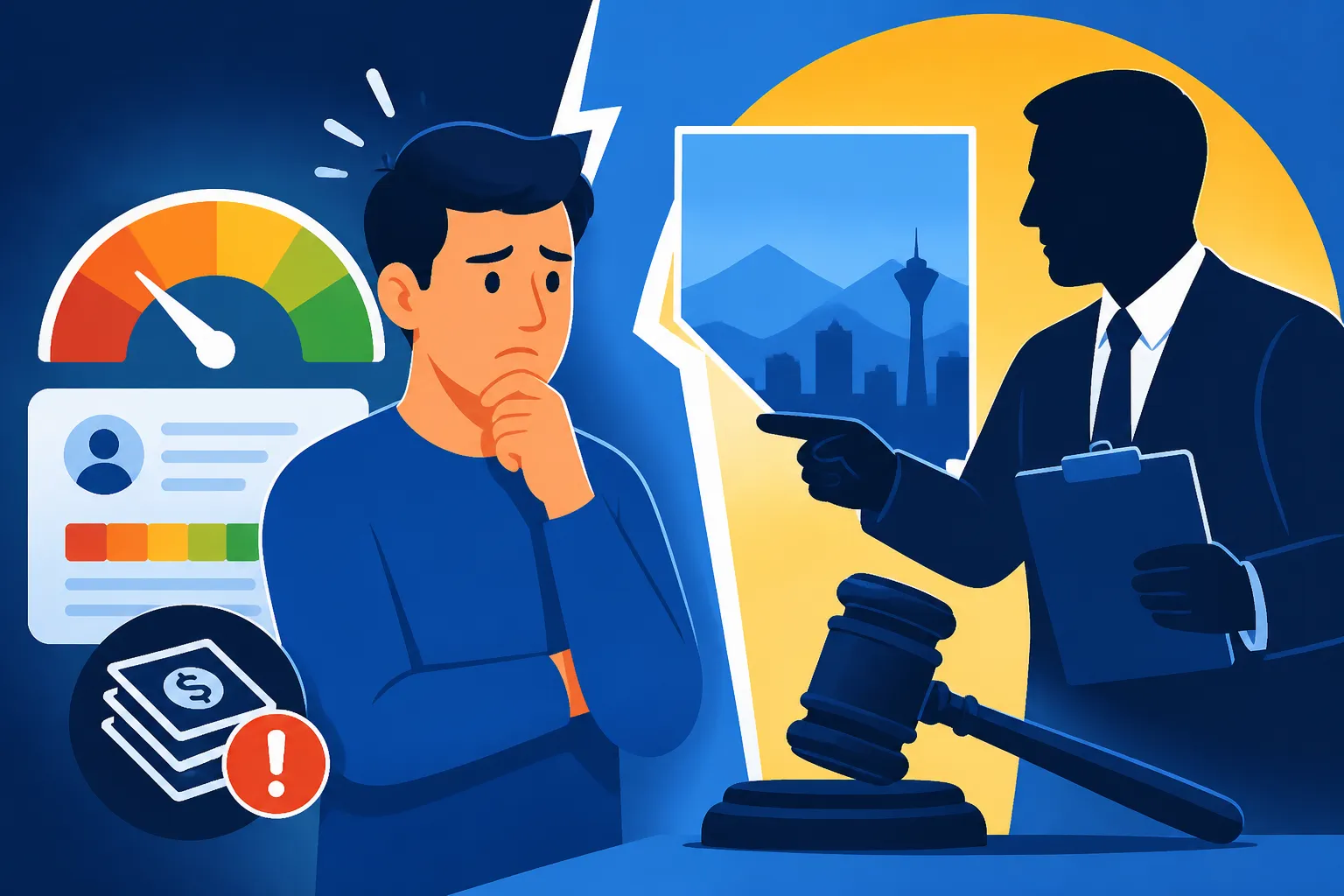
Can a Debt Collector Sue You in Nevada?
It's an utterly terrifying moment when you receive that letter, or worse, a legal document, stating that a debt collector is not just trying to get your attention, but is actually suing you. The fear, the confusion, the feeling of not knowing what to do next – it's all completely understandable. If you're wondering, "Can a debt collector sue you in Nevada?" then you've come to the right place. This guide will walk you through the specifics of debt collection lawsuits in the Silver State, your rights, and the crucial steps you need to take.
Understanding Debt Collection Law in Nevada
Navigating the world of debt collection can feel like walking through a minefield, especially when legal action becomes a possibility. In Nevada, like every other state, there are specific laws that govern how and when a debt collector can pursue a lawsuit against you. Understanding these rules is your first line of defense.
The Statute of Limitations for Debt in Nevada
One of the most critical legal concepts you need to grasp is the "statute of limitations" (SOL). This isn't just a fancy legal term; it's a hard deadline that dictates how long a creditor or debt collector has to file a lawsuit against you to collect a debt. Once this period expires, they generally lose the right to sue you in court. However, and this is a big "however," the debt doesn't just disappear. They can still attempt to collect it through other means, but they can't take you to court and get a judgment.
In Nevada, the statute of limitations varies depending on the type of debt:
- Written Contracts: For debts based on a written agreement, like a credit card agreement, auto loan, or mortgage, the statute of limitations is generally six years. This means if you signed a physical contract or agreement, the collector has six years from the date of the last activity on the account (usually your last payment) to file a lawsuit.
- Oral Contracts: If your debt was based on a verbal agreement, which is less common for significant debts but can happen with smaller loans, the SOL is typically four years.
- Promissory Notes: For debts secured by a promissory note, such as a student loan or a personal loan, Nevada's SOL is also six years.
- Open-Ended Accounts: While credit cards are technically written contracts, they often fall under the "open-ended account" umbrella, and in Nevada, the SOL for these is generally six years as well. This can sometimes be confused with shorter periods in other states, so always confirm.
It's absolutely vital to know when the clock started ticking on your debt. Making even a partial payment on an old debt or acknowledging it in writing can, in many cases, "reset" the statute of limitations, giving the debt collector a fresh timeline to sue you. This is why you should be very careful about communicating with collectors about older debts. Always check your How Long Does a Collection Stay on Your Credit Report? to understand the overall reporting period too.
What Happens When a Debt Collector Sues You
If a debt collector decides to take legal action, the process typically begins with you receiving a formal summons and complaint. This isn't just a nasty letter; it's a legal document from the court informing you that a lawsuit has been filed against you. Ignoring this document is perhaps the worst thing you can do, as it can lead to severe consequences.
When you get a summons, it will usually tell you how many days you have to respond, often 20-30 days, depending on where and how you were served. The complaint will outline the allegations against you, such as the amount of debt owed, who the original creditor was, and why they believe you owe the money. Your response, often called an "answer," is your opportunity to formally admit, deny, or state that you lack sufficient information about each of the allegations.
If you fail to respond within the specified timeframe, the court can issue a "default judgment" against you. This means the court automatically rules in favor of the debt collector because you didn't show up to defend yourself. A default judgment is a powerful tool for collectors; it allows them to pursue wage garnishment, bank account levies, or even place liens on your property in Nevada, making your financial situation far more precarious. Remember, the Fair Debt Collection Practices Act (FDCPA) still offers you certain protections against abusive collection practices, even if you are being sued.
Your Rights When Facing a Debt Lawsuit in Nevada
Receiving a lawsuit can feel overwhelming, but remember that you have rights, and there are steps you can take to protect yourself. You aren't without options, even when a debt collector has escalated to legal action.
Validating the Debt and Requesting Documentation
Before you even think about responding to the lawsuit, it's absolutely crucial to validate the debt. This is especially true if the debt is older, has been sold multiple times to different collection agencies, or if you suspect it might not even be yours. Debt buyers often purchase old debts for pennies on the dollar, and sometimes the documentation they receive isn't complete or entirely accurate.
You have the right to request proof that you actually owe the debt, that the amount is correct, and that the collector has the legal right to collect it from you. This is often done through a debt validation letter. While you should ideally send this letter within 30 days of the initial contact from the collector to trigger their obligation to cease collection until validated, it's still a critical step even after a lawsuit has been filed. If they can't provide sufficient proof, it can be a strong defense in court. You might also want to explore what is a 609 dispute letter as some people incorrectly believe it's a magic bullet for debt validation.
Sometimes, the debt might not even be yours. Identity theft is a real and growing problem. If you suspect fraud, you'll need to gather evidence, file an identity theft report, and inform the court. You can also learn How to Report Identity Theft to the Credit Bureaus to protect your credit profile.
Defending Against a Lawsuit
Even if the debt is legitimately yours, you might still have defenses against a lawsuit. This isn't about avoiding your obligations entirely, but about ensuring the process is fair and legally sound. Here are some common defenses:
- Statute of Limitations Expired: As discussed, if the SOL has passed, the collector generally cannot legally sue you. This is a powerful defense if applicable.
- Not Your Debt: If the debt belongs to someone else, or if it's a case of mistaken identity, this is a clear defense.
- Debt Already Paid: If you have proof that you've already paid the debt, either in full or through a settlement, provide that evidence.
- Incorrect Amount: If the collector is suing you for an amount that is incorrect, you can dispute the amount. This often happens with added fees or incorrect interest calculations.
- Bankruptcy: If the debt was discharged in a previous bankruptcy, they cannot legally sue you for it.
- Lack of Standing: The debt collector must prove they legally own the debt and have the right to sue you. Sometimes, especially with older debts sold multiple times, they might not have the original contract or sufficient documentation to prove this.
Seeking legal counsel from a consumer law attorney in Nevada is highly recommended if you're being sued. They can review your specific situation, help you understand your options, and represent you in court. Trying to navigate the legal system alone can be daunting and lead to unfavorable outcomes.
What to Do if You're Sued by a Debt Collector in Nevada
Being sued is a serious matter, and your actions (or inactions) in the immediate aftermath can significantly impact the outcome. Procrastination is your enemy here.
Don't Ignore the Summons
This cannot be stressed enough: do not ignore a lawsuit summons. The temptation to bury your head in the sand might be strong, but giving in to it will only make things infinitely worse. As mentioned, if you don't respond to the summons within the time allotted (usually 20-30 days), the court will almost certainly issue a default judgment against you.
Once a default judgment is in place, the debt collector gains significant power. They can then pursue aggressive collection actions without needing further court approval. In Nevada, this can include:
- Wage Garnishment: They can get an order to take a percentage of your wages directly from your employer before you even see it.
- Bank Account Levies: They can freeze funds in your bank account and seize them to satisfy the debt.
- Property Liens: They can place a lien on your real estate, which would have to be satisfied before you could sell or refinance the property.
These actions can severely impact your financial stability and make it incredibly difficult to manage your daily expenses. The moment you receive a summons, your top priority should be to consult with a qualified attorney who specializes in debt defense in Nevada. They can help you understand the nuances of What Happens After You File a Credit Dispute? and prepare an appropriate response.
Exploring Your Options
Once you've sought legal advice, you'll have several paths to consider:
- Negotiation/Settlement: Even after a lawsuit is filed, it's often possible to negotiate a settlement with the debt collector. They might be willing to accept a lump sum payment that is less than the full amount owed, especially if they know you have a strong defense or if they want to avoid the time and expense of a lengthy court battle. Your attorney can often negotiate on your behalf to achieve the best possible outcome. You might also explore a "pay for delete" scenario, but it's important to understand if Pay for Delete: Does It Really Work? before committing.
- Disputing the Debt in Court: If you have strong defenses, such as the statute of limitations having expired, inaccurate debt information, or proof that it's not your debt, your attorney can help you prepare a formal answer to the complaint and represent you in court. This is where debt validation and meticulous record-keeping become invaluable.
- Bankruptcy: In some extreme cases, if you have a significant amount of debt and few assets, filing for bankruptcy might be an option. This can stop collection lawsuits and provide a fresh financial start, though it comes with its own long-term consequences for your credit. This is usually a last resort, but it's an option that a lawyer can discuss with you.
- Building Credit for the Future: While dealing with an active lawsuit, it might feel impossible to think about the future, but it's important to understand that your credit score plays a huge role in your financial life. Even after resolving a debt issue, you'll want to focus on rebuilding. Tools like a credit builder loan, such as those offered by Credit Strong, can help establish a positive payment history. They are designed to report consistent, on-time payments to the credit bureaus, helping to demonstrate financial responsibility over time.
Resolving a lawsuit usually means the negative item will remain on your credit report for a period, typically seven years from the date of delinquency. However, once the debt is settled or resolved, it's important to ensure your credit report accurately reflects this status. For more information on removing negative items, consider reading How to Remove Collections From Your Credit Report.
Preventing Future Debt Lawsuits
While dealing with a current lawsuit is your immediate concern, it's just as important to put strategies in place to prevent similar situations from arising in the future. Proactive financial management is your best defense.
Proactive Credit Management
The cornerstone of preventing debt lawsuits is excellent credit management. This means being mindful of your credit utilization, making all your payments on time, and regularly monitoring your credit reports for errors or suspicious activity.
- Payment History: Your payment history is the single most important factor in your credit score. Missing even one payment can significantly drop your score and alert creditors to potential issues. Set up automatic payments to ensure you never miss a due date.
- Credit Utilization: Try to keep your credit card balances low, ideally under 30% of your available credit, but even lower is better. High credit utilization signals to lenders that you might be over-reliant on credit, which can be a red flag.
- Credit Monitoring: Regularly checking your credit reports from Equifax, Experian, and TransUnion (which you can do for free annually at AnnualCreditReport.com) allows you to spot errors or unauthorized accounts quickly. You can also sign up for free credit monitoring services that alert you to changes. Knowing How to Read Your Credit Report is a skill everyone should master.
For those looking to build a strong credit foundation or rebuild after past challenges, a credit builder product can be incredibly helpful. For example, Credit Strong offers solutions that help you save money while building credit history. They work by placing the loan amount into a locked savings account, and as you make your monthly payments, that positive payment history is reported to the credit bureaus, and you eventually get access to the funds. It’s a smart way to establish a positive credit pattern, especially if you’re trying to move away from relying on traditional credit cards.
Understanding Your Financial Standing
Beyond just managing credit, having a clear picture of your overall financial health is crucial.
- Budgeting and Emergency Funds: Create a realistic budget that tracks your income and expenses. This helps you understand where your money is going and identify areas where you can cut back. Alongside budgeting, building an emergency fund is vital. Life happens – unexpected job loss, medical emergencies, or car repairs can quickly derail your finances and lead to debt if you don't have a buffer. Aim for at least 3-6 months of living expenses saved.
- Debt-to-Income Ratio: Keep an eye on your debt-to-income (DTI) ratio. This is a measure of how much of your gross monthly income goes towards debt payments. Lenders use it to assess your ability to take on new debt. A high DTI can indicate financial strain and make it harder to get approved for loans or credit in the future. If you find yourself drowning in high-interest debt, consider exploring methods for How to Pay Off Credit Card Debt Fast.
- Building Credit Without a Credit Card: For those who prefer to avoid traditional credit cards or are starting from scratch, there are other avenues to build credit responsibly. Beyond credit builder loans, options like becoming an authorized user on a trusted family member's account or utilizing rent reporting services can help you establish a positive payment history. You can learn more in our comprehensive guide on How to Build Credit From Scratch.
By understanding these principles and actively managing your finances, you can significantly reduce the likelihood of ever facing another debt collection lawsuit. It's about empowering yourself with knowledge and making informed decisions for your financial well-being.
Nevada Statute of Limitations for Common Debts
Here's a quick overview of the typical statutes of limitations for common types of debt in Nevada. Remember, these are general guidelines, and individual circumstances can sometimes alter these periods, so always consult with a legal professional for advice specific to your situation.
| Debt Type | Statute of Limitations (Nevada) | Notes |
|---|---|---|
| Written Contracts | 6 years | Applies to credit cards, auto loans, mortgages, and other signed agreements. |
| Oral Contracts | 4 years | Less common for major debts, but applies to verbal agreements. |
| Promissory Notes | 6 years | Often includes personal loans or some student loans. |
| Open-Ended Accounts | 6 years | Typically includes credit card accounts, where terms are in writing but usage is ongoing. |
| Judgments | 6 years (renewable) | Once a judgment is obtained, it can be enforced for 6 years and can usually be renewed for additional periods. |
Disclaimer
The information provided in this article is for general informational purposes only and does not constitute legal, financial, or professional advice. Laws and regulations regarding debt collection can change, and individual circumstances vary. It is essential to consult with a qualified legal professional or financial advisor for advice tailored to your specific situation in Nevada.