How to Build Credit With No Job Using a Self Loan
It's incredibly frustrating, isn't it? You know you need good credit for so many things in life – renting an apartment, getting a car loan, even some jobs – but how are you supposed to build it when you don't have a traditional job and lenders seem to only want to work with people who already have a solid credit history? It feels like you're stuck in a never-ending loop. This guide is here to break down how a Self Loan can be a practical, realistic path to building credit, even when you're not currently employed.
Understanding the Challenge of Building Credit Without a Job
When you don't have a regular paycheck, the idea of building credit can feel like trying to climb a mountain without any gear. Most traditional lenders view unemployment as a significant risk factor, making it tough to get approved for credit cards or loans that could help you establish a positive credit history.
Why Lenders Hesitate with Unemployed Applicants
From a lender's perspective, their primary concern is repayment. They want to be confident that you can consistently make your monthly payments on time. A steady job with a verifiable income provides that assurance. Without it, even if you have savings or other forms of income (like unemployment benefits, disability, or freelance gigs), it's often harder to prove long-term financial stability in a way that satisfies their underwriting criteria. This isn't a judgment on your personal responsibility; it's just how their risk assessment models typically operate. They rely heavily on predictable income streams.
The Catch-22 of No Income, No Credit
It's a classic financial Catch-22: you need credit to get more credit, and you need income to get credit. If you're starting from scratch, or trying to rebuild after a tough patch, and you're not currently employed, many doors might feel closed. Traditional credit cards often require a credit check and income verification, and loans are usually tied to your ability to repay from a regular income. This makes it incredibly difficult to get that initial push needed to establish a payment history, which is one of the most crucial components of your credit score. This often leads people to feel helpless, wondering if they'll ever escape this cycle.
What Exactly is a Self Loan? (Credit Builder Loan)
A Self Loan, often referred to as a credit builder loan, is specifically designed for people who need to build or improve their credit history, regardless of their current employment status or existing credit score. It's a bit different from a traditional loan, and understanding its unique structure is key to seeing how it can help you.
How a Self Loan Works Step-by-Step
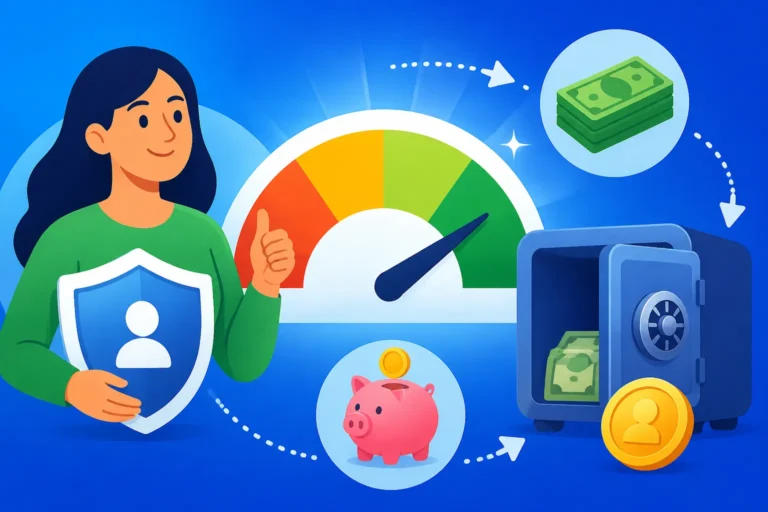
Imagine taking out a small loan, but instead of getting the money upfront, the funds are placed into a locked, interest-bearing certificate of deposit (CD) account or a savings account in your name. You then make fixed monthly payments on this "loan" over a set period, typically 12 to 24 months. Each payment you make is reported to all three major credit bureaus – Equifax, Experian, and TransUnion. Once you've successfully made all your payments, the CD or savings account unlocks, and you receive the money, minus any interest and fees. It's like paying yourself to build credit!
For example, you might agree to a $500 credit builder loan with monthly payments of $49 for 12 months. When you complete the payments, you'll receive your $500 (or slightly less, depending on fees and interest, as the interest is typically on the initial "loan" amount, not what you're depositing). The important part is that for 12 months, you've shown a consistent, positive payment history, which is a goldmine for your credit report. This structure is why services like Self Inc. (the company behind "Self" loans) and other providers like Credit Strong are so popular for those looking to establish credit.
The Difference Between a Self Loan and Traditional Loans
The fundamental difference lies in the disbursement of funds and the primary purpose. With a traditional loan (like a personal loan or car loan), you receive the funds upfront, and your responsibility is to repay them. Lenders assess your creditworthiness and income before approving you. If you don't have a job, getting approved for these is incredibly challenging.
A Self Loan, however, doesn't give you the money initially. Its sole purpose is to help you build a positive payment history. Since the money is held in a secure account and you're essentially paying it to yourself (with interest and fees), the lender has minimal risk. This is why the income requirements for a Self Loan are typically much less stringent, or even non-existent, making them accessible even if you're unemployed. It shifts the focus from your current income to your demonstrated ability to make small, consistent payments. For many, this is the first real opportunity to get a foot in the door.
How a Self Loan Helps Build Credit Without Employment
The beauty of a Self Loan is its ability to directly address the core components of a healthy credit score, even when you're not working. It circumvents the need for traditional income verification by creating a low-risk environment for the lender.
Reporting Payment History to All Three Bureaus
Payment history is the most significant factor in your credit score, accounting for about 35% of your FICO Score. Every on-time payment you make to your Self Loan is diligently reported to Equifax, Experian, and TransUnion. Over time, these consistent positive entries create a robust track record that demonstrates your reliability as a borrower. This is crucial for anyone trying to build credit from scratch or overcome past financial missteps. Without a job, securing traditional credit that reports to all three bureaus can be nearly impossible, but a Self Loan provides that pathway. Consistent, on-time payments are the bedrock of How to Build Credit From Scratch.
Creating a Savings Component
One often overlooked benefit of a Self Loan is its built-in savings mechanism. As you make your monthly payments, the funds accumulate in that locked account. By the time you've completed all your payments, you not only have a significantly improved credit score but also a lump sum of money that you've saved. This can be a fantastic emergency fund, a down payment for a future purchase, or simply a cushion for whatever life throws your way. It's a win-win: you build credit and save money simultaneously, something many credit-building strategies don't offer. This disciplined approach to saving can also help you build a stronger financial foundation, which is incredibly empowering, especially when you're looking for work or transitioning between jobs.
Improving Your Credit Mix
Your "credit mix" accounts for about 10% of your FICO Score. This refers to the different types of credit accounts you have – installment loans (like car loans or mortgages) and revolving credit (like credit cards). If you primarily have credit cards, adding an installment loan through a Self Loan can diversify your credit portfolio. This shows lenders that you can responsibly manage different kinds of debt, which can be seen favorably. For someone with no job, a Self Loan might be one of the few ways to establish this type of installment credit, further solidifying your credit profile and demonstrating financial versatility. Understanding How Credit Scores Work can help you appreciate this benefit.
Here's a quick comparison of how Self Loans stack up against typical challenges when unemployed:
| Feature | Traditional Credit (e.g., Unsecured Credit Card) | Self Loan (Credit Builder Loan) |
|---|---|---|
| Income Requirement | Strict income verification needed | Minimal to no income verification needed |
| Credit Check | Often requires good credit for approval | Usually no hard credit check for approval |
| Upfront Funds | You get access to funds immediately | Funds are locked until loan is paid off |
| Purpose | Access to funds/purchasing power | Primarily to build credit history and savings |
| Risk to Lender | Higher, based on your repayment ability | Lower, as funds are secured |
| Reporting to Bureaus | Yes, if managed well | Yes, reports all on-time payments consistently |
| Built-in Savings | No | Yes, funds accumulate in a savings account |
Practical Steps to Get Started with a Self Loan
Getting started with a Self Loan is relatively straightforward, but there are a few things you'll want to keep in mind to ensure you get the most out of it and build credit effectively.
Meeting Basic Eligibility Requirements
While a Self Loan doesn't require a traditional job, you'll still need to meet some basic criteria. Typically, this includes being at least 18 years old, having a Social Security number or ITIN, and a bank account (checking or savings) where you can set up automatic payments. You'll also need a valid email address and phone number. Some providers might ask for proof of residency. The key here is that they are looking for identity verification and a reliable way to receive your payments, not necessarily a high income. Even if you're not working, as long as you have funds from other sources (like government benefits, a side hustle, or family support) to cover the small monthly payments, you should be good to go.
Choosing the Right Loan Term and Amount
Self Loans come in different sizes and repayment terms. You might see options like a $500 loan repaid over 12 months or a $1,000 loan over 24 months. When you're unemployed, it's crucial to choose a loan amount and term that results in a monthly payment you are absolutely certain you can afford. Don't overextend yourself. A smaller, manageable payment that you consistently make on time is far more valuable for your credit score than a larger one that you struggle to keep up with. Think realistically about your current cash flow and choose a plan that aligns with it. For example, if you can comfortably set aside $25-$50 a month, look for a loan that matches that.
Making Payments Consistently
This is the most critical step. The entire benefit of a Self Loan hinges on your ability to make every single payment on time, every month. Setting up automatic payments from your bank account is highly recommended to avoid any missed payments. Even being a day or two late can negatively impact the positive credit history you're trying to build, and severely diminish the effectiveness of the loan. Think of these payments as an investment in your financial future. Consistency is key, so make sure the money is always available in your account on the due date. This consistent, positive behavior is exactly what helps raise your credit score over time.
Maximizing Your Credit Building Efforts Beyond the Self Loan
While a Self Loan is a powerful tool, especially when unemployed, it's smart to consider other strategies to amplify your credit-building journey. A multi-pronged approach can often yield faster and more significant results.
Exploring Other No-Job, Credit-Building Options
A Self Loan is excellent, but it's not the only way to build credit without a traditional job. Consider these additional avenues:
- Secured Credit Cards: These cards require a cash deposit, which typically becomes your credit limit. Because your deposit secures the card, lenders are more willing to approve applicants with limited or no credit history, regardless of employment status. Just like a regular credit card, using it responsibly (making small purchases and paying them off in full and on time each month) will build positive payment history. Just remember, your credit utilization still matters, so keep your spending low. Many people wonder Should You Keep a Secured Card Open After Upgrading?.
- Authorized User Status: If you have a trusted family member or friend with excellent credit and a long, positive credit history, they might be willing to add you as an authorized user on one of their credit card accounts. Their positive payment history could then appear on your credit report, giving your score a boost. This method requires a lot of trust and open communication, and the primary cardholder must be meticulous with their payments.
- Rent Reporting Services: Companies like Experian Boost (while not directly credit building, it can help) and services that report your rent payments to credit bureaus (e.g., Rental Kharma, LevelCredit) can also help. Since rent is often your largest monthly expense, reporting these on-time payments can significantly impact your credit history, especially if you have a "thin" file. While these often come with a small fee, the benefit of showing consistent on-time payments for a significant bill can be huge.
- Utility Bill Reporting: Similar to rent, some services will report your on-time utility payments (gas, electric, water, internet, phone) to the credit bureaus. Check with your service providers or look into third-party reporting services to see if this is an option for you.
Combining a Self Loan with one or more of these options can accelerate your progress. For instance, using a Self Loan to establish an installment loan history and a secured credit card to show revolving credit management is a very effective strategy.
Monitoring Your Credit Progress Regularly
As you embark on your credit-building journey, it's absolutely vital to keep an eye on your credit reports and scores. You can get a free credit report from each of the three major bureaus once a year at AnnualCreditReport.com. Many credit card companies and financial apps (like Credit Karma or Experian) also offer free credit scores and monitoring.
Regularly checking your credit allows you to:
- Track your progress: See how your Self Loan payments are positively impacting your score and report.
- Spot errors: Occasionally, mistakes can appear on your credit report. If you see something inaccurate, you'll want to dispute it immediately. Learning How to Dispute Credit Report Errors is a valuable skill.
- Guard against identity theft: Unexpected new accounts or inquiries could be a sign of fraud.
By staying proactive and informed, you maintain control over your credit journey and can quickly address any issues that arise. Remember, building credit is a marathon, not a sprint, but consistent effort and monitoring will get you to where you want to be.
Disclaimer
Please note that this content is intended for informational purposes only and does not constitute financial or legal advice. Credit-building strategies can vary in effectiveness based on individual circumstances. Always consult with a qualified financial advisor for personalized advice.