Do Employers Check Your Credit Report?
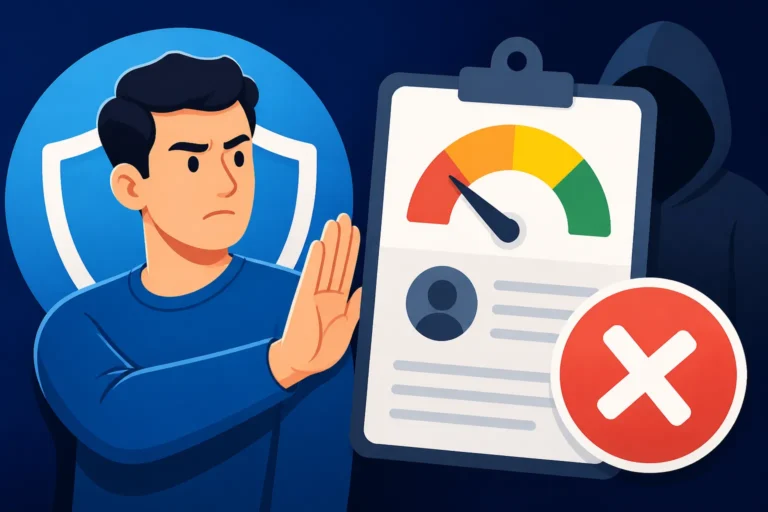
It's a common worry when you're on the job hunt: after perfecting your resume and acing the interview, will a past financial misstep derail your chances? Many job seekers are left wondering if a less-than-perfect credit history will be flagged by potential employers, leaving them feeling vulnerable and anxious. This guide is here to shed light on exactly when and why employers might check your credit report, what information they can access, and what you can do to navigate this often-stressful part of the hiring process.
Understanding Why Employers Check Credit
The idea of a potential employer delving into your financial history can feel incredibly intrusive, and for good reason. It’s natural to feel that your personal finances are just that – personal. However, from an employer’s perspective, especially for certain roles, a candidate’s financial behavior can be seen as an indicator of responsibility, reliability, and even trustworthiness. It's not about judging your wealth, but rather assessing patterns of behavior that might impact the job.
The Rationale Behind Employment Credit Checks
Employers often use credit reports as part of a background check, particularly for positions that involve significant financial responsibilities, access to sensitive data, or require a high level of fiduciary trust. Imagine a role in accounting where you'd be handling company funds, or a high-security position where financial vulnerabilities could make an individual susceptible to bribery or fraud. In these scenarios, an employer might argue that a candidate's credit history provides insight into their overall judgment and integrity.
For instance, if a job requires you to manage a large budget, oversee client investments, or handle company credit cards, an employer might want to ensure you have a track record of managing your own finances responsibly. This isn't about shaming anyone for hardship, but about trying to mitigate potential risks to the business. It’s about more than just your credit score; they're looking for patterns of late payments, bankruptcies, or significant collections that might suggest a struggle with financial commitments.
What's Actually in an Employment Credit Report
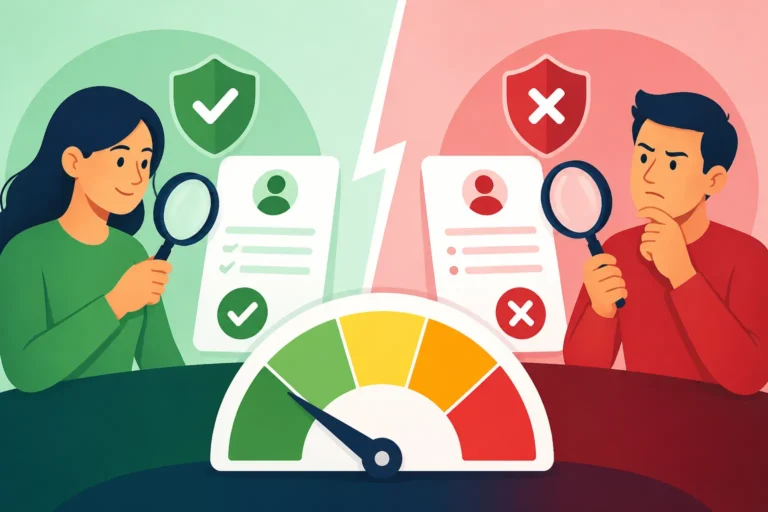
It's crucial to understand that what an employer sees is generally not the same as the full credit report a lender would pull when you apply for a loan or a new credit card. Employers receive a modified version, often called an "employment credit report" or a "consumer report for employment purposes." This report typically omits your actual credit score entirely. So, rest assured, they won't see your FICO Score 8 or your VantageScore 3.0.
Instead, they'll see information like your payment history, public records (such as bankruptcies, judgments, or liens), collection accounts, and past addresses. They'll also see your accounts, but often without specific account numbers. The goal for employers is to identify patterns of financial distress or irresponsibility, not to determine your borrowing capacity. They are looking for red flags that could pose a risk to the company. To get a better grasp of what's typically included and excluded, you might want to learn more about What's on Your Credit Report? Explained.
The Legal Landscape of Employer Credit Checks
The use of credit reports for employment purposes isn't a free-for-all. There are federal and state laws in place designed to protect job applicants and ensure fairness. Understanding these regulations is key to knowing your rights as a job seeker.
Federal Laws and Your Rights
The primary federal law governing employment credit checks is the Fair Credit Reporting Act (FCRA). This act ensures accuracy, fairness, and privacy of consumer information contained in the files of consumer reporting agencies. Under the FCRA, an employer must jump through a few hoops before they can even think about pulling your credit report:
- Disclosure: They must provide you with a clear, separate written disclosure that they intend to obtain a credit report for employment purposes. This can't be buried in a job application.
- Written Consent: You must provide written permission for the employer to obtain your credit report. If you don't consent, they can't get it. Of course, refusing consent might impact your job offer.
- Pre-Adverse Action Notice: If an employer decides not to hire you based in whole or in part on information in your credit report, they must first provide you with a "pre-adverse action notice." This notice includes a copy of the credit report they reviewed and a summary of your rights under the FCRA. This gives you a chance to review the report, dispute any inaccuracies, and explain any negative information.
- Adverse Action Notice: After giving you a reasonable amount of time (typically at least five business days) to respond to the pre-adverse action notice, they can then issue a final adverse action notice if they proceed with not hiring you.
These steps are designed to give you a fair shot and prevent you from being blindsided by credit-related decisions. It's a system to allow for transparency and the opportunity to correct errors, because credit reports, unfortunately, aren't always perfect. You can also explore How to Dispute Credit Report Errors (Step-by-Step) if you find mistakes.
State-Specific Restrictions
While the FCRA provides a federal baseline, many states have enacted their own laws that further restrict or even prohibit the use of credit checks for employment. These state laws are often more stringent than the FCRA, offering additional protections to job applicants. For example, states like California, Colorado, Connecticut, Delaware, Hawaii, Illinois, Maryland, Nevada, New Jersey, New York, Oregon, Vermont, and Washington have laws that significantly limit or prohibit employers from using credit reports for most hiring decisions.
These state laws typically carve out exceptions for specific types of jobs, such as those that require access to confidential financial information, law enforcement positions, or roles where a credit check is mandated by federal law. So, if you're applying for a job in, say, Honolulu, Hawaii, it's highly unlikely your credit report will be part of the equation unless it's for a very specific financial or security role. Always check the specific laws in your state, as they can vary widely.
Here’s a quick overview of some states and their general stances on employer credit checks (always confirm with up-to-date state legislation):
| State | General Rule on Employment Credit Checks | Common Exceptions |
|---|---|---|
| California | Prohibits credit checks unless the position is one of specified categories (e.g., manager, law enforcement, access to confidential info, required by law) or the information is "job-related." | Managerial positions, law enforcement, jobs requiring access to specified confidential or proprietary information, jobs where a credit check is required by law. |
| Colorado | Generally prohibits credit checks, with exceptions for positions involving significant financial responsibility, state/local government, or positions requiring bonding. | Positions requiring significant financial responsibility, state or local government employment, positions requiring a credit check by law, or positions requiring the employee to be bonded. |
| Connecticut | Prohibits credit checks unless the employer is a financial institution, it's required by law, or the job involves a security clearance or access to trade secrets/confidential info. | Financial institutions, positions requiring a security clearance, positions where a credit report is required by law, positions with access to trade secrets or confidential information. |
| Illinois | Generally prohibits credit checks, with exceptions for positions involving specific financial responsibilities, access to trade secrets, or law enforcement. | Law enforcement, jobs requiring access to financial information above a certain threshold, state-mandated roles, jobs requiring access to trade secrets, jobs requiring bonding. |
| New York | Prohibits credit checks unless it's a "financial services employer," required by state/federal law, for certain public service positions, or if the report is "substantially related" to the job and specific criteria are met. | Financial services industry jobs, positions with signatory authority over third-party funds worth $10,000+, law enforcement, positions with access to trade secrets. |
| Texas | No specific state law prohibiting employer credit checks, so federal FCRA rules apply. | N/A (FCRA rules apply: disclosure and consent required). |
This table highlights just a few states, but it underscores the importance of knowing your local laws. This patchwork of regulations means that what's permissible in one state, like Texas (where FCRA applies without additional state restrictions), might be entirely restricted in another, like New York.
What Your Employment Credit Report Doesn't Show and Why It Matters
One of the biggest misconceptions about employment credit checks is that they’re identical to a loan application credit check. They’re absolutely not, and understanding these differences can alleviate a lot of anxiety. The modified report employers see is deliberately curated to provide relevant information without unfairly discriminating or revealing overly personal details.
No Credit Score
Let's say it again for emphasis: employers do not see your actual credit score. Whether you have a FICO Score of 550 or an impressive 800, that number isn't typically shared with a prospective employer. Credit scores are designed to predict lending risk – how likely you are to repay a loan. This isn’t directly relevant to your ability to perform a job, even one with financial responsibilities. The credit bureaus and lawmakers recognized this distinction, creating a separate reporting mechanism for employment purposes.
Instead of a score, employers see a summary of your credit history, looking for patterns. Are there multiple accounts in collections? Any recent bankruptcies? A high number of late payments across various accounts? These are the types of details that might give an employer pause, rather than a single numerical score. This is an important distinction, as many people panic at the thought of their credit score being judged. Rest easy on that front.
Protected Information
Beyond the credit score, an employment credit report is stripped of several other pieces of personal information that would typically appear on a full consumer credit report. These often include:
- Date of Birth: To prevent age discrimination.
- Marital Status: To prevent discrimination based on family status.
- Child Support Obligations: Considered private financial matters.
- Medical Information: Any debts related to medical care are usually excluded, as they often stem from unforeseen circumstances and are not indicative of financial irresponsibility. For example, if you're struggling with high medical bills, these typically won't appear on the report an employer sees. If you do have medical bills showing up incorrectly or causing issues, you might want to learn How to Remove Medical Bills From Your Credit Report.
- Account Numbers: Your full credit card or loan account numbers are redacted for security and privacy.
The intent behind these exclusions is to focus solely on job-related financial behavior and prevent employers from making decisions based on protected characteristics or highly personal circumstances that are outside an applicant's control or not relevant to job performance.
Soft Pull vs. Hard Pull
Another crucial difference is the type of inquiry made. When a lender checks your credit for a new loan or credit card, it typically results in a "hard inquiry" (often called a "hard pull"). These hard pulls can temporarily ding your credit score by a few points and remain on your report for up to two years.
However, employment credit checks are almost always soft inquiries (or "soft pulls"). A soft inquiry happens when you check your own credit, or when certain businesses, like potential employers, pull a limited version of your report for informational purposes. The good news? Soft inquiries do not affect your credit score and are usually only visible to you. So, an employer checking your credit won't negatively impact your ability to get a car loan or a mortgage down the road. This distinction is vital, and you can delve deeper into What Is a Soft Inquiry vs a Hard Inquiry? to understand the nuances.
Preparing for an Employer Credit Check
While the thought of an employer reviewing your credit history can be daunting, there are proactive steps you can take to ensure you’re prepared and confident. Being informed and taking action can make a world of difference.
Check Your Own Credit Report Proactively
This is perhaps the single most important step. Before you even start applying for jobs, or as soon as you know an employer might check your credit, pull your own reports. You are entitled to a free copy of your credit report from each of the three major credit bureaus – Equifax, Experian, and TransUnion – once every 12 months through AnnualCreditReport.com. This is the only truly free, federally mandated source.
Take the time to carefully review each report. Look for any inaccuracies, outdated information, or accounts you don't recognize. These reports can sometimes be full of errors, from incorrect addresses to mistaken payment histories, and even fraudulent accounts if you've been a victim of identity theft. Knowing exactly what's on your report empowers you to address any issues before they become a problem with a potential employer. For a deep dive, check out How to Read Your Credit Report (2026 Guide).
Dispute Any Inaccuracies
If you find errors on your credit report, don't panic, but don't ignore them either. You have the right to dispute inaccurate information with the credit bureaus. Gather any supporting documentation you have (like payment confirmations or statements) and follow the dispute process for each bureau where the error appears. This could involve sending a letter or submitting a dispute online. The bureaus are legally required to investigate your dispute, usually within 30 days.
Correcting errors can be time-consuming, so starting this process well before you anticipate a credit check is crucial. Imagine losing out on a dream job because of a collection account that wasn't even yours! Being proactive can prevent such headaches. If you've been hit with negative items, understanding How to Remove Negative Items From Your Credit Report can be incredibly helpful.
Transparency and Communication
If you know there are legitimate issues on your credit report – perhaps a past bankruptcy, a string of late payments due to a job loss, or significant medical debt – consider being proactive with a potential employer. This isn't about confessing every financial struggle, but about offering context if asked, or even addressing it pre-emptively if you feel it's a make-or-break situation for a specific role.
For example, if you had a significant medical emergency that led to accumulating debt, and the job is for a financial role, you might consider preparing a brief, professional explanation. Frame it as a lesson learned and highlight how you've since taken steps to manage your finances more effectively. Transparency, especially when coupled with a clear explanation and demonstrable steps toward improvement, can often be viewed more favorably than simply letting the report speak for itself. It shows honesty and accountability.
Addressing Less-Than-Perfect Credit When Job Hunting
It's an unfortunate reality that many people face financial difficulties at some point in their lives. These challenges don't define your work ethic or capabilities, but they can show up on an employment credit report. If your credit history isn't sparkling, there are still ways to approach the job search with confidence.
Understanding the "Why" Behind Your Report
Before you can explain anything to an employer, you need to understand it yourself. Why does your credit report look the way it does? Was it a period of unemployment? A medical crisis? A divorce? Identity theft? Often, negative marks on a credit report are due to life events that are largely out of our control. It's easy to feel ashamed, but remember that many people face similar struggles.
Knowing the root cause allows you to provide a concise, factual explanation if the topic arises during the hiring process. It's not about making excuses, but about providing context. For instance, explaining that a significant portion of your debt came from unexpected medical emergencies rather than reckless spending can change an employer’s perception. Being able to articulate how you managed the crisis and what you've learned shows maturity and resilience.
Proactive Steps to Improve Your Financial Footprint
Even if you're actively job hunting, it's never too late to start improving your credit. Employers, like lenders, appreciate seeing a trend of positive financial behavior. This doesn't mean you have to fix everything overnight, but taking demonstrable steps shows responsibility.
Consider strategies like:
- Secured Credit Cards: These cards require a deposit, making them easier to obtain even with bad credit. Using them responsibly and paying on time builds positive payment history.
- Credit Builder Loans: Products like those offered by Credit Strong are specifically designed to help individuals build credit by reporting on-time payments for a small loan that’s held in a savings account until paid off. This is a fantastic way to establish a positive payment history and show you're committed to financial improvement. If you're looking to proactively beef up your credit file while working on paying down older debts, exploring options like Credit Strong can be a strategic move. Many people find these types of loans, sometimes called "Credit Builder Loans Explained (Self, Kikoff & More)," to be very effective.
- Authorized User Status: Becoming an authorized user on someone else's well-managed credit card can add their positive payment history to your report.
- Regular, On-Time Payments: Even small debts, if paid consistently, can begin to turn the tide.
Showing an employer that you’re actively working to improve your financial situation can be a powerful counter-narrative to past issues. It demonstrates responsibility and a forward-thinking mindset. For a more comprehensive plan, refer to How to Raise Your Credit Score (Step-by-Step) or How to Build Credit From Scratch (2026 Guide).
Focus on What You Can Control
Remember, a credit report is just one piece of the puzzle. If you know your credit history isn't ideal, double down on all the other aspects of your application.
- Impeccable Resume and Cover Letter: Highlight your skills, achievements, and qualifications that are directly relevant to the job.
- Strong References: Line up professional references who can vouch for your work ethic, reliability, and character. A glowing recommendation can easily outweigh minor credit concerns.
- Outstanding Interview Performance: Prepare thoroughly, articulate your value, and demonstrate your enthusiasm and problem-solving abilities.
- Highlight Relevant Experience: Focus on how your past roles have prepared you, irrespective of financial background.
An employer who sees a candidate with excellent qualifications, strong references, and a compelling interview, coupled with a transparent explanation for any credit issues and a plan for improvement (perhaps even showing initiative through a product like Credit Strong), is much more likely to overlook past financial hiccups. They want to hire the best person for the job, and your overall profile is what truly matters.
Industry-Specific Considerations for Credit Checks
While federal and state laws provide a framework, the likelihood of an employer checking your credit report often boils down to the industry and the specific role you're applying for. Some sectors inherently require a closer look at financial responsibility than others.
Jobs Where Credit Checks Are More Common
Certain professions, by their very nature, involve a high degree of trust, financial oversight, or national security, making credit checks a standard part of the background investigation. If you're applying for roles in these areas, you should almost certainly anticipate a credit inquiry:
- Financial Services: This includes positions at banks, credit unions, investment firms, and accounting agencies. Any role that involves handling money, managing client assets, or making financial decisions is a prime candidate for a credit check. Think loan officers, financial advisors, or internal auditors.
- Government and Law Enforcement: Federal, state, and local government jobs, particularly those requiring security clearances, frequently involve extensive background checks, including credit reports. This also extends to positions in law enforcement agencies, intelligence communities, and roles involving public trust.
- Executive and Managerial Positions: Jobs that grant access to proprietary company information, trade secrets, or significant organizational assets, especially at a senior level, are often subject to credit checks. This is because high-level positions carry greater responsibility and potential for financial misconduct.
- Positions with Fiduciary Responsibilities: Any role where you are legally or ethically obligated to act in the best financial interest of another party (an individual, a company, or a client) will likely involve a credit check. This could include roles in real estate, insurance, or certain legal professions.
- Roles Requiring Bonding: Some jobs require employees to be bonded, meaning an insurance company guarantees that they will perform their duties honestly. These bonding companies often require a credit check on the individual before issuing a bond.
In these sectors, a clean financial slate is often viewed as a fundamental requirement for the job, signaling stability and a lower risk of internal theft or fraud.
Jobs Where Credit Checks Are Less Likely
Conversely, many industries and job types are far less likely to involve a credit check. If your credit history is a significant concern, focusing your job search on these areas might be a strategic move.
- Retail and Food Service: Most entry-level and even many supervisory roles in retail stores, restaurants, and hospitality do not typically conduct credit checks. The focus here is usually on customer service skills, reliability, and personality.
- Creative and Arts Professions: Artists, designers, writers, musicians, and other creative professionals are rarely subjected to credit checks. Their financial history has little to no bearing on their creative output or professional skill.
- Trade and Manual Labor: Electricians, plumbers, carpenters, construction workers, and other skilled tradespeople or manual laborers generally do not have their credit reports pulled for employment. The emphasis is on their technical skills, certifications, and physical capabilities.
- Many Entry-Level Roles: For many entry-level positions across various industries, the cost and time involved in conducting a credit check are simply not deemed worthwhile or relevant to the job's duties. Employers prioritize other factors like enthusiasm, basic skills, and willingness to learn.
- Industries in States with Strict Laws: As discussed earlier, if you're applying in states like California, New York, or Illinois, where credit checks are heavily restricted, the likelihood of an employer pulling your credit report is significantly reduced, regardless of the industry, unless it falls under one of the specific legal exceptions.
While it's never a guarantee, understanding these general tendencies can help you tailor your job search and manage your expectations regarding credit checks. Ultimately, your skills, experience, and character remain the most important factors for most employers.
Disclaimer
This article is for general informational purposes only and does not constitute professional advice. Laws, prices and regulations vary by location and change over time. Consult a qualified professional for guidance on your specific situation.