How to Dispute Fraudulent Accounts
Discovering a fraudulent account on your credit report can feel like a punch to the gut. It's not just a number on a page; it's a violation, a sinking feeling that someone has hijacked your financial identity, leaving you to clean up a mess you didn't create. This guide is here to walk you through the essential steps to identify, dispute, and ultimately remove those unwelcome, fraudulent accounts from your credit report, helping you reclaim your peace of mind and protect your financial future.
Recognizing the Red Flags of Fraudulent Accounts: The Early Warning Signs
Often, the first sign of a fraudulent account isn't a bill, but a subtle change on your credit report or an unexpected communication. It's crucial to be vigilant and know what to look for, because catching these issues early can save you a world of headache and financial damage down the line. Regularly checking your credit reports is your first line of defense; you can learn more about this in our guide on How to Get Your Free Credit Report.
Unexpected Accounts or Inquiries
One of the most common indicators of fraud is simply seeing something you don't recognize. Imagine pulling your credit report and finding an account for a credit card you never applied for, a loan you never took out, or even a utility bill in a city you've never lived in. These are glaring red flags.
It’s not just open accounts, either. Keep an eye out for "hard inquiries" you didn't authorize. A hard inquiry happens when a lender checks your credit because you've applied for new credit, like a mortgage, car loan, or new credit card. If you see a hard inquiry from a company you haven't interacted with, it could mean a fraudster tried to open an account in your name. While one hard inquiry might seem small, multiple unauthorized inquiries could signal a coordinated attempt at identity theft. These inquiries can also ding your credit score, so understanding their impact and how to address them is vital. Our guide on How to Remove Hard Inquiries From Your Credit Report can provide more specific steps if this is your primary concern.
Unfamiliar Personal Information
Your credit report isn't just about accounts; it's also a record of your personal information. Fraudsters don't always create entirely new identities; sometimes they just tweak yours. Look for incorrect names, misspelled addresses, or phone numbers you don't recognize. For instance, if you suddenly see an old address listed that you haven't lived at in years, or a variation of your name that isn't yours, it could be a sign that someone is trying to establish a false identity using your information.
These seemingly minor discrepancies can be used by fraudsters to open accounts or divert mail, making it harder for you to detect their activities. Always make sure your personal details are accurate on all three major credit bureau reports – Equifax, Experian, and TransUnion – as inconsistencies can not only be signs of fraud but can also make it harder for legitimate lenders to verify your identity. If you're wondering what other details are typically found on these reports, our comprehensive guide on How to Read Your Credit Report (2026 Guide) offers a detailed breakdown.
Debt Collection Calls for Unrecognized Debts
Perhaps one of the most stressful ways to discover a fraudulent account is through persistent calls from debt collectors for debts you never incurred. You might suddenly receive demands for payment on an old medical bill from a hospital you've never visited, or a credit card balance from a bank you don't even have an account with. This situation is incredibly frustrating because you're being harassed for something that isn't yours, and it can feel overwhelming trying to prove a negative.
These collection efforts often mean that a fraudulent account has gone unpaid, been charged off, and then sold to a third-party debt collector. It’s a clear indication that a fraudster successfully opened and utilized credit in your name. It's important to never acknowledge ownership of the debt or make any payments if you suspect it's fraudulent. Instead, you'll want to focus on disputing the debt and getting the collection removed from your credit report. Remember, your credit score is heavily influenced by your payment history and amounts owed, as detailed in our article on What Affects Your Credit Score? The 5 Factors.
Your First Move: Immediate Actions Against Fraud
Finding a fraudulent account is alarming, but panic won't help. What will help is taking swift, decisive action. The quicker you act, the less damage a fraudster can do and the easier it will be to clear your name.
Gather Your Evidence
Before you do anything else, you need to arm yourself with information. This isn't just about proving the account isn't yours; it's about building a solid case to present to creditors and credit bureaus. Start by meticulously documenting everything.
Here’s what you should gather:
- Copies of your credit reports: Get reports from all three major bureaus (Equifax, Experian, and TransUnion) as they might contain different information. Highlight every single item you believe to be fraudulent.
- Correspondence related to the fraudulent account: This could include collection letters, emails, or any bills you might have received.
- Personal identification documents: Copies of your driver's license, Social Security card, and any other IDs that prove your identity.
- Proof of address: Utility bills, bank statements, or rental agreements that show your legitimate residency.
- Any notes from calls: If you've already called any creditors or collectors, note down the date, time, who you spoke to, and what was discussed.
The more detailed your evidence, the stronger your case will be. Keep copies of everything you send and receive, and consider sending important documents via certified mail so you have proof of delivery.
Contact the Creditor Directly
Once you've spotted a fraudulent account on your report, don't wait for the credit bureaus to investigate. Your immediate next step should be to contact the creditor or lender directly where the fraudulent account was opened. For example, if you see a Chase credit card you didn't open, call Chase’s fraud department.
When you call, explain clearly and calmly that you believe a fraudulent account has been opened in your name. Provide them with the account number (if you have it) and your personal details. They will likely open an investigation. Request a written confirmation that they are investigating the fraud and ideally, a statement that the account has been closed and removed from your name. If you've been a victim of credit card fraud specifically, our guide on How to Recover From Credit Card Fraud provides additional targeted advice.
Place a Fraud Alert or Credit Freeze
These are two of the most powerful tools you have to protect yourself from further identity theft once you've discovered fraud.
-
Fraud Alert: A fraud alert tells creditors to take extra steps to verify your identity before opening a new account or increasing a credit limit in your name. This usually means they have to call you at a phone number you provide to confirm it's really you. An initial fraud alert lasts for one year and is free. You only need to place it with one of the three credit bureaus; that bureau is then required to notify the other two. Our guide on What Is an Extended Fraud Alert? details how to get a longer-lasting alert.
-
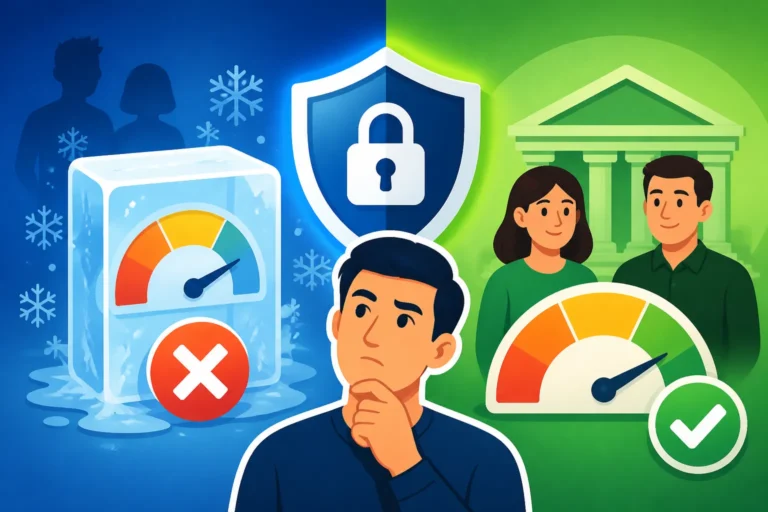
Credit Freeze: A credit freeze (also known as a security freeze) is even stronger. It completely restricts access to your credit report, meaning no new credit can be opened in your name unless you temporarily "thaw" or "unfreeze" your report. This is an excellent way to prevent further fraudulent accounts from being opened. Freezing your credit is free and doesn't impact your credit score. You must place a freeze with each of the three credit bureaus individually: Equifax, Experian, and TransUnion. Our step-by-step guide on How to Freeze Your Credit (All 3 Bureaus) can walk you through the process. Decide which option is best for your situation, but often, a credit freeze is the most secure choice after discovering fraud.
Navigating the Dispute Process with Credit Bureaus
After you've taken immediate steps with the individual creditor and protected your credit, the next major hurdle is disputing the fraudulent accounts with the credit reporting agencies themselves. This is a critical step to ensure these negative entries are permanently removed from your credit history. Our broader article, How to Dispute Credit Report Errors (Step-by-Step), provides an excellent foundation for this process.
Reporting to Equifax, Experian, and TransUnion
You must dispute the fraudulent account with each credit bureau that is reporting it. Remember, these bureaus often have slightly different information, so a dispute with one doesn't automatically clear it from the others.
Each bureau offers online, mail, and sometimes phone options for disputes. While online is often the fastest, mailing a dispute letter with supporting documents (sent via certified mail with return receipt requested) provides a clear paper trail, which can be invaluable if further issues arise.
When disputing, you'll need to clearly identify:
- Your personal information: Full name, address, Social Security number, and date of birth.
- The specific account you're disputing: Account name, number, and why you believe it's fraudulent (e.g., "This account was opened fraudulently; I never applied for or authorized this account.").
- Supporting documents: Include copies (never originals!) of your ID, proof of address, any communication from the fraudulent creditor, and especially an Identity Theft Report from the Federal Trade Commission (FTC), which we'll discuss next.
Crafting Your Dispute Letter
A well-crafted dispute letter is your most effective tool. It should be concise, professional, and directly state the facts. You don't need to write an emotional appeal; just present the evidence.
Here's a breakdown of what your dispute letter should include:
- Your Contact Information: Name, address, phone, and email.
- Date: When you're sending the letter.
- Credit Bureau's Address: Address for the specific bureau you're writing to.
- Clear Subject Line: "Dispute of Fraudulent Account – [Your Name] – [Account Number]"
- Statement of Fraud: Clearly state that the account is fraudulent and was not opened by you.
- Account Details: Provide the name of the creditor and the account number as it appears on your report.
- Demand for Removal: Request that the fraudulent account be promptly removed from your credit file.
- Enclosed Documents: List all the supporting documents you are including.
- Your Signature: Sign the letter.
Example Dispute Letter Template (Simplified)
| Section | Details to Include |
|---|---|
| Your Information | Full Name, Current Address, Phone Number, Date of Birth, Social Security Number |
| Date | Month Day, Year |
| Credit Bureau | Credit Bureau Name Credit Bureau Dispute Address |
| Subject | Dispute of Fraudulent Account – [Your Name] – [Account Number] |
| Body | "I am writing to dispute the following account that appears on my credit report. I assert that this account is fraudulent and was not opened or authorized by me." "Account Name: Creditor Name" "Account Number: [Account Number]" "Reason for Dispute: This account was opened due to identity theft. I have never applied for this account, nor have I ever authorized anyone to open it on my behalf." "I request that this fraudulent account be immediately removed from my credit report." |
| Enclosures | List of attached documents (e.g., "Copy of Identity Theft Report (FTC)", "Copy of Driver's License", "Proof of Address") |
| Closing | "Sincerely," "Your Signature" "Your Typed Name" |
Following Up and What to Expect
Once you've sent your dispute, the credit bureaus have a specific timeframe to investigate, typically 30 days (or 45 days if you provided additional information during the investigation period). During this time, they will contact the creditor that reported the information to verify its accuracy.
You should receive communication from the credit bureaus regarding the status of your dispute. If their investigation confirms the account is indeed fraudulent, it will be removed from your report. If the creditor verifies the account as legitimate, the item might remain. In such cases, you’ll need to escalate your efforts, potentially by providing additional evidence, filing a more comprehensive police report, or even seeking legal counsel. Our guide on What Happens After You File a Credit Dispute? offers more insights into this follow-up process.
It’s worth noting that if you’re trying to build credit, especially after experiencing issues like fraud, ensuring accuracy on your report is paramount. Services that help monitor or build credit, like Credit Strong, focus on establishing a positive payment history through credit builder loans, but these efforts can be undermined by lingering fraudulent accounts. Always prioritize cleaning up fraud before aggressively building new credit.
Securing Your Future: Additional Steps and Prevention
Disputing fraudulent accounts is a big step, but it’s just one part of protecting your financial life. To truly safeguard yourself and prevent future issues, you need to take a few more critical actions and adopt ongoing vigilance.
File an Identity Theft Report with the FTC
This is arguably the most important step beyond contacting the bureaus and creditors. The Federal Trade Commission (FTC) is the government agency responsible for consumer protection, and they provide an invaluable resource: IdentityTheft.gov. Here, you can file an official Identity Theft Report.
Why is this so crucial? An official FTC Identity Theft Report serves as a recognized legal document that states you are a victim of identity theft. Many creditors and credit bureaus require this report to process disputes and close fraudulent accounts. It also grants you certain rights, such as getting fraudulent information blocked from your credit report and obtaining free copies of documents related to the fraud.
The process is straightforward: visit IdentityTheft.gov, follow the prompts, and provide as much detail as possible about the fraudulent accounts and any other identity theft incidents you’ve experienced. Once completed, print a copy of your report and keep it safe, as you’ll need to provide it when disputing with the credit bureaus and possibly to other institutions. This report is fundamental to the process of How to Report Identity Theft to the Credit Bureaus.
Report to Law Enforcement
While not always necessary for every minor instance of fraud, if you've experienced significant identity theft, especially with multiple fraudulent accounts or large sums involved, filing a police report is a sensible next step. A police report can provide an additional layer of verification that you are a victim and not responsible for the debt.
Contact your local police department and inform them that you are a victim of identity theft. Bring your FTC Identity Theft Report and any other evidence you've gathered. The police may or may not open a full investigation, but having an official report from law enforcement can carry significant weight with creditors and credit bureaus. Make sure to get a copy of the police report or at least the report number.
Monitor Your Credit and Accounts
Unfortunately, identity theft isn't a one-and-done event. Once your personal information has been compromised, you remain a target. Ongoing vigilance is absolutely essential to catch any new fraudulent activity quickly.
- Regularly check your credit reports: Commit to reviewing your credit reports from all three bureaus at least once a year, if not more frequently, through AnnualCreditReport.com. This ensures you catch any new issues that might arise.
- Utilize credit monitoring services: Many services, both free and paid, can alert you to suspicious activity on your credit report, such as new accounts being opened, hard inquiries, or changes to your personal information. Free options like Credit Karma or services offered by banks can be a good start, but paid services often offer more robust protection and faster alerts. You might want to explore whether Credit Monitoring: Is It Worth It? for your specific needs.
- Review bank and credit card statements: Scrutinize all your financial statements monthly for any unauthorized transactions, even small ones. Fraudsters often test accounts with small charges before making larger ones.
- Consider identity theft protection services: For an added layer of security, you might consider subscribing to an identity theft protection service. These services often include credit monitoring, identity restoration assistance, and sometimes even insurance coverage for expenses related to identity theft.
- Build positive credit: As you work to clear your report, focus on building and maintaining a positive credit history. This can make fraudulent activity easier to spot because it will stand out against a backdrop of responsible credit use. Tools like a credit builder loan or a secured credit card (which some platforms like Credit Strong offer) can help you establish a strong payment history and demonstrate financial responsibility. This can be an effective way to rebuild your credit after the trauma of identity theft. If you're starting from scratch, you might find our guide on How to Build Credit From Scratch (2026 Guide) very helpful.
Staying proactive and informed is your best defense against the ongoing threat of identity theft. While it's an arduous process, successfully disputing fraudulent accounts and securing your financial life is absolutely achievable with persistence and the right steps.
Disclaimer
The information provided in this guide is intended for general informational purposes only and does not constitute legal, financial, or professional advice. Always consult with a qualified legal or financial professional for advice tailored to your specific situation. Credit reporting laws and regulations can change, and individual circumstances vary.