Does a Credit Freeze Stop Existing Creditors?
One of the biggest worries when you're thinking about taking control of your financial security by freezing your credit is whether it will mess up your existing accounts. Many folks are concerned that if they put a freeze on their credit, their current credit cards will stop working, or their utility bills won't get paid. This guide is here to clear up that confusion and assure you that your existing financial relationships are generally safe and sound.
The Core Purpose of a Credit Freeze
Let's start by demystifying what a credit freeze actually is and isn't. It's a powerful tool, but like any tool, it has a specific job. Understanding its fundamental purpose will alleviate most of your concerns about its impact on your day-to-day financial life.
What a Credit Freeze Actually Does
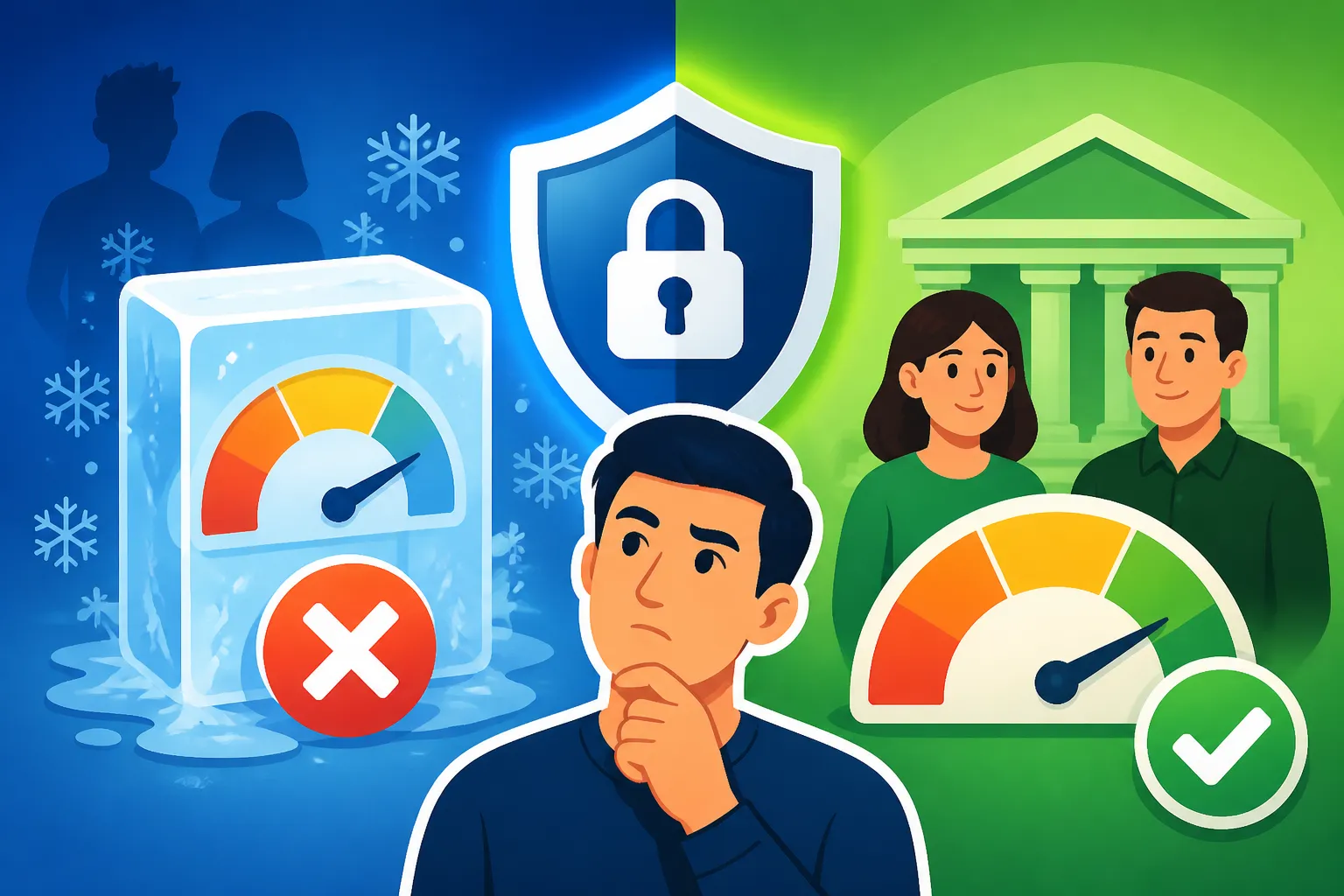
Imagine your credit report as a vault. When you apply for new credit – whether it's a new credit card, a car loan, or a mortgage – a potential lender or service provider needs to "look inside" that vault. They do this by performing what's known as a hard inquiry on your credit report. A credit freeze is essentially slamming and locking the door to that vault. It prevents credit bureaus (Equifax, Experian, and TransUnion) from releasing your credit report to new potential creditors.
This means that if an identity thief tries to open a credit card in your name, apply for a personal loan, or even get a new utility service without your knowledge, the credit bureau simply won't release your credit file. Without access to your credit history, these new applications are usually denied, effectively stopping the fraud in its tracks. It's a fantastic proactive measure against identity theft, giving you peace of mind that new unauthorized accounts can't easily be opened in your name. For a deeper dive into protecting yourself, you might want to read our comprehensive guide on How to Freeze Your Credit (All 3 Bureaus).
Why Existing Creditors Aren't Directly Affected
Here's the crucial point: a credit freeze is designed to block new access to your credit report, not disrupt established relationships. Your existing creditors already have a contractual agreement with you and have access to your credit report through ongoing soft inquiries or through their initial hard inquiry when you first opened the account. Think of it this way: the door to your credit vault is locked for strangers, but your trusted friends (your current lenders) already have a key.
This means you can continue to use your credit cards, pay your mortgage or car loan, and manage all your existing accounts as you normally would. The freeze doesn't stop your credit card company from reporting your payments (or missed payments) to the credit bureaus. It also doesn't prevent them from sending you statements or receiving your payments. Your existing utility providers, phone companies, and landlords will also continue to operate as usual, as they typically don't need to pull a new hard inquiry on your credit for existing services. The goal is to safeguard against new threats, not to put your current financial life on hold.
Navigating Your Current Accounts with a Credit Freeze
Having a credit freeze in place doesn't mean you have to drastically change how you manage your money. In fact, for most day-to-day financial activities, you won't notice a difference. However, there are a few specific scenarios where you might need to be aware of the freeze.
Business as Usual for Most Transactions
For the vast majority of your financial life, a credit freeze won't change a thing. You can continue to swipe your credit cards for purchases, make online payments, and pay off your balances without any hiccups. Your mortgage lender will still process your monthly payments, and your auto loan company will do the same. Even things like student loan payments or personal loan installments will proceed exactly as they always have. The credit bureaus will still receive updates from your creditors regarding your payment history, your balances, and your credit limits. This ongoing reporting is essential for your credit score to accurately reflect your financial behavior.
This continued reporting is actually a good thing! It means that even with a freeze, you're still building positive credit history (assuming you're paying on time). Services like Credit Strong, which are designed to help you build or rebuild credit by reporting positive payment history, continue to be relevant. While Credit Strong itself might require a credit check to open an initial account (which would necessitate a temporary unfreeze), once established, its ongoing reporting of responsible payments will still contribute to your credit history, even if other parts of your file are frozen to new inquiries. Regularly checking How to Read Your Credit Report (2026 Guide) and seeing these updates lets you know your financial actions are still counted.
Exceptions and Nuances: When a Freeze Might Matter
While a credit freeze doesn't affect standard transactions or existing credit reporting, there are a few situations involving existing creditors where you might encounter an issue or need to temporarily lift the freeze. These typically involve instances where your existing creditor needs to perform a new hard inquiry or a significant re-evaluation of your creditworthiness.
For example, if you ask your current credit card provider for a credit limit increase, they might perform a hard pull on your credit report. If your credit is frozen, this request would likely be denied until you unfreeze your credit. Similarly, if you decide to refinance an existing loan, like your mortgage or car loan, the new lender (even if it's your current bank) will almost certainly need to pull your credit report, requiring you to temporarily unfreeze. Applying for a new product from an existing lender, such as opening a new credit card with your bank where you already have a checking account, would also be blocked by a freeze, as it constitutes a new extension of credit. Understanding the difference between a What Is a Hard Pull and Who Can Make One? and a soft pull can help you anticipate when a freeze might pose a temporary barrier.
Protecting Against Fraud on Existing Accounts
A credit freeze is an excellent defense against new accounts being opened in your name, but it's important to understand that it doesn't offer complete protection against all types of fraud. Identity thieves can sometimes gain access to your existing accounts, which a freeze won't prevent.
Beyond the Credit Freeze: Other Layers of Security
A credit freeze is your frontline defense for new credit. But what about your existing accounts? If an identity thief manages to get hold of your credit card number, for instance, they can still use your existing card. A credit freeze won't stop this kind of activity because it's not a new credit application; it's unauthorized use of an already established line of credit. This is why a multi-layered approach to security is so crucial.
One important step is to place a fraud alert on your credit report. While a credit freeze blocks all new credit applications, a fraud alert requires businesses to take extra steps to verify your identity before extending new credit. This is particularly useful if you're concerned about someone misusing your existing accounts or attempting to open new ones in your name. You can learn more about how to do this in our guide on How to Place a Fraud Alert on Your Credit. Beyond that, regularly checking your credit reports for free through services like AnnualCreditReport.com is vital. You should also set up transaction alerts with your bank and credit card companies so you're notified immediately of any suspicious activity. Many financial institutions offer robust credit monitoring services that can alert you to changes on your report.
What to Do If an Existing Account Is Compromised
If you discover that one of your existing credit accounts has been compromised – maybe you see unauthorized charges on your credit card statement or a mysterious withdrawal from your checking account – a credit freeze won't be your first line of defense. Instead, you need to act quickly and decisively.
The very first step is to contact the specific creditor or financial institution directly. Report the fraud immediately. They will guide you through their process, which usually involves canceling the compromised card or account and issuing a new one. Next, it's highly advisable to file an identity theft report with the Federal Trade Commission (FTC). This report is a critical document that can help you dispute fraudulent accounts and charges. You might also need to file a police report, especially if you know who the perpetrator is or if the financial institution requires it. Additionally, consider adding a What Is a Consumer Statement on a Credit Report? to your credit file to notify future creditors of your situation. For a comprehensive plan, check out What to Do If You're a Victim of Identity Theft.
Practical Considerations for Living with a Credit Freeze
Implementing a credit freeze is a smart move for protecting your financial identity. However, it's not a set-it-and-forget-it solution if you ever anticipate applying for new credit. You'll need to know how to manage it efficiently.
The Process of Freezing and Unfreezing
Freezing your credit is a relatively straightforward process, and importantly, it's free. You must place a separate freeze with each of the three major credit bureaus: Experian, Equifax, and TransUnion. This means you'll need to contact each bureau individually to initiate the freeze. Each bureau will provide you with a PIN or a password, which is absolutely critical to keep safe, as you'll need it to unfreeze your credit later.
When you need to apply for new credit – perhaps you're buying a new car or looking for a new apartment – you'll have to "thaw" or temporarily unfreeze your credit report. You can usually do this online through each bureau's website, by phone, or sometimes by mail. You can choose to lift the freeze for a specific period (e.g., 7 days), for a specific creditor (if you know which bureau they use), or completely remove it. Just remember to re-freeze your credit once your application process is complete to maintain your protection. Knowing How Long Does a Credit Freeze Last? can help you plan.
Balancing Protection and Future Financial Needs
The decision to freeze your credit is a powerful step towards identity theft protection, but it does require a little foresight if you plan to make large financial moves. If you're looking to apply for a mortgage, a car loan, or even open a new checking account that requires a credit check, you'll need to temporarily lift your freeze with the relevant credit bureau(s). It's a small administrative step that ensures legitimate access to your credit file when you need it.
For those actively working on improving their credit, it's important to balance the security of a freeze with the need to engage with credit-building tools. For instance, if you're using a product like Credit Strong to establish positive payment history, you might need to briefly unfreeze your credit so they can perform the initial soft pull required to set up your account. Once your credit builder account is active, you can re-freeze your credit. The account will continue to report your payments, and your credit will still grow, while new unauthorized inquiries are blocked. Regularly checking Credit Monitoring: Is It Worth It? can help you stay on top of any changes.
Here's a quick comparison of credit freezes and fraud alerts:
| Feature | Credit Freeze | Fraud Alert |
|---|---|---|
| Primary Purpose | Prevents new accounts from being opened | Warns creditors to verify identity for new credit |
| Impact on New Credit | Blocks all credit report access for new applications | Requires extra verification steps before new credit is granted |
| Impact on Existing Accounts | None (transactions, reporting continue) | None (transactions, reporting continue) |
| Cost | Free | Free |
| Duration | Indefinite (until you lift it) | 1 year (initial) or 7 years (extended, with police report) |
| How to Place | Contact each of The 3 Credit Bureaus: Equifax, Experian & TransUnion separately | Contact one bureau; they notify the other two |
| Required Action by Creditor | Must deny access to credit report | Must take "reasonable steps" to verify identity |
This table helps illustrate that while both are valuable for security, they serve slightly different functions, with a credit freeze offering a much stronger barrier against new fraudulent accounts.
Disclaimer
This article is for general informational purposes only and does not constitute professional advice. Laws, prices and regulations vary by location and change over time. Consult a qualified professional for guidance on your specific situation.