How to Contact Equifax About Your Credit Report
It can feel incredibly frustrating when you discover an error on your credit report, or worse, suspect identity theft. Trying to figure out how to get a hold of the right people at a major credit bureau like Equifax can feel like navigating a maze, leaving you stressed and uncertain about your financial standing. This guide is designed to demystify the process, providing clear, actionable steps on exactly how to contact Equifax for disputes, fraud, security freezes, or general inquiries about your credit report, so you can address issues with confidence and get back to managing your financial health effectively.
Understanding Why You Might Need to Reach Out to Equifax
First things first, let's talk about why you'd even pick up the phone or draft a letter to one of the big three credit reporting agencies. Your credit report is a snapshot of your financial history, and it's used by lenders, landlords, and even some employers to make decisions about you. Any inaccuracies or suspicious activity can have serious repercussions, from denied loan applications to higher interest rates. Understanding what issues warrant direct contact with Equifax is the first crucial step in protecting your financial future.
Identifying Errors on Your Credit Report
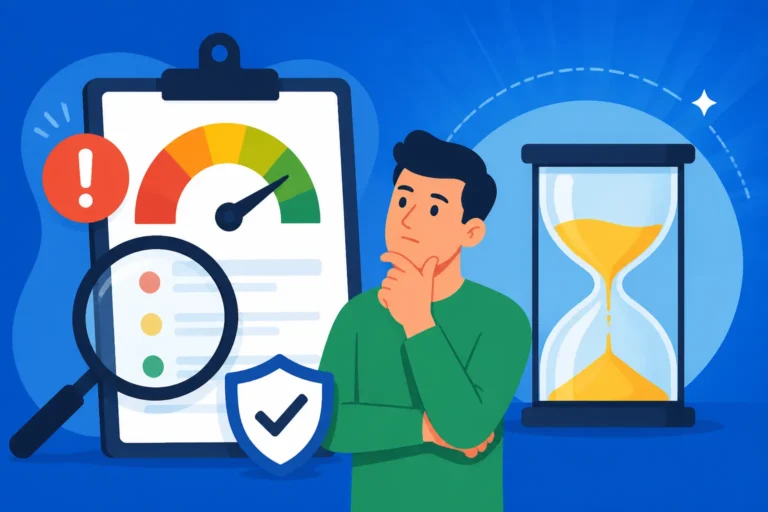
One of the most common reasons people need to contact Equifax is to dispute errors on their credit report. You’d be surprised how often mistakes pop up. It’s not uncommon to find an incorrect payment date, an account that's been closed but is still showing as open, or even accounts that don't belong to you at all. These errors aren't just annoying; they can actively drag down your credit score and paint an inaccurate picture of your financial responsibility. Regularly checking your credit reports from all three bureaus—Equifax, Experian, and TransUnion—is absolutely essential. You can get your free reports once a year from AnnualCreditReport.com, and truly understand How to Get Your Free Credit Report and How to Read Your Equifax Credit Report to spot these issues. Ignoring them is like letting a small crack in a window become a huge problem down the line.
Think about it: imagine you're applying for a mortgage, a huge life step. Your lender pulls your credit report, and there's a collection account listed for a medical bill you paid years ago. Even if it's a mistake, that one error could cause a delay, or worse, lead to your application being denied, simply because the information Equifax has on file is wrong. That's why being proactive about disputing incorrect information is so important.
Addressing Identity Theft and Fraudulent Activity
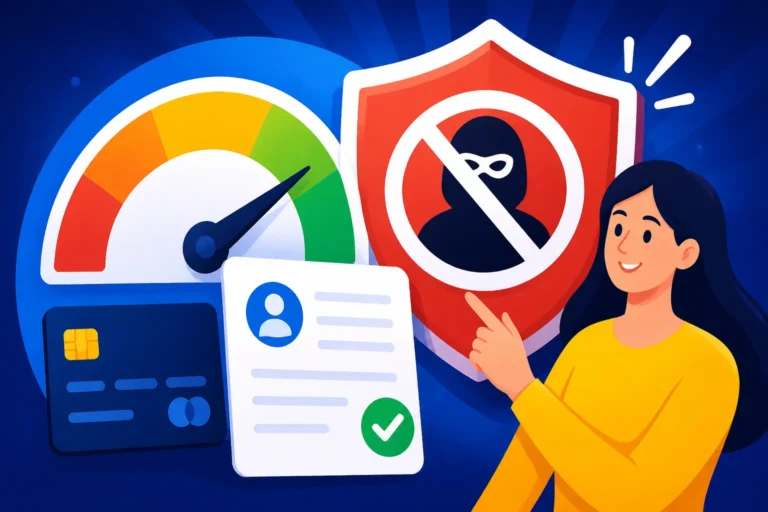
Few things are more terrifying than discovering you've been a victim of identity theft. It's a gut-wrenching feeling to see unfamiliar accounts, unexpected hard inquiries, or charges you didn't make popping up on your credit report. This isn't just an error; it's a serious breach of your personal and financial security that requires immediate attention. When identity theft strikes, time is of the essence, and contacting Equifax is a critical step in mitigating the damage. You'll want to move quickly to report the theft to law enforcement and the Federal Trade Commission (FTC), which will provide you with an Identity Theft Report. This report is vital for your communications with creditors and credit bureaus. Understanding How to Report Identity Theft to the Credit Bureaus is paramount in these stressful situations.
Imagine a scenario where a criminal has opened a credit card in your name and racked up thousands in debt. Not only is your credit score taking a hit, but you're now dealing with the stress of proving you're not responsible. Equifax needs to know immediately so they can investigate and, if warranted, remove the fraudulent accounts from your report. They also offer resources and support to help you through the recovery process, which can be long and arduous, but absolutely necessary.
Managing Security Measures: Credit Freezes and Fraud Alerts
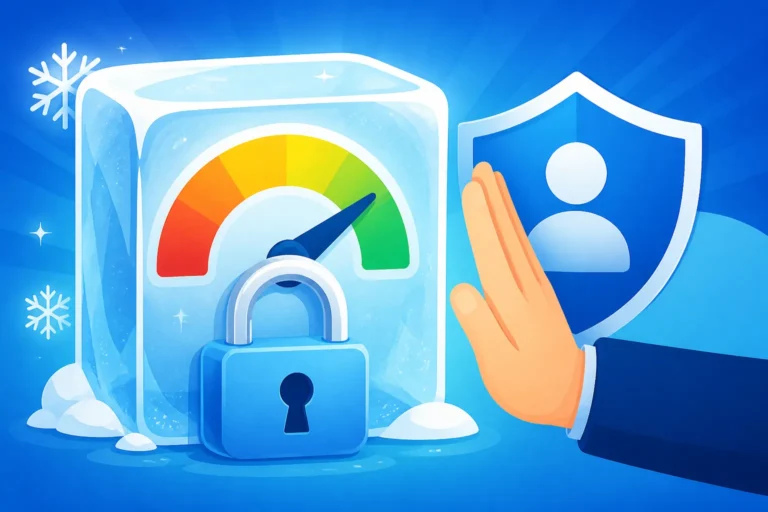
Preventative measures are just as important as reactive ones when it comes to your credit. If you're worried about identity theft, or if you've been affected by a data breach, placing a credit freeze or a fraud alert on your file with Equifax (and the other two major credit bureaus, Experian and TransUnion) can offer significant protection. A credit freeze is like locking your credit file, preventing new creditors from accessing it without your explicit permission. This makes it incredibly difficult for identity thieves to open new accounts in your name. A fraud alert, on the other hand, tells potential creditors to take extra steps to verify your identity before extending credit. Knowing when and how to implement these measures can save you a world of trouble down the road. For a deeper dive into protecting your credit, you can learn all about How to Freeze Your Credit (All 3 Bureaus).
Let's say you just received a notification that your healthcare provider suffered a data breach, potentially exposing your personal information. This is a prime time to consider a credit freeze. You might not be applying for new credit soon, so a freeze gives you peace of mind that no one else can open accounts in your name using your compromised data. When you do need to apply for credit, you can temporarily lift, or "thaw," the freeze. These tools are powerful shields against financial crime.
Your Options for Contacting Equifax Directly
Alright, so you've identified an issue. Now, how do you actually get in touch with Equifax? Thankfully, they offer several avenues for contact, each suited to different situations. Knowing the most effective way to reach them for your specific need can save you a lot of time and aggravation. Remember, Equifax is one of The 3 Credit Bureaus: Equifax, Experian & TransUnion, so the process might share similarities with the others, but there are always specific details to keep in mind.
The Online Dispute Process: Fast and Trackable
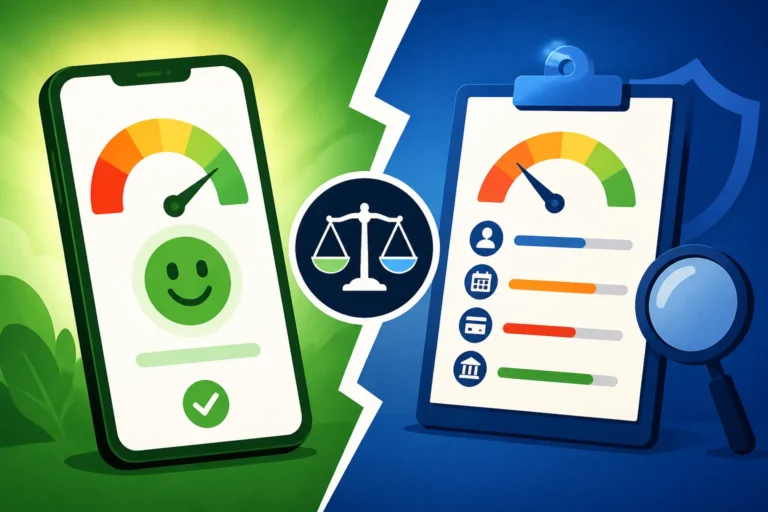
For most credit report errors, the quickest and often most efficient way to contact Equifax is through their online dispute portal. This method is specifically designed for challenging inaccuracies on your credit report and allows you to upload supporting documents, track the status of your dispute, and receive updates electronically. It creates a clear digital paper trail, which can be incredibly helpful if you need to follow up.
To use the online portal, you'll typically navigate to my.equifax.com/dispute. You'll need to create an account or log in, then locate the specific item on your credit report you wish to dispute. The portal will guide you through explaining why you believe the item is inaccurate and allow you to attach any relevant documentation, such as bank statements, cancelled checks, or letters from creditors. The sheer speed of the online process is a huge advantage, and the ability to track your dispute status 24/7 means you're never left wondering. Many people find the step-by-step guidance helpful, especially when learning How to Dispute Credit Report Errors (Step-by-Step). While it might feel impersonal compared to a phone call, its efficiency often outweighs this.
Writing a Letter: When Snail Mail is Best
While online disputes are convenient, there are certain situations where a good old-fashioned letter, sent via certified mail, can be the superior option. This is especially true for complex disputes, when you have a significant amount of documentation to provide, or if you prefer a tangible record of your communication. Sending a dispute letter via certified mail with a return receipt requested gives you proof that Equifax received your correspondence, which is invaluable if there are any questions later about when and if you initiated contact.
When mailing a dispute to Equifax, you'll send it to:
Equifax Information Services LLC
P.O. Box 740256
Atlanta, GA 30374-0256
Your letter should be concise but thorough, clearly stating your personal information, the specific item you are disputing (account number, creditor name), and why you believe it is inaccurate. Crucially, always send copies of supporting documents, never originals, as these generally won't be returned. For a detailed guide and template, check out How to Write a Credit Dispute Letter (Template). This method ensures you have a physical record of everything you sent, offering a layer of security that digital communication sometimes lacks.
Speaking to a Human: Phone Numbers for Specific Needs
Sometimes, you just need to talk to a person. Whether it's to clarify a complex issue, report identity theft directly, or get immediate assistance with a credit freeze, speaking with an Equifax representative can be incredibly reassuring. However, it's important to know which number to call, as different departments handle different types of inquiries.
For general customer service inquiries about your Equifax credit report, you can typically reach them at (888) 378-4329. Their operating hours are usually Monday through Friday, 8 AM to 8 PM EST, and Saturday and Sunday, 9 AM to 5 PM EST. Be prepared for potential wait times, especially during peak hours.
If you suspect identity theft or need to place or manage a fraud alert or security freeze, you'll want to use their dedicated fraud and freeze line at (800) 525-6285. This number is staffed by specialists who can guide you through the urgent steps needed to protect your credit. When calling, have your personal information readily available, including your Social Security number, date of birth, and any relevant account numbers, to help them quickly verify your identity and address your concerns. While it can be frustrating to navigate automated systems or endure hold times, direct communication can be invaluable for sensitive or urgent matters.
Preparing for Your Interaction with Equifax
Before you hit "submit" on that online dispute, drop that letter in the mail, or dial that phone number, taking a few preparatory steps can significantly streamline the process and increase your chances of a successful outcome. Showing up prepared means you can clearly articulate your issue, provide necessary evidence, and avoid unnecessary back-and-forth communication.
Gathering Your Personal Information and Documents
This might seem obvious, but having all your ducks in a row before you contact Equifax is paramount. You'll need to provide accurate identifying information so they can locate your credit file. This includes your full legal name, any previous names (like a maiden name), your current and any previous addresses from the last two years, your Social Security number, and your date of birth. Without this basic information, they won't be able to help you.
Beyond personal identification, gather all supporting documents related to your specific issue. If you're disputing a late payment, have proof of payment like bank statements or a letter from the creditor confirming payment. For a fraudulent account, you'll need your Identity Theft Report, police reports, or any communication from the fraudulent creditor. The more evidence you can provide, the stronger your case. Remember the golden rule: send copies of everything, never originals. This meticulous approach is also crucial when dealing with Experian and TransUnion, as detailed in How to Dispute With Equifax, Experian, and TransUnion. These documents are your leverage, so organize them carefully.
Understanding What You're Disputing
It's not enough to just say, "There's an error on my report." You need to pinpoint the exact item and clearly articulate why it's inaccurate or fraudulent. Is it a charge-off that was actually settled? Is it a duplicate account entry? Is the balance incorrect? The more specific you can be, the easier it will be for Equifax to investigate. Go through your credit report line by line, circle the questionable items, and make notes about why each one is wrong.
For example, if you're disputing a late payment, understand the exact date it was reported as late and what your records show. If you're trying to get a collection removed, know the original creditor, the collection agency, and the date it was placed. This clarity helps Equifax's investigators focus their efforts. If you're using a tool like Credit Strong for credit building or monitoring, their insights can often highlight discrepancies or areas for improvement, helping you prepare your case before you even reach out to Equifax. Services like Credit Strong can show you exactly what's on your report, making it simpler to identify specific items you might need to dispute, such as a How to Remove Late Payments From Your Credit Report. Being precise in your claim leaves less room for misinterpretation.
What Happens After You Contact Equifax
You’ve sent your dispute, made your call, or submitted your online form. Now what? The waiting game can be nerve-wracking, but understanding the process that unfolds next can help manage your expectations and prepare you for the potential outcomes. Equifax, like all credit bureaus, has a legal obligation to respond to your inquiries within certain timeframes, especially concerning disputes.
The Investigation Process and Timelines
Once Equifax receives your dispute or report, they are typically required by the Fair Credit Reporting Act (FCRA) to investigate the matter within 30 days. In some cases, if you provide additional relevant information during that 30-day period, the timeline can extend to 45 days. During this investigation, Equifax will contact the creditor or data furnisher (the company that originally reported the information) and ask them to verify the accuracy of the disputed item. The furnisher must then investigate and respond to Equifax with their findings. This process is the core of What Is a Credit Report Dispute and How Long Does It Take?.
It's important to know that Equifax doesn't just take your word for it, nor do they automatically remove items. They act as an intermediary, collecting information from both sides to ensure the integrity of the credit reporting system. This is why providing clear and compelling evidence from your end is so critical. Without verifiable proof of error, the furnisher may simply confirm the accuracy of the existing information, leaving the item unchanged on your report.
Receiving the Results and Next Steps
After the investigation is complete, Equifax will send you the results, usually by mail or through their online portal if you used that method. The outcome can vary:
- Item Removed or Corrected: This is the best-case scenario. If the investigation confirms the error, Equifax will remove the item or update it with the correct information. They will also send you an updated credit report reflecting the changes and notify anyone who has accessed your credit report recently (usually within the last six months for inquiries and two years for employment purposes).
- Item Verified as Accurate: If the creditor verifies that the information is accurate, the item will remain on your credit report. This can be disheartening, but it's not always the end of the road.
- No Response from Furnisher: If the furnisher fails to respond to Equifax's inquiry within the allotted time, the item must be removed from your credit report.
If you receive an unsatisfactory outcome (i.e., the item is verified but you still believe it's inaccurate), you have a few options. You can gather more evidence and re-dispute the item, or you can add a "consumer statement" to your credit report. This statement, usually 100 words or less, explains your side of the story regarding the disputed item. While it won't remove the item, it will be visible to anyone who pulls your credit report, offering context. Understanding What Is a Consumer Statement on a Credit Report? can be very helpful here. If you're trying to build credit, understanding these outcomes is crucial. Even if an item is verified, learning why it's there can help you prevent similar issues in the future, and leveraging services like Credit Strong can then assist in building positive credit history by reporting on-time payments and helping you establish a diverse credit mix.
Here's a quick reference table outlining the best ways to contact Equifax for common issues:
| Reason for Contact | Recommended Contact Method | Key Information Needed | Typical Response Time / Action |
|---|---|---|---|
| Dispute an Error on Report | Online Dispute Portal (my.equifax.com/dispute) | Personal ID, Account #, Creditor Name, Specific reason for dispute, Supporting Documents (copies) | Investigation within 30-45 days, then mailed/online results |
| Dispute an Error via Mail | Certified Mail to P.O. Box 740256, Atlanta, GA 30374-0256 | Same as above, ensure copies are sent | Investigation within 30-45 days, then mailed results |
| Report Identity Theft / Fraud | Phone: (800) 525-6285 or Online Identity Theft Portal | Personal ID, Police Report, FTC Identity Theft Report, Details of fraudulent accounts | Immediate action to place alert/freeze, investigation begins |
| Place or Manage Credit Freeze | Online (my.equifax.com/securityfreeze) or Phone: (800) 525-6285 | Personal ID, existing PIN (if managing an existing freeze) | Instantaneous (online) or within 3 business days (mail/phone) |
| General Customer Service Inquiries | Phone: (888) 378-4329 | Personal ID, Specific question/concern | Real-time assistance, subject to hold times |
Maintaining a good credit score is an ongoing process, and being proactive means keeping a close eye on your reports. Utilizing tools that provide regular credit updates, or even credit-building services like Credit Strong, can give you the insights and confidence you need to manage your financial health effectively. By understanding how to effectively communicate with agencies like Equifax, you empower yourself to protect and improve your financial standing.
Disclaimer
Please note that the information provided in this guide is for general informational purposes only and does not constitute financial, legal, or credit repair advice. While we strive to keep the information accurate and up-to-date, credit bureau policies and regulations can change. Always consult directly with Equifax or a qualified financial professional for advice tailored to your specific situation.