What Happens to a Credit Freeze If You Move States?
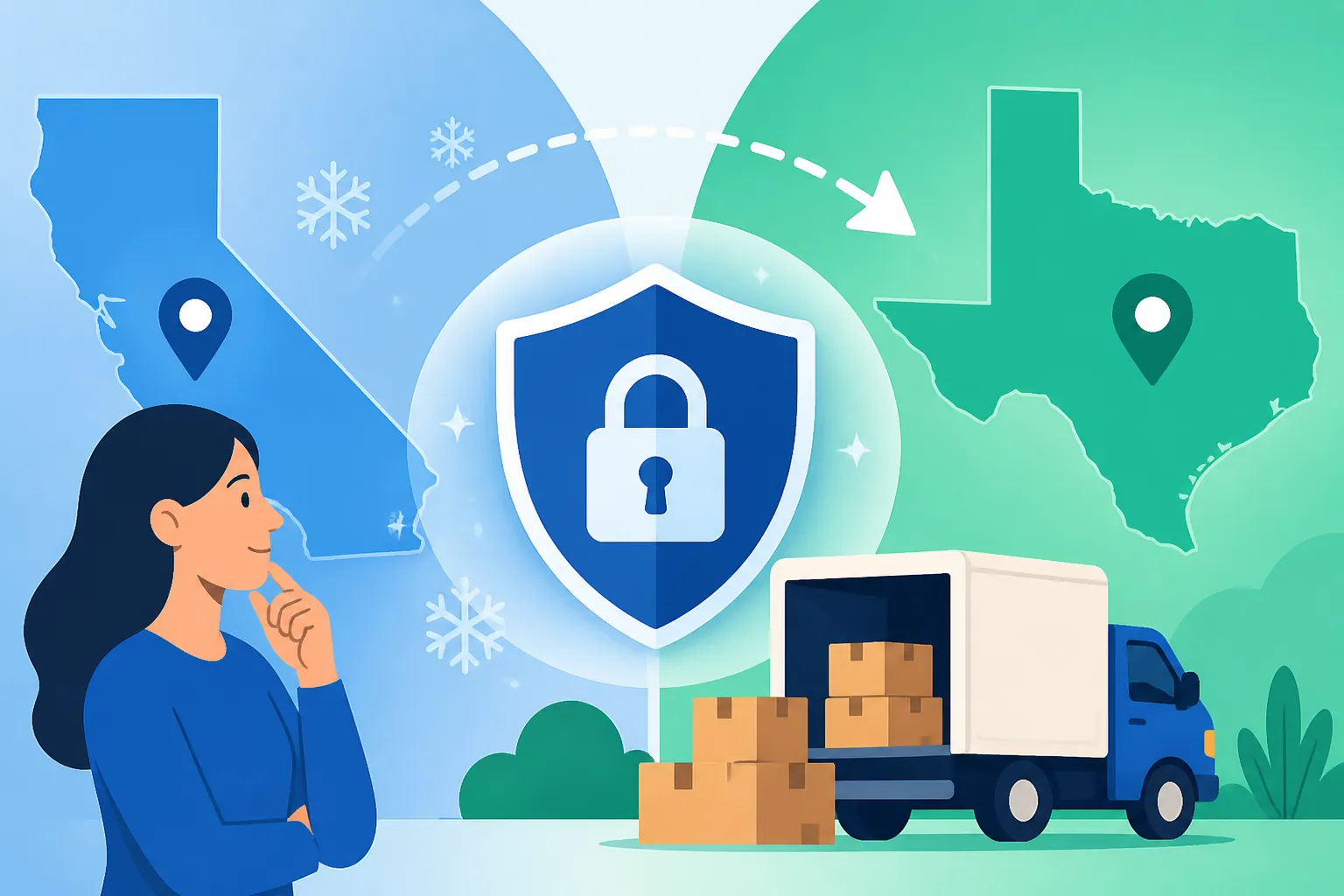
Moving to a new state is a whirlwind of packing, new addresses, and figuring out where to find the best coffee shop. Amidst all that chaos, it’s completely understandable to wonder about crucial things like your credit security. Many people worry that a credit freeze they diligently put in place might get lost in transit or become invalid once they cross state lines. This guide is here to reassure you and walk you through exactly what happens to your credit freeze when you move states, ensuring your financial protection remains solid.
The Steadfast Nature of Your Credit Freeze, No Matter Where You Go
When you freeze your credit, you're taking a powerful step to protect yourself from identity theft. It's natural to think that something so important might be tied to your physical location, but thankfully, credit freezes are designed to be much more robust than that. They travel with you, not just your mailing address.
How Credit Freezes Are Governed by Federal Law
The good news is that credit freezes aren't just a courtesy; they're mandated by federal law, specifically the Fair Credit Reporting Act (FCRA). This means that whether you're living in California, New York, or any state in between, your right to place a credit freeze – and its effectiveness – is protected and enforced nationwide. The federal nature of these laws ensures a consistent standard across all states, so you don't have to worry about individual state legislation overriding your freeze's validity.
When you initiate a freeze, you're not freezing your credit with a state agency; you're placing it directly with the three major national credit reporting agencies: Equifax, Experian, and TransUnion. These bureaus are the gatekeepers of your financial information, and their operations span the entire United States. Therefore, once they have a freeze on your file, it applies to all inquiries into your credit history, regardless of where that inquiry originates or where you happen to reside at the moment. It's a fundamental aspect of how a credit freeze works, designed for your peace of mind and protection against unauthorized access to your credit file.
The Myth of State-Specific Credit Freezes
It's a common misconception that a credit freeze is somehow localized or needs to be re-established when you move. Perhaps this idea stems from other aspects of identity theft protection, where state laws can sometimes offer additional layers of security beyond federal mandates. However, for the core function of preventing new credit from being opened in your name, a credit freeze operates on a national level. Think of it like a universal lock on your financial identity held by the major reporting agencies.
Your credit file, with all its history and personal identifiers, is maintained by The 3 Credit Bureaus: Equifax, Experian & TransUnion in centralized databases. When you request a freeze, they flag your entire file, making it inaccessible for new credit applications. This flag isn't tied to your mailing address at the time you requested the freeze; it's linked to your Social Security number and other identifying details. So, even if you pack up all your belongings and move from Miami to Seattle, that freeze remains firmly in place, acting as a powerful barrier against fraudsters no matter where they try to apply for credit in your name. There's no need to cancel your old freeze and apply for a new one in your new state; it’s a set-it-and-forget-it (until you need to unfreeze it) kind of protection when it comes to geographical moves.
Navigating Your Credit Profile During a Relocation with an Active Freeze
While your credit freeze itself remains robust, a move is still a significant life event that touches many aspects of your financial life. There are specific steps you should take to ensure your credit profile remains accurate and accessible when you need it, without compromising the security your freeze provides.
Updating Your Personal Information with the Bureaus
Even though your credit freeze travels with you, your personal information on file with the credit bureaus needs to reflect your current reality. Moving means you'll have a new address, potentially new phone numbers, and maybe even a new employer. It's really important to keep this information up-to-date. Why? Because while a freeze stops new credit from being opened, accurate personal information helps the bureaus correctly link your existing accounts to your identity and prevent potential mix-ups. Imagine trying to verify your identity for a new service and the bureau still has your old address on file—it could cause unnecessary delays and headaches.
You can usually update your personal information directly through the online portals of Equifax, Experian, and TransUnion. Sometimes it might require a mailed request if you're making more substantial changes or have specific concerns. It’s also wise to update this information with any existing creditors you have, like credit card companies or loan providers, as they also report data to the bureaus. Ensuring consistency across all your financial records minimizes discrepancies and makes managing your credit much smoother. For a deeper dive into correcting errors or outdated details, you might find our guide on How to Correct Wrong Personal Information on Your Report helpful. This proactive step ensures your credit reports accurately reflect who you are and where you live, which is vital for any future credit activity you might undertake.
Understanding When You Might Need to Temporarily Thaw Your Credit
The whole point of a credit freeze is to prevent unauthorized access, but sometimes you need to grant access. Moving to a new state often involves applying for various services that require a credit check. Think about setting up new utility accounts (electricity, gas, internet), applying for a new apartment lease, or even getting new car insurance quotes. All these activities can trigger a request for your credit information. If your credit is frozen, these legitimate requests will be blocked, potentially delaying your move-in or service activation.
In these situations, you'll need to temporarily lift or "thaw" your credit freeze. The process is straightforward, and you can usually do it online or over the phone with each of the three credit bureaus. You typically have options: you can lift the freeze for a specific period (e.g., 3-5 days) or lift it for a specific creditor that you know will be pulling your report. A targeted thaw, where you only unfreeze for the specific company that needs to run a check, offers a higher level of security than a general temporary thaw. Remember, you'll need to unfreeze with each bureau the inquiring company uses. Our article on How to Unfreeze Your Credit Temporarily provides a step-by-step guide. It's a minor inconvenience for major protection, and being prepared for these moments will make your move much less stressful. Don't forget, if you're wondering about your ability to secure new loans or lines of credit with a freeze in place, you can learn more about Can You Still Get a Loan With a Credit Freeze?.
Protecting Your Credit Post-Move: Best Practices with a Freeze in Place
Even with a credit freeze active, staying vigilant about your financial health, especially after a major life event like moving, is paramount. A freeze is a powerful shield, but it's not an excuse to ignore your credit reports altogether.
Regularly Reviewing Your Credit Reports
While a credit freeze prevents new accounts from being opened in your name, it doesn't stop existing accounts from showing activity or protect against certain types of identity theft. For instance, if someone gets access to one of your existing credit card numbers, they could still make fraudulent charges. Also, errors can creep onto your credit report for various reasons, from clerical mistakes to inaccurate reporting by creditors. Checking your credit reports regularly is your best defense against these issues.
It's recommended to pull your full credit reports from all three major bureaus at least once a year. You can do this for free through AnnualCreditReport.com. When you receive your reports, don't just skim them. Take your time to review every single entry. Look for accounts you don't recognize, addresses that aren't yours, or hard inquiries you didn't authorize. These could be red flags indicating potential fraud or errors. Our guide on How to Read Your Credit Report (2026 Guide) can walk you through what to look for and how to decipher the information. Catching discrepancies early can save you a lot of headache down the line, and if you find anything suspicious, our advice on How to Report Identity Theft to the Credit Bureaus can help you act quickly.
Re-evaluating Your Overall Credit Security Strategy
A move is an excellent opportunity to take stock of your entire credit security strategy. You've handled the logistics of your credit freeze, but what else can you do? Consider whether a credit lock or fraud alert might be beneficial as an additional layer of protection, especially as you settle into a new environment. Our article comparing Credit Freeze vs Credit Lock vs Fraud Alert explains the nuances of each.
Beyond just the bureaus, think about your physical and digital security. Are your mail forwarding services set up correctly, or could old mail containing sensitive information still be floating around? Are your online accounts, especially financial ones, secured with strong, unique passwords and two-factor authentication? Regularly shredding documents with personal information is also a simple yet effective practice. Sometimes, after a move, we sign up for new services or close old ones, creating more opportunities for data breaches if we're not careful. Keeping an eye on What Personal Info Is on Your Credit Report? can help you understand what data is exposed and needs extra protection. If you ever become a victim of identity theft, you'll want to know How to Freeze Your Credit After Identity Theft quickly.
Common Concerns and Clarifications About Moving with a Credit Freeze
When you're juggling boxes and new routines, little worries can become big ones. Let's address some specific scenarios that often pop up when moving with an active credit freeze.
What About New Utility Accounts or Leases?
This is probably one of the most frequent questions people have. When you move, you'll almost certainly need to set up new utility services like electricity, water, gas, and internet. You'll also likely be applying for a new apartment lease or even a mortgage. Many of these service providers and landlords will perform a credit check. As we discussed, a credit freeze will block these checks.
The key here is communication and preparation. Before you apply for a lease or call the utility company, find out which credit bureau they typically use for their checks. Then, you can perform a temporary lift of your credit freeze with only that specific bureau, or for a general period, to allow the legitimate inquiry to go through. It's often best to inform the landlord or utility company upfront that you have a credit freeze and will be lifting it for their check; this shows you're proactive about your financial security. Having a clear plan for How to Unfreeze Your Credit Temporarily for these specific needs will make the process much smoother and prevent delays in getting your new services connected.
Does Changing My Driver's License or ID Affect Anything?
Another common question relates to updating official identification. When you move states, one of the first things on your to-do list is often getting a new driver's license or state ID. This is a crucial step for establishing residency and navigating your new home. Rest assured, changing your driver's license or other forms of identification does not directly impact your existing credit freeze. The freeze is attached to your Social Security number and other core identifying data held by the credit bureaus, not the specific number on your state-issued ID.
However, as mentioned earlier, it's still good practice to update your personal information, including your new address, with the credit bureaus themselves. While your old driver's license number won't be on your credit report, the outdated address could potentially cause minor hiccups if you apply for new credit in the future and the information doesn't match what the lender has. Keep your official records aligned for the smoothest possible financial journey, and always remember to check How Often Should You Check Your Credit Report? to catch any unexpected changes.
The Difference Between a Freeze and Other Protections
It’s worth reiterating that a credit freeze is the strongest form of protection against new account fraud because it completely restricts access to your credit report unless you explicitly lift it. This is distinct from a fraud alert, which merely prompts creditors to take extra steps to verify your identity before opening a new account, or a credit lock, which is a proprietary service often offered by individual bureaus that can be easier to turn on and off but may not be as universally recognized or legally mandated as a freeze.
When you move, all these protections continue to function based on your identity, not your location. So, if you have a fraud alert in place with Equifax, it remains active even after your move. The choice to use a freeze, an alert, or a lock depends on your personal risk assessment and convenience preferences. For the most robust, federally backed protection against someone opening credit in your name using your new state as a plausible location, the credit freeze stands as the gold standard. For a detailed comparison, make sure to read Credit Freeze vs Credit Lock vs Fraud Alert.
Credit Freeze Management While Moving: A Quick Comparison
To help clarify the actions you might need to take, here’s a quick overview:
| Action Required | What It Addresses | Impact on Your Credit Freeze | Why It's Important When Moving |
|---|---|---|---|
| Updating Your Address with Bureaus | Personal identification and contact details | None (Freeze remains active) | Ensures your credit reports are accurate; prevents potential identity verification issues with new creditors/service providers; helps with mail delivery of credit-related documents. |
| Temporarily Thawing Your Credit | Allowing legitimate credit checks | Temporary lift for a specified period or specific creditor | Necessary for applying for new apartments, utility services, car insurance, or employment checks that require access to your credit report. |
| Checking Your Credit Reports (Post-Move) | Identifying errors or fraudulent activity | None (Can be done with active freeze) | Helps you spot any unexpected changes, old accounts that should be closed, or new inquiries you didn't authorize, reinforcing your security measures. |
| Updating ID (e.g., Driver's License) | State residency and official identification | None (Freeze remains active) | Establishes legal residency and updates official records, indirectly supporting future credit verification by having consistent primary identification, though it doesn't directly interact with the freeze. |
Disclaimer
The information provided in this article is for general informational purposes only and does not constitute financial, legal, or professional advice. While we strive to provide accurate and up-to-date content, credit laws and regulations can change. Always consult with a qualified financial advisor or legal professional for advice tailored to your specific situation.