How to Dispute a Hard Inquiry You Don’t Recognize
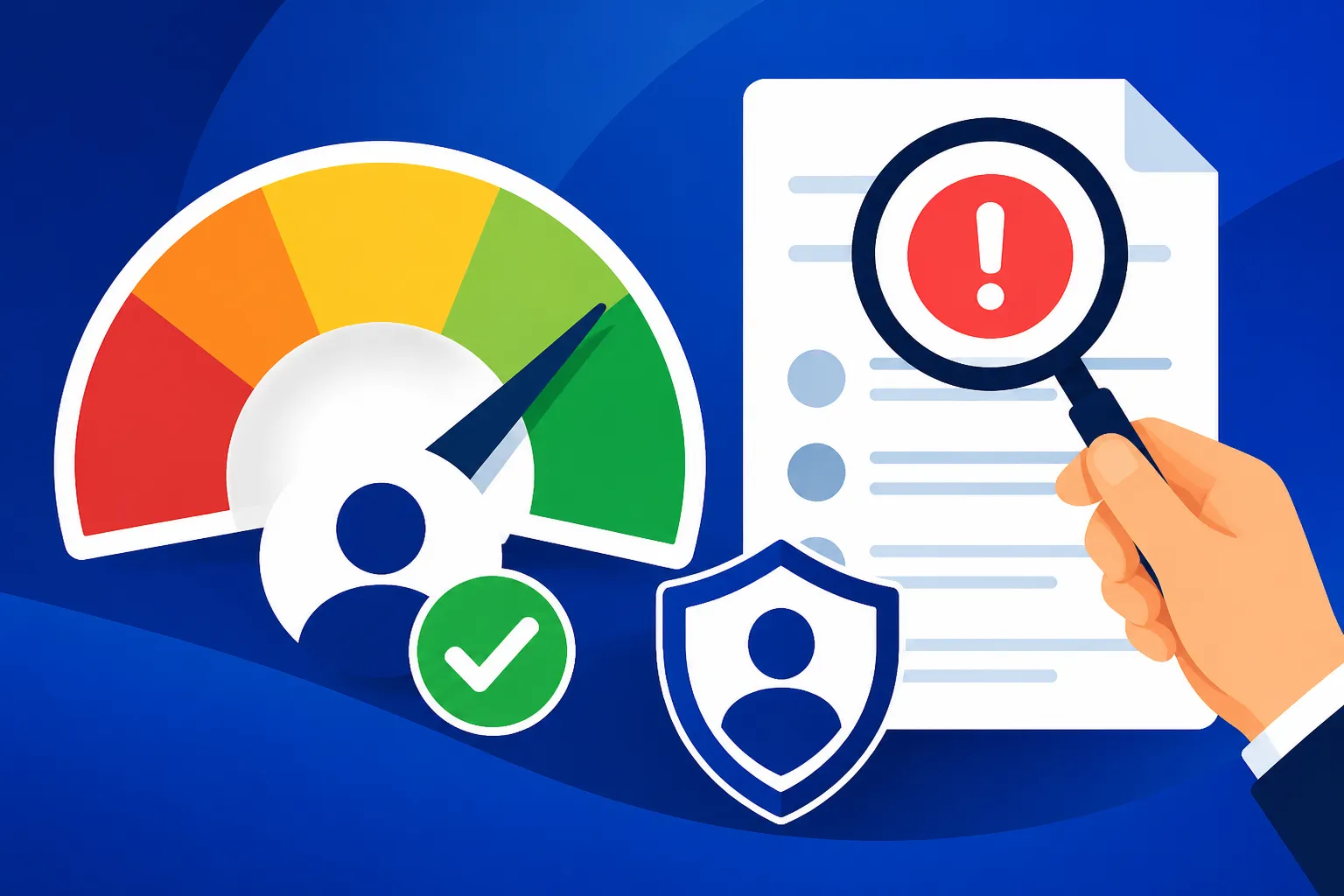
Finding an unexpected hard inquiry on your credit report can feel like a punch to the gut. It's frustrating and even alarming to see something you don't recognize, especially when you know these inquiries can ding your credit score. This guide is here to walk you through exactly what to do when you discover a hard inquiry you don't recognize, explaining the process of investigation, disputing, and protecting your financial future.
Understanding Hard Inquiries and Their Impact
Before diving into how to dispute an unrecognized hard inquiry, it's really important to understand what a hard inquiry is in the first place and why it matters so much to your credit health. Many people confuse them with soft inquiries, or don't realize the potential impact they can have, which only adds to the stress when an unfamiliar one appears.
What Constitutes a Hard Inquiry
A hard inquiry, often called a "hard pull" or "hard credit check," happens when a lender or creditor reviews your credit report to make a lending decision. This could be for a mortgage, a car loan, a new credit card, or even some apartment applications. The key here is that it typically occurs when you authorize someone to check your credit because you're applying for new credit. Unlike a soft inquiry, which might happen when you check your own credit score or a lender pre-approves you for an offer, a hard inquiry usually implies a serious application for new credit, and it actually leaves a mark on your credit report that other lenders can see.
Each hard inquiry can cause a slight dip in your credit score, usually just a few points, but the impact can be more significant if you have several inquiries clustered together in a short period. Lenders might view multiple recent hard inquiries as a sign of financial distress or an individual trying to open too many lines of credit at once, making you seem like a higher risk. That's why spotting an unrecognized one is so concerning – it's not just an annoyance, it's a potential threat to your financial standing.
Why Hard Inquiries Affect Your Credit Score
The impact of a hard inquiry on your credit score is primarily tied to the "new credit" category, which makes up about 10% of your FICO score. While it might seem like a small percentage, it can still influence your overall score, especially if your credit history is already thin or you have a lower score. When you apply for credit, lenders see it as you seeking more debt, and too many applications can suggest an increased risk of default.
For instance, if you apply for five credit cards within a month, it looks far riskier than applying for one or two over several months. Each hard inquiry signals a new potential debt obligation, and credit scoring models are designed to identify and penalize patterns that suggest increased risk. While a single hard inquiry might only cause a temporary, minor dip, the cumulative effect of several can be more pronounced. Moreover, if these inquiries are completely unknown to you, it raises serious red flags about potential identity theft, which can have a much more devastating long-term effect on your credit. Knowing Why Did My Credit Score Drop? Common Reasons is essential, and an unrecognized hard inquiry is definitely one of them.
How Long Hard Inquiries Stay on Your Credit Report
Here's the silver lining, if there is one: hard inquiries don't stick around forever. Typically, a hard inquiry will remain on your credit report for a maximum of two years from the date it occurred. However, their impact on your credit score usually lessens over time, often becoming negligible after about 12 months. This means that while a new inquiry might cause a slight dip initially, its effect isn't permanent, and your score will likely rebound as long as other aspects of your credit remain healthy.
It's also worth noting that some credit scoring models may treat multiple inquiries for the same type of loan (like an auto loan or mortgage) within a short period (often 14 to 45 days, depending on the scoring model) as a single inquiry. This is because lenders understand that people shop around for the best rates. So, if you're comparing car loans from different dealerships in a two-week window, these might be grouped together as one inquiry for scoring purposes. Still, even with this "rate shopping" window, an inquiry you don't recognize at all is a different beast and needs immediate attention. If you're wondering How Long Does a Hard Inquiry Stay on Your Credit Report? you now know it's generally two years.
The First Steps When You Spot an Unrecognized Hard Inquiry
Seeing a hard inquiry you don't recognize on your credit report is unnerving, but don't panic. The good news is that there's a clear process you can follow to investigate and address the issue. Your first move isn't to dispute it immediately, but rather to play detective and gather all the necessary information.
Review All Three Credit Reports
The very first thing you need to do is get copies of your credit reports from all three major credit bureaus: Equifax, Experian, and TransUnion. You might see the inquiry on one report, but not necessarily all three. You're legally entitled to a free copy of your credit report from each bureau once every 12 months via AnnualCreditReport.com. Take advantage of this. Don't just look at the one that flagged the issue; check them all. This comprehensive review will give you a full picture of your credit activity and help you confirm if the inquiry is isolated to one bureau or appears on multiple.
Once you have all three reports, go through them with a fine-tooth comb. Look not only for the suspicious hard inquiry but also for any other unfamiliar accounts, addresses, or personal information. Sometimes, an unrecognized hard inquiry is just the tip of the iceberg, indicating broader fraudulent activity. This thorough check will be your foundation for any subsequent actions.
Identify the Source of the Inquiry
With your credit reports in hand, the next step is to try and identify the source of the inquiry. Sometimes, what looks unfamiliar at first glance might actually be legitimate, just under a name you don't immediately recognize. For example, a credit card company might pull your credit under the name of their parent bank, or a car dealership might use a specific finance company you haven't heard of.
Think back: have you applied for any type of credit in the past two years? This includes cell phone contracts, utility services (some check credit), insurance policies, or even a pre-approved offer you responded to without thinking much about it. Did you co-sign a loan for someone? Are you an authorized user on someone else's credit card? If so, their activity might trigger inquiries on your report. Take your time to really jog your memory and cross-reference the date of the inquiry with any applications or financial activities you've undertaken.
Gather Supporting Documentation and Evidence
Once you've tried to identify the source and still come up empty-handed, it's time to start preparing for a dispute. This means gathering any documentation that supports your claim that the inquiry is unauthorized. This could include:
- Copies of your credit reports: Highlighting the specific inquiry in question.
- A personal statement: Clearly outlining why you believe the inquiry is fraudulent or mistaken.
- Proof of identity: Such as a driver's license or utility bill, to prove you are who you say you are.
- Any evidence of identity theft: If you suspect it, like an FTC Identity Theft Report (more on this later).
Even if you don't have definitive proof that it's fraudulent right away, having your reports and a clear narrative is crucial. The more organized and documented you are, the smoother the dispute process will be. Remember, the burden of proof isn't entirely on you, but providing solid information can significantly expedite the investigation. When comparing options for credit building, like those offered by Credit Strong, it's reassuring to know their process is transparent, and you're always aware of any credit pulls related to your applications.
How to Dispute a Hard Inquiry with the Credit Bureaus
After you've done your initial detective work and are confident that the hard inquiry is indeed unauthorized or erroneous, it's time to take action. The most direct route is to dispute the inquiry directly with the credit bureaus. They are legally obligated to investigate your claims.
The Dispute Process with Equifax
To dispute an unrecognized hard inquiry with Equifax, you have a few options. The easiest for many is online: visit their dispute center on their website. You'll need to create an account or log in, then follow the prompts to identify the specific inquiry you're disputing and provide your reasons. Make sure to upload any supporting documents you've gathered.
Alternatively, you can dispute by mail or phone. If mailing, send a detailed letter clearly stating the inquiry you're disputing, why you believe it's incorrect, and include copies (never originals!) of your supporting documents. Send it via certified mail with a return receipt requested so you have proof it was received. The phone option is generally faster for initial contact, but always follow up with a written dispute for documentation. Equifax will then notify the furnisher (the company that made the inquiry) and investigate your claim, typically within 30 days, sometimes up to 45 days if you send additional information later. Knowing How to Dispute With Equifax, Experian, and TransUnion is crucial for a smooth process.
Disputing with Experian
Experian also offers multiple ways to dispute. Their online dispute center is robust and often the most efficient. Navigate to the dispute section on Experian's website, provide the necessary identification details, pinpoint the hard inquiry you're challenging, and upload your evidence. The online platform typically guides you through the process step-by-step.
For mail disputes, send your letter and photocopies of documents to the Experian dispute address listed on their website. Again, certified mail is your best friend here. If you opt for a phone dispute, be prepared to answer security questions and clearly articulate your issue. Keep a record of who you spoke with, the date, and a summary of your conversation. Experian, like other bureaus, is required to investigate and respond within the timeframe mandated by the Fair Credit Reporting Act (FCRA).
Challenging an Inquiry with TransUnion
Disputing with TransUnion follows a similar pattern to the other two bureaus. Their website features an online dispute portal designed for ease of use. You'll input your personal information, select the hard inquiry that's the problem, explain why it's inaccurate, and attach any relevant evidence. This digital submission helps streamline the initial filing.
If mailing, address your dispute letter and supporting documents to TransUnion's dispute department (check their website for the most current address). Certified mail with a return receipt is highly recommended. Phone disputes are also an option for TransUnion, but as with the others, written documentation is key for your records. Regardless of the method, TransUnion will launch an investigation and typically provide you with results within 30-45 days. They'll inform you of the outcome and, if the inquiry is removed, your credit report will be updated.
Here's a quick reference table for disputing with each bureau:
| Credit Bureau | Online Dispute | Mail Dispute Address (General) | Phone Dispute (General) | Key Actions |
|---|---|---|---|---|
| Equifax | Yes | Equifax Information Services LLC, P.O. Box 740256, Atlanta, GA 30374-0256 | 1-800-864-2978 | Identify inquiry, explain discrepancy, upload evidence. |
| Experian | Yes | Experian, P.O. Box 4500, Allen, TX 75013 | 1-888-397-3742 | Pinpoint inquiry, provide rationale, submit proof. |
| TransUnion | Yes | TransUnion LLC, P.O. Box 2000, Chester, PA 19016 | 1-800-916-8800 | Select inquiry, state dispute reason, attach documents. |
Note: Always verify the most current dispute addresses and phone numbers on the respective credit bureau's official website.
What to Do if the Inquiry is Legitimate but Unauthorized
Sometimes, the inquiry itself isn't an error by the credit bureau, but it was authorized by someone else without your permission. This is a critical distinction, as it often points to potential identity theft or fraud, requiring a different approach than simply correcting a mistake.
Contacting the Creditor Directly
If the credit bureau investigation doesn't remove the inquiry, or if you learn that a real company pulled your credit (but you never applied), your next step is to contact that specific creditor directly. Look up the contact information for the company listed on your credit report next to the hard inquiry. Be polite but firm. Explain that you did not authorize this inquiry and believe it to be fraudulent. Ask them to provide documentation of your application or remove the inquiry from your credit report.
If they claim you did apply, ask for the application details, including the date, method of application (online, in-person), and any contact information provided. This information can be vital if you need to file an identity theft report. Don't be surprised if they're initially uncooperative; sometimes, you have to persist to get answers. Document every call, including the date, time, who you spoke to, and what was discussed.
Filing an Identity Theft Report with the FTC
If you confirm that someone opened an account or applied for credit in your name, you are officially a victim of identity theft. This is a serious situation that requires immediate action beyond just disputing the inquiry. Your most important step now is to file an official Identity Theft Report with the Federal Trade Commission (FTC) at IdentityTheft.gov. This report is incredibly powerful. It serves as an official declaration that your identity has been compromised and can be used as leverage in various situations.
Once you have an FTC report, you can use it to:
- Place an extended fraud alert on your credit reports.
- Get fraudulent accounts removed from your credit report.
- Help you remove the unauthorized hard inquiries more easily.
- Dispute information with debt collectors if fraudulent accounts go to collections.
Filing this report also notifies other government agencies and provides you with a personalized recovery plan. It is the gold standard for proving identity theft, and you'll want to share it with the credit bureaus and any creditors involved. Knowing How to Report Identity Theft to the Credit Bureaus is a crucial part of this process.
Placing a Fraud Alert or Credit Freeze
To prevent further damage while you're sorting things out, consider placing a fraud alert or a credit freeze on your credit reports. A fraud alert requires businesses to take reasonable steps to verify your identity before extending new credit. The initial fraud alert lasts for one year. If you file an FTC Identity Theft Report, you can request an extended fraud alert, which lasts for seven years.
A credit freeze (also known as a security freeze) is even stronger. It restricts access to your credit report, meaning lenders cannot pull your credit, which in turn prevents new accounts from being opened in your name. You'll need to place a credit freeze with all three credit bureaus individually. While a freeze is active, you won't be able to easily apply for new credit yourself without temporarily lifting it. This is a powerful preventative measure, especially if you're dealing with identity theft. Deciding between a Credit Freeze vs Credit Lock vs Fraud Alert, and knowing How to Freeze Your Credit (All 3 Bureaus) are important steps to protect yourself.
Preventing Future Unauthorized Hard Inquiries
Dealing with an unrecognized hard inquiry is a stressful ordeal, and once you've resolved it, your thoughts will likely turn to how to prevent it from happening again. Proactive measures are your best defense against future fraud and credit report errors.
Regularly Monitor Your Credit Reports and Scores
One of the simplest yet most effective ways to prevent future issues is to stay vigilant. Make it a habit to check your credit reports regularly – at least once a year from each bureau via AnnualCreditReport.com, but ideally more frequently through free credit monitoring services. Many credit card companies, like Capital One with CreditWise or Chase with Credit Journey, and financial apps offer free access to your credit score and reports from one or more bureaus. These services often provide alerts when new inquiries or accounts appear, giving you an early warning system.
Don't just glance at the score; dive into the details. Look at every account, every address, and every inquiry. If something looks off, even a minor detail, investigate it. This consistent oversight can help you catch potential issues before they escalate into major problems. Understanding Credit Monitoring: Is It Worth It? and how often you should check your credit report are key to maintaining a healthy credit profile.
Implementing Credit Freezes and Fraud Alerts
As discussed earlier, credit freezes and fraud alerts are powerful tools. If you've been a victim of identity theft, or if you're simply looking for maximum protection, a credit freeze is an excellent option. It essentially locks down your credit report, preventing anyone, including yourself, from opening new credit without first "thawing" or lifting the freeze. This can be a bit inconvenient if you plan to apply for new credit, but it's an unparalleled security measure.
Fraud alerts, while less restrictive, still add an important layer of protection. They tell potential creditors to take extra steps to verify your identity. You can place an initial fraud alert for one year, and if you have an FTC Identity Theft Report, you can extend it for seven years. These measures are free and can significantly reduce your risk of unauthorized inquiries and account openings.
Being Mindful of Information Sharing
In our digital age, it's easy to share too much personal information. Be incredibly cautious about who you give your Social Security number, date of birth, and other sensitive financial details to. Always question why a company needs particular information and how they will protect it. If you're filling out forms online, ensure the website is secure (look for "https://" in the URL). Be wary of phishing emails or calls that try to trick you into revealing personal data.
When you're exploring options to build your credit, like considering a credit builder loan or a secured credit card, remember that reputable providers will have clear policies on credit checks. For instance, services like Credit Strong are designed to help you build credit responsibly, and while an initial application might involve a soft or hard inquiry, their process is transparent, allowing you to build positive payment history with full awareness of how your credit is being accessed. Always read the terms and conditions carefully before providing your personal information to any entity.
When to Consider Professional Help
While many hard inquiry disputes can be handled on your own, there are situations where seeking professional assistance might be the best course of action. Especially when dealing with complex cases of identity theft or persistent errors, a professional can offer invaluable expertise and support.
Engaging Credit Repair Companies
If you've exhausted your own efforts, or if you're dealing with multiple errors and identity theft issues across your credit reports, a reputable credit repair company could be a viable option. These companies specialize in identifying and disputing inaccuracies on your behalf with the credit bureaus and creditors. They understand the intricacies of credit laws, like the Fair Credit Reporting Act (FCRA), and can craft effective dispute letters and follow up persistently.
When choosing a credit repair company, do your homework. Look for businesses with a strong track record, transparent pricing, and positive customer reviews. Be wary of any company that guarantees specific results or asks for upfront payment before any services are rendered, as these can be red flags for scams. Companies like Lexington Law or Credit Saint are well-known, but always check their current standing and services. Remember, while they can help, you always have the right to dispute items yourself for free. Understanding Credit Repair Companies vs DIY: Which Is Better? can help you make an informed decision.
Consulting an Attorney for Legal Recourse
In more severe cases, particularly if you've been a victim of significant identity theft, or if the credit bureaus or creditors are unresponsive or non-compliant with legal requirements, consulting with a consumer law attorney might be necessary. An attorney can advise you on your rights under the FCRA and other consumer protection laws. They can help you understand if you have grounds to sue a credit bureau or creditor for damages if they have violated your rights by failing to investigate disputes properly or by reporting inaccurate information.
Legal action is usually a last resort, but it can be a powerful tool when other avenues fail. An attorney can send demand letters, negotiate on your behalf, and represent you in court if necessary. This can be especially important if the unauthorized hard inquiry is part of a larger pattern of fraud that has caused you significant financial harm or denied you access to essential services like housing or employment.
What Happens After the Dispute is Filed
Once you've filed your dispute with the credit bureaus, the clock starts ticking. By law, the credit bureaus typically have 30 days (sometimes up to 45 days if you provide additional information during the process) to investigate your claim. During this time, they will contact the furnisher of the information (the company that reported the hard inquiry) and ask them to verify its accuracy.
After their investigation, the credit bureau will send you the results. If they find the inquiry was indeed unauthorized or erroneous, it will be removed from your credit report. You should receive an updated copy of your report reflecting this change. If the inquiry is verified as legitimate, even if you believe it to be fraudulent, they will inform you of this decision and keep the inquiry on your report. This is when an FTC Identity Theft Report or legal counsel becomes even more critical for proving your case. Staying informed about What Happens After You File a Credit Dispute? is vital for navigating this period effectively.
Disclaimer
This article is for general informational purposes only and does not constitute professional advice. Laws, prices and regulations vary by location and change over time. Consult a qualified professional for guidance on your specific situation.