How to Get a Fraudulent Loan Removed
Discovering a fraudulent loan on your credit report can feel like a punch to the gut. One moment you're going about your day, the next you're staring at an account for money you never borrowed, often with late payments or collections marring your financial reputation. It's a frustrating, often terrifying experience that can make you feel violated and helpless. This guide will walk you through the essential steps to identify, report, and ultimately get a fraudulent loan removed from your credit report, helping you reclaim your financial peace of mind.
The Immediate Aftermath: What to Do First
When you first uncover a fraudulent loan, the urge to panic is strong, but quick, decisive action is your best defense. This isn't just about removing a bad mark; it's about protecting your entire financial identity from further damage.
Secure Your Identity
The first step, and arguably the most crucial, is to secure your identity. If a fraudulent loan appeared, it means someone has enough of your personal information to open new accounts in your name. You need to act swiftly to prevent them from doing more harm.
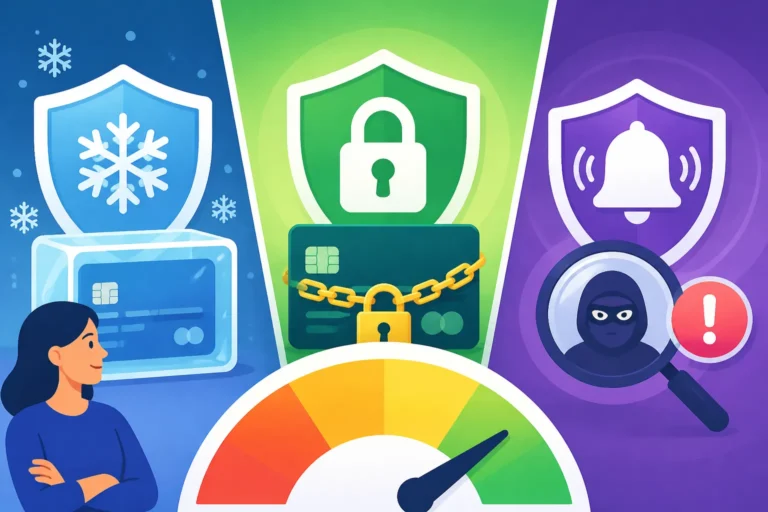
Start by changing all your critical passwords. Think bank accounts, email, credit card portals, and any financial apps. Make them strong and unique. Next, consider placing a credit freeze with all three major credit bureaus: Equifax, Experian, and TransUnion. A credit freeze is like putting a padlock on your credit file; it prevents new creditors from accessing your report, which means new credit, like another loan or credit card, cannot be opened in your name. This is a powerful preventative measure. For a complete guide on this, you can refer to our article on How to Freeze Your Credit (All 3 Bureaus). While it might seem inconvenient if you're planning to apply for credit yourself soon, it's a small price to pay for the security it offers. Don't forget to also consider placing a fraud alert, which flags your file to lenders that they should take extra steps to verify identity before granting credit. Our guide on How to Place a Fraud Alert on Your Credit can walk you through that process.
Gather Your Evidence
Before you start contacting various parties, you'll need to compile all the information related to the fraudulent loan. This evidence will be vital in proving your case and will save you a lot of time and frustration down the line.
Start by obtaining copies of your credit reports from all three major bureaus. You're entitled to free copies annually from AnnualCreditReport.com. Carefully review each report for the fraudulent loan and any other suspicious activity. Note down the name of the lender, the account number, the date the account was opened, the amount of the loan, and any payment history or collection activity associated with it. Take screenshots or make physical copies of everything you find. Additionally, if you have any correspondence from the fraudulent lender (such as collection letters or notices), keep these organized. This documented evidence will be the cornerstone of your dispute, demonstrating exactly what happened and providing concrete details for investigations. Remember, the more organized and thorough your evidence is, the smoother the process will be.
Reporting the Fraudulent Loan
Once your identity is somewhat secured and you've gathered your evidence, it's time to officially report the fraud. This involves a few key players, and acting promptly with each one is essential.
File an Identity Theft Report with the FTC
This is perhaps the most critical step in the entire process. The Federal Trade Commission (FTC) provides a central portal for reporting identity theft, and generating an official FTC Identity Theft Report is crucial. This report serves as your official record that you are a victim of identity theft, and it carries significant weight with creditors and credit bureaus.
To file a report, visit IdentityTheft.gov. The process will guide you through entering details about the fraudulent loan and any other identity theft you've experienced. Be as thorough and accurate as possible. Once completed, you'll receive a personalized recovery plan and, most importantly, the official FTC Identity Theft Report. Keep this document safe, as you will need to provide copies of it to lenders and credit bureaus. Without this report, it can be much harder to prove that you are a victim and not just someone trying to avoid a legitimate debt. This report gives you legal standing and ensures your claims are taken seriously.
Contact the Lender Directly
With your FTC report in hand, your next step is to contact the specific lender who issued the fraudulent loan. This might feel intimidating, but it's a necessary part of removing the item.
Reach out to the lender's fraud department. You can usually find their contact information on their website or by searching for their corporate contact details. Clearly explain that you are a victim of identity theft and that a loan under your name is fraudulent. Provide them with your FTC Identity Theft Report, any police report numbers you may have (if you've filed one locally), and all the evidence you've gathered. Insist that they investigate the matter and remove the fraudulent account from their records and from your credit report. It's often helpful to follow up any phone calls with a certified letter, detailing your conversation and reiterating your request, along with copies of your evidence. Document every communication: the date, time, who you spoke with, and what was discussed. While not always easy, persistence here can lead to a quicker resolution directly with the source.
Notify the Credit Bureaus
The credit bureaus (Equifax, Experian, and TransUnion) are the keepers of your credit history, so they need to be informed of the fraudulent loan directly. You'll need to dispute the item with each bureau individually, as they operate independently.
Each bureau has a specific process for disputing inaccurate or fraudulent information. You can typically do this online, by mail, or sometimes by phone. When disputing, clearly state that the loan is fraudulent due to identity theft. Provide them with your FTC Identity Theft Report and any other supporting documentation. Be sure to reference the specific account number of the fraudulent loan. Our comprehensive guide, How to Dispute With Equifax, Experian, and TransUnion, provides a detailed, step-by-step walkthrough for each bureau, ensuring you cover all your bases. It's critical to dispute with all three, even if the loan only appears on one report, as data can sometimes propagate or appear later. Once you initiate a dispute, the credit bureau has a legal obligation under the Fair Credit Reporting Act (FCRA) to investigate the claim, usually within 30 days.
The Dispute Process: Navigating the Bureaus
Once you've reported the fraud, the dispute process officially begins. This phase requires attention to detail and an understanding of your rights.
Understanding Your Rights Under FCRA
The Fair Credit Reporting Act (FCRA) is a federal law that protects your privacy and ensures the accuracy of your credit report. It grants you several important rights, especially when dealing with fraudulent or inaccurate information.
Under the FCRA, credit bureaus must investigate any disputed information within a reasonable timeframe, typically 30 days (or 45 days if you provide additional information during the investigation period). Furnishers (the lenders who reported the information) are also obligated to investigate disputes and report accurate information. If an item cannot be verified as accurate, it must be removed from your credit report. Furthermore, if you are a victim of identity theft, you have even stronger protections, making the FTC Identity Theft Report so powerful. Knowing these rights empowers you to push back if you encounter resistance or delays. Don't be afraid to cite the FCRA if you feel your rights aren't being respected during the dispute process.
Submitting Your Disputes
When submitting your formal dispute to the credit bureaus, precision and comprehensiveness are key. Don't just tick a box; provide a detailed account.
It's often best to submit your disputes in writing via certified mail, return receipt requested. This provides a clear paper trail and proof that the bureaus received your dispute. In your letter, clearly identify yourself, the fraudulent account, and state unequivocally that it is a result of identity theft. Attach copies of your FTC Identity Theft Report, any police reports, and any other supporting documents like correspondence from the fraudulent lender. Our article, How to Write a Credit Dispute Letter (Template), can give you a solid starting point for drafting an effective letter. Make sure to tailor it specifically to your situation and the details of the fraudulent loan. Be concise but thorough, making it easy for the bureau to understand your claim and initiate their investigation.
Following Up and What to Expect
The initial dispute is just the beginning. You need to actively follow up and understand what happens next.
After you submit your dispute, the credit bureau will notify the furnisher (the lender) about your claim. The furnisher then has their own timeframe to investigate. Within 30-45 days, the credit bureau should send you the results of their investigation. If the fraudulent loan is indeed found to be inaccurate or unverifiable, it must be removed from your report. You should receive an updated credit report reflecting this change. However, sometimes the furnisher "verifies" the account, claiming it's legitimate. In such cases, you might need to appeal the decision, providing even more documentation or considering further action. Our article, What Happens After You File a Credit Dispute?, delves deeper into these scenarios and how to navigate them. It’s a process that can take time and patience, but staying diligent is crucial for a successful outcome.
Long-Term Protection and Recovery
Getting a fraudulent loan removed is a huge victory, but your journey doesn't end there. Protecting yourself moving forward and repairing any lingering damage is just as important.
Credit Monitoring and Extended Fraud Alerts
Once the immediate crisis is over, you need to implement long-term strategies to safeguard your financial health. Identity thieves rarely stop after one attempt, especially if they have some of your personal information.
Activating credit monitoring services is a smart move. Many companies offer free credit monitoring, or you can opt for paid services that provide more comprehensive alerts. These services will notify you of any new accounts opened in your name, changes to your credit report, or suspicious activity, allowing you to catch new fraud attempts early. We have an article dedicated to exploring Credit Monitoring: Is It Worth It? that can help you decide. Additionally, consider placing an extended fraud alert on your credit file. Unlike an initial fraud alert, which lasts 90 days, an extended alert lasts for seven years and requires creditors to take reasonable steps to verify your identity before opening a new account or increasing a credit limit. It also entitles you to two free credit reports within 12 months and ensures your name is removed from pre-screened credit offers. You can learn more about this by reading What Is an Extended Fraud Alert?. These ongoing protections are your best bet against future identity theft.
Rebuilding Your Credit After Fraud
Even if the fraudulent loan is removed, the ordeal can leave you feeling shaken, and sometimes, there might be lingering effects on your credit if other legitimate accounts were impacted during the identity theft. It's time to focus on positive credit habits.
If the fraud caused a dip in your credit score or left your credit file looking thin, you'll want to proactively rebuild. This involves consistent positive credit behavior. Continue to monitor your credit reports regularly, at least once a quarter, to ensure no new unauthorized activity appears and that the fraudulent loan remains removed. Focus on keeping your legitimate credit utilization low, paying all your bills on time, and maintaining a healthy mix of credit accounts. For those whose credit profile took a significant hit or who had a thin credit file to begin with, establishing new, positive credit can be beneficial. Options like secured credit cards or credit builder loans can be excellent tools. A credit builder loan, for instance, helps you save money while building payment history. Providers like Credit Strong offer these types of loans, where you make regular payments into a locked savings account, and those payments are reported to the credit bureaus, helping to demonstrate responsible financial behavior. This structured approach, along with consistently paying your bills, will help improve your credit score over time. Our comprehensive guide on How to Build Credit From Scratch (2026 Guide) can provide more insights into rebuilding your credit effectively.
Here’s a quick summary of key actions and who to contact:
| Action | Primary Contact | Important Documentation | Urgency |
|---|---|---|---|
| Secure Your Identity | Yourself | New passwords | Immediate |
| Place Credit Freeze | Equifax, Experian, TransUnion | Personal info, PIN | Immediate |
| File FTC Identity Theft Report | FTC (IdentityTheft.gov) | Details of fraudulent loan | Within 24-48 hours |
| Contact Fraudulent Lender | Lender's Fraud Dept. | FTC Report, evidence | Within 1 week |
| Dispute with Credit Bureaus | Equifax, Experian, TransUnion | FTC Report, dispute letter | Within 1 week |
| Set Up Credit Monitoring | Credit bureaus, third-party services | Personal info | Ongoing |
| Place Extended Fraud Alert | Equifax, Experian, TransUnion | Personal info, FTC Report | After initial dispute |
By following these steps, you empower yourself to fight back against identity theft and secure your financial future. It's a challenging time, but with diligence, you can overcome it.
Disclaimer
This article is for general informational purposes only and does not constitute professional advice. Laws, prices and regulations vary by location and change over time. Consult a qualified professional for guidance on your specific situation.