How to Freeze Your Credit in Georgia
Oh, the sheer dread of an unexpected credit alert! It's a feeling I know all too well, and if you're living in Georgia, the thought of identity theft silently unraveling your financial life is enough to keep you up at night. Fraudsters are always looking for new ways to exploit personal information, making it incredibly important to proactively shield your credit. This comprehensive guide is here to walk you through exactly how to freeze your credit in Georgia, giving you peace of mind and a robust defense against potential harm.
Why Freezing Your Credit in Georgia is a Smart Move
Let's face it, we live in a world where data breaches feel like a weekly occurrence. From massive corporate hacks to phishing scams that are increasingly sophisticated, our personal information is constantly at risk. For residents across the Peach State, whether you're navigating the traffic of Atlanta, enjoying the quiet charm of Savannah, or thriving in a smaller community, the threat of identity theft is very real. Imagine receiving a notice for a loan or credit card you never applied for – it's a terrifying scenario that far too many Georgians have experienced. That's where a credit freeze comes into play, acting as your first line of defense.
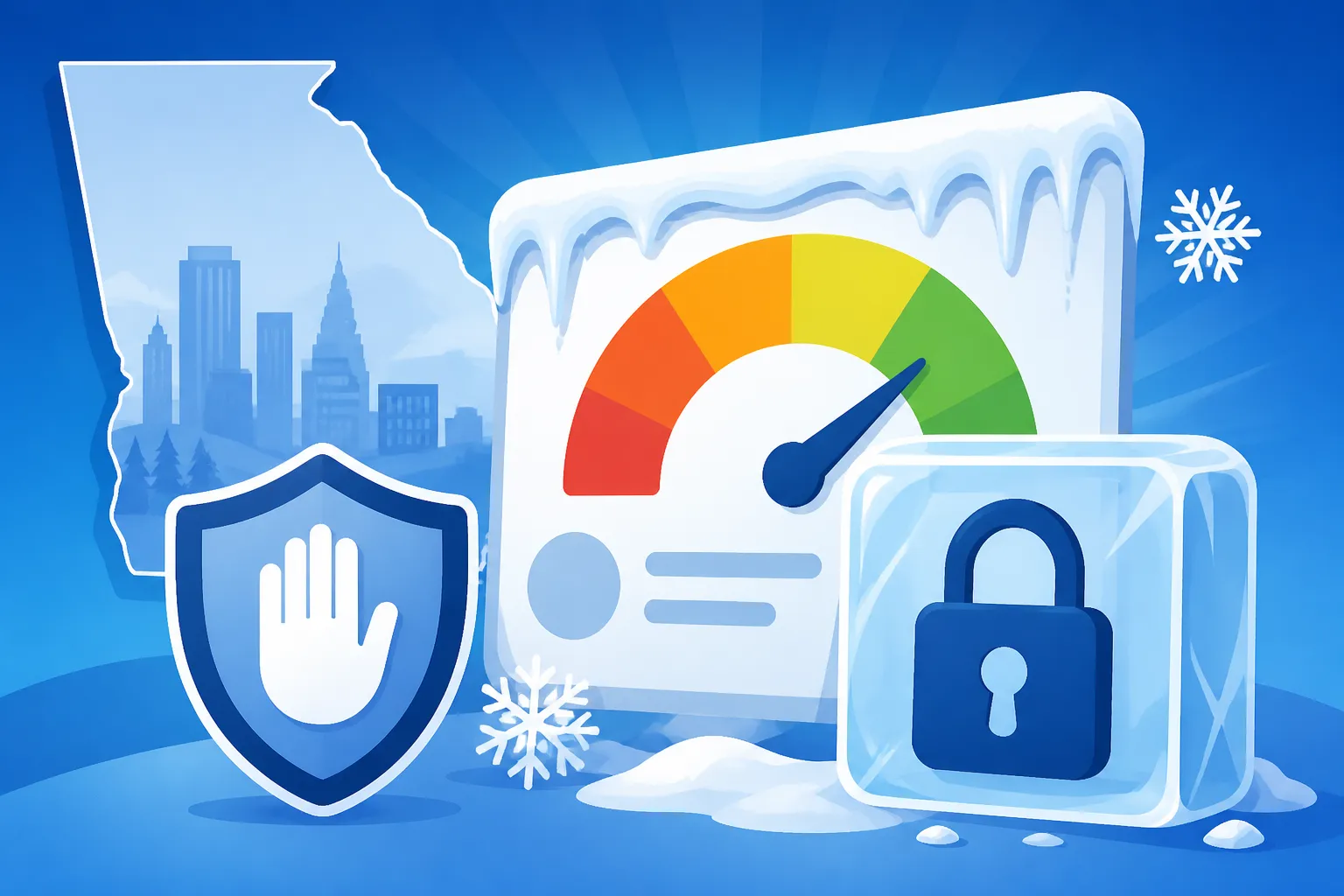
A credit freeze, often called a security freeze, is a powerful tool designed to prevent anyone, including you, from opening new credit accounts in your name. When your credit file is frozen, the credit bureaus – Equifax, Experian, and TransUnion – cannot release your credit report to potential creditors. Without access to your credit report, new credit applications are typically denied, effectively stopping identity thieves dead in their tracks. This isn't just about reacting to a problem; it's about being proactive and shutting down the possibility of new account fraud before it even happens. Unlike credit monitoring services, which alert you after suspicious activity has occurred, a freeze actively prevents that activity from ever showing up on your report. It's like putting an impenetrable lock on your credit file, ensuring that no one can peek inside without your explicit permission.
It's a huge relief, especially if you've ever felt that sinking feeling of being exposed after a data breach. The peace of mind that comes with knowing you've taken concrete steps to protect your financial identity is truly invaluable. Many people worry that freezing their credit will impact their existing accounts or prevent them from using their current credit cards, but that's a common misconception. A credit freeze only impacts new credit applications. Your existing credit cards, mortgage, auto loans, and other accounts will continue to function normally. You'll still make payments, and those payments will still be reported to the bureaus, helping to maintain or build your credit history. Even if you're actively working to build your credit with tools like a secured card or a credit builder loan, such as those offered by services like Credit Strong, a freeze adds an essential layer of protection, ensuring that any positive steps you take aren't undermined by fraudulent activity.
Step-by-Step Guide to Freezing Your Credit with Each Bureau
Freezing your credit is a vital step in protecting your financial well-being, and thankfully, it's completely free for everyone across the United States, including Georgia residents, thanks to a federal law passed in 2018. However, it's crucial to understand that you need to contact each of the three major credit bureaus individually to place a freeze. Freezing your credit with one bureau doesn't automatically freeze it with the others. Each bureau maintains its own separate credit file for you, so taking the time to secure all three is a non-negotiable step.
Here’s how to go about freezing your credit with Equifax, Experian, and TransUnion, making sure your bases are covered right here in Georgia. Remember, the process is largely the same no matter where you live, but knowing the contact points is key.
Freezing Your Credit with Equifax
Equifax, one of the three major credit reporting agencies, makes it quite straightforward to place a security freeze. You have a few options to choose from, depending on your preference.
- Online: This is often the quickest and easiest method. Head over to the Equifax Security Freeze page on their official website. You'll need to create an account or log in if you already have one. Be prepared to provide some identifying information, like your name, address, Social Security number, and date of birth. Once you've completed the steps, Equifax will confirm your freeze has been placed. They will also provide you with a unique PIN (Personal Identification Number) which is absolutely critical for future actions like thawing or lifting your freeze. Keep this PIN in a secure place where you won't lose it but can access it when needed. Seriously, treat that PIN like gold!
- By Phone: If you prefer to speak to someone, you can call Equifax directly. Their dedicated line for security freezes can be found on their website. You'll go through an automated system or speak with a representative who will guide you through the process, verifying your identity with personal information. Just as with the online method, they will issue you a PIN.
- By Mail: For those who prefer traditional mail, you can send a written request to Equifax. Your letter should include your full name, current and past addresses (for the last two years), date of birth, Social Security number, and a copy of a government-issued identification card (like your driver's license or state ID) and proof of address (like a utility bill or bank statement). It's always a good idea to send this type of mail via certified mail with a return receipt requested, so you have proof it was sent and received. The mailing address for Equifax security freezes is usually listed on their website.
Freezing Your Credit with Experian
Next up is Experian. Their process for placing a security freeze is very similar to Equifax's, offering flexibility in how you initiate the freeze.
- Online: Visit the Experian Security Freeze Center on their official website. You’ll be prompted to enter your personal information to verify your identity. The online portal is designed to be user-friendly, guiding you through each step. Once confirmed, Experian will issue you a unique PIN. Like Equifax, this PIN is essential, so make sure to save it in a safe, memorable, yet secure spot.
- By Phone: You can also call Experian's dedicated phone line for security freezes. An automated system or customer service representative will assist you in placing the freeze after verifying your identity. They will provide you with the necessary PIN for managing your freeze in the future.
- By Mail: If mailing your request is more your style, you'll need to send a letter containing your personal identifying information (name, address, DOB, SSN), along with copies of a government ID and proof of address. Send it via certified mail to the Experian security freeze address found on their website.
Freezing Your Credit with TransUnion
Finally, we have TransUnion. Completing the freeze process with them ensures all three major credit bureaus are locked down, providing comprehensive protection.
- Online: Navigate to the TransUnion Credit Freeze page on their official website. You'll follow the prompts to enter your personal details for identity verification. Once the freeze is successfully placed, TransUnion will provide you with a confirmation and an essential PIN that you'll need to keep secure for any future modifications to your freeze.
- By Phone: TransUnion also offers a phone option for placing a security freeze. You can find their contact number for security freezes on their website. Be prepared to provide your personal information for verification.
- By Mail: As with the other bureaus, you can mail a written request to TransUnion. Include all your identifying information, a copy of your government ID, and proof of address. Certified mail with a return receipt is highly recommended for your records. The specific mailing address for TransUnion security freezes will be available on their website.
Once you’ve completed these steps with all three bureaus, your credit reports will be frozen, meaning new creditors won’t be able to access them. This significantly reduces the risk of identity thieves opening accounts in your name. Remember that each bureau will send you confirmation, often including the unique PINs or passwords you’ll need to manage your freeze later. Losing these could make thawing or lifting your freeze a real headache, so make sure they are stored securely! For more details on protecting your identity, you might want to read our guide on How to Protect Your Credit After a Data Breach.
Lifting and Thawing Your Credit in Georgia
So, you've successfully frozen your credit reports, and you're feeling a whole lot safer. That's fantastic! But what happens when you need to apply for new credit? Maybe you're looking to finance a new car, apply for a mortgage in Peachtree City, or even just open a new credit card that offers great rewards. A credit freeze is designed to prevent new access, so you'll need to temporarily "thaw" or permanently "lift" it before any legitimate credit checks can occur.
The process of thawing or lifting your credit freeze is just as important as placing it, and it generally follows the same channels you used to initiate the freeze: online, by phone, or by mail. When you decide to apply for credit, you'll need to unfreeze your report with whichever bureau the potential creditor uses. Some lenders check all three, while others might stick to just one or two. It's often a good idea to ask the lender which credit bureau they'll be pulling from, so you only unfreeze what's necessary.
Temporarily Thawing Your Credit
Most people opt for a temporary "thaw" when they need to apply for credit. This allows a specific lender, or any lender, to access your credit report for a set period.
- Online is usually fastest: Go back to the security freeze section of each credit bureau's website (Equifax, Experian, TransUnion). You'll log in using your account credentials or enter the unique PIN they provided when you originally placed the freeze. From there, you'll have the option to temporarily lift the freeze.
- Specify a timeframe or recipient: You can usually choose how long you want the freeze to be lifted (e.g., 3-5 days, a week, etc.) or, in some cases, you can specify a particular creditor who will be allowed to access your report. This targeted approach is great for security, as it limits exposure.
- Processing Time: Online requests are typically processed almost immediately. If you call, it might take a few minutes. Mail requests, as you might guess, will take the longest – sometimes several business days, so plan accordingly if you're going this route.
Permanently Lifting Your Credit
If you decide you no longer need the protection of a credit freeze at all, you can choose to permanently lift it. This means your credit file will remain accessible to anyone who requests it, just as it was before you initiated the freeze.
- Using your PIN: Similar to thawing, you'll typically use your unique PIN or account login on the credit bureau's website or over the phone to instruct them to permanently remove the freeze.
- Lost your PIN? This is where it gets tricky! If you've misplaced your PIN, you'll likely have to go through a more rigorous identity verification process with the credit bureau. They might require you to submit additional documentation, which can be time-consuming. This is why keeping that PIN safe and accessible is so important.
Remember, once you lift a freeze, your credit report is once again open to potential new account fraud. For more details on the differences between these protective measures, check out our article on Credit Freeze vs Credit Lock vs Fraud Alert.
What Happens After You Freeze Your Credit
You've done the diligent work of freezing your credit reports with all three bureaus, congratulations! It's a significant step towards safeguarding your financial identity. But what does this mean for your day-to-day financial life, and what other considerations should you keep in mind? Understanding the ongoing effects and complementary actions is key to long-term financial security.
First and foremost, a credit freeze does not affect your credit score. Your payment history, credit utilization, and overall credit mix will still be reported and updated, and these factors will continue to influence your score. What it does impact are "hard inquiries" – those inquiries that occur when you apply for new credit. When your credit is frozen, lenders can't perform these hard inquiries, which means new credit cannot be granted. If you're curious about what goes into that magical three-digit number, our guide on What Affects Your Credit Score The 5 Factors dives deep into the details.
How a Credit Freeze Impacts Everyday Transactions
It’s important to distinguish between new credit applications and existing financial activities. As mentioned earlier, your current credit cards, loans, and other existing accounts will function completely normally. You can still use your credit cards, pay your bills, and manage your bank accounts without interruption. The freeze is specifically designed to stop new accounts from being opened.
However, sometimes a credit freeze can create minor hiccups in other areas:
- Employment background checks: Some employers perform credit checks as part of their hiring process, particularly for positions involving financial responsibility. While these are usually "soft inquiries" (which a freeze doesn't block), some may involve hard inquiries. It's wise to discuss this with a prospective employer if a credit check is required.
- Rental applications: Landlords often check your credit report before approving a rental application. You'll need to temporarily unfreeze your credit if you're planning to move to a new apartment in places like Marietta or Athens.
- Insurance applications: Occasionally, insurance companies use credit-based insurance scores. You might need to thaw your credit for these applications too.
- Utility services: Setting up new utility services (electricity, gas, water, internet) can sometimes involve a credit check. Be prepared to thaw your credit if you're establishing new service.
In all these scenarios, remember that a temporary thaw is usually sufficient, and you can refreeze your credit once the check is complete. This balances security with the practical needs of life.
Complementary Protection Measures
While a credit freeze is incredibly effective, it's not a silver bullet for all types of identity theft. For instance, it won't prevent someone from filing taxes in your name, using your existing credit card numbers, or accessing your medical records. Therefore, it's a good practice to use a credit freeze in conjunction with other protective measures:
- Credit Monitoring: Consider signing up for a credit monitoring service. While a freeze stops new accounts, monitoring can alert you to suspicious activity on existing accounts, changes to your personal information, or even inquiries you weren't expecting (like a soft inquiry from a marketing firm). Our post on Credit Monitoring Is It Worth It explores the benefits and drawbacks.
- Fraud Alerts: Placing a fraud alert on your credit file (which is different from a freeze) notifies creditors to take extra steps to verify your identity before extending credit. This can be a great option if you suspect you're a victim of fraud but don't want to fully freeze your credit. You can learn more about How to Place a Fraud Alert on Your Credit.
- Reviewing Your Credit Reports: Regularly checking your credit report from each of the three bureaus for inaccuracies or fraudulent accounts is paramount. You can get a free copy of your credit report from each bureau once every 12 months. Our guide on How to Get Your Free Credit Report explains exactly how to do this. Remember, an error could be anything from a wrong address to an account you don't recognize. Knowing How to Dispute Credit Report Errors Step-by-Step is also a valuable skill.
If you're looking to establish or rebuild your credit after taking these protective steps, services like Credit Strong can be quite beneficial. Credit Strong offers credit builder loans and secured cards, which help you demonstrate responsible financial behavior. Even with a credit freeze in place, you can often still access these tools (though you may need a temporary thaw for the initial application), allowing you to build a positive credit history while maintaining a strong defense against external threats. It's about empowering yourself with both protection and progress in your credit journey.
Comparison of Credit Freeze, Credit Lock, and Fraud Alert
It's easy to get these terms mixed up, but they offer distinct levels of protection. Here's a quick breakdown to help clarify:
| Feature | Credit Freeze | Credit Lock | Fraud Alert |
|---|---|---|---|
| Purpose | Prevents all new credit access. | Similar to a freeze, but often easier to manage. | Notifies lenders to verify identity for new credit. |
| Legally Binding | Yes, by federal law. | No, it's a service offered by bureaus. | Yes, by federal law. |
| Cost | Free. | Can be free or a paid service, depending on bureau. | Free. |
| Ease of Management | Requires PIN/password to lift/thaw. | Often managed via mobile app/online portal. | Less restrictive, no need to lift. |
| Duration | Indefinite, until you lift it. | Indefinite, until you unlock it. | 1 year (initial) or 7 years (extended). |
| Blocks Hard Inquiries | Yes. | Yes. | No, but requires manual verification. |
| Legal Protections | Strongest legal protections. | Varies by service agreement. | Good legal protections. |
Knowing the differences helps you choose the right tool for your specific situation. Many individuals find that a full credit freeze offers the most comprehensive peace of mind.
Disclaimer
The information provided in this article is for general informational purposes only and does not constitute financial, legal, or professional advice. While we strive to provide accurate and up-to-date content, laws and regulations regarding credit and financial products can change. Always consult with a qualified financial advisor, credit counselor, or legal professional for advice tailored to your specific situation.