How to Freeze Your Credit in Delaware
It’s a truly unsettling feeling, isn't it? That nagging worry that your personal financial information might be floating out there, vulnerable to identity theft or unauthorized access. Many of us have experienced a data breach, received a suspicious notification, or simply want to proactively safeguard our financial future. This guide is here to cut through the confusion, offering a clear, step-by-step path for residents in Delaware to freeze their credit and protect themselves against potential fraud.
Understanding What a Credit Freeze Really Means
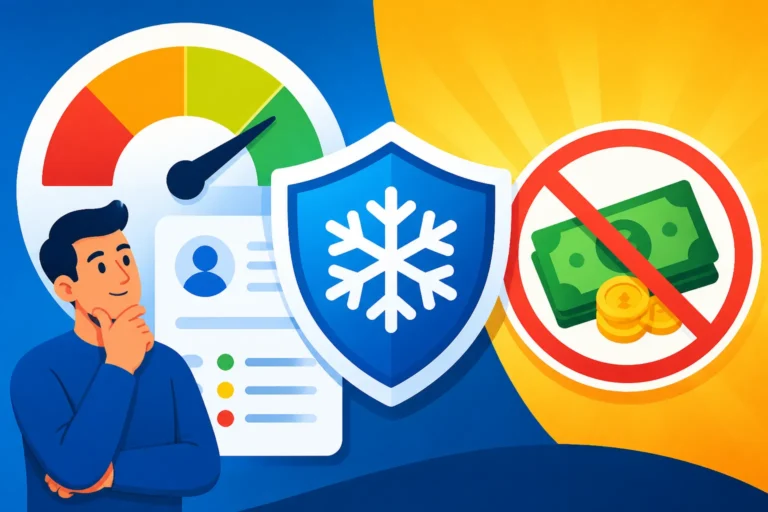
Let's start by demystifying what a credit freeze actually is. Imagine your credit report as a vault containing all your financial history – loans, credit cards, payment records, and more. When you apply for new credit, like a car loan or a new credit card, lenders typically "pull" this report to assess your creditworthiness. A credit freeze, officially known as a security freeze, essentially locks this vault. It prevents potential lenders, creditors, or anyone else from accessing your credit report without your explicit permission.
Why a Credit Freeze is Your Best Defense
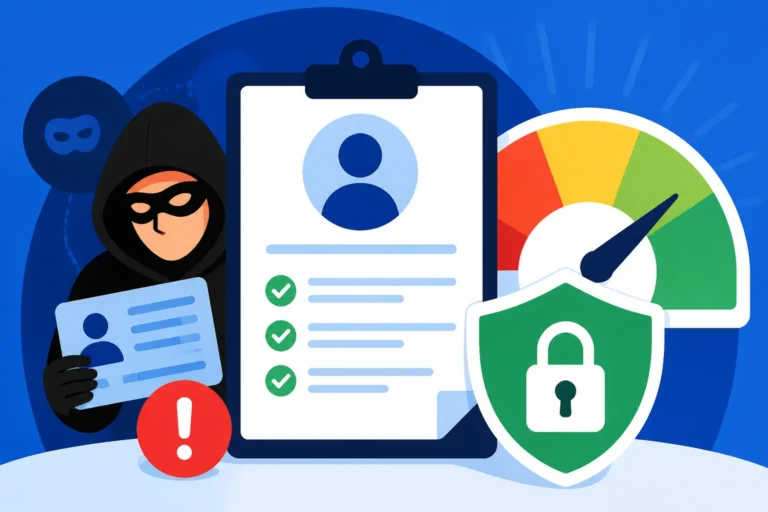
The biggest reason to consider a credit freeze, especially for folks living in Delaware, is the ironclad protection it offers against identity theft and new account fraud. In today's digital world, data breaches are unfortunately common, exposing sensitive information. When your credit is frozen, a scammer who gets hold of your Social Security number and tries to open a new credit card in your name will be denied because the lender can't access your credit file. It’s like putting a "do not enter" sign on your financial data.
Think about it: if someone tries to apply for a loan or a new line of credit using your stolen identity, the credit bureau won't release your credit report. This effectively stops most attempts at opening new fraudulent accounts cold. This is distinct from a fraud alert, which only requires lenders to take reasonable steps to verify your identity; a freeze provides a much stronger barrier. If you're wondering about the differences, you might find our guide on Credit Freeze vs Credit Lock vs Fraud Alert incredibly helpful.
The Peace of Mind for Delaware Residents
While the process for freezing your credit is primarily handled by the three nationwide credit bureaus and governed by federal law, understanding these protections brings particular peace of mind to residents of Delaware. Living in a state where financial security is a growing concern, proactive steps like a credit freeze can prevent immense stress and financial hardship down the line. It ensures that even if your data from a major breach like the one at T-Mobile or Equifax ends up in the wrong hands, it’s much harder for fraudsters to weaponize it against you to open new lines of credit.
Step-by-Step Guide to Freezing Your Credit with Each Bureau
Freezing your credit isn't a "one-and-done" deal with a single entity. Since lenders often check reports from one or more of the three major credit reporting agencies – Equifax, Experian, and TransUnion – you need to place a freeze with each one individually. Don't worry, the process is straightforward and, thanks to federal law, it's completely free.
Freezing Your Credit with Equifax
Equifax makes it pretty easy to initiate a security freeze. You have a few options to choose from, depending on what's most convenient for you.
- Online: This is often the quickest way. Visit the Equifax Security Freeze page on their official website. You'll need to create an account or log in if you already have one. Be prepared to provide some personal information to verify your identity, such as your name, address, Social Security number, and date of birth. Once you submit the request, Equifax will provide you with a PIN that you’ll need if you ever want to temporarily lift or permanently remove the freeze. Keep this PIN in a safe, secure place!
- By Phone: If you prefer to speak with someone or have questions, you can call Equifax's automated line for placing a security freeze. Their number is usually found on their security freeze page. Again, you'll go through an identity verification process.
- By Mail: For those who prefer traditional methods, you can send a written request to Equifax via mail. You'll need to include your full name, current and past addresses (for the last two years), date of birth, and Social Security number. It's also a good idea to include copies of documents that prove your identity, such as a driver's license, utility bill, or bank statement. Send it certified mail with a return receipt requested to ensure it's received. Our guide on How to Contact Equifax About Your Credit Report has more specific details if you choose this route.
Freezing Your Credit with Experian
Experian, like Equifax, offers multiple ways to place a security freeze, ensuring you can choose the method that best suits your comfort level.
- Online: Head over to Experian’s official Security Freeze page. Similar to Equifax, you'll follow the prompts to create an account or log in and verify your identity. After successful verification, you can place the freeze. Experian will also provide you with a PIN or a process to manage your freeze online. Keep those credentials safe!
- By Phone: You can call Experian's dedicated phone line for security freezes. Be ready to answer security questions to confirm your identity.
- By Mail: If mailing your request is your preference, send a written letter to Experian. Include all the same identifying information and copies of supporting documents as you would for Equifax. Send it certified mail, return receipt requested, to Experian's designated security freeze address. For comprehensive contact details, see our article on How to Contact Experian About Your Credit Report.
Freezing Your Credit with TransUnion
TransUnion completes the trio of major credit bureaus. Ensuring your credit is frozen with them is just as critical as with the other two.
- Online: Navigate to TransUnion’s Security Freeze page on their website. You'll go through their secure process to verify your identity and then place the freeze. They will issue a PIN or provide online account access for managing your freeze.
- By Phone: TransUnion also provides a phone number for placing a security freeze. Make sure you have your personal information handy for verification.
- By Mail: As with the other bureaus, a mail-in request is an option. Send your request with all necessary identifying information and copies of identity-proving documents via certified mail, return receipt requested, to TransUnion's security freeze department. Our guide on How to Contact TransUnion About Your Credit Report can help you with precise mailing addresses and contact numbers.
Remember, placing a freeze with all three bureaus is crucial because lenders don't all pull from the same one. For a deeper dive into why all three matter, check out our post on The 3 Credit Bureaus: Equifax, Experian & TransUnion.
Here’s a quick summary of the contact options for each bureau:
| Credit Bureau | Online Access | Phone Number | Mailing Address | Notes |
|---|---|---|---|---|
| Equifax | equifax.com/personal/credit-report-services/credit-freeze/ | 1-888-298-0045 | Equifax Security Freeze, P.O. Box 105788, Atlanta, GA 30348 | Keep your PIN safe! |
| Experian | experian.com/freeze/center.html | 1-888-397-3742 | Experian Security Freeze, P.O. Box 9554, Allen, TX 75013 | Online management usually linked to an account. |
| TransUnion | transunion.com/credit-freeze | 1-888-909-8872 | TransUnion (Fraud Victim Assistance Department), P.O. Box 2000, Chester, PA 19016 | Requires ID verification for all methods. |
Note: Always verify the most current contact information directly on the official websites of Equifax, Experian, and TransUnion, as these details can occasionally change.
Understanding When and How to Unfreeze Your Credit
So, you've taken the excellent step of freezing your credit. Fantastic! But what happens when you actually need to apply for new credit, like a mortgage for a new home in Wilmington, a car loan for commuting to Philadelphia, or perhaps even a new credit card? That's when you'll need to temporarily "thaw" or permanently lift the freeze.
Temporarily Lifting Your Credit Freeze
Most commonly, you'll opt for a temporary lift. This allows a specific lender to access your credit report for a limited time, or for a set period.
- Specify a Date Range: You can tell the credit bureau to lift the freeze for a certain number of days, usually from 1 to 15 days. This is great if you know exactly when a lender will be checking your credit.
- Provide a Specific Lender: Sometimes, you can provide the name of the company that needs to access your report, and the bureau will only unfreeze it for that specific entity. This offers a bit more targeted security.
To do this, you'll go back to the same channels you used to place the freeze: online, phone, or mail. You’ll need your PIN or account credentials you received when you initiated the freeze. If you're managing it online, it's usually just a few clicks. Over the phone, you'll provide your PIN and desired timeframe. Our guide on How to Unfreeze Your Credit Temporarily dives deeper into this process.
Permanently Removing a Credit Freeze
In rare cases, you might decide to permanently remove a credit freeze. Perhaps you've decided you no longer want the added layer of protection, or you're consolidating your financial life in a way that makes it unnecessary. The process is similar to placing or temporarily lifting a freeze – you'll contact each bureau individually, again using your PIN or account credentials, and request a permanent removal. Just be aware that once it's permanently removed, anyone can access your report again, so be sure this is what you truly want to do.
What to Do If You Lose Your PIN
Losing your PIN can feel like a disaster, but don't panic! The credit bureaus have procedures in place for this. You'll typically need to go through a more rigorous identity verification process, often requiring you to send in copies of identification documents like a birth certificate, driver's license, or utility bills. It might take a bit longer, but they will help you regain control. Always make sure to keep your PINs in a secure, yet accessible, place, separate from your other financial documents.
Important Considerations and Proactive Steps for Delaware Residents
Freezing your credit is a powerful tool, but it's just one piece of the puzzle for robust financial security. Let's look at some other crucial aspects, especially for those of us living in Delaware.
The Cost of a Credit Freeze
Good news! As of September 2018, thanks to federal law, placing and lifting a security freeze with all three major credit bureaus (Equifax, Experian, and TransUnion) is absolutely free for everyone. This applies whether you're initiating it, temporarily lifting it, or permanently removing it. So, there's no financial barrier to taking this vital step to protect your identity.
What a Credit Freeze Does NOT Do
It's important to understand the limitations of a credit freeze so you can protect yourself comprehensively. A credit freeze will NOT:
- Prevent a criminal from using your existing accounts: If someone gets your credit card number, a freeze won't stop them from using that specific card. It only prevents new accounts from being opened.
- Stop calls from debt collectors: If you have existing debts in collections, freezing your credit won't make those calls stop. For help with that, you might want to learn How to Freeze Debt Collector Contact (Cease & Desist).
- Impact your credit score: A credit freeze has no effect on your credit score, positively or negatively.
- Stop pre-approved credit offers: You might still receive those pesky pre-approved credit card offers in the mail. If you want to stop those, you need to opt out through OptOutPrescreen.com.
- Prevent soft inquiries: Lenders may still conduct soft inquiries (like when checking your own credit or for promotional offers) which don't require your consent and don't impact your score.
Additional Identity Protection Measures
Beyond a credit freeze, there are several other steps you can take to safeguard your identity and financial health:
- Regularly Check Your Credit Reports: Even with a freeze, you should still be vigilant. Get your free annual credit report from each bureau at AnnualCreditReport.com. Review them thoroughly for any inaccuracies or suspicious activity. Our guide on How to Get Your Free Credit Report details this process. If you spot something, our article on How to Dispute Credit Report Errors (Step-by-Step) can walk you through the correction process.
- Consider Credit Monitoring: While a freeze prevents new account fraud, credit monitoring services can alert you to changes or suspicious activity on your existing accounts. Many banks and credit card companies offer this for free.
- Be Wary of Phishing Scams: Always be cautious of unsolicited emails, texts, or calls asking for personal information. Verify the source before clicking links or sharing data.
- Secure Your Mail: Identity thieves can still steal information from your mailbox. Consider a locking mailbox or picking up your mail promptly.
- Strong Passwords & Two-Factor Authentication: Use unique, complex passwords for all your online financial accounts, and enable two-factor authentication whenever possible.
- Financial Health and Building Credit: While a credit freeze is about protection, managing your financial health is about proactive strength. Tools like a credit builder loan, such as those offered by Credit Strong, can help you establish or improve your credit history, providing a solid foundation even as you protect yourself from external threats. Similarly, understanding How to Build Credit From Scratch (2026 Guide) can empower you with financial resilience. After an identity theft incident, rebuilding your credit might become a priority, and options like Credit Strong could become a valuable part of that recovery strategy, helping you demonstrate responsible financial behavior.
- Delaware-Specific Resources: For residents of Delaware, the Delaware Department of Justice, Consumer Protection Unit, is an excellent resource for reporting identity theft or seeking advice on consumer protection issues. While they don't directly handle credit freezes, they can provide guidance and support if you become a victim of fraud. You can find their contact information on the official Delaware Department of Justice website.
What If You're a Victim of Identity Theft in Delaware?
If, despite all your precautions, you find yourself a victim of identity theft in Delaware, take immediate action:
- File an Identity Theft Report with the FTC: Go to IdentityTheft.gov to report the theft. This will generate a recovery plan and an official Identity Theft Report, which is crucial for disputing fraudulent accounts.
- Contact the Credit Bureaus: Even with a freeze, inform all three bureaus (Equifax, Experian, TransUnion) about the identity theft.
- Contact Creditors: Reach out to any creditors where fraudulent accounts were opened.
- File a Police Report: While not always required, filing a report with your local police department (e.g., in Dover, Newark, or Rehoboth Beach) can be beneficial, especially if a creditor or utility company requires it.
The journey to financial security is ongoing, and freezing your credit is a significant stride in that direction. By understanding the process, knowing what to expect, and taking additional protective measures, Delaware residents can feel much more confident about their financial well-being.
Disclaimer
The information provided in this guide is for general informational purposes only and does not constitute financial, legal, or professional advice. While we strive to provide accurate and up-to-date information, credit bureau policies and state laws can change. Always consult with a qualified financial advisor, credit counselor, or legal professional for advice tailored to your specific situation. The mention of specific brands or services is for contextual information and not an endorsement or recommendation.