What Personal Info Is on Your Credit Report?
It's incredibly frustrating when you hear about something as important as your credit report, but then realize you have no idea what it actually contains, especially beyond the obvious accounts and scores. Many people assume it's just a bunch of numbers, but your credit report holds a surprising amount of personal identifying information, and understanding exactly what's listed is crucial for protecting yourself and ensuring accuracy. This guide will meticulously break down every piece of personal data you'll find on your credit report, explain why it's there, and empower you with the knowledge to handle it, particularly if you spot an error.
Deconstructing Your Credit Report Beyond the Numbers
When we talk about credit reports, most of us immediately think about credit scores, loans, and credit card balances. And while those are certainly central to what a credit report is, they're not the full picture. A credit report is essentially a detailed dossier of your financial behavior, compiled by the three major credit bureaus: Equifax, Experian, and TransUnion. It's a snapshot of your financial reliability that lenders, landlords, and even some employers use to assess your trustworthiness.
The Fundamental Purpose of a Credit Report
At its core, a credit report's purpose is to help entities assess risk. Imagine you're a bank considering giving someone a large loan. You'd want to know if they've paid their bills on time in the past, how much debt they already have, and if they've ever struggled with payments. Your credit report provides this historical data. It lists your various credit accounts—like credit cards, mortgages, auto loans, and student loans—along with their payment status, balances, and credit limits. It also includes public records, like bankruptcies or foreclosures, which paint a more complete financial picture. Without this information, it would be much riskier for businesses to extend credit, which would significantly hamper our economy. Understanding How to Read Your Credit Report (2026 Guide) is the first step to financial literacy.
It's not just about loans, either. Landlords use credit reports to screen potential tenants, utility companies might check them before setting up service, and insurance companies sometimes use credit-based insurance scores to determine premiums. Even some employers might review a limited version of your credit report, especially for jobs that involve handling money or sensitive information. This broad usage means that the information within your report extends far beyond just what you owe.
Who Has Access to Your Credit Report?
It's a common misconception that anyone can just pull your credit report. Thankfully, that's not the case. Access to your credit report is governed by strict laws, primarily the Fair Credit Reporting Act (FCRA). This act ensures that only those with a "permissible purpose" can view your report. Permissible purposes include evaluating you for credit (like a credit card or loan), employment screening (with your written permission), tenancy applications, and insurance underwriting. This is why you often have to sign a consent form when applying for something that requires a credit check.
Furthermore, not all access is the same. There are "hard inquiries" and "soft inquiries." A hard inquiry, typically made when you apply for new credit, can temporarily ding your credit score because it indicates you're seeking more debt. Soft inquiries, like when you check your own credit or when a lender pre-approves you for an offer, do not affect your score. This distinction is important, as it protects your score from casual peeking. For more details, explore What Is a Soft Inquiry vs a Hard Inquiry?.
The Different Sections at a Glance
While this article focuses on personal information, it's helpful to quickly recap the main sections of a credit report so you know where your personal data fits in. Typically, a credit report is organized into five major categories:
- Personal Information: This is the identifying data we'll dive deep into—your name, addresses, Social Security number, date of birth, and employment history.
- Credit Accounts (Tradelines): This section details all your credit accounts, including credit cards, mortgages, auto loans, and student loans. It shows the creditor's name, account number (often masked for security), type of account, date opened, credit limit or loan amount, current balance, and payment history.
- Public Records: This part includes information from public sources, such as bankruptcies, foreclosures, or tax liens (though tax liens and civil judgments were largely removed from credit reports by the major bureaus starting in 2017).
- Inquiries: This section lists everyone who has requested your credit report. It distinguishes between hard inquiries (from applications) and soft inquiries (like your own checks or pre-approvals).
- Collection Accounts: If a debt has gone unpaid for an extended period, the original creditor might sell it to a collection agency, which then reports it here.
Understanding each of these sections is key to managing your financial health effectively. And remember, you can get a copy of How to Get Your Free Credit Report from each of The 3 Credit Bureaus: Equifax, Experian & TransUnion annually.
The Personal Identifying Information Section in Detail
Now, let's zero in on the personal identifying information itself. This isn't just filler; it's the glue that connects all your financial accounts to you. Without accurate personal details, your credit report could easily get mixed up with someone else's, or you might find yourself unable to verify your identity when applying for new credit.
Your Name and Aliases
It might seem obvious, but your credit report will list your full legal name. What many people don't realize is that it might also include variations or aliases you've used throughout your life. This could be a maiden name, a former married name, or even common misspellings of your name that have appeared on past applications. For instance, if you once applied for a credit card and your name was accidentally entered as "Jon Smith" instead of "John Smith," that variation might show up.
The purpose of including these variations is to ensure that all accounts associated with you, regardless of how your name was entered, are correctly linked. However, it can also lead to issues if an alias is incorrect or belongs to someone else. It's crucial to review this section carefully to ensure that every name listed genuinely belongs to you and hasn't resulted from a clerical error or, worse, identity theft.
Current and Past Addresses
Your credit report will contain a detailed history of your residential addresses. This typically includes your current mailing address, as well as all previous addresses reported by creditors or public records over the past seven to ten years. If you've moved a lot, this section can be quite extensive. Creditors use your address history as part of their identity verification process. It helps them confirm that you are who you say you are and can also be used to track down individuals if accounts go into default.
The inclusion of past addresses is particularly important for security. If you see an address listed that you've never lived at, it could be a red flag for identity theft, where someone has opened accounts in your name using a different address. You also want to make sure all your actual past addresses are correct. An error here might not seem significant, but it could make it harder for future lenders to verify your identity, potentially delaying or even denying applications. Learn How to Remove an Old Address From Your Credit Report if you find inaccuracies.
Dates of Birth and Social Security Numbers
These are arguably the most sensitive pieces of personal information on your credit report. Your date of birth helps distinguish you from others with similar names and address histories, while your Social Security number (SSN) is the primary identifier used by the credit bureaus to link all your financial activities to your unique identity. The SSN is the lynchpin of your credit profile. Without it, the bureaus would have a much harder time accurately compiling your financial data.
Because of their critical nature, errors in your date of birth or SSN are extremely serious. An incorrect SSN could mean your report is mixed with someone else's, or that accounts belonging to another person are appearing on your report, and vice versa. An incorrect date of birth could likewise cause confusion and hinder identity verification. If you ever find a discrepancy in these details, it should be your top priority to get it corrected immediately, as it directly impacts your financial security and the accuracy of your entire credit history.
Phone Numbers and Employment History
Your credit report may also list phone numbers you've used, often those provided on credit applications. While typically not as central as your SSN or date of birth, these details can still play a role in identity verification and communication from creditors. Similarly, your employment history, including past and present employers, job titles, and dates of employment, can appear on your report. This information is usually reported by creditors when you apply for credit and is used to assess your stability and income source.
While employment history doesn't directly factor into your credit score, it provides a broader context for lenders. For example, a stable employment history can signal reliability. If you use a service like Credit Strong, which offers credit builder accounts, the information you provide about your employment helps build out a robust profile. Just like with addresses, seeing an unknown employer or phone number could signal potential fraud. While these pieces of information might seem less critical than your SSN, they still form part of your overall personal data fingerprint on your report and deserve careful review.
Why Accuracy of Personal Information is Paramount
It might be tempting to skim over the personal information section, thinking it's less important than the payment history or account balances. But that couldn't be further from the truth. The accuracy of your personal data is the foundation upon which your entire credit profile is built. Any inconsistencies or errors here can ripple through your entire financial life, causing headaches and potentially costing you money.
Preventing Identity Theft and Fraud
Perhaps the most critical reason for maintaining accurate personal information on your credit report is to prevent identity theft. When criminals steal your identity, they often try to open new accounts in your name. They might use a slightly altered version of your name, a new address, or even a fabricated Social Security number, hoping these minor discrepancies go unnoticed. By regularly reviewing your personal information, you can spot these anomalies early. If you see an address you've never lived at, a name variation you've never used, or an employer you've never worked for, these are bright red flags.
Catching these issues quickly is key. The longer fraudulent information remains unchallenged, the more difficult it can be to remove and the more damage it can cause to your credit and financial well-being. Services like credit monitoring can help alert you to changes, but a manual review of your full report remains essential. If you suspect you're a victim, learning What to Do If You're a Victim of Identity Theft immediately is vital.
Ensuring Accurate Credit Matching
Credit bureaus process billions of data points daily. Their sophisticated algorithms try to match accounts to the correct individual based on a combination of personal identifiers: your name, SSN, date of birth, and addresses. If any of these details are inaccurate or inconsistent across different data sources, it can lead to two major problems: mixed files or inaccurate reporting.
A "mixed file" occurs when parts of another person's credit history end up on your report, or vice versa. This is particularly common if you have a common name or share a name with a relative who has a similar address history. An incorrect date of birth or SSN can exacerbate this issue, leading to accounts that aren't yours appearing on your report. This means you could be penalized for someone else's late payments or high debt, negatively impacting your ability to get loans or good rates. This is also why differences between your 3 credit reports can sometimes be explained by varying degrees of personal data accuracy across bureaus.
Impact on Loan and Application Processes
When you apply for a loan, a credit card, or even to rent an apartment, lenders and landlords use your personal information to verify your identity and pull your credit report. If the personal details on your application don't exactly match what's on file with the credit bureaus, it can cause significant delays or even outright rejections. Imagine applying for a mortgage, only to have your application stalled because your current address on the application doesn't match the one the credit bureau has as your primary residence.
Such discrepancies can make you look less credible or even raise suspicions of fraud, even if it's just a simple typo or an outdated address. This means crucial opportunities could be missed due to something as seemingly minor as a wrong digit in your phone number or an old employer listing. Ensuring these details are always up-to-date and accurate on your credit report facilitates smooth application processes and reduces unnecessary stress.
How to Access and Review Your Personal Data
Okay, so you understand why this information is important. Now, let's talk about how to actually see it and make sure it's correct. Being proactive about checking your credit reports is one of the smartest financial habits you can develop.
Getting Your Free Credit Reports Annually
The absolute best way to review your personal data (and everything else on your credit report!) is to obtain your free annual credit reports. The Fair Credit Reporting Act (FCRA) entitles every consumer to one free copy of their credit report from each of the three major credit bureaus—Equifax, Experian, and TransUnion—every 12 months. The only official, federally authorized source for these free reports is AnnualCreditReport.com. It's safe, secure, and the only place you can guarantee getting all three reports without being upsold on other services.
My advice? Don't pull all three at once. Instead, space them out. For example, pull your Experian report in January, your TransUnion report in May, and your Equifax report in September. This way, you can monitor your credit file more consistently throughout the year, rather than just once. When you pull your report, give yourself ample time to sit down and go through it line by line. Don't rush!
Understanding Different Credit Bureau Formats
While the core information on your credit reports will be similar, the presentation can vary significantly between Equifax, Experian, and TransUnion. Each bureau has its own format, layout, and even slightly different terminology. This can be a bit confusing at first, as an account might appear slightly differently on one report compared to another, or your addresses might be listed in a different order.
It's common for there to be slight discrepancies, not just in formatting but in the actual data itself. For example, one bureau might have an older address listed as your current one, while another has updated it. Or, one creditor might only report to two of the three bureaus, meaning an account might appear on Experian and TransUnion but not Equifax. This is why it's so important to review all three reports. Don't assume that if one report is clean, the others will be too. You might find that How to Read Your Experian Credit Report is different from How to Read Your TransUnion Credit Report.
| Section | Typical Information Included | Importance for You |
|---|---|---|
| Personal Information | Name, Aliases, Current & Past Addresses, DOB, SSN, Phone, Employment | Foundation for identity verification, fraud prevention, accurate account matching. |
| Credit Accounts | Account type, Creditor, Account number, Balance, Payment History | Core of your creditworthiness, impacts score, shows repayment behavior. |
| Public Records | Bankruptcies, Foreclosures (if applicable) | Significant negative impact, indicates severe financial distress. |
| Inquiries | Hard & Soft Inquiries, Date, Creditor | Hard inquiries impact score, shows recent credit-seeking behavior. |
| Collection Accounts | Original Creditor, Collector, Amount, Status | Significant negative impact, indicates unpaid debt sold to a collector. |
Regular Monitoring for Changes
Beyond your annual free reports, it's a good practice to regularly monitor your credit information. Many credit card companies and financial institutions, like Capital One with CreditWise or Discover with its free credit score tool, now offer free access to one of your credit scores and often a simplified view of your credit report data. While these aren't the full statutory reports, they can be useful for spotting sudden changes or new accounts.
Additionally, services like Credit Strong, which helps people build credit, often provide tools or resources to monitor your progress and review your credit profile. This can give you an early heads-up if new personal information appears or if an existing detail changes unexpectedly. Setting up simple credit alerts, which many credit bureaus offer for free, can notify you via email or text if certain changes occur on your report, such as a new account being opened or a hard inquiry being posted. This proactive approach can make a huge difference in catching potential problems before they escalate.
What to Do When Personal Information is Incorrect
Finding an error on your credit report can feel like a punch to the gut. It's frustrating to know that something out of your control could be impacting your financial future. But don't despair! The law is on your side, and there's a clear process for getting these inaccuracies corrected.
The Importance of Disputing Errors Promptly
When you find incorrect personal information—whether it's an old, wrong address, a misspelled name, or an unknown employer—the absolute first thing you need to do is dispute it. Don't wait. The longer an error sits on your report, the more entrenched it can become, and the harder it might be to remove. More importantly, incorrect information can lead to a mixed file, prevent you from getting approved for loans, or, in the worst-case scenario, signal identity theft.
Prompt disputes are crucial because they trigger a legal obligation for the credit bureaus and the information providers (the creditors) to investigate. Under the FCRA, they generally have 30 days (or sometimes 45 days, depending on how you submit your dispute) to investigate your claim and correct any verified inaccuracies. Missing this window, or simply hoping it goes away, is not an option when your financial reputation is on the line. Learn How to Dispute Errors on Your Credit Report.
Step-by-Step Guide to Correcting Personal Information
Correcting errors on your credit report, especially personal identifying information, follows a specific process:
- Obtain All Three Reports: First, pull all three of your free credit reports from AnnualCreditReport.com. You need to see if the error is on one, two, or all three of them.
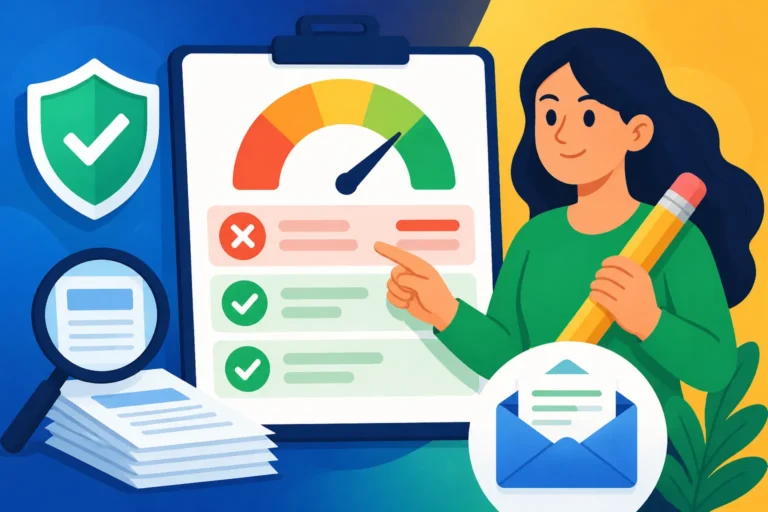
- Identify and Document the Error: Clearly mark or highlight the incorrect information on each report where it appears. Gather any documentation you have that proves the information is incorrect (e.g., utility bills for correct addresses, ID for correct name/DOB, pay stubs for correct employer).
- Initiate a Dispute with the Credit Bureaus:
- Online: This is often the fastest method. Visit the dispute centers for Equifax, Experian, and TransUnion directly on their websites. You'll need to create an account and follow their prompts to submit your dispute. Be specific about what information is wrong and why.
- Mail: If you prefer, you can mail a dispute letter. Clearly state the incorrect information, provide your supporting documents, and request its removal or correction. Always send it via certified mail with a return receipt requested so you have proof it was received. A template for How to Write a Credit Dispute Letter (Template) can be very helpful here.
- Dispute with the Creditor (Optional but Recommended): While the bureaus are required to investigate, it's often a good idea to also contact the creditor or data furnisher directly. If a specific account is reporting an incorrect name or old address, reaching out to them can sometimes expedite the correction process.
- Follow Up: Keep copies of everything—your dispute letters, any supporting documents, and confirmation numbers for online disputes. After 30-45 days, check your credit reports again to ensure the correction has been made. The bureaus should also send you a letter notifying you of the outcome. If it's not corrected, you may need to escalate the dispute.
For a specific guide on fixing errors, refer to How to Correct Wrong Personal Information on Your Report.
Common Mistakes and How to Avoid Them
When disputing personal information errors, a few common pitfalls can hinder your efforts:
- Being Vague: Don't just say "my address is wrong." Specify which address is wrong, what the correct address should be, and provide proof. The more precise you are, the easier it is for the bureaus to investigate.
- Not Providing Documentation: While you don't always need documentation for simple disputes, having it for personal info errors (like a utility bill for an address or a driver's license for a name) makes your case much stronger and faster to resolve.
- Giving Up Too Soon: The dispute process can sometimes be frustrating, especially if an error isn't immediately fixed. If your initial dispute is denied, don't just throw in the towel. Re-dispute with more evidence or consider submitting a What Is a Consumer Statement on a Credit Report? to explain the situation on your report.
- Disputing Correct Information: Only dispute information that is genuinely inaccurate. Disputing accurate but negative information will likely be denied and can waste your time. If you have genuinely negative but accurate personal information, like a public record entry (if applicable), disputing it simply because you don't like it won't work.
Protecting Your Personal Information on Your Credit Report
Beyond disputing errors, there are proactive steps you can take to safeguard your personal information and prevent it from being compromised in the first place. Think of it as building a strong fortress around your financial identity.
Credit Freezes and Fraud Alerts as Safeguards
Two powerful tools at your disposal are credit freezes and fraud alerts. A credit freeze, sometimes called a security freeze, is like locking your credit file, making it inaccessible to most third parties. If your credit file is frozen, lenders cannot check your credit, and therefore, cannot open new accounts in your name. This is an incredibly effective way to prevent identity thieves from using your information to apply for new credit. You'll need to freeze your credit with each of the three major bureaus individually. While it does mean you'll have to temporarily lift the freeze if you want to apply for new credit, the peace of mind it offers is often well worth the minor inconvenience. Wondering if Does Freezing Your Credit Hurt Your Score?? The answer is no! For a full guide on How to Freeze Your Credit (All 3 Bureaus) check out our other resources.
A fraud alert, on the other hand, places a note on your credit file asking lenders to take extra steps to verify your identity before extending credit. If you place an initial fraud alert with one bureau, they are required to notify the other two. This is a good option if you suspect you've been a victim of identity theft but don't want to completely lock down your credit. There are also extended fraud alerts for confirmed victims of identity theft. Understanding Credit Freeze vs Credit Lock vs Fraud Alert can help you choose the right protection. You can learn How to Place a Fraud Alert on Your Credit for added security.
Best Practices for Data Security
Protecting your personal information goes beyond just your credit report; it's about your overall digital and physical security habits. Here are a few best practices:
- Shred Sensitive Documents: Don't just toss old bank statements, credit card offers, or utility bills in the trash. Shred anything that contains your name, address, account numbers, or other sensitive details.
- Use Strong, Unique Passwords: For all your online financial accounts, use complex passwords and never reuse them. Consider a password manager to keep track of them securely.
- Be Wary of Phishing Scams: Identity thieves often try to trick you into revealing personal information through fake emails, texts, or phone calls. Always verify the sender before clicking links or providing any data. Financial institutions will never ask for your full SSN or account number via unsolicited email.
- Monitor Your Accounts Regularly: Beyond your credit report, keep an eye on your bank accounts, credit card statements, and other financial accounts for any suspicious activity. The sooner you spot something, the faster you can act.
- Secure Your Mail: If you're going away, have your mail held or ask a trusted neighbor to collect it. Mail theft can be a gateway to identity theft.
Credit Strong encourages users to maintain good financial hygiene, and that absolutely includes protecting your personal information.
When to Consider Professional Help
While many personal information errors can be handled on your own, there are times when professional help might be beneficial. If you find yourself overwhelmed by numerous errors, are dealing with complex identity theft situations, or if the credit bureaus are unresponsive to your legitimate disputes, a reputable credit repair company or a consumer attorney might be able to assist.
A good credit repair company can navigate the complexities of the dispute process, communicate with creditors and bureaus on your behalf, and help you build a strategy to manage your credit more effectively. However, be cautious and research thoroughly, as there are many scams out there. Always check for legitimate licensing and reviews. For general advice, consider if you need help with How to Report Identity Theft to the Credit Bureaus. For truly intractable problems, especially related to identity theft or repeated bureau non-compliance, consulting with a consumer law attorney specializing in FCRA violations could be your best course of action. They can help ensure your rights are protected and that the bureaus adhere to their legal obligations.
Disclaimer
Please note that this article is intended for informational purposes only and does not constitute financial, legal, or credit advice. While we strive to provide accurate and up-to-date information, credit laws and practices can change. It's always best to consult with a qualified financial advisor or legal professional for advice tailored to your specific situation.