How to Freeze Your Credit in California
It's an unsettling feeling to constantly worry about your personal information floating around after a data breach, or worse, discovering unauthorized activity on your credit report. The good news is, you have a powerful tool at your disposal to protect yourself from identity theft and fraud: the credit freeze. For those of us living in the Golden State, understanding how to freeze your credit in California is a vital step in safeguarding your financial future. This guide will walk you through everything you need to know.
Understanding What a Credit Freeze Really Means
Let's be real, the world of credit can feel like a labyrinth, and terms like "credit freeze," "credit lock," and "fraud alert" often get thrown around interchangeably. But they're not the same, and knowing the differences is crucial for effective protection. A credit freeze, often called a security freeze, is like putting your credit report into a deep freeze. It restricts access to your credit file, meaning no new creditors can peek at it without your explicit permission. This effectively stops identity thieves from opening new accounts in your name, which is a common and devastating form of fraud.
It's Not a Credit Lock or Fraud Alert
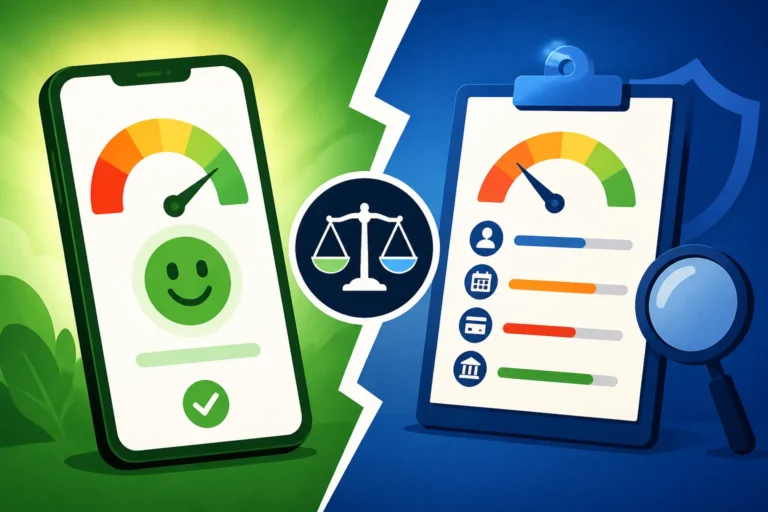
While all three are designed to protect your credit, they operate differently. A credit freeze is the most robust protection. It's mandated by federal law, free to place and lift, and applies to anyone. A credit bureau cannot share your credit file with potential creditors when a freeze is active, making it extremely difficult for new credit accounts to be opened.
A credit lock, on the other hand, is a service often offered by the credit bureaus themselves, sometimes for a fee. It's typically easier to turn on and off via a mobile app or online portal, offering more convenience than a freeze. However, the legal protections can vary, and it might not be as universally recognized as a federal credit freeze. Think of it as a quicker, more flexible option, but perhaps with slightly less ironclad protection in certain scenarios.
Then there's the fraud alert. This is a flag placed on your credit report that tells potential creditors to take extra steps to verify your identity before extending credit. It's a good first line of defense, but it doesn't stop creditors from accessing your report; it just prompts them to be more cautious. You can place an initial fraud alert for one year, and if you're a victim of identity theft, you can extend it to an extended fraud alert. It's a useful addition, but it's not the same impenetrable wall a freeze provides.
Why a Credit Freeze is Your Best Defense
Imagine someone gets hold of your Social Security number and decides to apply for a new credit card or a car loan in your name. If you have a credit freeze in place, that application would likely be denied because the lender wouldn't be able to access your credit history from Equifax, Experian, or TransUnion. It’s a pretty effective roadblock. This is especially vital in our digital age where data breaches are unfortunately common. Freezing your credit report is a proactive step that puts you in control, rather than reacting to a problem after it's already caused damage. It essentially makes your credit file invisible to unauthorized parties, thereby preventing new lines of credit from being opened without your specific approval. This can save you countless hours and immense stress down the line, as how to dispute fraudulent accounts can be a lengthy process.
Step-by-Step Guide to Freezing Your Credit in California
Freezing your credit might sound complicated, but it's actually quite straightforward, thanks to federal law. You'll need to contact each of the three major credit reporting agencies individually. Don't worry, it's a small investment of your time for significant peace of mind.
Contacting the Three Major Credit Bureaus
To fully freeze your credit, you must contact each of the three nationwide credit bureaus: Equifax, Experian, and TransUnion. Freezing with just one or two leaves you vulnerable, as lenders might check a different bureau.
Here’s how to reach them:
- Equifax: You can place a security freeze online at Equifax.com/personal/credit-report-services or call 1-800-685-1111.
- Experian: Visit Experian.com/freeze/center.html to set up a freeze online, or call 1-888-397-3742.
- TransUnion: Go to TransUnion.com/credit-freeze or call 1-888-909-8872.
When you contact them, they’ll ask for some personal identifying information to verify who you are, such as your full name, current and previous addresses, Social Security number, and date of birth. This is standard procedure to ensure you are the one requesting the freeze. It's a good idea to have this information handy before you start the process.
Providing Required Information for the Freeze
Each credit bureau will have a slightly different process for verification, but generally, you’ll need to provide:
- Full Legal Name: As it appears on your official documents.
- Current and Previous Addresses: Typically, they ask for addresses from the last two years.
- Date of Birth: To confirm your identity.
- Social Security Number: This is the primary identifier for your credit file.
- Proof of Identity: While not always required for online requests, if you mail in a request or they have trouble verifying your identity, you might need to send copies of documents like a driver’s license, state ID, or utility bill.
It's vital to ensure all information is accurate to avoid delays. If you're looking to how to remove negative items from your credit report, accuracy is equally important. Remember, each bureau handles its own freeze, so you're essentially repeating a similar process three times. It might feel a bit tedious, but it's essential for comprehensive protection.
Understanding Your PIN and How to Use It
Once you've successfully placed a credit freeze with each bureau, they will typically provide you with a unique Personal Identification Number (PIN). This PIN is extremely important. It’s your key to unlocking your credit file when you legitimately need to apply for new credit, such as a mortgage, car loan, or new credit card. Keep these PINs in a secure, yet accessible place. Do not lose them.
If you ever need to apply for credit, you'll use this PIN to temporarily lift or permanently remove the freeze. Without it, you could face significant delays and headaches. Some bureaus might offer an online account where you can manage your freeze without a physical PIN, but even then, a unique identifier is usually generated. Services like Credit Strong emphasize the importance of managing your financial identity, and a secure PIN is a big part of that. Imagine applying for an apartment in a competitive market like Los Angeles; if your credit is frozen and you can't quickly lift it, you might miss out.
Special Considerations for California Residents
California has some of the strongest consumer protection laws in the nation, and that extends to credit freezes. These laws are designed to give residents more control and better safeguards against identity theft.
California's Identity Theft Laws and Your Rights
California Civil Code Section 1798.80 et seq., often referred to as the "Shine the Light" law, among others, provides specific rights regarding your personal information. When it comes to credit freezes, California law reinforces the federal mandate, ensuring that credit bureaus must place and lift freezes for California residents free of charge. You also have the right to request a credit freeze for a minor in your care, something we'll touch on next.
Furthermore, California law generally requires that credit reporting agencies offer security freezes to consumers without charge and respond to requests to place or remove a freeze within specific timeframes. This ensures that when you need to unfreeze your credit temporarily for a legitimate application, the process is efficient and doesn't hinder your financial plans. These state-specific protections add an extra layer of reassurance for Californians looking to secure their credit.
Freezing Credit for Minors in California
Unfortunately, children are not immune to identity theft. A thief could open accounts in a child's name, and the fraud might not be discovered until years later when the child applies for their first credit card or student loan. California law provides a way to protect minors by allowing parents or legal guardians to place a security freeze on their child's credit report.
To do this, you'll typically need to provide proof of your identity (like a driver's license), proof of your child's identity (birth certificate, Social Security card), and proof of your authority to act on their behalf (e.g., a court order if you're a legal guardian). Each of the three credit bureaus has a specific process for this, and it's important to follow their instructions carefully. Placing a freeze for a minor is a fantastic proactive measure to protect their future financial health, ensuring they don't start adulthood with a damaged credit history they didn't create. It's a critical step, similar to learning how to build credit at 18 for healthy financial beginnings.
Temporarily Lifting or Permanently Unfreezing Your Credit
A credit freeze isn't meant to be a permanent barrier to your financial life. There will be times when you legitimately need your credit report accessed, like when applying for a new credit card, a loan, or even some jobs or apartment rentals. That's where lifting or unfreezing comes in.
The Process for Thawing Your Credit
When you need to allow a specific lender or entity to view your credit report, you'll need to "thaw" or "lift" the freeze. You can do this in two ways:
- Temporary Lift: This allows access to your report for a specific period (e.g., 3 days, 7 days, 14 days) or until a specific date you choose. After the period expires, the freeze automatically reinstates. This is often the best option if you know exactly when and for whom your credit needs to be accessed. You’ll log into your account with each credit bureau or call their dedicated freeze lines and provide your PIN.
- Permanent Unfreeze: This removes the freeze entirely. Only do this if you are absolutely certain you no longer want the protection of a freeze. You can always place a new freeze later if needed, but it's generally recommended to use temporary lifts for specific needs.
Just like placing the freeze, you must contact each of the three credit bureaus individually to lift or unfreeze your report. If you're applying for a loan, confirm which credit bureau the lender intends to pull from, then lift the freeze only with that bureau, if possible. This targeted approach minimizes the time your credit report is exposed. This is similar to how you would approach a dispute when you learn how to dispute with Equifax, Experian, and TransUnion – tackling each one separately.
When to Consider a Temporary Lift vs. a Permanent Unfreeze
Choosing between a temporary lift and a permanent unfreeze depends entirely on your needs.
-
Temporary Lift is Ideal For:
- Applying for a new credit card.
- Seeking a mortgage or car loan.
- Applying for an apartment rental where a credit check is required.
- Any situation where you know exactly which creditor needs to access your report and for how long.
- Maintaining maximum protection while still facilitating legitimate financial activities.
-
Permanent Unfreeze Might Be Considered If:
- You are actively rebuilding your credit and will be applying for various forms of credit over an extended period. (Though temporary lifts are still recommended.)
- You are using credit-building tools like Credit Strong, which might require more frequent access. However, even with such tools, you can often manage access with temporary lifts.
- You are comfortable with a fraud alert as your primary protection and are highly vigilant about monitoring your how to read your credit report regularly.
Generally, a temporary lift is the safer and more recommended option. It limits the window of vulnerability and automatically re-secures your credit.
Important Things to Remember After Freezing Your Credit
Placing a credit freeze is a fantastic step, but it's not a set-it-and-forget-it solution. Think of it as a robust security system for your house; you still need to monitor things and understand its limitations.
Monitoring Your Credit Report Regularly
Even with a credit freeze in place, it's crucial to regularly monitor your existing credit accounts and your credit reports. A freeze prevents new accounts from being opened, but it doesn't stop activity on accounts that already exist. Identity thieves could still try to use your existing credit cards or make changes to your current loans.
Make it a habit to check your credit score for free and grab your full credit reports from AnnualCreditReport.com at least once a year. California residents, like all Americans, are entitled to a free report from each of the three bureaus annually. Stagger your requests – get one from Equifax now, Experian in four months, and TransUnion four months after that – to effectively monitor your credit every four months. This way, you can spot any suspicious activity on existing accounts promptly, such as incorrect balances or unauthorized changes. Tools that help you manage your financial data, like Credit Strong, often come with monitoring features that can alert you to changes, adding another layer of security.
What a Credit Freeze Doesn't Do
While powerful, a credit freeze isn't a magic bullet that solves all financial security problems. It's important to understand its limitations:
- Doesn't prevent identity theft on existing accounts: As mentioned, it stops new accounts, but not fraudulent activity on accounts you already have open. Keep an eye on your bank statements and credit card bills.
- Doesn't prevent all types of fraud: A credit freeze won't stop a scammer from using your debit card or filing a fraudulent tax return in your name. It's specifically about preventing unauthorized access to your credit report for new credit.
- Doesn't affect your credit score: Placing or lifting a credit freeze has no impact on your credit score. It's a security measure, not a credit activity.
- Doesn't stop soft inquiries: Lenders may still be able to perform soft inquiries, which don't require your permission and don't affect your credit score. These often happen for pre-approved credit offers, existing account reviews, or employment background checks (if not for credit-granting purposes).
- Doesn't stop government agencies from accessing your report: Legitimate government investigations or court orders can still grant access to your credit report, even with a freeze.
- Doesn't affect medical information: Your medical records are separate from your credit report, so a credit freeze won't protect against medical identity theft.
Essentially, a credit freeze is a crucial part of a larger personal security strategy. Combine it with strong passwords, being wary of phishing attempts, and regular account monitoring to create a comprehensive defense. It’s like when you’re learning how to repair your credit: the complete guide (2026) – it’s a multifaceted approach, not just one trick.
To help visualize the differences between these important tools, here's a quick comparison:
| Feature | Credit Freeze | Credit Lock | Fraud Alert |
|---|---|---|---|
| Legal Basis | Federal Law (FACT Act) | Contract with Credit Bureau | Federal Law (FACT Act) |
| Cost | Free to place and lift | Can be free or paid, varies by bureau | Free |
| Protection Level | Highest – Blocks all unauthorized new credit | High – Blocks new credit, managed via app | Medium – Requires verification, doesn't block |
| Activation | Contact each of the 3 bureaus individually | Often via mobile app or online portal | Contact one bureau, they notify the other two |
| Deactivation | Provide PIN or specific info to each bureau | Via app or online portal, typically instant | Expires after 1 year (initial) or 7 years (extended) |
| Effect on Existing Accounts | None | None | None |
| Effect on Credit Score | None | None | None |
| Target Audience | Anyone wanting maximum protection | Those seeking convenience with strong protection | Victims of identity theft or those with concerns |
This table helps illustrate that while a credit lock might offer more convenience for managing access, the credit freeze remains the gold standard for preventing unauthorized new credit accounts, especially for us here in California. It truly is a proactive measure that empowers you to take control of your financial security. If you're currently working on how to build credit from scratch (2026 guide), a credit freeze after you establish your initial accounts can be a smart move to protect your nascent credit history.
Disclaimer
The information provided in this article is for general informational purposes only and does not constitute financial, legal, or professional advice. While we strive to provide accurate and up-to-date information, credit laws and regulations can change. Always consult with a qualified financial advisor or legal professional for advice tailored to your specific situation.