How to Set Up Two-Factor Credit Alerts
It's an unsettling feeling, isn't it? That nagging worry that somewhere out there, someone might be trying to access your financial life without your permission. Many of us constantly check our bank accounts or rely on basic alerts, but when it comes to your credit profile, a simple notification just isn't enough anymore. This guide is all about giving you peace of mind by showing you how to set up robust, multi-layered credit alerts, often referred to as "two-factor credit alerts," to safeguard your financial future against unauthorized activity.
Understanding Enhanced Credit Alert Systems
In an age where data breaches are unfortunately common, and identity theft feels like a constant threat, just hoping for the best isn't a strategy. Standard credit monitoring is good, but truly protecting yourself means going a step further. We're talking about a comprehensive approach to getting notified about significant changes to your credit file, ensuring you have multiple ways of knowing when something suspicious is happening.
What Exactly Are Multi-Layered Credit Alerts?
When we talk about "two-factor credit alerts" in this context, it's not strictly about the technical definition of 2FA for logging into an account, though that's important too! Instead, think of it as a double-layered or multi-pronged defense system for your credit health. It's about setting up notifications from various sources, to different contact methods, for a broad range of critical activities on your credit report. This means you're not just getting a single email if a new account is opened; you're getting alerts to your phone, email, and potentially through an app, covering not just new accounts but also changes to existing ones, hard inquiries, address updates, and more. It’s like having several watchful eyes and ears on your financial data at all times.
This robust alert system acts as an early warning signal, allowing you to react quickly if someone tries to open credit in your name or makes other significant changes to your credit report. The goal is to catch fraudulent activity before it spirals out of control and causes lasting damage to your financial standing. Waiting until you see a strange bill in the mail or realizing your credit score has mysteriously plummeted is simply too late.
Why They're More Important Than Ever in Today's Digital World
Every day, it seems like we hear about another major data breach. From retail giants to healthcare providers, our personal information is constantly at risk. This means that even if you're incredibly careful, your Social Security number, date of birth, and other identifying details could already be in the hands of fraudsters. This isn't to scare you, but to underscore the reality that proactive protection is no longer optional; it's essential.
The financial landscape is also getting more complex. There are more ways for identity thieves to try and exploit your information, from opening credit cards to taking out loans, or even filing for benefits in your name. Basic credit monitoring, which might only notify you of a new account or a large change to your credit score, often isn't granular enough. You need to know about every subtle shift that could indicate a problem. Think of it this way: a burglar might not kick down your front door; they might try a window, or even pick a lock. Comprehensive alerts help you monitor all potential entry points to your financial identity. Having systems in place to immediately notify you of these changes means you can take action before irreversible damage is done, saving you countless hours of stress and financial hardship.
How Comprehensive Credit Alerts Function
At its core, a credit alert system works by continuously scanning your credit reports for specific changes. When one of these pre-defined events occurs, the system triggers a notification to you. But a truly comprehensive system goes beyond just the obvious.
The Mechanics of Real-Time Monitoring and Data Sources
Credit monitoring services, whether offered directly by the three major credit bureaus—Experian, Equifax, and TransUnion—or through third-party providers, constantly track the information reported to these bureaus. These services use sophisticated algorithms to compare current data against your previously recorded credit profile. When a discrepancy or a new entry is detected, it flags it as an "event."
The "real-time" aspect is crucial here. While credit bureaus generally update their files as they receive information from creditors, monitoring services aim to push these notifications to you as quickly as possible after the data hits your report. This immediate notification is key to preventing widespread damage. For instance, if someone applies for a credit card in your name, the monitoring service should alert you as soon as that hard inquiry appears on your credit report, or when the new account is opened, giving you a chance to act within hours or days, not weeks. Understanding How Credit Scores Work: The Complete Guide can help you appreciate why timely alerts for changes like hard inquiries are so important for your overall financial health.
Types of Events That Trigger Alerts You Should Monitor
A robust credit alert system should be set up to notify you about a wide range of activities. These aren't just minor fluctuations; these are significant flags that could indicate identity theft or errors.
Here are some of the critical events you absolutely want to be alerted about:
- New Accounts Opened in Your Name: This is the most obvious sign of identity theft. Whether it's a new credit card, a personal loan, or even a utility account, you need to know immediately if something appears that you didn't authorize.
- Hard Inquiries: When you apply for new credit, a lender performs a "hard inquiry" on your credit report. If you see a hard inquiry you don't recognize, it's a huge red flag that someone is attempting to open credit in your name. Knowing What Is a Hard Pull and Who Can Make One? can help you distinguish legitimate inquiries from suspicious ones.
- Changes to Existing Account Information: This could include changes to credit limits, account statuses (e.g., an account suddenly showing as delinquent when it shouldn't be), or new authorized users added to your cards.
- Address Changes or New Personal Information: If an identity thief gains access to your credit profile, they might try to change your mailing address to divert statements and go unnoticed. Alerts for changes to your personal information, like addresses or even employer details, are vital.
- Public Records: Bankruptcies, foreclosures, or civil judgments are public records that can severely impact your credit. While these are usually things you'd be aware of, a fraudulent entry would be devastating.
- High Credit Utilization: While not necessarily fraudulent, a sudden spike in your credit utilization can significantly drop your credit score and might indicate unauthorized spending on your existing accounts.
- Late Payments or Collection Accounts: A legitimate late payment can happen, but if you're suddenly notified of a late payment on an account you know you paid on time, or a collection account you don't recognize, it's time to investigate. For these issues, you might need to know How to Dispute Credit Report Errors Step-by-Step.
By casting a wide net with your alerts, you create a stronger shield against financial fraud and errors.
Setting Up Your Multi-Factor Credit Alerts Step-by-Step
Now that you understand the "why," let's dive into the "how." Setting up these alerts might seem a bit daunting at first, but it's a straightforward process that offers immense protection.
Choosing a Reliable Monitoring Service
Your first step is to select the right tool for the job. You have several options, ranging from free services to paid subscriptions, each with varying levels of coverage and features.
- The Three Credit Bureaus (Experian, Equifax, TransUnion): Each of the major credit bureaus offers its own credit monitoring services. These are excellent choices because they directly access their own data, providing immediate insights. Experian, Equifax, and TransUnion often have different tiers of service, from basic free alerts to comprehensive paid plans that include identity theft insurance and advanced monitoring. Given that The 3 Credit Bureaus: Equifax, Experian & TransUnion, often have slightly different information, monitoring all three individually or through a service that aggregates their data is ideal.
- Third-Party Credit Monitoring Services: Companies like IdentityGuard, LifeLock, and Credit Karma (for certain alerts) provide monitoring that often pulls data from all three bureaus, offering a consolidated view. These services frequently bundle credit monitoring with identity theft protection, which can include features like dark web monitoring and identity restoration services. When considering a third-party service, look for one that offers alerts for all the critical events we discussed, and not just new accounts.
- Financial Institutions: Many banks and credit card companies now offer free credit monitoring and alert services to their customers. While these might not be as comprehensive as dedicated credit monitoring services, they can provide a valuable additional layer of protection, particularly for accounts held with that specific institution. For example, if you have an account with Capital One, their CreditWise service provides TransUnion alerts.
For those looking to build or improve their credit, certain platforms offer a blend of credit-building tools and monitoring. For instance, Credit Strong is a platform that combines a secured loan with credit monitoring, allowing you to establish a payment history while also keeping an eye on your reports. This kind of dual-purpose service can be particularly beneficial if you're actively trying to improve your financial standing. While it primarily focuses on credit building, the accompanying monitoring can serve as a foundational alert system.
Configuring Your Alert Preferences
Once you've chosen a service (or services!), the next step is to customize what you want to be alerted about and how. Don't just stick with the default settings; dive into the options.
- Select Event Triggers: Go through the list of potential alert triggers provided by your service. Make sure you enable alerts for all significant events: new accounts, hard inquiries, address changes, public records, and major credit limit changes. If the service allows, set thresholds for utilization changes or balance increases you want to be notified about. For example, you might want an alert if your credit utilization on any card goes above 30%.
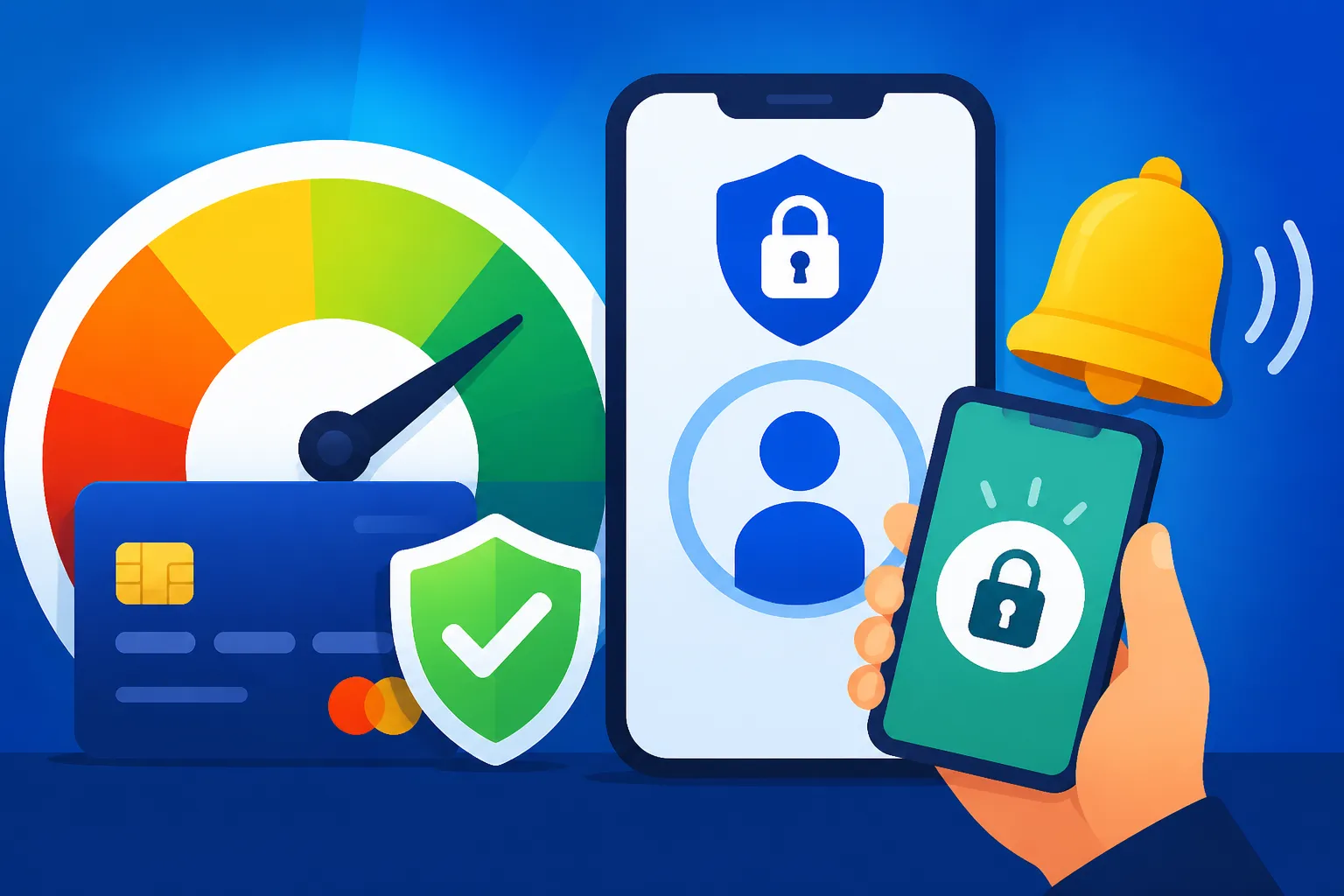
- Choose Communication Channels: This is where the "two-factor" aspect really comes into play. Don't rely on just one method.
- Email: This is standard, but emails can sometimes get lost in spam or be delayed. Ensure the email address you use is secure and frequently checked.
- SMS Text Messages: For urgent alerts like new accounts or hard inquiries, text messages are often the fastest way to get your attention. Make sure your phone number is up-to-date.
- Mobile App Push Notifications: If the service has a dedicated mobile app, enable push notifications. These can be very immediate and prominent.
- Phone Calls: Some premium services offer automated phone calls for the most critical alerts, adding another layer of notification.
Imagine a scenario: You're busy at work, and an identity thief applies for a new credit card in your name. If you only had email alerts, you might not see it until later that evening. But with a text message and a push notification, you could be alerted almost instantly, giving you a crucial head start to freeze your credit or contact the lender.
Linking Multiple Contact Methods and Services
To truly achieve a "two-factor" or multi-layered alert system, you should consider using a combination of strategies:
- Diverse Contact Information: For each monitoring service you use, provide at least two different contact methods (e.g., primary email and phone number for SMS). This way, if one channel is compromised or you miss a notification, you have a backup.
- Multiple Monitoring Services (if feasible): While some paid services cover all three bureaus, you might consider signing up for free alerts directly from each bureau as a supplement. For example, Experian offers free credit monitoring and alerts through its website and app. You could also sign up for alerts from a service like Credit Karma (which provides TransUnion and Equifax data) alongside your bank's monitoring. This provides redundancy.
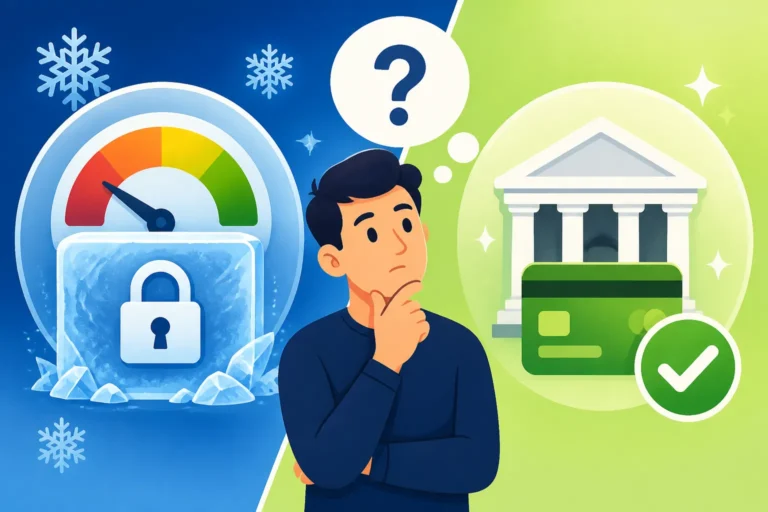
- Layer with Credit Freezes or Locks: A credit freeze is one of the most powerful tools against identity theft, as it prevents new creditors from accessing your report. While not an alert system itself, it significantly reduces the risk of unauthorized accounts being opened. Consider coupling your alerts with a credit freeze. You can learn more about How to Freeze Your Credit All 3 Bureaus. For those who need slightly more flexibility than a freeze, a credit lock, which can be toggled on and off more easily, is another excellent option. Understanding Credit Freeze vs Credit Lock vs Fraud Alert, will help you choose the best fit for your situation.
Maximizing Your Credit Protection with Alerts
Setting up alerts is a fantastic start, but true credit vigilance is an ongoing process. You need to know how to integrate these alerts into a broader protection strategy and, crucially, what to do when an alert actually fires.
Combining Alerts with Credit Freezes and Locks
Credit alerts and credit freezes/locks are like two sides of the same coin when it comes to identity protection. Alerts tell you if something is happening, while freezes and locks prevent things from happening.
- Credit Freezes: A credit freeze essentially locks down your credit report, making it inaccessible to most lenders. This means even if an identity thief has your information, they won't be able to open new credit accounts in your name because lenders can't perform a credit check. You can temporarily unfreeze your credit when you genuinely need to apply for a loan or new card. The peace of mind this offers is immense.
- Credit Locks: Similar to a freeze but often managed through a mobile app, a credit lock allows for quicker toggling between locked and unlocked states. Some services provide this as part of their monitoring package. This can be more convenient for those who frequently apply for new lines of credit.
By using both, you create a formidable defense. Your credit is frozen or locked by default, preventing most fraudulent activity. Your comprehensive alerts then act as a backup, notifying you immediately if a new hard inquiry does somehow slip through, or if any suspicious activity occurs on existing accounts. This multi-pronged approach offers superior protection than either method alone.
Regular Review and Adjustment of Your Alert Settings
Don't just set up your alerts and forget about them. Your financial life changes, and so should your protection strategy.
- Review Your Preferences Annually: At least once a year, log into your credit monitoring services and review your alert settings. Are they still appropriate for your current situation? Have new types of alerts become available that you should enable?
- Update Contact Information: Changed your phone number or email address? Make sure to update this information with all your credit monitoring providers immediately. A missed alert is a useless alert.
- Stay Informed: Keep an eye on the news for major data breaches or new types of scams. This awareness can help you anticipate potential threats and adjust your alert settings or overall security measures accordingly.
What to Do When an Alert Fires
This is perhaps the most critical part of having a robust alert system: knowing how to react. A suspicious alert isn't a cause for panic, but a call to immediate action.
- Don't Dismiss It: Even if an alert seems minor, investigate it. It's better to be overly cautious than to let a small issue grow into a major problem.
- Verify the Activity:
- Check Your Credit Report: Access your full credit report from all three bureaus via AnnualCreditReport.com. This is your definitive source for what's being reported. See if the alerted activity appears there. Understanding How to Read Your Credit Report 2026 Guide, will be invaluable here.
- Contact the Creditor (if applicable): If the alert is for a new account or an unfamiliar charge, contact the listed creditor directly using a phone number from their official website (not from the alert itself, in case it's a phishing scam).
- If It's Fraudulent:
- Place a Fraud Alert: Immediately place a fraud alert on your credit reports with one of the three major credit bureaus. That bureau is then required to notify the other two. This makes it harder for identity thieves to open new accounts.
- Dispute the Activity: Officially dispute any fraudulent accounts or inquiries with the credit bureaus. You'll often need to provide documentation.
- File an Identity Theft Report: File a report with the Federal Trade Commission (FTC) at IdentityTheft.gov. This report is crucial for proving your identity was stolen and for disputing fraudulent accounts. You may also need to file a police report. Knowing How to Report Identity Theft to the Credit Bureaus, is a vital step in this process.
- Contact Creditors: Inform any creditors of accounts affected by the fraud. They can guide you on the next steps, such as closing fraudulent accounts.
- Consider a Credit Freeze: If you haven't already, strongly consider implementing a credit freeze to prevent further unauthorized activity while you resolve the issue.
Table: Essential Credit Report Events and Alert Significance
| Event Type | Description | Significance | Recommended Action (if unauthorized) |
|---|---|---|---|
| New Account Opened | A new credit card, loan, or utility account appears on your report. | Critical: Strong indicator of identity theft. | Contact creditor, dispute with bureaus, freeze credit, file FTC report. |
| Hard Inquiry | A lender accessed your report due to a credit application. | High: Potential attempt to open fraudulent credit. | Contact inquiry source, dispute with bureaus, consider fraud alert/freeze. |
| Address/Personal Info Change | Your mailing address or other identifying details have been updated. | High: Thief may be redirecting mail to hide activity. | Verify legitimacy; if not yours, update with bureaus and relevant institutions. |
| Collection Account | An account has been sent to collections. | High: Can severely damage credit; may indicate identity theft or a missed bill. | Verify debt legitimacy, dispute if fraudulent or incorrect. Learn How to Remove Collections From Your Credit Report. |
| High Credit Utilization | Your credit card balances are significantly high relative to your limits. | Medium-High: Can drastically lower credit score; may signal unauthorized spending on existing cards. | Review spending, contact card issuer if suspicious; work to lower balances if legitimate. |
| Late Payment | A payment was reported 30+ days past due. | High: Major negative impact on score; could be error or fraud. | Verify payment history, contact creditor to resolve; dispute if error. |
| Public Record (Bankruptcy, Lien) | A public record item (e.g., bankruptcy) appears on your report. | Critical: Major negative impact; rarely fraudulent but immediate investigation needed if unexpected. | Consult legal advice if legitimate; dispute vigorously if fraudulent. |
Setting up two-factor or multi-layered credit alerts is a fundamental step in modern financial self-defense. It's not about being paranoid; it's about being prepared. By leveraging these powerful tools, you can ensure you're among the first to know if your financial identity is ever under attack, giving you the best chance to protect your credit and peace of mind.
Disclaimer
This article is for general informational purposes only and does not constitute professional advice. Laws, prices and regulations vary by location and change over time. Consult a qualified professional for guidance on your specific situation.