How to Freeze Your Credit in Montana
Dealing with the aftermath of a data breach or the unsettling fear of identity theft is a stressful experience, leaving many wondering how to truly protect their financial future. This comprehensive guide will walk you through the precise steps to place a credit freeze on your credit reports with all three major bureaus, offering Montana residents a robust defense against unauthorized new accounts and safeguarding their financial identity.
Understanding a Credit Freeze and Why it Matters in Montana
It’s an unfortunate reality that personal information can be compromised, whether through a massive data breach affecting millions or a more localized incident. For folks living in Montana, just like anywhere else, protecting your credit is paramount. A credit freeze is one of the most powerful tools at your disposal, and understanding how it works can save you a world of headache and financial strife down the road.
What Exactly Is a Credit Freeze?
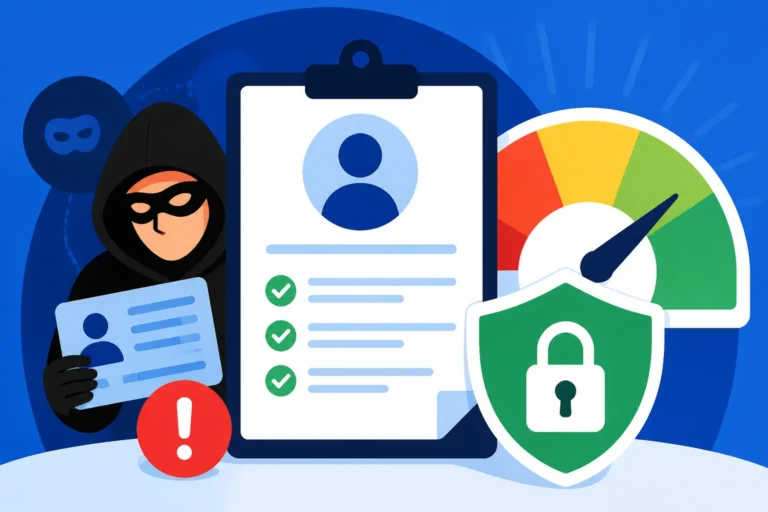
Think of a credit freeze as putting a giant, impenetrable lock on your credit report. When your credit report is frozen, potential creditors — like banks, credit card companies, or even landlords and utility providers — cannot access your credit file without your explicit permission. Since lenders typically need to review your credit report before approving new credit applications, a freeze effectively prevents anyone from opening new accounts in your name, even if they have stolen your personal information. This doesn't affect your existing accounts or credit score, nor does it prevent you from accessing your own credit report or score. It's simply a barrier against new credit being granted. The ability to freeze your credit is a right granted by federal law, specifically the Economic Growth, Regulatory Relief, and Consumer Protection Act of 2018, which made credit freezes free for everyone.
Why Montana Residents Should Consider a Credit Freeze
While identity theft and data breaches are national problems, their impact is felt on a very personal, local level. For those of us in Montana, from the bustling streets of Bozeman to the quieter communities near Flathead Lake, the threat is just as real. Maybe you received a notification about a data breach from a major retailer, or perhaps you've been targeted by a phishing scam. Perhaps you're simply feeling proactive about protecting your financial information. Regardless of the catalyst, placing a credit freeze provides peace of mind. It’s a proactive step that minimizes the damage if your personal information falls into the wrong hands. Without access to your credit history, fraudsters are much less likely to succeed in opening new lines of credit, taking out loans, or even signing up for new utilities in your name. For a deeper dive into protecting your records, you might want to read our guide on what to do if you're a victim of identity theft.
Step-by-Step Guide to Freezing Your Credit with Each Bureau
Freezing your credit means you'll need to contact each of the three major credit reporting agencies individually: Equifax, Experian, and TransUnion. While the process is similar across all of them, it's crucial to complete it with each one, as a freeze with one bureau doesn't automatically extend to the others. The good news is that by law, freezing and unfreezing your credit is completely free.
Freezing Your Credit with Equifax
Equifax makes the process fairly straightforward, primarily through their online portal. To initiate a freeze with Equifax:
- Visit the Equifax Security Freeze Page: Navigate directly to the Equifax website and look for the "Security Freeze" section. Be careful to use the official Equifax site to avoid phishing scams.
- Request a Freeze: You’ll be prompted to create an account or log in if you already have one. You’ll need to provide some personal identifying information, such as your name, address, Social Security number, and date of birth, to verify your identity.
- Confirm and Receive PIN: Once your identity is verified, Equifax will confirm that your freeze has been placed. They will likely provide you with a unique Personal Identification Number (PIN). This PIN is incredibly important, so keep it in a safe, memorable, but secure place. You’ll need it to thaw or unfreeze your credit in the future. Without this PIN, accessing or managing your freeze can be a more involved process.
- Verification: You can typically check the status of your freeze online to ensure it's active.
It's a good idea to perform this step even if you don't suspect any immediate threat, as it offers a solid layer of protection.
Freezing Your Credit with Experian
Experian also offers an easy-to-use online system for managing credit freezes. Here’s how to do it:
- Access Experian's Security Freeze Center: Go to the official Experian website and find the "Security Freeze" or "Credit Freeze" section.
- Submit Your Request: You'll be asked to provide your personal information to confirm your identity. This includes your full name, current and previous addresses, Social Security number, and date of birth. Experian takes security seriously, so be prepared for a few identity verification questions.
- Receive Confirmation: After successfully verifying your identity and submitting your request, Experian will confirm that your credit report is frozen. Unlike Equifax, Experian often doesn't issue a traditional PIN, but rather relies on your online account credentials or identity verification questions when you need to lift the freeze.
- Check Status: Log back into your Experian account periodically to confirm the freeze remains active, especially if you're uncertain.
If you ever need to dispute an error on your credit report, remember that a freeze doesn't prevent you from doing so. You can still access your report and initiate disputes even with a freeze in place. Our guide on how to dispute errors on your credit report can walk you through that process.
Freezing Your Credit with TransUnion
The third major bureau, TransUnion, also provides a straightforward process for placing a credit freeze.
- Go to TransUnion's Credit Freeze Page: Head to the official TransUnion website and locate their "Credit Freeze" or "Security Freeze" portal.
- Complete the Online Form: You will need to input your personal details, including your full name, address, Social Security number, and date of birth, to verify who you are.
- Confirm the Freeze: Once your identity is confirmed and the request is processed, TransUnion will send you a confirmation. Similar to Equifax, TransUnion may provide a PIN that you'll need to safely store for future management of your freeze. If they don't issue a specific PIN, your online account login and identity verification will serve as your access method.
- Document Everything: It’s always a good practice to print or save confirmation pages and any correspondence you receive from all three bureaus regarding your credit freeze. This documentation can be invaluable if any issues arise.
Remember, placing a freeze doesn't affect your ability to check your own credit score for free, for instance, through services like AnnualCreditReport.com or through providers like Credit Karma.
Managing Your Credit Freeze: Thawing and Unfreezing
A common misconception about credit freezes is that they're permanent and irreversible. That's simply not true! You have full control over when and how long your credit remains frozen. Whether you’re applying for a new credit card, a mortgage, or even a new utility service, you can temporarily lift or "thaw" your credit report.
Temporarily Thawing Your Credit for Applications
There will be times when you need your credit report to be accessible. For instance, if you're applying for a new credit card from Capital One, a car loan in Billings, or even trying to rent an apartment in Missoula, the lender will need to perform a credit check. Here's how you can temporarily thaw your credit:
- Know Which Bureau the Lender Uses: This is key. Often, lenders will tell you which credit bureau they intend to pull your report from. If they don't, you can ask them, or consider thawing all three if you’re unsure.
- Contact the Specific Bureau: Go to the website of the bureau (Equifax, Experian, or TransUnion) where you need to lift the freeze.
- Provide Your PIN/Login Information: You'll need the PIN you were given when you placed the freeze (if applicable) or your account login credentials to verify your identity.
- Specify the Thaw Details: You'll typically have options:
- Date Range: Thaw your credit for a specific number of days or until a particular date. This is often the most convenient option, as it automatically refreezes your report after the period expires.
- Specific Creditor: Some bureaus allow you to grant access to a specific company for a credit pull. This is the most secure option if you know exactly who needs access.
- Temporary Unfreeze: Some bureaus just have a general "temporary unfreeze" option that you can manually refreeze later.
- Confirm the Thaw: Ensure you receive confirmation that the thaw is active. Remember, lenders often perform a hard inquiry when you apply for new credit, and a credit freeze is designed to prevent these. Learn more about what a hard pull is and who can make one.
Permanently Unfreezing Your Credit
If you decide you no longer need the protection of a credit freeze, you can permanently remove it. This might be the case if your concerns about identity theft have subsided, or if you simply prefer your credit file to be continuously accessible.
- Contact Each Bureau Individually: Just as you placed the freeze with each bureau, you must remove it with each one separately.
- Verify Your Identity: You’ll need your PIN (if issued) or to go through the identity verification process specific to each bureau’s online portal or phone system.
- Request Permanent Removal: Follow the prompts to permanently unfreeze your credit report.
- Confirm Deactivation: The bureau will notify you when the freeze has been lifted. It's wise to double-check your credit report a few days later to ensure the freeze is indeed gone.
It's crucial to weigh the risks and benefits before permanently unfreezing your credit. While it offers convenience, it also removes a significant layer of protection against identity theft.
What Happens When Your Credit is Frozen?
When your credit is frozen, several things occur, and many don't. Here's a breakdown:
- New Credit Applications Blocked: This is the primary function. If someone tries to open a new credit card, take out a loan, or apply for utilities in your name, the lender will be unable to access your credit file, and the application will likely be denied. This is the ultimate protection against new account fraud.
- Existing Accounts Unaffected: Your current credit cards, mortgage, car loans, and other existing accounts will remain active and fully functional. You can continue to use them, make payments, and manage them as usual. The freeze only impacts new credit.
- Credit Score Not Impacted: Placing a credit freeze has absolutely no effect on your credit score. It's a security measure, not a factor in credit scoring models.
- Access to Your Own Reports/Scores: You can still access your own credit reports from AnnualCreditReport.com and monitor your credit scores through various services without lifting the freeze. This includes checking your free credit report from Equifax, Experian, and TransUnion.
- Soft Inquiries Still Allowed: Certain "soft inquiries" are still permitted. These include credit checks by existing creditors (e.g., for account maintenance or pre-approved offers), employers (if you grant permission), insurance companies, and government agencies (for child support enforcement, for example). Soft inquiries do not affect your credit score.
- Collection Efforts Unaffected: If you have existing debts in collections, a credit freeze won't stop debt collectors from contacting you or attempting to collect. However, it will prevent a new collection account from being opened in your name if it's fraudulent.
Essentially, a credit freeze acts like a powerful gatekeeper, ensuring that only legitimate requests for new credit get through, and only when you explicitly allow them.
Alternatives and Supplementary Protections
While a credit freeze is a robust security measure, it's not the only tool in your identity protection arsenal. There are other options, such as credit locks and fraud alerts, that offer different levels of protection and convenience. Understanding the nuances of each can help you tailor your strategy.
Credit Locks vs. Credit Freezes
Many people confuse credit locks with credit freezes, and it’s easy to see why. They both restrict access to your credit file. However, there are some key differences to be aware of:
| Feature | Credit Freeze | Credit Lock |
|---|---|---|
| Legal Basis | Federal law (Economic Growth, Regulatory Relief, and Consumer Protection Act of 2018) | Contractual agreement with individual credit bureau |
| Cost | Free | Often offered as part of a paid credit monitoring service, but some bureaus offer it for free. |
| Ease of Use | May require a PIN to lift; usually takes minutes to take effect. | Typically managed through a mobile app or online portal; often instant on/off. |
| Scope | Blocks access to your credit report for all third parties (with statutory exceptions). | Blocks access to your credit report for all third parties (with statutory exceptions), specific to the bureau offering the lock. |
| Identity Verification | Stronger, often involves PIN or robust online verification. | May rely more on account login and passwords. |
| Who Can Open Accounts? | No new accounts can be opened. | No new accounts can be opened. |
In essence, a credit freeze is mandated by federal law, making it a universal right and free service. A credit lock, while often more convenient to turn on and off via an app, is typically a service offered by the credit bureaus, sometimes as part of a paid monitoring package. For comprehensive and free protection, a credit freeze is generally recommended. For a more detailed comparison, check out our article on credit freeze vs credit lock vs fraud alert.
Setting Up a Fraud Alert
A fraud alert is another layer of protection that works differently from a credit freeze or lock. Instead of blocking access to your credit file, a fraud alert flags your file to lenders, advising them to take extra steps to verify your identity before extending credit.
There are two main types of fraud alerts:
- Initial Fraud Alert: If you suspect you're a victim of identity theft, or even if you just want to be extra cautious, you can place an initial fraud alert on your credit report. This alert stays on your report for one year. When a business sees this alert, they are required to verify your identity before opening a new account or increasing credit limits on existing accounts. You only need to place this with one of the three major credit bureaus (Equifax, Experian, or TransUnion); that bureau is then required to notify the other two.
- Extended Fraud Alert: If you've actually been a victim of identity theft and have an official identity theft report, you can place an extended fraud alert, which lasts for seven years. This requires creditors to take "reasonable steps" to verify your identity.
A fraud alert doesn't prevent new accounts from being opened, but it does add a hurdle for fraudsters. It's often used in conjunction with a credit freeze or as a first line of defense if you're actively monitoring for suspicious activity.
Building Credit Safely While Protected
Even with concerns about identity theft, you might still be working to establish or improve your credit. Perhaps you're a young adult in Montana starting your financial journey, or you're rebuilding after a tough period. While a credit freeze protects against unauthorized new accounts, it doesn't prevent you from taking steps to build your own credit responsibly.
For example, credit builder loans are a fantastic tool for those looking to establish a positive payment history without taking on traditional debt. Products like those offered by Credit Strong allow you to take out a small loan, with the funds held in a locked savings account while you make payments over time. These payments are reported to the credit bureaus, helping you build a positive payment history. Once the loan is paid off, you get access to the savings. This is a controlled way to show responsible financial behavior, which is crucial for a strong credit score. Even when your credit is frozen, a credit builder product can help you build positive payment history for your own credit report, which will be there when you choose to unfreeze and apply for other types of credit.
Similarly, secured credit cards can also be a safe way to build credit. They require a deposit, which acts as your credit limit, making it impossible to overspend and limiting risk for the lender. As you use the card responsibly and make on-time payments, this positive activity is reported to the credit bureaus. After a period of good behavior, you might even be able to upgrade to an unsecured card. Options like a Credit Strong account offer a safe pathway to demonstrating creditworthiness without the risks associated with unsecured credit cards for those with limited or poor credit history. Our comprehensive guide on how to build credit from scratch goes into more detail on these strategies.
Disclaimer
The information provided in this article is for general informational purposes only and does not constitute financial, legal, or professional advice. While we strive to provide accurate and up-to-date information, credit laws and practices can change. It is always recommended to consult with a qualified financial advisor or legal professional for advice tailored to your specific situation.