How to Freeze Your Credit in Nevada
It’s a real nightmare scenario: you get an alert, or worse, you apply for something important, only to discover that someone has opened credit in your name. Identity theft is a terrifying reality, and protecting your financial information has become more crucial than ever. If you're a resident of Nevada looking for a robust way to shield your credit file from unauthorized access, placing a credit freeze is one of the most effective steps you can take. This comprehensive guide will walk you through everything you need to know about freezing your credit in the Silver State, ensuring your peace of mind and financial security.
Understanding a Credit Freeze and Why It Matters
Let's be honest, the world of credit can feel incredibly complex, and sometimes it feels like it's designed to confuse us. But when it comes to protecting your identity, understanding a tool like a credit freeze is absolutely vital. It's not just for people who have already been victims of fraud; it's a proactive measure everyone should consider.
What Exactly is a Credit Freeze?
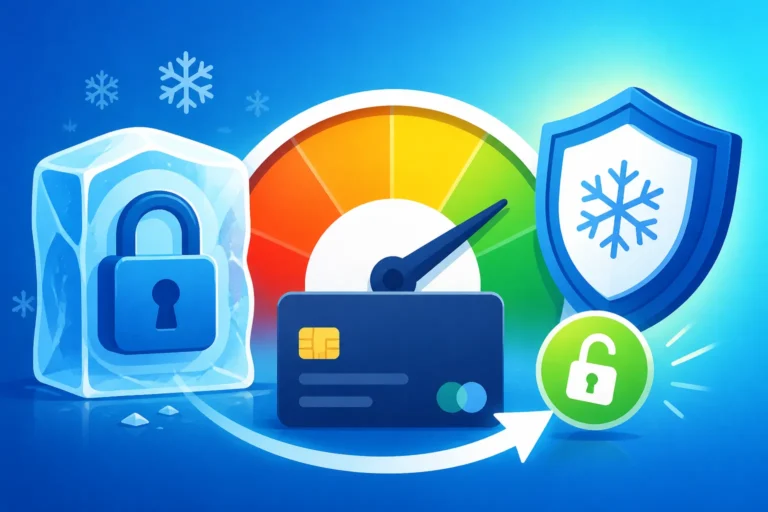
Think of a credit freeze, officially known as a security freeze, as locking the door to your credit file. When your credit is frozen, credit bureaus like Equifax, Experian, and TransUnion are prevented from releasing your credit report to most third parties. This means that if an identity thief tries to open a new credit card, take out a loan, or apply for anything that requires a credit check, the lender won't be able to access your file. Without access, the application typically gets denied, thwarting the fraudster in their tracks. It's a powerful shield against new account fraud, which is one of the most common and damaging forms of identity theft. Unlike some other protections, a freeze impacts your ability to open new credit, but it doesn't affect your existing accounts or your credit score.
This distinction is important because many people worry that freezing their credit will somehow hurt their ability to manage their current financial life. Rest assured, your existing credit card companies can still see your file, and you can still use your current cards, make payments, and even apply for jobs or insurance that don't rely on a full credit report. The freeze primarily targets new credit applications. This crucial layer of security is designed to protect you without disrupting your day-to-day financial activities, which is a huge relief for anyone who's ever felt vulnerable to online threats.
Why Nevada Residents Should Consider a Credit Freeze
Nevada, like any other state, isn't immune to the rising tide of data breaches and identity theft. From massive corporate data breaches that expose millions of customer records to more localized scams targeting individuals, the risks are pervasive. Imagine having your personal information compromised through a data breach at a retailer in Las Vegas or a healthcare provider in Reno. Without a credit freeze in place, that stolen data could be used to open fraudulent accounts, leaving you with a long and stressful journey to restore your good name and credit.
The good news is that federal law mandates that all consumers can freeze their credit for free with each of the three major credit bureaus. This means that Nevada residents can take advantage of this robust protection without any cost. Given the ease and effectiveness of a credit freeze, it really becomes a no-brainer for anyone concerned about their financial security. It's a proactive step that puts you in control, rather than leaving you constantly reacting to potential threats.
The Differences Between a Freeze, Lock, and Fraud Alert
Navigating the various credit protection options can be confusing, as they all sound somewhat similar. However, there are distinct differences between a credit freeze, a credit lock, and a fraud alert, and understanding them will help you choose the best strategy for your situation. Many people ask, "Credit Freeze vs Credit Lock vs Fraud Alert – what's the real difference?" Let's break it down.
A credit freeze, as we've discussed, is the most robust option. It legally restricts access to your credit report, making it incredibly difficult for identity thieves to open new accounts in your name. You have to actively place a freeze with each of the three major credit bureaus individually, and then just as actively "thaw" or "lift" it when you genuinely need new credit. This provides a strong, legally backed barrier.
A credit lock, on the other hand, is often offered as a paid service by credit bureaus or third-party companies. While it also restricts access to your credit report, it typically works through the bureau's proprietary systems, not federal law. Locks can often be managed more easily through a mobile app or online portal, offering quick on/off functionality. However, the legal protections might not be as strong as a freeze, and they usually come with a subscription fee. Think of it as a convenient, but less legally rigorous, version of a freeze.
A fraud alert is a simpler, less restrictive measure. When you place an initial fraud alert, it requires businesses to take reasonable steps to verify your identity before extending new credit. This alert lasts for one year and can be renewed. If you are a victim of identity theft, you can place an extended fraud alert, which lasts for seven years and also requires creditors to contact you personally before opening any new accounts. While helpful, fraud alerts don't block access to your report; they merely flag it for extra scrutiny. For most Nevada residents seeking maximum protection, a credit freeze remains the most secure choice.
Step-by-Step Guide to Freezing Your Credit in Nevada
Now that you understand why a credit freeze is so important, let's get down to the nitty-gritty of how to actually put one in place. The process is straightforward, but it requires you to contact each of the three major credit bureaus individually. This isn't a one-and-done deal with a single phone call or website; you need to be thorough.
Contacting the Three Major Credit Bureaus
To fully freeze your credit, you must contact each of the three main credit reporting agencies: Equifax, Experian, and TransUnion. This is because lenders might pull your credit report from any one of them. If you only freeze with one or two, an identity thief could still successfully open an account if the lender checks the unfrozen bureau. You can initiate a credit freeze online, by phone, or by mail. Going online is often the fastest and most convenient method, though postal mail provides a paper trail.
Here’s how you can typically reach each bureau:
- Equifax: You can visit their dedicated security freeze page on their website, or call their automated line. Be prepared to provide personal information to verify your identity.
- Experian: Similar to Equifax, Experian has an online portal for placing and managing security freezes, or you can call their customer service number.
- TransUnion: TransUnion also offers an online option and a phone number for setting up a credit freeze.
It's a good idea to keep a record of the date and time you initiated each freeze, along with any confirmation numbers or PINs provided by the bureaus. These PINs are crucial for managing your freeze in the future, whether you need to temporarily lift it or permanently remove it. Make sure you store these securely, perhaps in a password manager or a safe deposit box, away from easily accessible digital files. Remember, you're essentially creating a secure key for your financial future, so treat it with care.
Information You'll Need for the Freeze
When you contact each credit bureau, they'll need certain information to verify your identity and process your freeze request. This is for your protection, ensuring that only you can freeze or unfreeze your file. Don't worry, it's all standard stuff you likely have readily available.
Typically, you'll need to provide:
- Your full legal name
- Your current and previous addresses (if applicable)
- Your Social Security Number (SSN)
- Your date of birth
In some cases, especially if you're requesting the freeze by mail or if there are any verification issues, they might ask for copies of supporting documents. These could include a copy of a government-issued identification (like your driver's license), a utility bill showing your current address, or other documents that prove your identity. If you opt for online requests, it's usually a smoother process as they often verify through existing data. Just make sure you're on the official bureau website to avoid any phishing scams.
What Happens After You Request a Freeze
Once you've submitted your request to each bureau, they are required by federal law to place the freeze within one business day if you do it online or by phone. If you send your request by mail, it must be placed within three business days of receiving it. After the freeze is active, each bureau will send you a confirmation letter and, most importantly, a unique Personal Identification Number (PIN) or password. This PIN is your key to managing your freeze, so guard it carefully!
It's worth noting that if you're a victim of identity theft and have an identity theft report, the bureaus must place the freeze without delay. This expedited process is designed to offer immediate protection when you need it most. After the freeze is active, any attempt by a new creditor to pull your credit report will result in a denial, effectively stopping new accounts from being opened in your name. Your existing creditors, however, will still have access to your file for account review purposes, so your regular credit card or loan activities won't be impacted. For a more general overview, you might find our guide on How to Freeze Your Credit All 3 Bureaus helpful.
Temporarily Lifting or Permanently Removing Your Credit Freeze
A credit freeze is designed to protect you, but it's not meant to be a permanent blockade to your own legitimate credit needs. There will be times when you actually want a lender to see your credit report, like when you're applying for a new credit card, a mortgage, or even a new phone plan. Knowing how to temporarily lift (or "thaw") your freeze, or even permanently remove it, is just as important as knowing how to put it in place.
How to Thaw Your Credit for Specific Applications
When you need to apply for new credit, you'll have to temporarily lift your freeze. This can usually be done online or by phone with each bureau. You'll need the PIN or password they provided you when you first initiated the freeze. You'll also specify how long you want the freeze lifted, or to which specific creditor you want to grant access.
For example, if you're applying for a car loan through a dealership that uses Experian, you might choose to unfreeze your Experian report for a few days. You can specify a date range (e.g., from October 1st to October 5th) or provide a specific creditor name to grant them temporary access. This targeted approach minimizes the window of vulnerability. Once the specified time passes, or the specific creditor has accessed your report, the freeze automatically reinstates itself. This flexibility allows you to manage your credit while maintaining a high level of security. If you're wondering, "How to Unfreeze Your Credit Temporarily", the process is quite similar across all bureaus once you have your PIN.
What to Do When You No Longer Need a Freeze
There might come a time when you decide you no longer need the protection of a credit freeze. Perhaps your circumstances have changed, or you feel that other credit monitoring tools are sufficient. You have the right to permanently remove your credit freeze at any time.
To do this, you'll follow a similar process as lifting the freeze: contact each credit bureau (Equifax, Experian, TransUnion) and provide your PIN or password along with your request to permanently remove the freeze. Once processed, your credit file will be fully accessible to any legitimate creditor, just as it was before the freeze was put in place. Again, it’s a good practice to keep records of when you lifted the freeze, in case any issues arise. While a freeze is excellent, it's not the only way to manage your credit. For those who are also looking to build their financial profile, tools like a Credit Builder Loans Explained Self Kikoff & More can offer an alternative path to financial health alongside careful monitoring.
Keeping Track of Your Freeze PINs
We can't stress this enough: your PINs are your keys! Each credit bureau will issue you a unique Personal Identification Number (PIN) when you place your security freeze. Losing these PINs can create a real headache when you need to access or lift your freeze in the future. Imagine the frustration of being approved for a mortgage, only to realize you can't unfreeze your credit because you've misplaced a crucial PIN.
Here are a few tips for safekeeping:
- Secure Physical Location: Write them down and store them in a secure physical location, like a locked filing cabinet or a safe deposit box. Make sure only trusted individuals have access to this information.
- Digital Password Manager: Use a reputable digital password manager to store your PINs. These tools are designed for secure encryption and can keep all your sensitive information organized and protected.
- Avoid Email or Easy-to-Find Notes: Never store your PINs in plain text in an email, on your desktop, or on a sticky note attached to your monitor. These are easy targets for anyone looking to exploit your information.
If you do lose a PIN, don't despair. You can usually request a new one from each credit bureau, though this process can take a few days and might require additional identity verification steps. It’s definitely more convenient to keep them safe from the start.
Beyond the Freeze: Additional Credit Protection for Nevada Residents
While a credit freeze is an incredibly powerful tool, it's not the only thing you should be doing to protect your financial health. A comprehensive approach involves several layers of defense and proactive monitoring. Especially for Nevada residents, where consumer financial activity is vibrant, staying vigilant is key.
Monitoring Your Credit Report Regularly
A credit freeze protects against new accounts, but it doesn't show you activity on your existing accounts or identify potential errors. That's why regular credit report monitoring is so important. Federal law allows you to get a free copy of your credit report from each of the three major bureaus (Equifax, Experian, and TransUnion) once every 12 months through AnnualCreditReport.com. However, during the pandemic, the bureaus offered weekly free reports, and that expanded access has been extended indefinitely, which is fantastic news for consumers. Regularly checking your credit reports helps you spot inaccuracies, unauthorized accounts, or suspicious activity early. For those looking for deeper insights, you might also be interested in How to Get Your Free Credit Report to ensure you're utilizing all available resources.
Looking over your report periodically isn't just about spotting fraud; it's also about understanding your financial standing. You can check for old addresses you don't recognize, accounts you don't remember opening, or even simple data entry errors that could be dragging down your score. Remember, your credit report is the detailed history of your financial responsibility, and keeping an eye on it is like giving your financial health a regular check-up.
Identity Theft Prevention Tips
Beyond freezing your credit and monitoring your reports, there are daily habits you can adopt to significantly reduce your risk of identity theft. These might seem like common sense, but they are often overlooked in our busy lives.
- Be Wary of Phishing Attempts: Never click on suspicious links in emails or texts, and always double-check the sender's address before providing personal information. Scammers often pretend to be legitimate companies or government agencies.
- Use Strong, Unique Passwords: Reusing passwords is like using the same key for your house, car, and office. A data breach at one company could compromise all your accounts. Use a password manager to generate and store strong, unique passwords for every online account.
- Shred Sensitive Documents: Don't just toss old bank statements, credit card offers, or medical bills in the trash. Invest in a cross-cut shredder to destroy any documents containing personal information before disposal.
- Secure Your Mail: If you're going out of town, arrange for a mail hold with the USPS or have a trusted neighbor collect your mail. Identity thieves love to rummage through mailboxes for pre-approved credit offers or financial statements.
- Review Account Statements: Carefully review your bank and credit card statements each month for unauthorized transactions, even small ones. Small, recurring charges can sometimes be a sign that your account number has been compromised. If you ever suspect foul play, knowing What to Do If You're a Victim of Identity Theft can provide crucial next steps.
Leveraging Credit Builder Tools for Financial Health
While protecting yourself from fraud is crucial, actively building and maintaining healthy credit is equally important for your financial future. A strong credit score opens doors to better interest rates on loans, lower insurance premiums, and even easier approval for housing. For those looking to establish or improve their credit, especially after past financial setbacks or if starting from scratch, credit builder tools can be incredibly beneficial.
For instance, companies like Credit Strong offer "credit builder loans" that are specifically designed to help you establish a positive payment history without needing a traditional loan or credit card right away. These work by holding the loan amount in a locked savings account while you make small monthly payments. Once the loan is paid off, you get access to the funds, and the positive payment history is reported to the credit bureaus. This method contributes positively to your How Credit Scores Work The Complete Guide over time. This kind of disciplined approach can be a game-changer for someone who needs to demonstrate responsible financial behavior but has limited options otherwise. It’s an active way to move forward, rather than just passively protecting what you have.
Credit Protection Options Overview
To help you visualize the different types of credit protection available, here’s a quick comparison table:
| Feature | Credit Freeze (Security Freeze) | Credit Lock | Fraud Alert |
|---|---|---|---|
| Purpose | Stops new credit accounts from being opened. | Stops new credit accounts from being opened. | Alerts creditors to verify identity for new credit. |
| Legal Basis | Federal law (FACTA). Free for all consumers. | Often a contractual service from bureaus. | Federal law (FACTA). Free for all consumers. |
| Cost | Free | May be free or have a monthly fee. | Free |
| Ease of Management | Requires PIN/password to lift/thaw with each bureau. | Often managed quickly via app/online. | Usually placed with one bureau (who notifies others). |
| Duration | Indefinite until you remove it. | Continuous until you cancel the service. | Initial: 1 year. Extended (with ID theft report): 7 years. |
| Protection Level | Highest – legally blocks access to credit report. | High – blocks access via bureau's system. | Moderate – prompts verification, doesn't block. |
| Impact on Existing Credit | None | None | None |
This table clearly illustrates why a credit freeze often stands out as the strongest, most accessible form of protection against new account fraud, especially for Nevada residents and beyond.
Disclaimer
The information provided in this article is for general informational purposes only and does not constitute financial, legal, or professional advice. While we strive to provide accurate and up-to-date information, credit laws and practices can change. Always consult with a qualified financial advisor, credit counselor, or legal professional for advice tailored to your specific situation. The mention of any specific brands or services is for illustrative purposes and not an endorsement.