How to Freeze Your Credit in Pennsylvania
It's a scary thought, isn't it? The idea that someone out there could be using your good name, your Social Security number, and your hard-earned financial reputation to open accounts, rack up debt, and generally make a mess of your life. This isn't just a hypothetical fear; identity theft is a very real and ever-present threat. For us here in Pennsylvania, protecting our financial future means taking proactive steps. This comprehensive guide will walk you through exactly how to freeze your credit in Pennsylvania, giving you a powerful shield against financial fraud and offering you some much-needed peace of mind.
Why a Credit Freeze Is Your Best Defense Against Identity Theft in Pennsylvania
The landscape of personal finance is constantly evolving, and unfortunately, so are the methods used by fraudsters. It's not enough anymore to just keep an eye on your bank statements; you need to guard the very gateway to your credit. A credit freeze is one of the most effective tools in your arsenal, especially when you consider how widespread identity theft has become.
The Growing Threat and Your Financial Vulnerability
Let's be honest, the news is full of stories about data breaches. Remember the massive Equifax breach a few years back? Millions of Americans, including countless Pennsylvanians, had their sensitive personal information exposed. And it's not just huge corporations; smaller breaches happen all the time, or your information could be stolen through phishing scams, lost wallets, or even just dumpster diving. When your Social Security number, date of birth, and address are out there, criminals will try to use them to open new credit cards, secure loans, or even get utility services in your name. They're banking on you not noticing until it's too late, leaving you to deal with the fallout, the damaged credit, and the frustrating process of proving your innocence. It's a heavy burden, and one that's entirely avoidable with the right preventative measures.
How a Credit Freeze Works to Protect You
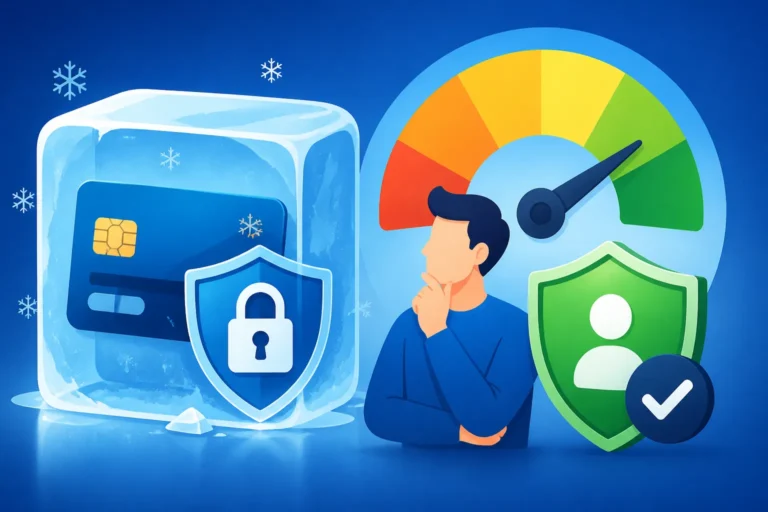
So, what exactly is a credit freeze? Think of it like putting a padlock on your credit report. When your credit is frozen, credit bureaus (like Experian, TransUnion, and Equifax) are prohibited from releasing your credit report to most third parties. This means if a fraudster tries to open a new credit card or loan using your stolen identity, the potential lender won't be able to access your credit file. Without a credit report, they can't assess the risk, and without risk assessment, they won't approve the new credit. It effectively stops identity thieves dead in their tracks before they can do any real damage to your financial standing.
It's crucial to understand what a credit freeze does not do. It won't stop pre-screened credit card offers from showing up in your mailbox (though these offers won't lead to new accounts unless you explicitly apply and unfreeze your credit). It also doesn't prevent access to your existing accounts; if a criminal gets hold of your current credit card number, a freeze won't stop them from using it. However, it's a powerful barrier against the opening of new, unauthorized credit. A credit freeze is generally considered a stronger protection than a simple fraud alert or a credit lock, which often offer less comprehensive or shorter-term security. For a deeper dive into these differences, you might want to read about Credit Freeze vs Credit Lock vs Fraud Alert.
The Essential Steps to Freezing Your Credit with the Three Bureaus
Freezing your credit is a straightforward process, but it requires you to be thorough. Since there are three major credit reporting agencies, and they don't share information with each other, you'll need to contact each one individually to ensure your credit file is fully protected across the board. Don't worry, it's much easier than it sounds, and thanks to federal law, it's now completely free to freeze and unfreeze your credit.
Initiating Your Freeze with Each Major Bureau
To fully protect yourself in Pennsylvania, you must contact Experian, TransUnion, and Equifax. Each bureau has its own system for initiating a freeze, and while the steps are similar, it's important to go through each one.
- Experian: You can initiate a security freeze with Experian online through their dedicated security freeze center, by phone, or by mail. Their website is generally the fastest and easiest method. You'll need to create an account or verify your identity to proceed.
- TransUnion: Similar to Experian, TransUnion offers an online portal for managing your security freeze, as well as options to freeze by phone or mail. Again, using their online service is usually the most efficient way to get it done.
- Equifax: Equifax also provides an online process for placing a security freeze, along with phone and mail options. After the infamous data breach, Equifax has put a strong emphasis on making security freezes accessible.
When you contact each bureau, they will ask for personal information to verify your identity. This typically includes your full name, current and previous addresses, date of birth, and Social Security number. They might also ask some security questions that only you would know, based on public records or your credit history. This is all standard procedure to ensure that only you can freeze your credit. Remember, you can't just freeze one or two; for complete protection, you need to engage with The 3 Credit Bureaus: Equifax, Experian & TransUnion.
What to Expect After Requesting a Freeze
Once you've successfully requested a security freeze with each bureau, you'll receive confirmation. This confirmation is incredibly important because it will contain a unique Personal Identification Number (PIN) or password for each bureau. This PIN is your key to unfreezing or temporarily lifting your credit in the future. Treat these PINs like you would your bank account passwords – keep them in a safe, secure place where no one else can access them. Some people prefer to store them digitally using a secure password manager, while others opt for a physical record in a locked safe.
The freeze should take effect very quickly if you complete the process online, often within minutes. If you choose to send your request by mail, it might take a few business days for the freeze to be processed and applied to your file once they receive your letter. Knowing How Fast Does a Credit Freeze Take Effect? can help you plan if you're trying to freeze your credit before a specific event.
Here's a handy table summarizing the primary contact methods for each major credit bureau when placing a security freeze:
| Credit Bureau | Online Method | Phone Number | Mail Address (General, check website for specific forms) |
|---|---|---|---|
| Experian | experian.com/freeze/center.html | 1-888-397-3742 | Experian Security Freeze, P.O. Box 9554, Allen, TX 75013 |
| TransUnion | transunion.com/credit-freeze/place-credit-freeze | 1-888-909-8872 | TransUnion LLC, P.O. Box 2000, Chester, PA 19016 |
| Equifax | equifax.com/personal/credit-report-services/credit-freeze/ | 1-800-685-1111 (NY residents 1-800-349-9960) | Equifax Security Freeze, P.O. Box 105788, Atlanta, GA 30348 |
Note: Always verify the most current contact information and specific forms on each credit bureau's official website before sending mail, as these details can occasionally change.
Managing Your Credit Freeze: Thawing and Unfreezing When Needed
A common concern about freezing your credit is the potential inconvenience. What if you need to apply for new credit? The good news is that credit freezes are designed to be flexible. You can temporarily lift, or "thaw," your credit whenever necessary, allowing legitimate lenders to access your report without fully compromising your security.
Temporarily Lifting Your Freeze for New Credit Applications
Life happens, and sometimes you need new credit. Maybe you're buying a house, financing a new car, or even just applying for a credit card with better rewards. When these situations arise, you'll need to temporarily unfreeze your credit. The process is similar to initiating the freeze: you'll go back to each of the credit bureaus you froze (or at least the one(s) the lender will pull from) and request a temporary lift.
To do this, you'll need those precious PINs or passwords you received when you first placed the freeze. You'll typically have a few options:
- Temporary Thaw: This is the most common approach. You specify a date range (e.g., 3-5 days) during which your credit file will be unfrozen. After that period, it automatically refreezes. This is ideal if you know you'll be applying for multiple things within a short window, like when house hunting.
- Specific Lender Thaw: Some bureaus allow you to unfreeze your credit for a specific lender only. This adds an extra layer of security, as only that particular company can access your report.
- Permanent Unfreeze: As the name suggests, this removes the freeze entirely.
You can usually perform a temporary lift online or by phone. Just log into your account on the bureau's website, enter your PIN, and choose your preferred duration. For more detailed instructions, check out How to Unfreeze Your Credit Temporarily.
Deciding Between a Temporary Lift or Permanent Unfreeze
When you're faced with needing to unfreeze your credit, it's a good moment to pause and consider your options. A temporary lift is almost always the better choice if you anticipate needing to apply for credit again in the future. It provides the necessary access for legitimate inquiries while automatically restoring your protection after a set time. This way, you don't have to remember to refreeze it manually.
A permanent unfreeze should really only be considered if you have a compelling reason to leave your credit file open indefinitely, which most people do not. Since freezing and unfreezing are now free by federal law, there's little downside to keeping your credit frozen and simply lifting it when you need it. This active management ensures you maintain maximum security against potential fraud without incurring any costs. Remember, your credit report remains frozen until you actively decide to unfreeze it, whether temporarily or permanently, making it an excellent long-term protective measure.
Beyond the Freeze: Holistic Credit Protection and Management
While placing a credit freeze is a monumental step in protecting your financial identity, it's important to remember it's one piece of a larger puzzle. A credit freeze is fantastic at preventing new accounts from being opened in your name, but it doesn't protect against all forms of identity theft or fraud. A holistic approach involves continuous vigilance and understanding the limitations of each protective measure.
Understanding What a Credit Freeze Does Not Do
Let's clarify some common misconceptions. A credit freeze doesn't magically make you immune to all financial threats. It specifically targets unauthorized new credit accounts. Here's what it generally won't protect you from:
- Existing Account Fraud: If someone gets your current credit card number and uses it, or hacks into an existing bank account, a credit freeze won't stop them. You'll need to rely on the fraud protection offered by your bank or credit card company and monitor your statements.
- Tax Identity Theft: This often involves someone using your Social Security number to file a fraudulent tax return and claim a refund. A credit freeze does not prevent this.
- Medical Identity Theft: Where someone uses your information to get medical care.
- Government Benefit Fraud: Where someone applies for government benefits in your name.
- Utility Account Fraud: In some cases, utilities might not pull a traditional credit report, making them less susceptible to a freeze.
These examples highlight why a credit freeze is a powerful, but not exhaustive, security measure. You still need to be diligent in other areas of your financial life.
The Importance of Regular Credit Monitoring and Report Reviews
Because a credit freeze doesn't cover all bases, regularly checking your credit reports and monitoring your existing accounts is absolutely essential for Pennsylvania residents. You're legally entitled to a free copy of your credit report from each of the three major bureaus once every 12 months through AnnualCreditReport.com. Make it a habit to pull your reports regularly. Some experts even suggest staggering them throughout the year – pull from Experian in January, TransUnion in May, and Equifax in September, for instance – so you're always getting a fresh look at your file. Learning How to Get Your Free Credit Report is a fundamental step.
When you review your reports, scrutinize every detail:
- Are there accounts listed that you don't recognize?
- Are your personal details (addresses, employers) correct?
- Are there any inquiries you didn't authorize?
Finding errors or suspicious activity early can save you a world of trouble. If you spot something, you'll need to know How to Dispute Errors on Your Credit Report. Beyond manual checks, many people find value in credit monitoring services. These services, often offered by the credit bureaus themselves or third-party providers, can alert you quickly to significant changes on your credit reports, like new accounts being opened, changes to personal information, or large inquiries. This can be a worthwhile investment for added security, and you can explore more about Credit Monitoring: Is It Worth It? to decide if it's right for you.
Proactive Steps for Pennsylvania Residents Against Identity Theft
Beyond freezing your credit and monitoring your reports, there are numerous other proactive measures you can take to minimize your risk of identity theft:
- Shred Sensitive Documents: Don't just toss bank statements, old bills, or pre-approved credit offers in the trash. Invest in a cross-cut shredder and destroy any documents containing personal or financial information.
- Use Strong, Unique Passwords: For all your online accounts, especially financial ones, use complex passwords that combine letters, numbers, and symbols, and avoid reusing them. Consider a password manager to help you keep track.
- Be Wary of Phishing Scams: Be incredibly cautious about emails, texts, or phone calls asking for personal information. Legitimate companies rarely ask for sensitive details over unsolicited communications. Always go directly to the company's official website or call them using a verified phone number if you have concerns.
- Secure Your Mailbox: If you have an unlocked mailbox, consider a locking one to prevent mail theft, which can be a source of personal information.
- Be Careful with Public Wi-Fi: Avoid conducting banking or other sensitive transactions when connected to public, unsecured Wi-Fi networks.
- Know What to Do If Compromised: Even with the best precautions, identity theft can still happen. If you suspect your identity has been stolen, act quickly. Place an extended fraud alert, review your credit reports immediately, and file a report with the Federal Trade Commission (FTC). Knowing What to Do If You're a Victim of Identity Theft is crucial.
By combining a credit freeze with regular monitoring and smart daily habits, Pennsylvania residents can significantly reduce their vulnerability to identity theft and navigate their financial lives with greater confidence and security.
Disclaimer
Please note that this article provides general information and recommendations regarding credit freezes and identity theft protection. Financial laws and best practices can change, and individual circumstances vary. It is always advisable to consult with a financial professional or legal expert for personalized advice.