How to Freeze Your Credit in South Carolina
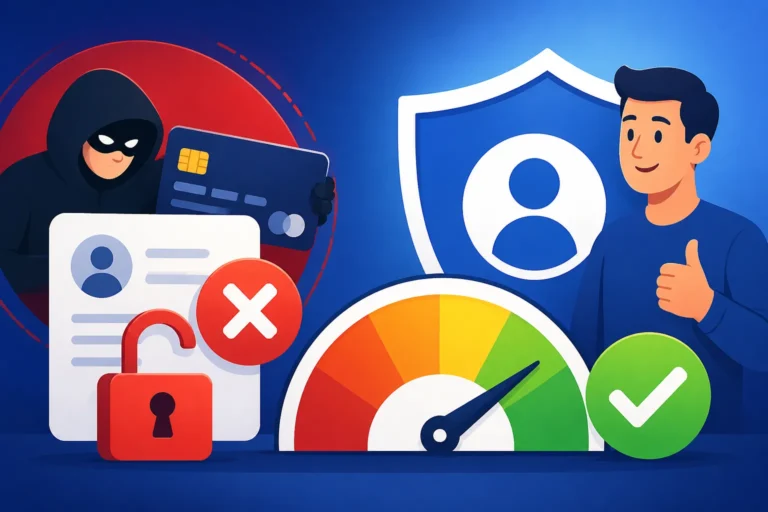
Feeling that knot in your stomach when you hear about another data breach, wondering if your personal information is floating around out there just waiting for an identity thief to snatch it up? It’s a completely valid fear, and it's why more and more folks, especially here in beautiful South Carolina, are looking into putting a freeze on their credit reports. This guide is all about giving you the peace of mind and the practical steps you need to freeze your credit right here in the Palmetto State, protecting yourself from potential fraud.
Understanding What a Credit Freeze Really Means
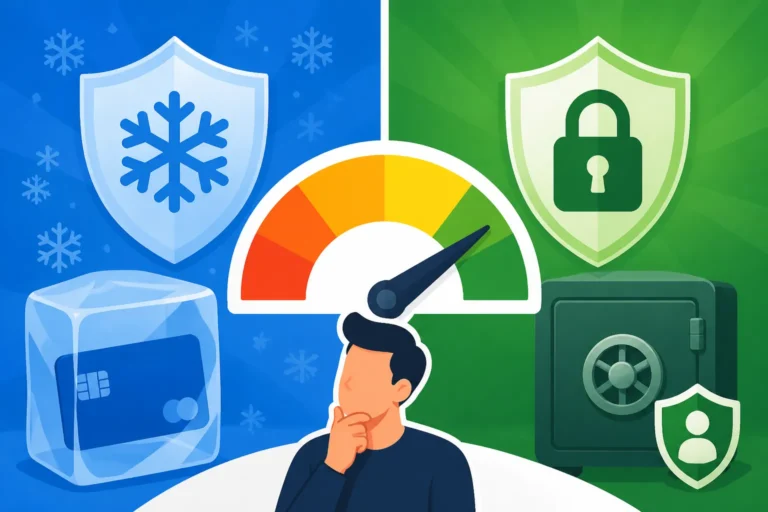
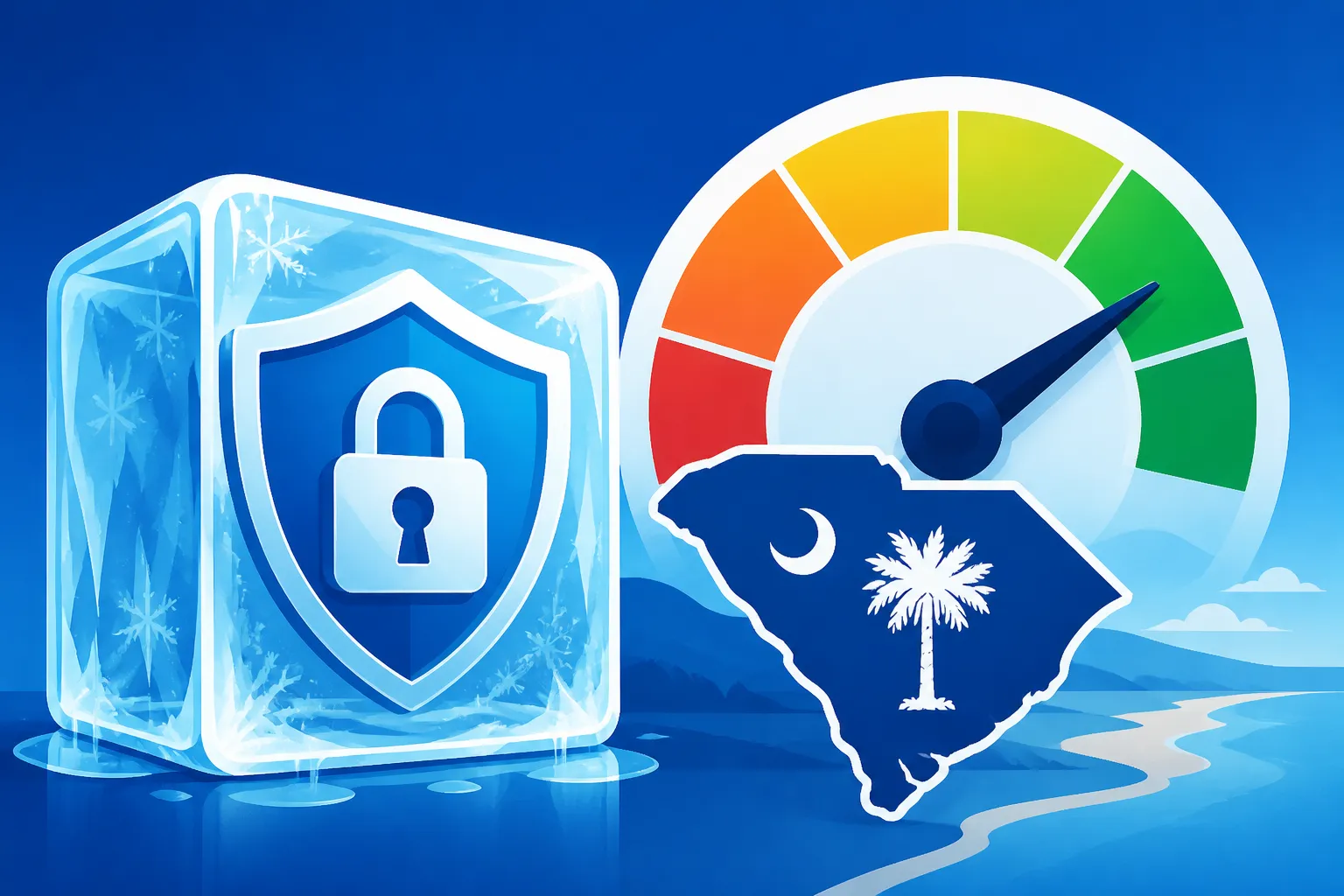
Let's face it, the world of credit can feel like a labyrinth, and phrases like "credit freeze" might sound intimidating or overly complicated. But at its heart, a credit freeze is one of the most powerful tools you have to protect your financial identity. Think of it like putting a padlock on your credit file. When your credit is frozen, potential creditors — like banks, credit card companies, and even utility providers — can't access your credit report. This means that if an identity thief tries to open an account in your name, they'll likely be denied because the lender can't review your creditworthiness. It's a simple, yet incredibly effective, barrier against new account fraud.
Credit Freezes Versus Fraud Alerts
It's common to confuse a credit freeze with a fraud alert, but they actually serve different, albeit related, purposes. A fraud alert is like putting a yellow caution tape around your credit file. It tells potential lenders to take extra steps to verify your identity before extending credit. They might call you on the phone or ask for additional identification. It's a good measure, but it doesn't stop new credit from being issued; it merely prompts further scrutiny. Fraud alerts typically last for one year, though you can extend them.
A credit freeze, on the other hand, is a full-stop. No one can pull your credit report without your express permission, usually granted by "thawing" or temporarily lifting the freeze with a specific PIN or password. This makes it far more difficult for criminals to open new accounts using your stolen information. While a fraud alert might slow them down, a credit freeze can effectively shut them down completely. Deciding between the two really comes down to your level of concern and how frequently you anticipate needing new credit. For a deep dive, you might want to read about the nuances of a Credit Freeze vs Credit Lock vs Fraud Alert to understand which option best fits your needs.
The Specific Benefits for South Carolina Residents
While the core mechanics of a credit freeze are federal, applying across all states, understanding the local context is always helpful. For residents of South Carolina, the good news is that placing a credit freeze is entirely free, thanks to federal law, and the state does not impose additional fees or restrictions. This means you can secure your credit without any financial burden. Given that South Carolina, like many other states, has its share of data breaches and identity theft incidents, taking proactive steps like a credit freeze is just smart financial hygiene.
Imagine you live in Charleston, and you hear about a large data breach at a national retailer you frequent. Instead of panicking, if your credit is frozen, you know that even if your Social Security number and other sensitive data were compromised, it would be extremely difficult for someone to open a new credit card or take out a loan in your name. This security isn't just theoretical; it translates into real peace of mind and can save you countless hours and immense stress down the line if you become a victim of identity theft. Many individuals also choose to explore options like Credit Strong after ensuring their credit is secure, as these services can help build a positive credit history once the initial protective measures are in place.
Your Step-by-Step Guide to Freezing Your Credit in South Carolina
Freezing your credit might sound like a bureaucratic nightmare, but it's actually a pretty straightforward process once you know the steps. You'll need to contact each of the three major credit bureaus individually. Why all three? Because not all creditors report to or pull from the same bureau. To ensure comprehensive protection, you need to freeze your credit with Equifax, Experian, and TransUnion. Rest assured, you don't need to visit a physical office in Columbia or anywhere else; it can all be done online or over the phone.
Contacting Each Credit Bureau Individually
This is the core of the process. You'll need to reach out to each of the "Big Three" credit reporting agencies directly. They each have their own online portals, phone numbers, and mailing addresses specifically for placing a credit freeze. Federal law mandates that these services are free, and it should take effect within one business day if you request it online or by phone. If you mail your request, the freeze should be in place within three business days after they receive it.
- Equifax: You can visit their dedicated security freeze page on their website, or call their automated line.
- Experian: Similar to Equifax, Experian offers an online portal for managing your security freeze, or you can call their specific phone number.
- TransUnion: TransUnion also provides an online service and a phone number to place your credit freeze.
It's crucial to complete this process with all three bureaus. Freezing with just one or two leaves significant gaps in your protection. Think of it like locking two doors in your house but leaving the back door wide open – an identity thief would just go for the easiest entry point. For more detailed instructions on dealing with each specific bureau, check out our guide on How to Dispute With Equifax, Experian, and TransUnion.
Information You'll Need for the Process
When you contact each bureau, they’ll need to verify your identity to ensure that you are the one requesting the freeze, not an imposter. Have the following information ready:
- Full Legal Name: As it appears on your driver's license and other official documents.
- Current and Previous Addresses: They may ask for addresses you've lived at over the past couple of years to verify your identity.
- Social Security Number (SSN): This is essential for them to locate your credit file.
- Date of Birth: Another key identifier.
Sometimes, they might ask you a few security questions based on your credit history, like previous addresses or names of past lenders, that only you would likely know. These questions are designed to protect you, so don't be alarmed. This verification process is a critical step in keeping your information secure. It’s also a good idea to know How to Read Your Credit Report beforehand, so you're familiar with the information they might reference.
Confirmation and PINs: What to Expect
Once you've successfully requested a credit freeze, each bureau will provide you with a unique Personal Identification Number (PIN) or password. This PIN is incredibly important. You will need it to temporarily lift (thaw) or permanently remove your credit freeze in the future. Treat these PINs like you would your Social Security number or bank account PIN – keep them in a safe, secure, and memorable place, but not directly on your computer or phone where they could be easily accessed.
Some people keep a physical record in a locked drawer, while others use a secure digital password manager. Whichever method you choose, make sure you can access it when you need to. Losing your PIN can make the process of thawing your credit significantly more complicated, sometimes requiring notarized documents or extensive identity verification. While services like Credit Strong can help you build credit, remember they can't bypass a credit freeze without your explicit authorization, which involves using that PIN.
Temporarily Thawing or Permanently Unfreezing Your Credit in South Carolina
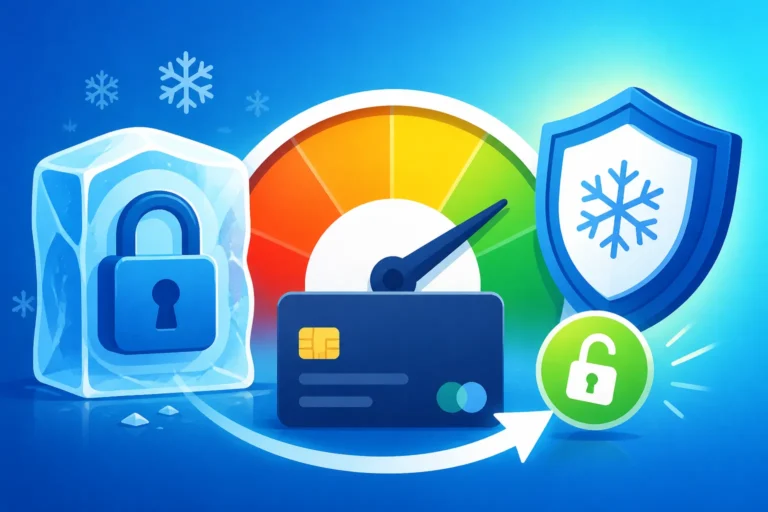
A credit freeze isn't a permanent lockdown with no key. You'll inevitably need to unfreeze your credit when you apply for new credit – whether it's a new credit card, a mortgage, a car loan, or even renting an apartment. The process of temporarily lifting or permanently removing the freeze is just as important as putting it in place.
How to Temporarily Lift a Credit Freeze
When you need to apply for credit, you have a couple of options for lifting the freeze. You can typically lift it for a specific period (e.g., 7 days) or for a specific creditor. The method is the same as freezing: you'll need to contact each bureau you froze your credit with.
- Online: The fastest and often easiest way is through the bureau's website. You'll log in, provide your PIN, and specify the duration or the specific creditor for whom you want to temporarily lift the freeze. This can usually be done instantly.
- By Phone: You can also call the bureau's automated or customer service line, provide your PIN, and request the temporary lift. This usually processes quickly as well.
- By Mail: If you're not in a hurry, you can mail in your request, but this will take longer to process.
Remember, if you're applying for a loan, your lender might pull your credit report from any of the three bureaus, so it's often safest to temporarily thaw your credit with all three. For example, if you're applying for a mortgage in Greenville, the lender might pull from Equifax one day and Experian the next. You don't want your application to be delayed because you only unfroze with two of the bureaus. Learning How to Unfreeze Your Credit Temporarily can save you a lot of hassle when applying for new lines of credit.
Permanently Removing Your Credit Freeze
If you decide you no longer want or need the protection of a credit freeze, you can request to permanently remove it. The process is similar to temporarily lifting it: you'll contact each credit bureau, provide your PIN, and specifically request a permanent removal. Once you confirm, your credit report will be accessible to anyone with a legitimate permissible purpose to view it, just as it was before the freeze.
It's important to consider the implications before permanently unfreezing. While it offers convenience, it also removes a significant layer of identity theft protection. For many, the minor inconvenience of temporarily lifting a freeze is a small price to pay for the enhanced security. However, if you're actively rebuilding credit, perhaps with tools like Credit Strong, and regularly need new credit checks, you might consider unfreezing once your financial situation is very stable and you have robust credit monitoring in place.
Important Considerations and Next Steps for South Carolina Residents
Freezing your credit is a fantastic step, but it's just one part of a comprehensive financial security strategy. There are other aspects to consider, especially when thinking about long-term protection and managing your credit health.
Monitoring Your Credit After a Freeze
Even with a credit freeze in place, it's a good practice to regularly monitor your credit reports and scores. Why? Because a credit freeze primarily protects against new account fraud. It doesn't prevent someone from making fraudulent charges on existing accounts or using your information in other ways that might not immediately show up as a new credit inquiry. For instance, if your existing credit card number is stolen, a credit freeze won't stop those fraudulent charges.
You can still access your free credit reports from AnnualCreditReport.com once a year from each of the three bureaus. Make it a habit to review these reports carefully for any inaccuracies, accounts you don't recognize, or unusual activity. Many free services also offer credit monitoring that can alert you to changes, even with a freeze. This ongoing vigilance is your second line of defense. Understanding Credit Monitoring: Is It Worth It? can help you decide if paid services are right for you.
Special Situations: Minors and Deceased Individuals in SC
Identity theft isn't just a concern for adults; minors are increasingly targets. Children's Social Security numbers are valuable to criminals because they typically have clean credit histories and the fraud can go undetected for years. In South Carolina, parents or legal guardians can place a security freeze on a child's credit report, even if they don't yet have a credit file. You'll typically need to provide proof of identity for yourself and the child, proof of your relationship (like a birth certificate), and proof of the child's address. This is a vital step for protecting your child's financial future.
For deceased individuals, a credit freeze can also be important to prevent post-mortem identity theft. Family members or executors can request a freeze on a deceased loved one's credit file by providing a death certificate and proof of their authority to act on behalf of the deceased. This is an important step to take during the sensitive period of settling an estate, safeguarding against further distress. While it's a somber topic, knowing how to protect a deceased person's identity offers a measure of closure.
| Feature | Credit Freeze | Fraud Alert |
|---|---|---|
| Purpose | Prevents access to your credit report | Warns lenders to verify identity |
| Effectiveness | Strongest protection against new account fraud | Good deterrent, but not a full block |
| Cost | Free (federal law) | Free (federal law) |
| Duration | Indefinite until lifted or removed | 1 year (can be renewed) |
| Lifting Process | Requires PIN for temporary thaw or permanent removal | Automatically expires or can be removed by request |
| Impact on Access | No one can pull credit without your PIN | Lenders may still grant credit after verification |
How a Credit Freeze Supports Your Overall Credit Health
Ultimately, freezing your credit is a protective measure. It's not about improving your credit score directly, but about preventing potentially catastrophic damage that could send your score plummeting. Think of it as a crucial foundation upon which you can build or rebuild your credit responsibly. If you've been working hard to improve your credit, maybe by responsibly using a secured credit card or a credit builder loan like those offered by Credit Strong, the last thing you want is for an identity thief to undo all that progress.
A credit freeze safeguards your hard-earned progress, ensuring that the positive steps you take, such as making on-time payments or lowering your credit utilization, are the only things affecting your credit score. If you're in the midst of trying to learn How to Raise Your Credit Score, protecting your existing credit history from external threats is just as important as actively building it. In South Carolina, taking control of your credit reports through a freeze is a smart, free, and empowering move for your financial well-being.
Disclaimer
The information provided in this article is for general educational purposes only and should not be considered legal or financial advice. Laws and regulations regarding credit and identity theft can change, and individual circumstances vary. Always consult with a qualified financial advisor or legal professional for advice tailored to your specific situation.