Balance Transfer Cards: How They Work
It's incredibly frustrating to feel like you're constantly treading water, making credit card payments month after month, only to see the principal barely budge because of sky-high interest rates. Many people find themselves trapped in this cycle, struggling to get ahead. This comprehensive guide will walk you through everything you need to know about balance transfer cards, a powerful tool that, when used correctly, can help you escape that relentless interest and finally make real progress on your credit card debt.
What Exactly Is a Balance Transfer Card and How Does It Help?
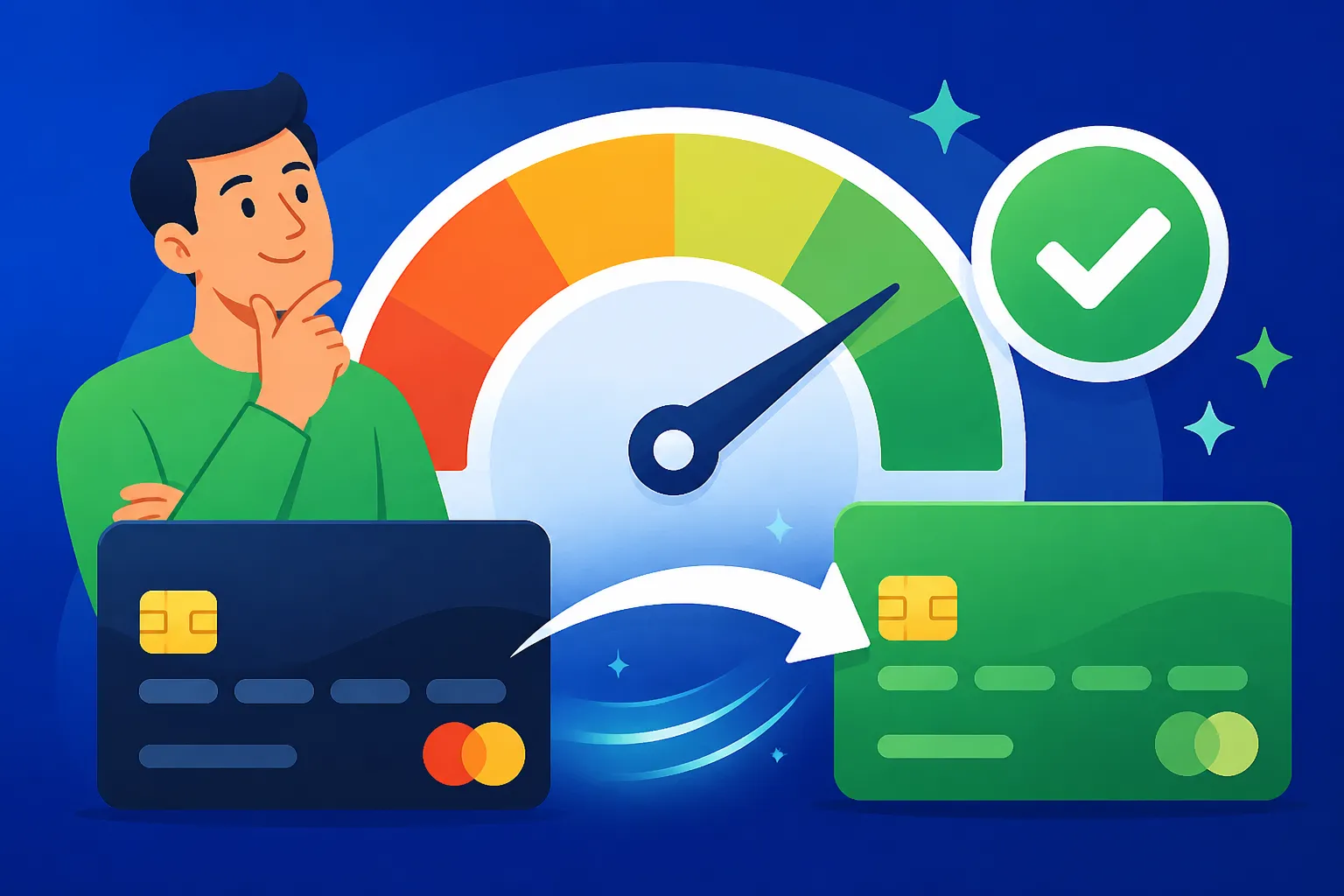
When you're staring down multiple credit card statements, each with a different interest rate that feels like it's eating away at your hard-earned money, the idea of a fresh start can seem like a dream. That's exactly where a balance transfer card comes into play. It's essentially a new credit card specifically designed to help you consolidate existing high-interest debt from other credit cards or even other types of loans onto a single card, often with a significantly lower, or even 0%, introductory annual percentage rate (APR).
The Core Concept: Moving High-Interest Debt
Think of it like this: you have a debt on one credit card, say with an 18% APR, and another on a different card with a 22% APR. Every month, a substantial portion of your payment goes straight to interest, barely touching the amount you actually owe. A balance transfer card allows you to take those balances from your existing high-interest accounts and move them to the new card. Instead of owing three different companies at three different, high rates, you now owe one company, and for a set period, you're paying little to no interest on that transferred amount. This can be a game-changer for your financial health, allowing you to focus your payments on the actual debt rather than just the cost of borrowing. It’s a strategic move to gain control over your debt and simplify your repayment journey.
The goal isn't just to shift debt around, but to create an environment where you can pay it down more efficiently. By consolidating debt, you also reduce the number of payments you need to track each month, minimizing the chances of missing a payment and incurring late fees, which only compound the problem. It’s about streamlining your financial obligations and making the process of becoming debt-free a little less overwhelming. For anyone looking to understand how to get out of credit card debt, this is often one of the first and most effective strategies considered.
The Allure of the 0% APR Introductory Period
The real draw of balance transfer cards is often that enticing 0% introductory APR offer. Imagine taking a $5,000 credit card balance that was accruing interest at 20% annually, and moving it to a new card where you pay no interest for 12, 18, or even 21 months. That's potentially hundreds, if not thousands, of dollars saved in interest alone. This intro period is a golden opportunity, a grace period designed to give you a substantial head start on tackling your debt.
During this time, every single dollar you pay (beyond the balance transfer fee, which we'll discuss shortly) goes directly towards reducing your principal. This accelerated repayment can be incredibly motivating and effective. However, it's crucial to remember that this low or 0% APR is temporary. Once the introductory period expires, the interest rate will jump to the standard APR, which can be quite high if you haven't managed to pay off a significant portion, or all, of the transferred balance. This isn't a long-term solution to avoid interest indefinitely; it's a powerful short-term tool that requires a solid plan and diligent execution to maximize its benefits.
Many people fall into the trap of thinking they've solved their problem just by transferring the balance, only to find themselves in the same predicament, or worse, once the introductory period ends. The true value comes from using this window wisely, making consistent, aggressive payments, and truly committing to reducing your debt.
How Balance Transfer Cards Actually Work
Understanding the mechanics of a balance transfer card is key to using it effectively. It’s not just about signing up for a new card; there’s a process, fees, and timelines to consider. Jumping in without knowing the operational details can lead to unexpected costs or missed opportunities.
Application and Approval Process
Applying for a balance transfer card is similar to applying for any other credit card, but with a few key differences. Lenders are looking for borrowers who are creditworthy enough to handle new credit, but also who have existing debt they want to consolidate. This means your credit score will be a significant factor. Generally, you’ll need at least a good to excellent credit score (typically 670 or higher) to qualify for the most attractive 0% APR offers. Lenders want to see that you’re a responsible borrower who has simply accumulated high-interest debt, rather than someone who struggles with making payments altogether.
During the application, you'll provide personal and financial information, just like any other credit card application. You’ll also typically be asked how much debt you intend to transfer and from which specific creditors. The issuer will then conduct a hard inquiry on your credit report, which can temporarily ding your score by a few points. If approved, you’ll be given a credit limit, and you can only transfer up to that amount. It’s important to note that you usually cannot transfer a balance between two cards issued by the same bank. For instance, you can't transfer a balance from your Chase Freedom card to a Chase Slate Edge card. If you're denied, it often comes down to your credit score or debt-to-income ratio, which might indicate that you're a higher risk. In such cases, focusing on strategies to how to raise your credit score might be your next best step.
The Transfer Itself: From Old Card to New
Once approved, the actual transfer process begins. You'll typically provide the new card issuer with the account numbers and amounts you wish to transfer from your old credit cards. The new issuer will then pay off those designated balances on your old cards, and that amount will be added to your new balance transfer card. This process isn't instantaneous; it can take anywhere from a few days to a few weeks for the transfers to fully process and reflect on both your old and new accounts.
During this waiting period, it is absolutely critical that you continue making minimum payments on your old accounts. If you stop paying prematurely and a transfer takes longer than expected, you could incur late fees and even have a negative mark on your credit report, which could impact your credit score. Once the transfers are complete, you should receive confirmation, and you'll see a zero balance (or a significantly reduced one) on your old cards, and the transferred amount on your new balance transfer card. It’s a good practice to double-check all accounts to ensure the transfers went through correctly.
Understanding the Balance Transfer Fee
While the 0% introductory APR is incredibly appealing, it's rare that a balance transfer is entirely free. Most balance transfer cards charge a one-time balance transfer fee, which is typically a percentage of the amount you transfer. Common fees range from 3% to 5% of the transferred balance. For example, if you transfer $10,000 with a 3% fee, you'll pay $300 (which will be added to your new card's balance) right off the bat.
You need to factor this fee into your calculations. While it adds to your initial debt on the new card, the savings from avoiding interest can still be substantial. Let's say you're considering transferring a $5,000 balance from a card with a 20% APR over 18 months. Without a transfer, you'd pay a significant amount in interest. If you transfer it to a card with a 3% fee and an 18-month 0% APR, your initial balance becomes $5,150. However, if you stick to your repayment plan and pay off that $5,150 within the 18-month window, you've saved all the interest you would have paid on the original $5,000. It's a calculated cost that often pays for itself many times over in interest savings, but it's a cost you must be aware of and include in your budget.
There are a few rare balance transfer cards that offer no transfer fee, though these often come with stricter eligibility requirements or shorter introductory periods. Always read the fine print to understand all associated costs.
The Pros and Cons of Using a Balance Transfer Card
Like any financial tool, balance transfer cards come with their own set of advantages and potential pitfalls. It’s important to weigh these carefully before deciding if this is the right move for your personal financial situation.
Advantages: Saving Money and Simplifying Payments
The most compelling advantage of a balance transfer card is, without a doubt, the potential for significant interest savings. By moving high-interest debt to a card with a 0% or very low introductory APR, every dollar you pay (after any initial transfer fee) goes directly to paying down your principal. This means you can chip away at your debt much faster, shortening your repayment timeline and saving you potentially hundreds or even thousands of dollars in interest charges. Imagine having an 18-month window where none of your payments are wasted on interest; that's a powerful incentive to tackle debt head-on.
Beyond saving money, balance transfers offer a fantastic opportunity to simplify your financial life. Instead of juggling multiple minimum payments to different creditors each month, you consolidate your debt into one payment to a single issuer. This streamlines your budget, reduces the chances of missing a payment (and incurring fees or damaging your credit), and generally makes the entire debt repayment process feel more manageable. It can bring a sense of clarity and control that's often missing when you're overwhelmed by several high-interest debts. This simplified approach is a major step forward for many people who feel buried under a mountain of bills.
For some, it can also provide a psychological boost. Seeing a zero balance on old, high-interest cards can be incredibly motivating and provide the momentum needed to stay committed to a debt-free future.
Potential Drawbacks and Hidden Costs
While the benefits are clear, balance transfer cards aren't a magic bullet and come with their own set of risks and costs. The most obvious "hidden" cost is the balance transfer fee itself, typically 3-5% of the transferred amount. While often worth it, it's still an upfront expense that adds to your initial debt. If you transfer $10,000, a 3% fee means you start with a $10,300 balance. This needs to be factored into your repayment plan.
A more significant drawback is what happens if you don't pay off the transferred balance before the introductory APR period expires. Once that period ends, the interest rate can jump dramatically, often to a standard variable APR that's comparable to, or even higher than, the rates you transferred from. If you haven't made substantial progress, you could find yourself back where you started, but potentially with a higher balance due to the transfer fee, and facing new high-interest charges. This is why having a solid repayment strategy is absolutely crucial.
Another common pitfall is falling into the trap of using your old, now-empty credit cards. If you clear a balance and then rack up new debt on those old cards, you'll end up with more debt than you started with, effectively doubling your trouble. It's essential to freeze or cut up those old cards once the balance transfer is complete, or at least have an ironclad plan to avoid new spending. For individuals who find it hard to resist the temptation of available credit, this can be a serious issue. Also, keep in mind that applying for a new card results in a hard inquiry on your credit report, which can temporarily lower your score. While minor, it's a consideration, especially if you plan on applying for other forms of credit soon.
Who Should Consider a Balance Transfer Card?
Balance transfer cards are powerful tools, but they're not for everyone. Knowing if you're a good candidate can save you from potential headaches and ensure you reap the benefits.
Ideal Candidates for Debt Consolidation
You're an ideal candidate for a balance transfer card if you have a clear plan and the financial discipline to execute it. Typically, this means you have a manageable amount of high-interest credit card debt that you realistically believe you can pay off within the introductory 0% APR period. For instance, if you have $5,000 in credit card debt with a 20% APR and you find a card with an 18-month 0% APR and a 3% transfer fee, you'd need to pay approximately $286 a month ($5,150 / 18) to clear the balance before the rate jumps. If this fits comfortably within your budget, you’re in a strong position.
Another key factor is having good to excellent credit. Most of the best balance transfer offers (with the longest 0% APR periods and lowest fees) are reserved for individuals with strong credit scores, generally 670 or above. Lenders want to see a history of responsible borrowing, even if you currently have high balances. If your credit score is on the lower side, you might not qualify for the best offers, or any offer at all. If you're looking for ways to improve your credit to qualify, resources on how to build credit from scratch or even something like Credit Strong which helps build credit through secured loans, might be beneficial as a first step.
Finally, you should be someone who has identified and addressed the root cause of your debt. If you're simply transferring debt but haven't changed your spending habits, you're likely to accumulate new debt on the old cards, or even the new one, defeating the purpose. A balance transfer is a strategic tool for debt elimination, not just debt relocation.
When It Might Not Be the Right Fit
On the flip side, a balance transfer card might not be the right solution for everyone. If you have a very large amount of credit card debt that you know you won't be able to pay off within even the longest introductory APR period, a balance transfer might only delay the inevitable high-interest charges and could even add to your debt with the transfer fee. In such cases, other strategies like exploring a debt snowball vs debt avalanche approach, or even debt consolidation loans, might be more effective.
Similarly, if your credit score is poor or fair (typically below 670), you'll likely struggle to qualify for balance transfer cards with favorable terms. The cards you might get approved for could have shorter introductory periods, higher balance transfer fees, or higher standard APRs after the intro period, making the overall benefit negligible or even negative. If you're currently rebuilding your credit, perhaps through a secured credit card or a credit builder loan, waiting until your score improves might be a wiser strategy.
Lastly, if you have a history of overspending and struggle with impulse control when it comes to credit, a balance transfer card could be a dangerous tool. The temptation to use your now-empty old credit cards, or to run up a new balance on your balance transfer card, is a real risk. If you haven't developed better spending habits, you could end up with more debt than you started with, negating any benefits and digging yourself into an even deeper hole. It's crucial to be honest with yourself about your financial discipline before taking this step.
Navigating the Introductory APR Period Effectively
The introductory APR period is your window of opportunity. How you utilize this time will determine the success of your balance transfer strategy. It requires deliberate planning and unwavering commitment.
Creating a Realistic Repayment Plan
The most critical step after securing a balance transfer card is to immediately establish a clear, realistic repayment plan. Don't just make minimum payments; those are designed to keep you in debt as long as possible. Instead, calculate exactly how much you need to pay each month to pay off the entire transferred balance plus the balance transfer fee before the 0% APR period ends.
Here's a simple calculation:
(Total Transferred Balance + Balance Transfer Fee) / Number of Months in Intro APR Period = Required Monthly Payment
Let's say you transferred $7,000 with a 3% fee to a card with an 18-month 0% APR.
- Balance Transfer Fee: $7,000 * 0.03 = $210
- Total Balance to Pay Off: $7,000 + $210 = $7,210
- Required Monthly Payment: $7,210 / 18 = $400.56
This specific calculation gives you a concrete target. Set up automatic payments for this amount to avoid missing payments. Look at your budget to see if this payment is truly sustainable. If not, you might need to find ways to cut expenses or increase your income, even temporarily. Remember, the goal is to make consistent, larger-than-minimum payments to get rid of that debt while it's interest-free. This commitment is what separates success from simply postponing high interest.
Avoiding New Debt on Your Transfer Card
The moment you transfer your balance, your old credit cards will have available credit again. It can be incredibly tempting to use them, especially if you're facing unexpected expenses or simply want to treat yourself. However, this is one of the biggest pitfalls of a balance transfer. Using those old cards and racking up new debt will quickly undo all the progress you've made. The goal is to reduce your overall debt, not just shift it around or add to it.
To avoid this, consider drastic measures. You might want to physically cut up your old credit cards, or at the very least, put them in a secure place where they're not easily accessible. Some people even put them in a block of ice in the freezer – out of sight, out of mind, and inconvenient to use! It's also vital to practice extreme discipline with your new balance transfer card. While it has a 0% APR on transferred balances, any new purchases you make on it will likely accrue interest immediately at the standard (often high) purchase APR. This means you could be paying interest on new purchases while still enjoying 0% on your transferred balance, creating a confusing and costly scenario. Treat your balance transfer card strictly as a debt repayment vehicle, not a new spending tool.
Focus your energy on paying down the transferred balance, and if you need to make purchases, use a debit card or cash, or consider a separate credit card for new purchases that you can pay off in full each month.
What Happens When the Intro Period Ends
This is perhaps the most crucial aspect to understand and plan for. The 0% or low introductory APR is temporary. Once that period expires, any remaining unpaid balance on the card will revert to the standard variable APR, which is often significantly higher. This new rate can be 15%, 20%, 25%, or even more, turning your once interest-free debt into an expensive burden once again.
If you haven't managed to pay off the entire transferred balance by the end of the promotional period, you'll start accruing interest on the remaining amount. This is why a precise repayment plan is so vital. Failing to meet your repayment goal means you've paid the balance transfer fee and still face high interest, albeit on a potentially smaller balance.
Before the introductory period concludes, review your progress. If you're close to paying it off but need a little more time, consider if you can make a final, larger payment or find another strategy. If you still have a substantial balance, you might consider another balance transfer (if your credit allows and you can find another favorable offer), but this isn't a sustainable long-term solution. The ideal scenario is to have that balance paid down to zero well before the deadline, allowing you to walk away from that debt completely interest-free. This discipline ensures the balance transfer card truly serves its purpose as a temporary bridge to debt freedom.
Choosing the Best Balance Transfer Card for Your Needs
Selecting the right balance transfer card is a critical decision that can significantly impact your debt repayment journey. It's not a one-size-fits-all situation, and what works for one person might not be ideal for another.
Key Factors to Compare: APR, Fees, and Length
When you're shopping for a balance transfer card, there are three primary factors you absolutely must compare:
- Introductory APR: This is the interest rate you'll pay on your transferred balance for a specified period. The lower, the better, with 0% being the ultimate goal. Introductory periods typically range from 6 to 21 months. A longer 0% APR period gives you more time to pay down your debt interest-free, which is generally more advantageous, especially for larger balances. However, don't just jump at the longest period if other factors aren't ideal.
- Balance Transfer Fee: As we discussed, most cards charge a fee to transfer a balance, usually 3% to 5% of the amount. A lower fee means less added to your principal. While a 0% fee card is rare, it's worth seeking out if your credit is strong enough. Always calculate the total cost of the fee against the potential interest savings.
- Standard APR: This is the interest rate that kicks in after the introductory period expires. While your primary goal is to pay off the balance before this happens, life can be unpredictable. If you can't pay it all off, you want this rate to be as low as possible to minimize future interest charges. Don't overlook this detail; it's your safety net.
Let's illustrate with a comparison table:
| Card Option | Introductory APR | Intro Period Length | Balance Transfer Fee | Standard Variable APR (After Intro) | Best For… |
|---|---|---|---|---|---|
| Card A | 0% | 12 Months | 3% | 18.24% – 28.24% variable | Smaller balances, fast repayment |
| Card B | 0% | 18 Months | 3% | 16.99% – 26.99% variable | Medium balances, more breathing room |
| Card C | 0% | 21 Months | 5% | 17.99% – 27.99% variable | Larger balances, needing maximum time |
| Card D | 0% | 15 Months | 0% | 19.49% – 29.49% variable | Smaller balances, avoiding transfer fee |
As you can see, each card has different strengths. Card D, with no transfer fee, could be highly attractive if you have a smaller balance you're confident you can pay off within 15 months, as it avoids any upfront cost. For larger balances, Card C might seem appealing due to its long 21-month intro period, but you must factor in the higher 5% transfer fee. Always calculate the total cost over the intro period.
Important Considerations for Approval
Just because a card advertises a great balance transfer offer doesn't mean you'll automatically qualify for it. Lenders look at several factors when evaluating your application:
- Credit Score: As mentioned, a good to excellent credit score (typically FICO Score of 670 or higher) is usually required for the most competitive offers. If your score is on the lower end, you might only qualify for cards with less favorable terms, or you might be denied altogether. If your credit needs work, consider focusing on strategies like how to build your credit from scratch before applying, or looking into specific products like Credit Strong which are designed to help build credit history.
- Credit Utilization: This is the amount of credit you're using compared to your total available credit. Lenders prefer to see low utilization (ideally below 30%). If your credit utilization is very high across all your existing cards, it could signal to lenders that you're overextended, making you a riskier applicant. Understanding your credit utilization: the complete guide is crucial here.
- Payment History: A consistent history of on-time payments is paramount. Any recent late payments can significantly hurt your chances of approval, even if your overall score is decent.
- Income: Lenders want to see that you have a stable income sufficient to make payments on your new card, in addition to your other financial obligations.
- Existing Relationship with the Lender: Sometimes, having an existing banking relationship with an issuer can slightly improve your chances, but it's not a guarantee.
It's wise to check your credit score and credit report before applying to ensure there are no surprises or errors that could hinder your application. Remember, applying for multiple credit cards in a short period can lead to multiple hard inquiries, which can temporarily ding your credit score.
Common Mistakes to Avoid with Balance Transfer Cards
While balance transfer cards can be immensely helpful, they come with traps that many people fall into. Being aware of these common missteps can help you navigate the process successfully and avoid deeper financial trouble.
Not Addressing the Root Cause of Debt
One of the most significant mistakes people make with a balance transfer card is treating it as a quick fix without addressing the underlying issues that led to their debt in the first place. If you had high credit card balances because you consistently spent more than you earned, or because you didn't have a budget, simply transferring the debt to a new card won't change those habits. You'll likely find yourself running up new balances on your old cards (which now have available credit) or even on the balance transfer card itself (if you make new purchases), leading to more debt than you started with.
The balance transfer provides a valuable breathing room, a temporary reprieve from interest, but it's your responsibility to use that time wisely. This means taking a hard look at your spending habits, creating a realistic budget, and sticking to it. Identify your triggers for overspending and develop strategies to avoid them. For some, this might mean cutting up all but one credit card, using cash for discretionary spending, or enrolling in financial literacy programs. Without addressing the behavioral aspects of debt accumulation, a balance transfer is merely shuffling deck chairs on the Titanic. It's a prime opportunity to develop better financial habits and ensure that once this debt is gone, it stays gone.
Miscalculating Your Repayment Strategy
Another common pitfall is failing to accurately calculate and commit to a repayment strategy that ensures the debt is paid off within the introductory APR period. Many people mistakenly think they just need to make the minimum payment during the 0% period. However, minimum payments are often very low and are designed to extend the life of the debt as long as possible, even at 0% interest. If you only make minimum payments, you will almost certainly have a significant balance remaining when the promotional period ends, at which point the high standard APR kicks in.
Let's revisit our example: a $7,210 balance (including fee) with an 18-month 0% APR. The required payment to pay it off is $400.56 per month. If the minimum payment set by the card issuer is only, say, $150, and you only pay that, you'd only pay down $2,700 over 18 months, leaving $4,510 still on the card when the 0% APR expires. Now, that $4,510 will start accruing interest at potentially 20% or more, costing you hundreds more and negating much of the benefit.
You must be precise in your calculations and disciplined in your payments. Use our earlier formula to determine your exact monthly payment, and then prioritize that payment in your budget. If you find you can't realistically make that payment, then a balance transfer might not be the right solution for your current financial situation, or you might need to look for a card with a longer introductory period to spread out the payments more. This isn't a strategy where "winging it" works; it demands careful planning and execution.
What to Do If a Balance Transfer Isn't an Option
Sometimes, despite your best intentions, a balance transfer card just isn't a viable solution. This could be due to a low credit score, too much debt, or simply not finding an offer that makes sense for your situation. Don't despair; there are still plenty of paths to tackle your debt.
Exploring Other Debt Reduction Strategies
If a balance transfer isn't working out, it's time to explore other proven debt reduction strategies.
- Debt Consolidation Loan: This is another popular option where you take out a single personal loan, often with a fixed interest rate lower than your credit card rates, and use it to pay off all your high-interest credit card debt. This simplifies your payments and can save you money on interest. However, like balance transfers, qualification depends on your creditworthiness, and you'll still need to make consistent payments. You can read more about whether debt consolidation hurts your credit before diving in.
- Debt Snowball or Debt Avalanche Method: These are self-managed repayment strategies that don't require taking on new debt.
- The debt snowball method involves paying the minimum on all debts except the smallest one, which you attack with extra payments. Once the smallest is paid off, you roll that payment amount into the next smallest debt, creating a "snowball" of accelerating payments. This method provides psychological wins by quickly eliminating small debts. You can compare this to the debt avalanche: which is better.
- The debt avalanche method focuses on paying off the debt with the highest interest rate first, while making minimum payments on all others. Once the highest-interest debt is gone, you move to the next highest. This method saves you the most money on interest over time.
- Credit Counseling: Non-profit credit counseling agencies can help you review your finances, create a budget, and negotiate with creditors for lower interest rates or more manageable payment plans through a Debt Management Plan (DMP). Organizations like the National Foundation for Credit Counseling (NFCC) can be a great starting point.
- Negotiating with Creditors: Sometimes, a direct call to your credit card company can yield results. Explain your situation and ask if they can lower your interest rate, waive a fee, or offer a temporary hardship plan. It doesn't always work, but it's worth a shot.
Each of these methods has its own benefits and drawbacks, and the best choice depends on your specific financial situation, discipline, and credit profile.
Boosting Your Credit to Qualify Later
If your credit score is currently too low to qualify for an attractive balance transfer offer, don't view it as a permanent roadblock. Instead, see it as an opportunity to focus on improving your credit health, which will benefit you in countless ways beyond just qualifying for a balance transfer.
Here are key actions to boost your credit score:
- Pay All Bills On Time: Payment history is the biggest factor in your credit score. Make every payment, for every account, on time, every single month. Set up automatic payments to avoid missing due dates.
- Reduce Credit Utilization: This is the second most important factor. Aim to keep your credit utilization ratio (the amount of credit you're using divided by your total available credit) below 30%, and ideally even lower, like under 10%. Paying down existing credit card balances will achieve this. You can learn how to lower your credit utilization fast for maximum impact.
- Keep Old Accounts Open: The length of your credit history positively impacts your score. Don't close old credit card accounts, especially if they have a zero balance, as this can reduce your overall available credit and shorten your average account age.
- Address Negative Items: If you have collections, charge-offs, or other negative marks, explore options like how to remove collections from your credit report or should you pay off old collections.
- Consider Credit Builder Products: If you have very limited credit history, tools like secured credit cards or credit builder loans (from providers like Credit Strong or Self Lender) can help you establish a positive payment history and build your credit score over time. These products are designed specifically for individuals looking to build or rebuild their credit responsibly.
By diligently working on these credit-building strategies, you can significantly improve your credit score, making you a much stronger candidate for a balance transfer card, or other favorable financial products, in the future. It's a marathon, not a sprint, but the payoff is well worth the effort.
Disclaimer
The information provided in this guide is for general informational purposes only and does not constitute financial, legal, or professional advice. Always consult with a qualified financial advisor, credit counselor, or legal professional before making any financial decisions. Credit card terms, interest rates, and fees are subject to change and vary by issuer and individual creditworthiness.