How to Pay Off $5,000 in Credit Card Debt
Facing down $5,000 in credit card debt can feel like staring at a mountain, especially when you're just trying to keep your head above water. It's a common struggle, and the anxiety of those monthly minimums and creeping interest can be truly draining. But here's the good news: this guide is designed to help you dismantle that debt, piece by piece, with practical, empathetic strategies that truly work for everyday people.
Understanding Your $5,000 Debt Landscape
Before we can tackle this $5,000 challenge head-on, it's crucial to understand what you're dealing with. This isn't just about a number; it's about understanding the context, the costs, and how it impacts your financial well-being. Thinking about the journey ahead without a clear map can make anyone feel lost, so let's start by drawing one.
How Did You Get Here?
It's easy to beat yourself up when you see a debt balance, but financial situations are often complex. Maybe you had an unexpected medical emergency, a car repair that couldn't wait, or perhaps you just gradually leaned on your credit card more than you intended for everyday expenses. Life happens, and credit cards are designed to be convenient, sometimes too convenient, for those moments when your budget is stretched thin.
The key here isn't to dwell on past mistakes, but to acknowledge the path that led to this point. Understanding the underlying reasons can help prevent a recurrence once this debt is gone. For instance, if it was an emergency, perhaps building up an emergency fund can be a parallel goal. If it was lifestyle creep, then a budget adjustment might be necessary. This self-reflection is a powerful first step in gaining control, not just over this $5,000, but over your financial future.
Sometimes, it's a mix of small choices and larger circumstances. Maybe you opened a new card for a fantastic sign-up bonus, but then carried a balance longer than you planned. Or perhaps, like many, you just didn't fully grasp how quickly interest charges can accumulate when you're only making minimum payments. Whatever the story, remember that many people have been in your shoes and successfully navigated their way out.
The True Cost of Minimum Payments
Ah, the dreaded minimum payment. It feels like a lifeline, doesn't it? Just enough to keep the wolves from the door. But here's the harsh reality: minimum payments are often structured to keep you in debt for as long as possible, maximizing the interest you pay to the credit card company. When you only pay the minimum, a significant portion, sometimes nearly all of it, goes straight to interest, barely touching your principal balance.
Let's say you have a $5,000 balance on a card with a 20% Annual Percentage Rate (APR), and your minimum payment is 2% of the balance or $25, whichever is higher. Initially, your minimum payment might be $100. Sounds manageable, right? But with 20% APR, roughly $83 of that initial payment would go to interest, and only $17 would reduce your $5,000 principal. This means it could take you over a decade, sometimes even two, to pay off that $5,000 debt, and you could end up paying thousands more in interest than the original amount you borrowed.
This is why understanding "How Credit Card Debt Affects Your Credit Score" and the long-term impact of minimum payments is so critical. They are a trap designed to generate revenue for lenders. Our goal isn't just to pay off the debt, but to escape this cycle and save you significant money that you can put towards your own goals. We want to move past simply surviving month to month with minimums and truly thrive.
Gathering Your Debt Details
Before you can start any journey, you need to know your starting point. When it comes to tackling $5,000 in credit card debt, this means getting a crystal-clear picture of all your credit card accounts. This isn't the fun part, but it's absolutely essential. You'll need to dig out those statements or log into your online accounts and write down key information for each card.
Create a simple spreadsheet or even just a piece of paper with the following columns:
- Credit Card Name: (e.g., Visa, Mastercard, Store Card)
- Current Balance: The exact amount you owe today.
- Interest Rate (APR): This is crucial! It tells you how expensive each debt is.
- Minimum Payment Due: What you absolutely must pay each month.
- Due Date: When each payment is expected.
Having all this information in one place helps you see the full scope of your debt, rather than just feeling vague stress about it. It allows you to identify which debts are costing you the most in interest and which ones might be easier to tackle first. This objective data is the foundation of any successful debt repayment plan, empowering you to make informed decisions rather than just guessing.
| Credit Card | Current Balance | Interest Rate (APR) | Minimum Payment | Due Date |
|---|---|---|---|---|
| Card A | $2,200 | 24.99% | $45 | 15th |
| Card B | $1,800 | 18.99% | $36 | 22nd |
| Card C | $1,000 | 29.99% | $25 | 5th |
| Total | $5,000 | $106 |
This table instantly highlights that Card C, despite having the smallest balance, has the highest interest rate, making it the most "expensive" debt. Card A has the largest balance and also a high rate. This kind of overview is invaluable for strategizing.
Crafting Your Attack Plan: Popular Strategies
Now that you have all your debt information laid out, it's time to choose your battle strategy. There are several proven methods for paying off credit card debt, and the "best" one often depends on your personality and what motivates you most. Each approach offers a different psychological or financial advantage, so let's break them down. This is where you really start to feel like you're taking control. If you're wondering "How to Pay Off Credit Card Debt Fast", these strategies are the cornerstone.
The Debt Snowball Method
The debt snowball method, popularized by financial guru Dave Ramsey, is all about psychological wins. You list your debts from smallest balance to largest, regardless of interest rate. You make minimum payments on all debts except for the smallest one, which you attack with every extra dollar you can find. Once that smallest debt is paid off, you take the money you were paying on it (the minimum payment plus the extra you were sending) and roll it into the next smallest debt.
Imagine you pay off a $500 balance. Now you have an extra $30 or $40 (whatever that minimum was) to add to the minimum payment of your next smallest debt. This creates a snowball effect: as each debt is paid off, the "snowball" of your payment grows, helping you pay off subsequent debts faster. This method prioritizes momentum and motivation. Seeing those smaller debts disappear quickly can be incredibly empowering and helps you stick with the plan.
For someone feeling overwhelmed by $5,000 across multiple cards, getting rid of that first $1,000 card can provide a huge emotional boost, even if it means paying a little more in interest in the long run compared to other methods. The feeling of success fuels your drive to keep going, making it a powerful tool for those who need frequent validation to stay on track. This method acknowledges that personal finance is often more about personal psychology than pure math. For a deeper dive, check out our guide on "Debt Snowball vs Debt Avalanche: Which Is Better?".
The Debt Avalanche Method
If you're a numbers person and want to save the most money on interest, the debt avalanche method is likely your best bet. With this strategy, you list your debts from the highest interest rate to the lowest, regardless of the balance. You still make minimum payments on all debts except for the one with the highest interest rate, which you funnel all your extra money towards.
Once the highest-interest debt is paid off, you take all the money you were paying on it and apply it to the debt with the next highest interest rate. This method systematically eliminates the most expensive debts first, which means you'll pay less in total interest over the life of your repayment journey. While it might take longer to see the first debt completely disappear if your highest-interest debt also happens to be your largest, the financial savings can be substantial.
For our example from the table above, with Card C at 29.99% APR ($1,000 balance), Card A at 24.99% APR ($2,200 balance), and Card B at 18.99% APR ($1,800 balance), the avalanche method would target Card C first. You'd pay the minimums on A and B, and throw everything extra at C. Once C is gone, you'd roll that payment into Card A. This approach is financially savvy and ideal for those who can remain disciplined even without immediate small victories.
The Balance Transfer Strategy
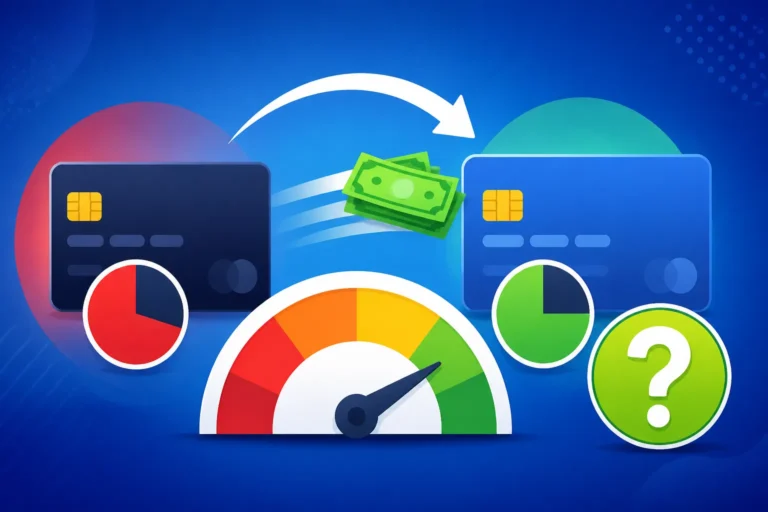
Another powerful tool in the arsenal against credit card debt, especially a $5,000 balance, is a balance transfer credit card. This strategy involves moving your high-interest debt from one or more cards onto a new credit card that offers a 0% introductory APR for a promotional period, often ranging from 12 to 21 months. This gives you a crucial window to pay down your principal without any interest charges accumulating.
Imagine transferring your $5,000 debt to a card with a 0% APR for 18 months. If you divide $5,000 by 18 months, that's roughly $278 per month. If you can consistently pay this amount, you could become debt-free without paying a single dollar in interest! This is a fantastic way to save a substantial amount of money compared to paying 20%+ interest rates. However, there are a few important caveats to consider.
First, most balance transfer cards charge a balance transfer fee, typically 3-5% of the amount transferred. So, on $5,000, you might pay a $150-$250 fee. You'll need to factor this into your calculations. Second, it's vital to pay off the entire transferred balance before the 0% APR period expires. If you don't, any remaining balance will be subject to a much higher standard APR, often negating the benefits. Finally, resist the urge to use the newly emptied credit cards, as that defeats the purpose! For more detailed guidance, read our article on "Balance Transfer Cards: How They Work". This strategy can be a game-changer for people who need a temporary reprieve from interest to make real progress.
Supercharging Your Payments and Income
Having a strategy is one thing, but consistently applying it is another. To truly make a dent in that $5,000 credit card debt, you'll want to find ways to increase the amount you're putting towards it each month. This means either spending less, earning more, or ideally, a combination of both. It’s about being proactive and finding opportunities within your current financial situation to accelerate your debt repayment.
Finding Extra Money in Your Budget
The first place to look for extra cash is often right under your nose: your current spending. Take a hard look at your monthly budget. If you don't have a budget, now is the perfect time to create one! Track every dollar you spend for a month or two. You might be surprised where your money is actually going. Are there subscriptions you're not using? Can you cut back on dining out or expensive coffees? Could you downgrade your internet or cable package temporarily?
Even small adjustments can add up. brown-bagging your lunch twice a week instead of buying it could free up $40-$50 a month. Canceling one streaming service could save you $15. Skipping that daily latte could save another $50. It might not seem like much on its own, but combine a few of these, and you could easily find an extra $100-$200 (or more!) to throw at your debt. Remember, every extra dollar you pay on your principal reduces the interest you'll owe.
This isn't about deprivation, but about prioritization. Think of it as a temporary financial diet with a clear, motivating goal: becoming debt-free. By shifting focus from discretionary spending to debt repayment, you’re investing in your future self. Even for those with a tight budget, there are often small, often overlooked expenses that can be trimmed. Consider the "latte factor" and how small, frequent purchases accumulate.
Increasing Your Income Streams
Sometimes, cutting expenses just isn't enough, or your budget is already as lean as it can get. In these cases, the next logical step is to explore ways to increase your income. This doesn't necessarily mean getting a whole new job, though that's certainly an option. Think about what skills you have or what resources you can leverage to bring in extra cash.
Could you pick up a few extra shifts at your current job? What about freelancing your skills – graphic design, writing, coding, social media management, or even dog walking? Many platforms connect individuals with side gigs, from driving for a ride-share service like Uber or Lyft during peak hours, to delivering food with DoorDash or Grubhub, or even doing odd jobs through TaskRabbit. If you have extra space, consider renting it out on Airbnb. You could even sell items you no longer need on marketplaces like Facebook Marketplace or eBay.
Even a temporary boost in income, say an extra $200-$300 a month, can make a monumental difference when aggressively applied to your $5,000 debt. It could shorten your repayment timeline by several months and save you hundreds in interest. The goal here is to create additional financial momentum that pushes your debt snowball (or avalanche) faster down the hill. Don't underestimate the power of a dedicated side hustle for a few months to clear out that debt.
Optimizing Your Payment Schedule
This is a simpler, yet surprisingly effective tip that often gets overlooked. Most credit cards have a monthly due date, but you don't have to wait until then to make a payment. If you get paid bi-weekly, consider making bi-weekly payments. By doing this, you're essentially making an extra payment each year (26 bi-weekly payments equate to 13 monthly payments).
For example, if your minimum payment is $100, instead of paying $100 once a month, you could pay $50 every two weeks. This simple shift can reduce your average daily balance, which in turn reduces the amount of interest that accrues. Over time, this small adjustment can shave a bit of time and interest off your repayment plan. Plus, it can make your budget feel a little less stretched by splitting up your payment.
Another smart move is to pay off your credit card balance before the statement closing date, especially if you're trying to improve your credit utilization ratio. Your credit utilization is a huge factor in your credit score, and keeping it low by paying down your balance before it's reported to the credit bureaus can significantly boost your score. Our guide on "What Is a Good Credit Utilization Ratio?" offers great insights into this. This can also help you avoid interest entirely if you pay your statement balance in full each month, which is the ultimate goal once you conquer this $5,000 debt.
Negotiating and Seeking Professional Help
Sometimes, even with the best intentions and a solid plan, you might find yourself needing a little extra help or a different approach to deal with that $5,000 debt. Don't feel ashamed; financial situations can be tough, and there are resources and options available that can provide a much-needed lifeline. It's about being strategic and knowing when to ask for a helping hand.
Talking to Your Creditors Directly
It might sound intimidating, but sometimes the most direct route is the best one. If you're struggling to make payments or feel like you're drowning in interest, consider calling your credit card company directly. Many people are surprised to learn that creditors are often willing to work with you, especially if you've been a long-standing customer with a good payment history (even if you've hit a rough patch). They would rather receive some money than none at all.
You can inquire about a lower interest rate, which can significantly reduce the total cost of your $5,000 debt and allow more of your payment to go towards the principal. Some creditors might offer a temporary hardship plan, which could involve reduced payments or a temporary pause in interest accrual. Be polite, explain your situation honestly, and clearly state what you're hoping to achieve. For instance, you might say, "I'm working hard to pay off this $5,000 balance, but the high interest rate on my Card A (24.99%) is making it really difficult to make progress. Is there any way you could temporarily lower my APR to help me pay this off faster?"
The worst they can say is no, and you haven't lost anything by asking. Sometimes, just having a slightly lower APR can be the difference between making slow progress and feeling completely stuck. This direct approach can be one of the simplest yet most effective ways to make your $5,000 debt more manageable. If you're navigating more complex situations, like collections, our guide on "How to Negotiate With Debt Collectors" might also be useful.
When to Consider Debt Consolidation Loans
If you have multiple credit cards adding up to $5,000 in debt, a debt consolidation loan could be a very appealing option. This involves taking out a new personal loan with a lower interest rate and using that loan to pay off all your credit card balances. The benefit is clear: you replace several high-interest credit card payments with one single, often more affordable, monthly payment at a fixed interest rate.
For example, if your $5,000 debt is spread across cards with APRs of 20-30%, a personal loan might offer an APR of 10-15% (or even less if your credit score is good). This could save you hundreds, if not thousands, in interest over the life of the loan. Plus, having just one payment to remember can simplify your finances and reduce the mental load of juggling multiple due dates. However, getting a debt consolidation loan typically requires a decent credit score, and you'll want to ensure the interest rate truly is lower than what you're currently paying. Also, be wary of closing your old credit cards immediately after consolidating, as this can negatively impact your credit utilization and overall credit history.
It's also crucial to address the root cause of your debt if you choose this path. If you consolidate your debt but then run up your credit card balances again, you'll end up in an even worse financial position with more debt. A debt consolidation loan should be a tool to accelerate repayment, not a way to create more spending room. For more insights on the potential impact, see "Does Debt Consolidation Hurt Your Credit?".
Exploring Credit Counseling Services
If the thought of tackling $5,000 in debt feels completely overwhelming, or you've tried different strategies without success, a non-profit credit counseling agency can be an invaluable resource. These organizations, like those accredited by the National Foundation for Credit Counseling (NFCC), offer free or low-cost advice on managing your money and debt. They can help you create a realistic budget, understand your credit report, and explore various debt relief options.
One common service they offer is a Debt Management Plan (DMP). Under a DMP, the credit counseling agency works with your creditors to potentially lower your interest rates, waive fees, and set up a single, consolidated monthly payment that you make to the agency, which then distributes it to your creditors. While a DMP can be incredibly helpful for getting out of debt, it's important to understand it's not a loan and it might appear on your credit report, though usually not as severely as bankruptcy.
The goal of these services is to empower you with the knowledge and tools to regain financial stability. They provide an objective perspective and can help mediate with creditors on your behalf, which can be a huge relief. They can also help you understand "How to Get Out of Credit Card Debt (Step-by-Step)" when it feels too complex to navigate alone. Don't view seeking credit counseling as a sign of failure, but rather as a proactive step towards taking control of your financial future.
Protecting Your Credit and Building for the Future
As you chip away at your $5,000 debt, it's vital to simultaneously protect and even improve your credit standing. Your credit score is a reflection of your financial health, and a good score opens doors to better interest rates on future loans, easier apartment rentals, and even lower insurance premiums. Paying off debt is a huge step in the right direction, but let's make sure you're also setting yourself up for long-term success.
Monitoring Your Progress and Credit Score
Regularly checking your progress is not just motivating; it's a smart financial habit. As your $5,000 debt decreases, you should see a positive impact on your credit score, primarily because your credit utilization ratio (the amount of credit you're using compared to your total available credit) will improve. Keeping an eye on your credit reports for free, which you can do annually from Equifax, Experian, and TransUnion at AnnualCreditReport.com, is essential.
Many credit card companies and financial apps now offer free credit scores, like the FICO Score or VantageScore, and often provide basic credit monitoring. Seeing that number climb as your debt shrinks can be a powerful motivator to stick with your plan. It's a tangible reward for your hard work. Just remember that there are "FICO Score vs VantageScore: What's the Difference?" and they might show slightly different numbers. The key is to watch the trend—is it moving up?
Beyond just the score, review your credit reports carefully for any errors. If you find something inaccurate, disputing it can further help your credit health. Maintaining vigilance against identity theft is also crucial. Regularly monitoring helps you catch any discrepancies quickly, ensuring your efforts to pay off debt are accurately reflected and contributing to a healthier financial profile.
Building Better Habits to Stay Debt-Free
Paying off $5,000 in credit card debt is a significant accomplishment, but the real victory lies in staying out of debt once you've cleared it. This requires cultivating new, healthier financial habits. The core of this is budgeting: understanding where your money comes from and where it goes, and intentionally allocating it. Don't view a budget as restrictive, but as a freedom-giving tool that empowers you to make conscious choices.
One crucial habit is building an emergency fund. Aim to save at least 3-6 months' worth of living expenses in a separate, easily accessible savings account. This fund acts as a buffer against unexpected life events—like job loss, medical emergencies, or car repairs—so you don't have to resort to credit cards again when life throws you a curveball. Think about it: if you had an emergency fund when your car broke down, you wouldn't have had to put that $5,000 on your credit card.
Another essential habit is to use credit cards responsibly. Once you've paid off your cards, consider keeping them open (especially your oldest ones, as "Credit Age: How Length of History Affects Your Score" is an important factor in your score), but only charge what you can afford to pay off in full every single month. This way, you enjoy the benefits of credit (rewards, purchase protection, building good credit history) without paying a dime in interest. For some, even considering a credit builder loan from a company like Credit Strong can be a great way to reinforce positive payment habits and diversify their credit mix once the initial debt is cleared. These loans are designed to help you build a positive payment history without taking on high-interest debt, by saving money while simultaneously building credit.
Understanding the Impact on Your Overall Financial Health
Finally, let's look at the bigger picture. Paying off $5,000 in credit card debt doesn't just improve your credit score; it fundamentally transforms your overall financial health. Reducing high-interest debt frees up cash flow, which can then be redirected towards other important financial goals. Imagine having an extra $100 or $200 each month that was previously going to interest and principal payments.
That money could go into your emergency fund, be invested for retirement, or put towards a down payment on a house. It reduces stress and gives you a greater sense of security and control over your life. The mental and emotional benefits are often as significant as the financial ones. You'll likely sleep better knowing you're not carrying that burden. This also improves your "Debt-to-Income Ratio: What It Is and Why It Matters," which is a key factor lenders consider when you apply for things like mortgages.
Conquering this debt is a stepping stone to a much more secure financial future. It teaches discipline, budgeting, and the power of consistent action. It's an investment in yourself, an opportunity to reset your financial foundation and build towards lasting prosperity. Remember, the goal isn't just to eliminate the debt, but to learn from the experience and build a stronger, more resilient financial life moving forward.
Disclaimer
This article is for general informational purposes only and does not constitute professional advice. Laws, prices and regulations vary by location and change over time. Consult a qualified professional for guidance on your specific situation.