How to Dispute a Collection From a Debt Buyer
Disputing a collection from a debt buyer involves requesting debt validation to prove ownership, accuracy, and legal compliance.
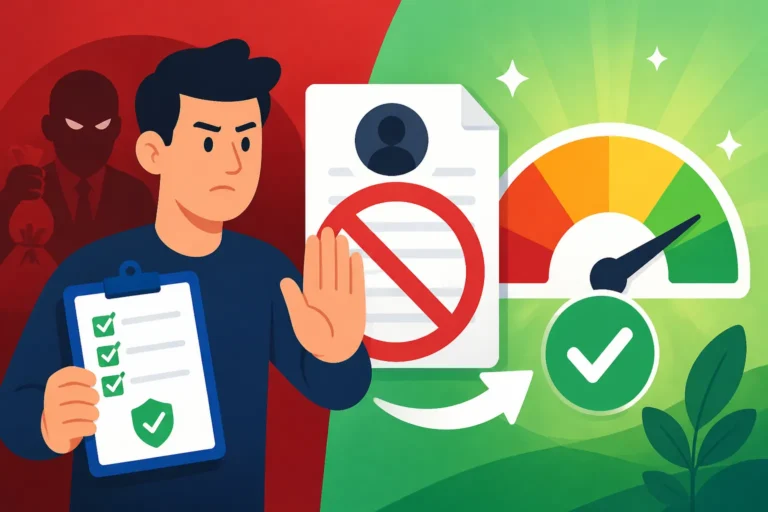
Disputing a collection from a debt buyer involves requesting debt validation to prove ownership, accuracy, and legal compliance.
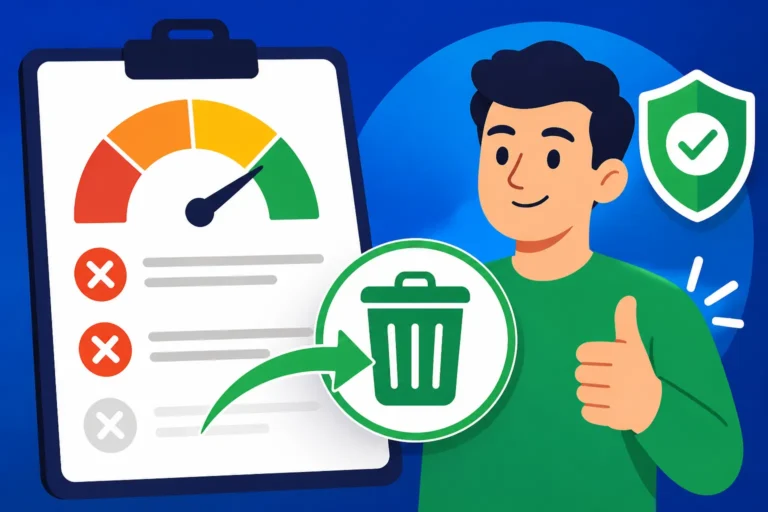
Closed accounts differ by who closed them, since paid-off cards or settled loans are often in good standing, and removal is possible only in some cases.
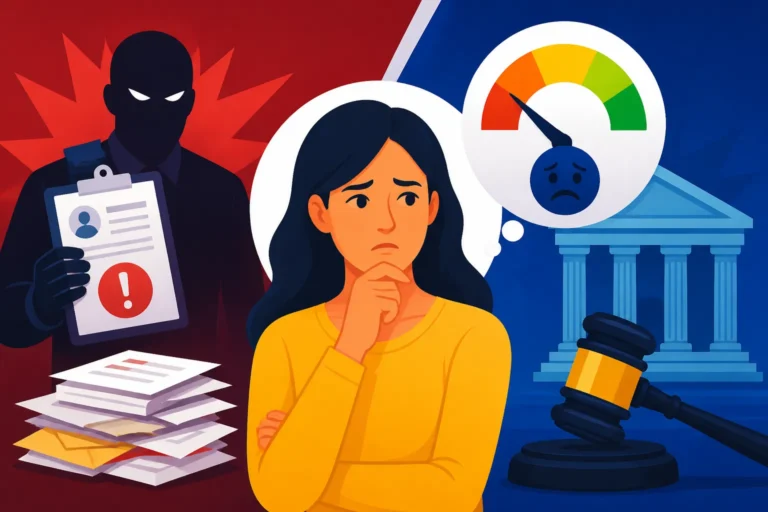
A creditor or collector can sue in Georgia over a valid debt it rightfully owns, but specific conditions and limits apply, and borrowers have rights in court.
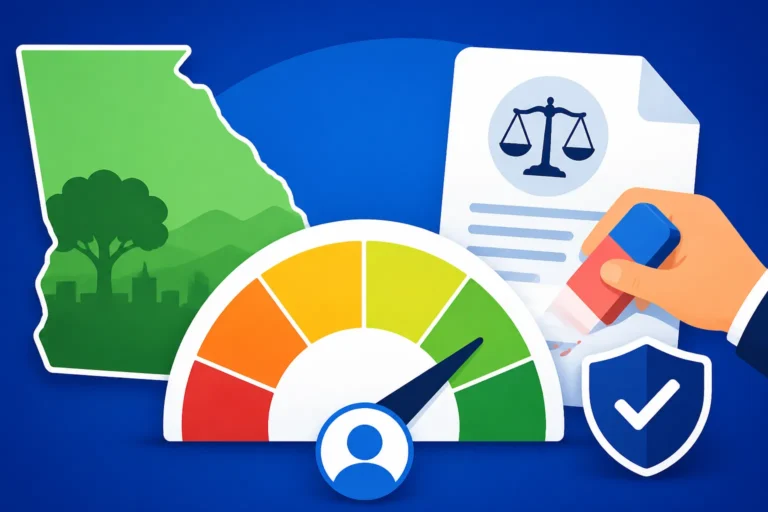
Georgia debt collection timeframes explain legal limits for credit cards, written contracts, oral contracts, and judgments.

Eviction collection accounts and court judgments from unpaid rent remain on standard credit reports for up to seven years.

Incorrect collection account dates harm credit scores and extend the statute of limitations, requiring specific steps to dispute.

Student loan default removal strategies help you clear credit reports through federal rehabilitation and repayment programs.
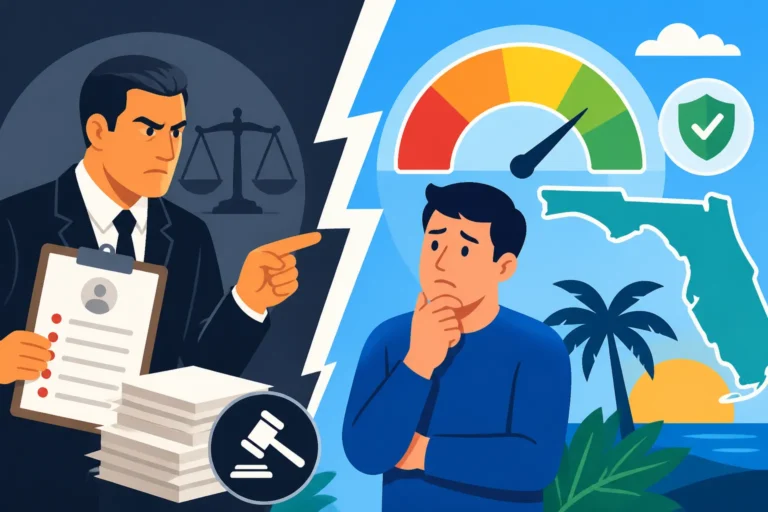
Florida consumer laws and the Fair Debt Collection Practices Act explain when a debt collector can legally sue you in court.
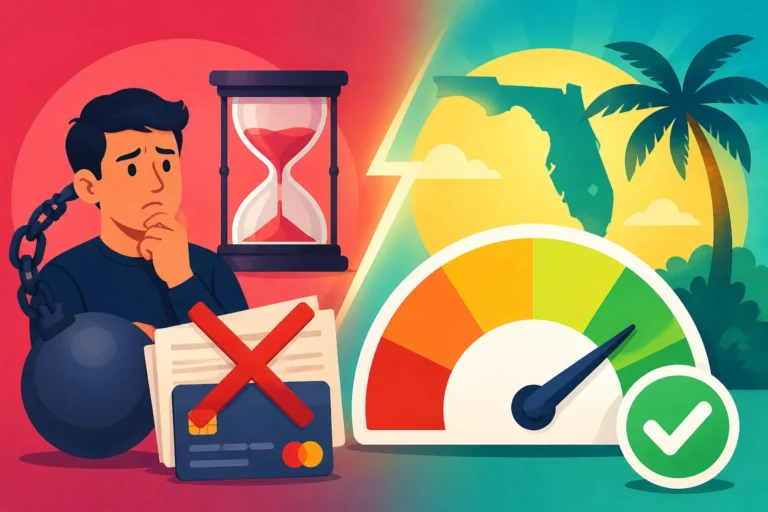
Florida laws set legal deadlines for debt lawsuits, including five years for written contracts and four years for oral agreements.
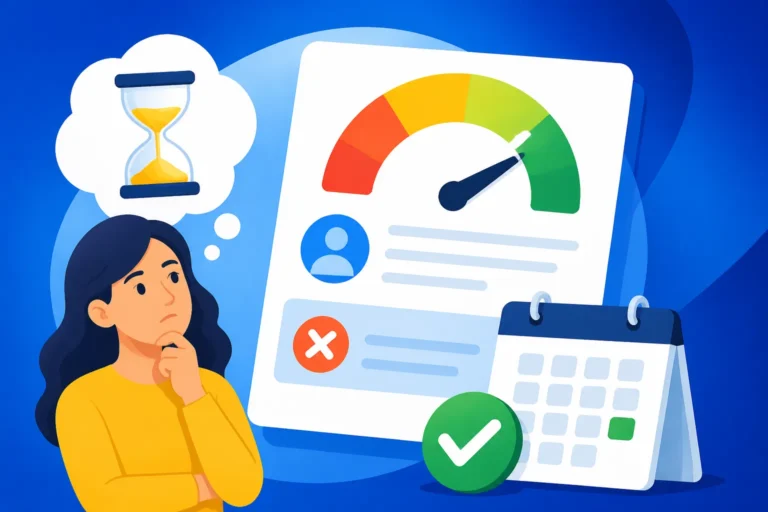
The Fair Credit Reporting Act sets the 7-year rule for most negative items, and a paid collection does not vanish instantly or get removal guaranteed early.