What Happens After You File a Credit Dispute?
Credit bureaus must investigate credit report disputes within thirty to forty-five days under federal law and contact the data furnisher.

Credit bureaus must investigate credit report disputes within thirty to forty-five days under federal law and contact the data furnisher.
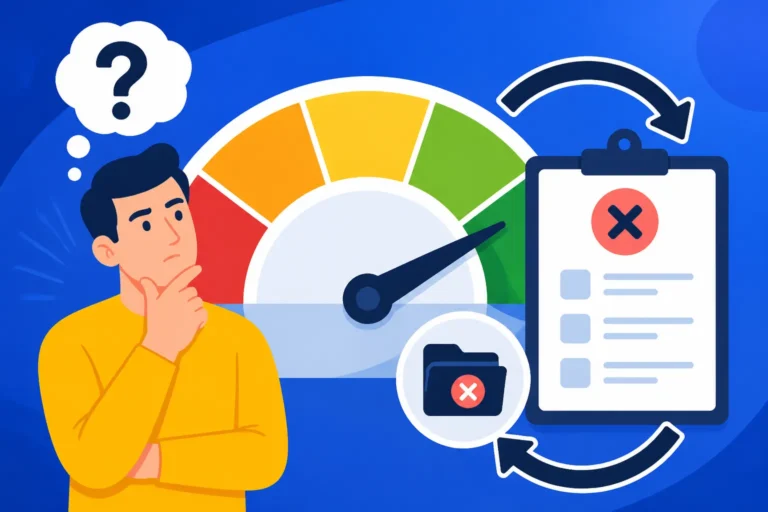
Credit report dispute limits and Fair Credit Reporting Act rules for challenging the same item multiple times with bureaus.

Credit report disputes do not lower your score, explaining how the Fair Credit Reporting Act protects your legal rights.

Debt negotiation strategies and rights under the Fair Debt Collection Practices Act help consumers handle debt collectors.

Disputing credit report errors with Equifax, Experian, and TransUnion helps consumers correct personal information and account inaccuracies.

A 609 dispute letter explains consumer rights under the Fair Credit Reporting Act regarding credit history reports and negative items.
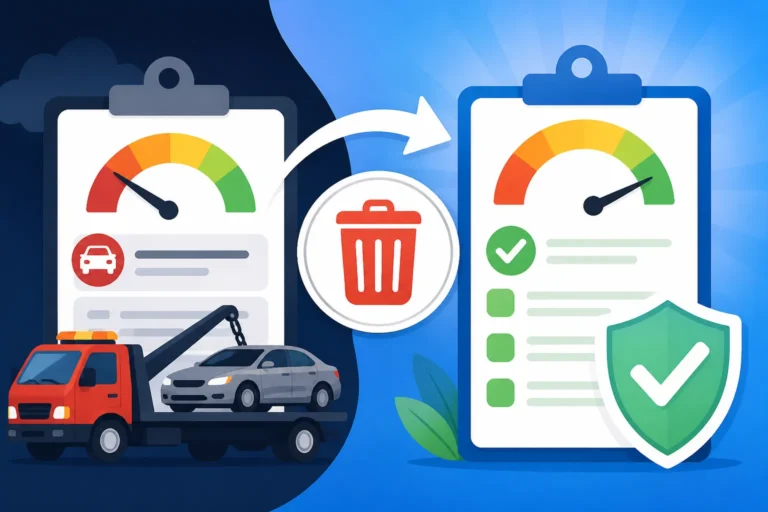
Repossession removal from credit reports is possible by identifying inaccuracies and repairing your damaged financial standing.
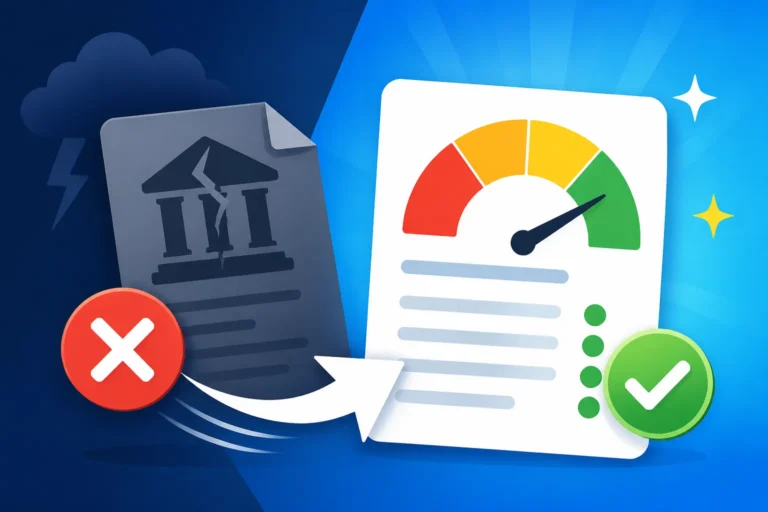
Chapter 7 and Chapter 13 filings are reported to Equifax, Experian and TransUnion as public record, so direct removal is usually not an option.
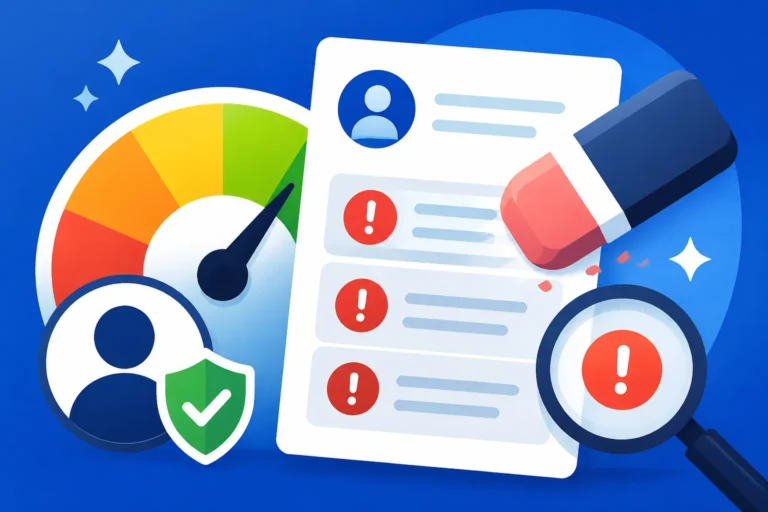
Hard inquiries from auto loans or credit cards stay for two years, but unauthorized checks can be removed from your credit report.
Removing a charge-off from a credit report helps consumers mitigate severe credit score damage caused by unpaid defaulted debts.