Can a Debt Collector Sue You in Alaska?
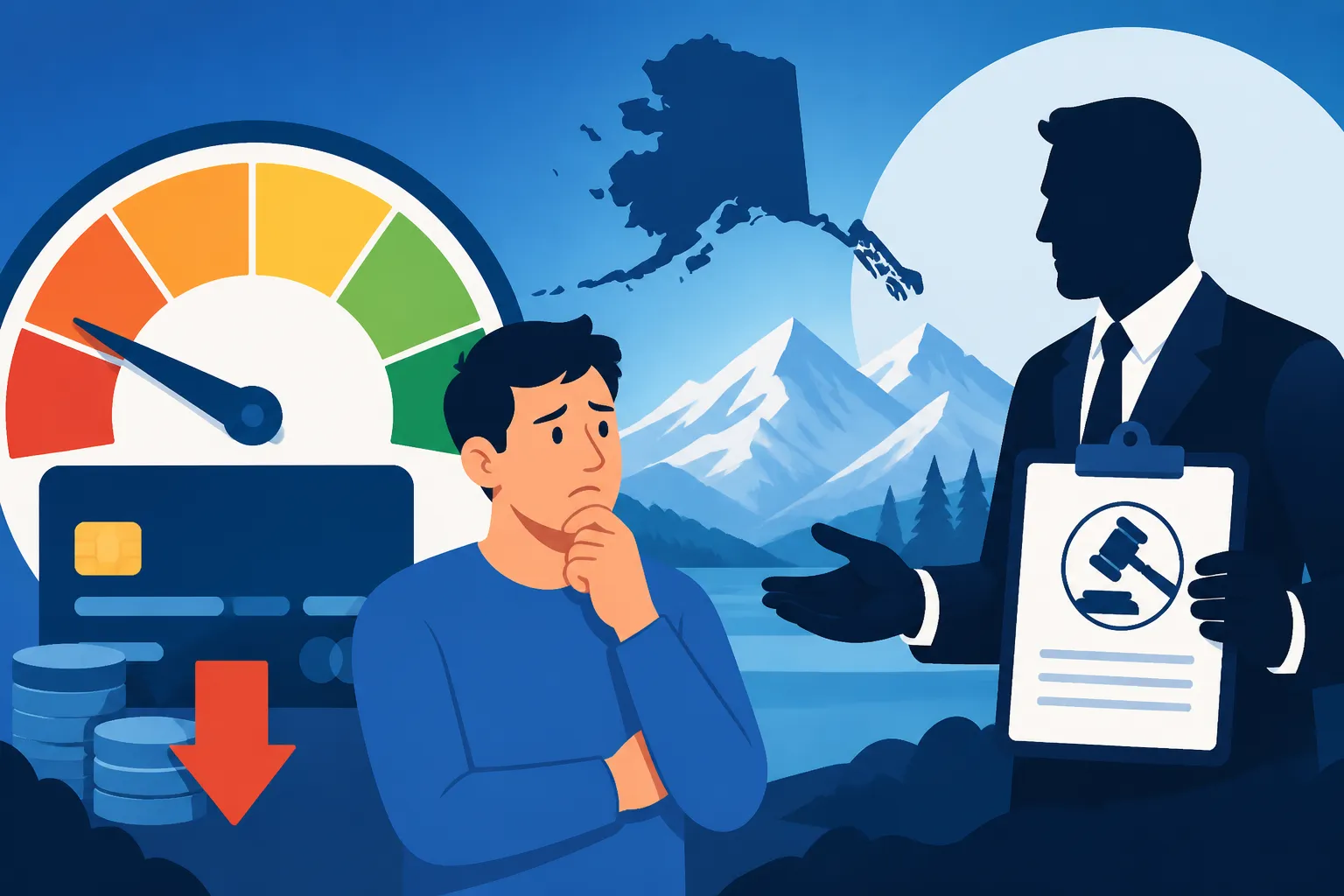
The chilling ring of the phone, that unexpected letter, or even worse, a summons. It's a scenario that strikes fear into the hearts of many, the idea of a debt collector not just calling, but actually dragging you into court. If you're an Alaskan resident grappling with outstanding debts, the question isn't just if it can happen, but how the legal process works in the Last Frontier. This comprehensive guide will walk you through the specifics of debt collection lawsuits in Alaska, your rights, and actionable steps to protect yourself.
Understanding Debt Collection Lawsuits in Alaska
When you owe money, whether it's for a credit card, medical bill, or an old loan, creditors have avenues to try and get that money back. Usually, they start with phone calls and letters. But if those attempts fail, they might sell your debt to a collection agency, or they might decide to escalate things by taking you to court. This is a big step, and it's important to understand the legal framework in Alaska.
When a Debt Collector Can Sue You
A debt collector, whether it's the original creditor or a third-party agency like Portfolio Recovery Associates or Midland Funding, can absolutely sue you in Alaska if they believe you owe them money. They typically do this when other collection efforts have been unsuccessful, and they see a reasonable chance of winning a judgment against you. A judgment is a court order that officially declares you owe the debt. Once they have a judgment, they have more power to collect, potentially through wage garnishment, bank account levies, or even placing liens on your property.
It's not just about owing the money; it's about proving it in court. The debt collector must present sufficient evidence to the court that you are the person who owes the debt, the amount is accurate, and they have the legal right to collect it. This often involves providing copies of the original contract, account statements, and a clear chain of title showing how they acquired the debt if they are a third-party collector. Many cases involve debts that have been bought and sold multiple times, which can sometimes make it harder for collectors to produce all the necessary documentation.
Understanding the Statute of Limitations in Alaska
One of the most critical aspects of any debt collection lawsuit is the "statute of limitations." This is a state law that sets a time limit for how long a creditor or debt collector has to file a lawsuit to collect a debt. If the statute of limitations has expired, a debt collector generally cannot sue you for that debt, and if they do, you can use the expired statute as a defense. In Alaska, the statute of limitations varies depending on the type of debt.
For most written contracts, like credit cards, personal loans, or auto loans, the statute of limitations in Alaska is 3 years. This means that from the date of your last payment or activity on the account, the collector has three years to file a lawsuit. For oral contracts, it's generally 3 years as well. This is relatively short compared to many other states, which might have limits of 4, 5, or even 6 years. It's crucial to know this date because even if a debt is past the statute of limitations, collectors can still try to collect it – they just can't sue you for it. If you're dealing with an old debt, it's essential to first figure out its age. You might be surprised to learn that some debts are already time-barred, which could significantly change your approach to dealing with them. For more details on this, you might find our guide on How Long Does a Collection Stay on Your Credit Report? insightful, as it touches on how the age of debt impacts collection efforts.
Here's a quick overview of Alaska's Statutes of Limitations for common debt types:
| Debt Type | Statute of Limitations (Alaska) | Notes |
|---|---|---|
| Written Contracts | 3 years | Most common debts like credit cards, auto loans, personal loans. |
| Oral Contracts | 3 years | Less common for formal loans, but applies to verbal agreements. |
| Promissory Notes | 6 years | Specific types of written promises to pay, often for larger sums. |
| Domestic Judgments | 10 years | Once a creditor wins a judgment, they have a long time to enforce it. Judgments can often be renewed. |
| Foreign Judgments | 10 years | A judgment obtained in another state, once registered in Alaska, also generally has a 10-year enforcement period. |
It's important to remember that making a payment on an old debt, or even acknowledging it in writing, can sometimes "reset" the statute of limitations, starting the clock all over again. This is why you must be extremely cautious when communicating with debt collectors about old accounts.
What Happens When You Get Sued?
Receiving a summons and complaint for a debt lawsuit can be incredibly stressful, but it's vital not to panic and definitely not to ignore it. Ignoring a lawsuit is the worst thing you can do, as it almost always leads to a default judgment against you.
When you're sued, you'll receive legal documents: a summons and a complaint. The summons officially notifies you that you're being sued and tells you how much time you have to respond (usually 20-30 days in Alaska). The complaint outlines the creditor's claims against you, including the amount they say you owe and why they believe you owe it.
Your response to the court is called an "answer." In your answer, you'll admit or deny each allegation in the complaint and state any defenses you might have. For example, if the statute of limitations has expired, you would state that as an affirmative defense. If you believe the amount is incorrect or the debt isn't yours, you would deny those claims. Filing a proper answer is crucial to protect your rights and ensure you get your day in court. Failing to file an answer on time means the court can enter a default judgment against you, which means the collector wins without you ever getting to present your side. If you're uncertain about how to respond, seeking legal advice is always the best course of action.
Your Rights and Defenses Against a Lawsuit
Even if you owe the debt, you still have significant rights under both federal and state laws. Understanding these rights and potential defenses can empower you when facing a debt collection lawsuit in Alaska.
Knowing Your Consumer Rights Under FDCPA
The Fair Debt Collection Practices Act (FDCPA) is a federal law that protects consumers from abusive, unfair, or deceptive debt collection practices. While the FDCPA primarily applies to third-party debt collectors (not original creditors), Alaska also has its own version, the Alaska Unfair Trade Practices and Consumer Protection Act, which offers similar protections and can apply to original creditors as well.
Under the FDCPA, debt collectors are prohibited from:
- Harassment: They cannot use threats, profane language, or repeatedly call you to annoy or harass.
- False statements: They cannot lie about the amount you owe, pretend to be lawyers or government officials, or falsely threaten arrest.
- Unfair practices: They cannot deposit post-dated checks early, add charges not allowed by the original agreement, or contact you by postcard.
- Calling at inconvenient times: They generally can't call before 8 AM or after 9 PM in your time zone, or at work if they know your employer prohibits such calls.
- Contacting you after you send a cease and desist letter: Once you send a written letter telling them to stop contacting you, they must cease most communication, except to inform you they are taking specific action (like suing you). You can learn more about this in our guide on How to Freeze Debt Collector Contact (Cease & Desist).
If a debt collector violates your FDCPA rights, you might have grounds to sue them for damages, which could potentially offset the debt they are trying to collect from you. Documenting every interaction, including dates, times, names, and what was said, is critical if you believe your rights have been violated.
Common Defenses Against Debt Lawsuits
When you respond to a debt lawsuit, you're not just admitting or denying claims; you're also stating your defenses. Here are some common defenses you might use in an Alaska debt collection lawsuit:
- Expired Statute of Limitations: As discussed, if the time limit for suing has passed, this is a strong defense. The debt collector can no longer legally pursue the debt in court.
- Debt is Not Yours: Perhaps you're a victim of identity theft, or the collector has incorrect information. Proving the debt belongs to someone else is a complete defense.
- Incorrect Amount: The collector might be seeking an amount that includes unauthorized fees, incorrect interest, or payments you've already made. You have the right to challenge the accuracy of the debt.
- Lack of Proof/Documentation: The debt collector must prove you owe the debt and that they have the legal right to collect it. If they can't produce the original contract, account statements, or a clear chain of title, their case may be weak. This is a common issue, especially with older debts sold multiple times.
- Violation of FDCPA or State Consumer Protection Laws: If the collector engaged in illegal collection practices, you might be able to use this as a counter-claim or defense.
- Bankruptcy: If the debt was discharged in a previous bankruptcy, it cannot be collected.
- Prior Payment: You've already paid the debt. This seems obvious, but sometimes old debts resurface, and the collector doesn't have updated records. Keep records of all payments made.
Building a strong defense often requires careful review of your credit report, any documentation you have, and the legal documents served by the collector. For help identifying potential errors, our article on How to Read Your Credit Report (2026 Guide) can be invaluable.
The Importance of Debt Validation
One of your most powerful rights under the FDCPA is the right to debt validation. If a debt collector contacts you, you have the right to request that they provide verification of the debt. This isn't just asking for a statement; it's a formal request for proof that the debt is legitimate, that you owe it, and that the collector has the legal right to collect it.
You must send a written debt validation request within 30 days of the debt collector's initial communication with you. Once they receive your request, they must cease all collection activities until they provide you with valid proof. If they can't validate the debt, they are legally prohibited from continuing to collect it. This is a crucial step to take, especially if you suspect errors or if the debt is very old. Our detailed guide on What Is Debt Validation and How to Request It provides a step-by-step process for this. This process can sometimes reveal that a collector lacks the necessary paperwork to prove their claim, which could be a strong defense in a lawsuit.
What to Do If You Are Sued for Debt in Alaska
Facing a lawsuit can feel overwhelming, but taking immediate, informed action is key. Don't let fear paralyze you; there are concrete steps you can take to protect yourself.
Don't Ignore the Summons
I cannot stress this enough: DO NOT IGNORE THE SUMMONS. Even if you know you owe the debt, ignoring the court papers will almost certainly lead to a default judgment against you. A default judgment means the court rules in favor of the debt collector without you presenting any defense. Once a default judgment is issued, the collector can then pursue wage garnishment (where they take a portion of your paycheck), bank account levies (seizing funds directly from your bank account), or place liens on your property. These actions can be incredibly disruptive to your financial life.
Instead, respond to the summons within the specified timeframe, usually 20-30 days in Alaska. If you need more time to seek legal advice, you can often request an extension from the court. The most important thing is to engage with the legal process rather than hoping it will go away.
Seeking Legal Counsel
Navigating the legal system, especially when it comes to debt collection, can be complex. Laws vary, procedures can be confusing, and a single misstep can have significant consequences. This is where legal counsel becomes invaluable. An experienced attorney specializing in consumer law or debt defense in Alaska can:
- Review your case: They can assess the validity of the debt, check the statute of limitations, and identify any potential FDCPA violations.
- Help you draft an answer: They can ensure your response to the court is correctly filed and includes all appropriate defenses.
- Represent you in court: Having an attorney present can level the playing field against experienced collection attorneys.
- Negotiate on your behalf: They might be able to negotiate a settlement for a lower amount or a payment plan that works for you.
- Protect your assets: They can advise you on how to protect your wages and bank accounts from garnishment or levy.
Many legal aid organizations in Alaska offer free or low-cost assistance to individuals who qualify. Even if you can't afford a full-time attorney, a consultation can provide crucial advice and help you understand your options.
Exploring Settlement Options
Even after a lawsuit is filed, it's often possible to reach a settlement with the debt collector. They might prefer to settle for a lower amount rather than go through the time and expense of a full court case, especially if your attorney has raised valid defenses.
Negotiating a settlement typically involves:
- Offering a lump sum: If you can pay a portion of the debt upfront, collectors are often willing to accept less than the full amount. Aim to offer between 30-50% of the total debt, but be prepared to negotiate.
- Payment plan: If a lump sum isn't feasible, you might be able to negotiate a structured payment plan. Ensure the terms are affordable and clearly documented.
- "Pay-for-Delete" (with caution): While not legally binding and rarely agreed to by large creditors, you can ask if they would agree to remove the collection account from your credit report if you pay a negotiated amount. Get any such agreement in writing before paying. Our guide on Pay for Delete: Does It Really Work? delves into this tricky strategy.
Any settlement agreement MUST be in writing, clearly stating the agreed-upon amount, payment schedule, and that the debt will be considered "paid in full" or "settled" once the terms are met. Without a written agreement, you have no proof, and the collector could potentially come back for the remaining balance. Once you've navigated the complexities of a debt lawsuit and hopefully settled, remember that rebuilding your credit is a long-term goal. Tools like Credit Strong, which offers credit builder loans, can be a helpful way to start establishing a positive payment history and diversifying your credit mix, which is crucial for improving your credit score post-debt resolution.
Ultimately, dealing with a debt collection lawsuit in Alaska requires proactive engagement and an understanding of your rights. While it's a difficult situation, you're not without options. Take deep breaths, gather your information, and seek professional guidance to navigate this challenging time.
Disclaimer
The information provided in this article is for general informational purposes only and does not constitute legal, financial, or professional advice. Laws and regulations regarding debt collection can change, and individual situations vary. You should consult with a qualified legal professional or financial advisor for advice tailored to your specific circumstances. We do not endorse or recommend any specific credit repair services, and any mention of brands is for contextual informational purposes only.