Can a Debt Collector Sue You in Kentucky?
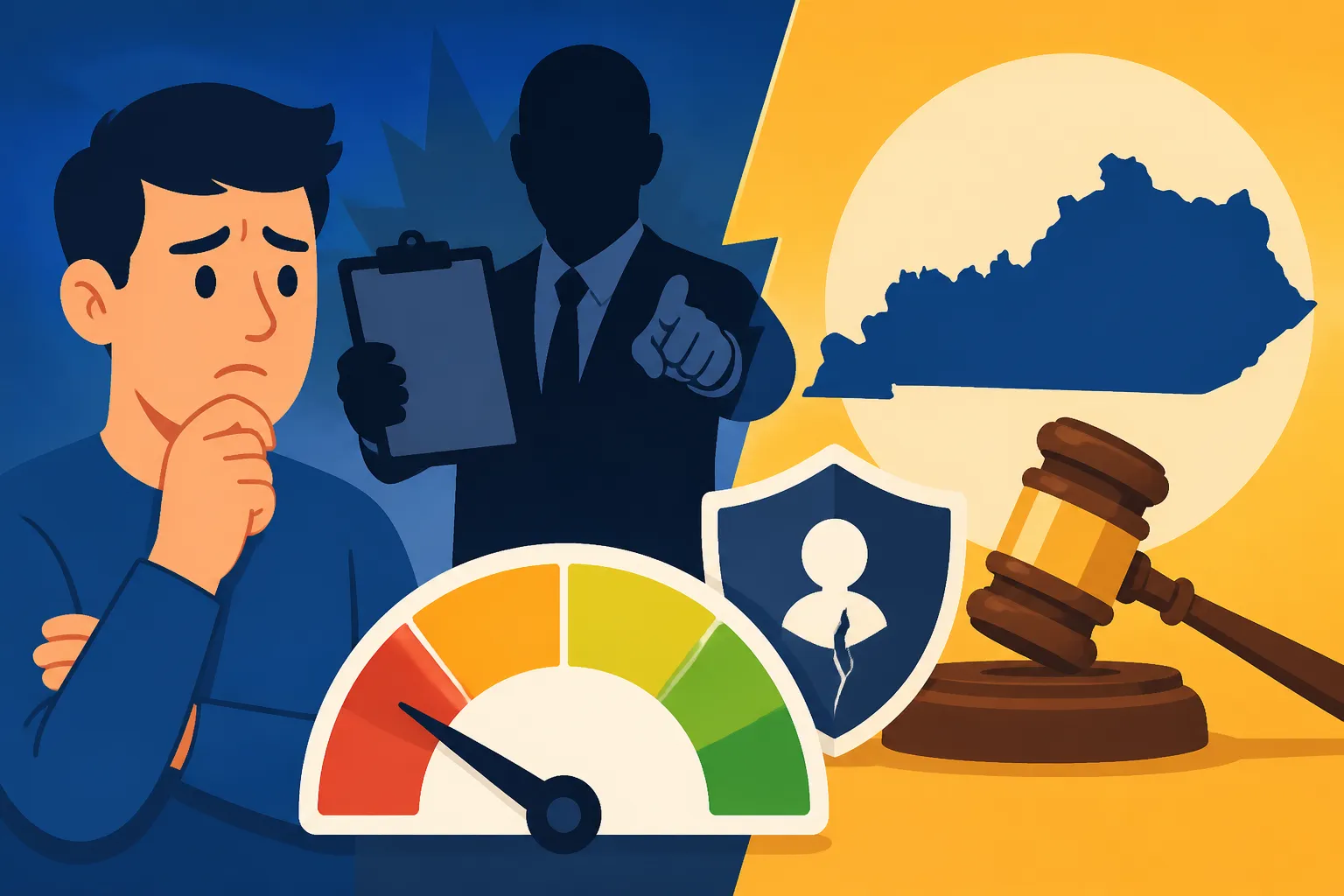
Hearing that a debt collector is threatening to sue you, or worse, receiving actual court papers, can send anyone into a full-blown panic. It’s a terrifying prospect that can feel overwhelming and leave you wondering about your rights and what on earth to do next. For folks living in Kentucky, understanding the specific laws that govern debt collection lawsuits is crucial, and this guide is here to walk you through exactly what you need to know to face these challenges head-on.
Understanding Debt Collection Lawsuits in Kentucky
Let's be clear upfront: yes, a debt collector can absolutely sue you in Kentucky. It's a scary reality, but it's important to understand the circumstances under which this can happen and what the process typically looks like. Many people might think that if they ignore the calls, the problem will just go away, but that's rarely the case when it comes to formal legal action.
When a Debt Collector Can Sue You
A debt collector, whether it's the original creditor or a third-party agency that bought the debt, has the legal right to sue you if they believe you owe them money and haven't paid. They typically resort to a lawsuit after their collection attempts through phone calls, letters, and emails have been unsuccessful. This often happens with older debts, larger balances, or when they believe you have the means to pay but are refusing to.
The process usually starts with formal communication. You might receive a letter informing you of their intent to sue. If they decide to proceed, they will file a complaint in a local Kentucky court, often a District Court for smaller debts or a Circuit Court for larger ones. Once the lawsuit is filed, you'll be formally "served" with a summons and a copy of the complaint. This isn't just a friendly heads-up; it's a legal document requiring your response. Ignoring a summons is perhaps the worst thing you can do, as it almost always leads to a default judgment against you, meaning the collector wins without you even presenting your side.
The Statute of Limitations in Kentucky
One of the most critical pieces of information for anyone facing a debt collection lawsuit in Kentucky is understanding the statute of limitations. This is a legal time limit within which a creditor or collector must file a lawsuit to collect a debt. If they file after this period has expired, you have a strong legal defense, and the lawsuit should be dismissed. It's not a get-out-of-jail-free card for paying your debts, but it prevents collectors from pursuing ancient debts indefinitely.
Kentucky, like every state, has specific statutes of limitations for different types of debt. It’s essential to know these dates because they can vary significantly. For example:
- Written Contracts: In Kentucky, the statute of limitations for debts based on written contracts (like many credit card agreements, personal loans, or auto loans) is typically 15 years (KRS 413.090). This is significantly longer than in many other states, making it crucial to be aware.
- Oral Contracts: For debts based on oral or verbal agreements, the statute of limitations is generally 5 years (KRS 413.120).
- Promissory Notes and Bills of Exchange: If your debt is tied to a promissory note, which is a formal written promise to pay, the limit is also 15 years.
- Open Accounts: For "open accounts," such as store credit cards or medical bills where there isn't a single, signed contract but rather a series of transactions, the statute is also generally 5 years.
It’s important to understand that making a payment on a debt, or even acknowledging it in writing, can "restart" or "toll" the statute of limitations in some cases. This is why you need to be very cautious about communicating with debt collectors once a debt is nearing or has passed its original statute of limitations. A simple conversation could inadvertently revive a debt you thought was long dead. This is a complex area, and understanding if the Statute of Limitations on Debt in Kentucky has expired for your specific situation is incredibly important.
What Happens After a Lawsuit is Filed
Receiving a summons and complaint is a serious matter. These documents will tell you who is suing you, for how much, and why. Crucially, they will also state a deadline for you to respond, usually within 20 or 30 days. You absolutely must respond within this timeframe. If you don't, the court can issue a default judgment against you.
A default judgment means the court automatically rules in favor of the debt collector. At that point, the collector has significant legal power to pursue your assets. They could potentially garnish your wages, levy your bank accounts, or place liens on your property. This is a far more severe situation than simply having a debt on your credit report. It moves from a credit issue to a legal one with immediate financial consequences.
Your response to the court is called an "Answer." In it, you'll typically admit or deny the allegations made by the debt collector in their complaint and raise any affirmative defenses you might have. For instance, if you believe the debt isn't yours, has been paid, or is past the statute of limitations, you would state that in your Answer. This is not the time to represent yourself blindly; if you're served with a lawsuit, seeking legal advice is almost always the best first step.
Your Rights and Defenses Against Debt Collection Lawsuits in Kentucky
It’s easy to feel powerless when you're being sued, but you actually have significant rights under both federal and state law. Understanding these rights and the potential defenses available to you can turn the tide in your favor.
Knowing Your Consumer Rights
The primary federal law protecting consumers from abusive debt collection practices is the Fair Debt Collection Practices Act (FDCPA). This law prohibits debt collectors from engaging in harassment, false statements, unfair practices, and other forms of abuse. For instance, a debt collector cannot:
- Call you repeatedly or continuously to annoy, abuse, or harass you.
- Threaten you with violence or harm.
- Use obscene or profane language.
- Lie about the amount you owe or imply they are attorneys when they are not.
- Threaten to have you arrested or claim they will seize your property (unless they have a court order to do so).
- Contact you at work if they know your employer prohibits such calls.
- Discuss your debt with third parties, like family members or neighbors (with very limited exceptions).
In addition to the FDCPA, Kentucky has its own consumer protection laws, such as the Kentucky Consumer Protection Act (KRS 367.170), which prohibits unfair, false, misleading, or deceptive acts or practices in the conduct of any trade or commerce. While the FDCPA specifically targets debt collectors, Kentucky's broader consumer laws can sometimes provide additional avenues for recourse if you're subjected to unethical practices.
One of your most crucial rights is the right to validate the debt. If you receive a notice from a debt collector, you can send a debt validation letter within 30 days to request proof that you owe the debt, including the original creditor, the amount, and how they determined you owe it. If they can't validate the debt, they are supposed to cease collection activities until they do. This is a powerful tool and is often the first step people take when they receive a collection notice. Learn more about What Is Debt Validation and How to Request It.
Common Defenses to a Debt Lawsuit
If a debt collector sues you, you have the opportunity to present a defense to the court. Here are some common defenses that may apply in Kentucky:
- Expired Statute of Limitations: As discussed, if the time limit for suing on the debt has passed, this is a strong defense. The debt is still owed, but the collector can no longer use the court system to force payment.
- Debt Is Not Yours: Perhaps it's a case of identity theft, or the collector has confused you with someone else. Proving the debt does not belong to you is a complete defense.
- Debt Has Already Been Paid: If you have records showing you've already paid the debt, either in full or through a settlement, you can present this evidence.
- Incorrect Amount Owed: The collector may be suing for an amount that doesn't reflect your actual balance due to errors in calculations, applied payments, or interest.
- Lack of Proof from the Collector: The debt collector must prove that you owe the debt. This includes providing the original contract, proof of the debt's balance, and a clear chain of title if the debt has been sold multiple times. Many debt buyers struggle to produce this evidence, especially for older debts.
- Bankruptcy Discharge: If the debt was discharged in a previous bankruptcy, the collector is prohibited from trying to collect it.
- Improper Service: If you were not properly served with the summons and complaint according to Kentucky rules of civil procedure, the lawsuit may be dismissed, though it can usually be refiled.
Remember, simply stating these defenses isn't enough; you'll need to provide evidence or legal arguments to support them.
Seeking Legal Counsel
Navigating a debt collection lawsuit on your own can be incredibly daunting, especially with Kentucky's longer statute of limitations for written contracts. It's often highly advisable to consult with an attorney specializing in consumer law. A lawyer can:
- Review the lawsuit and your debt history.
- Determine if the statute of limitations has expired.
- Help you draft and file a proper Answer to the court.
- Identify any violations of the FDCPA or Kentucky consumer protection laws.
- Negotiate with the debt collector on your behalf, potentially leading to a settlement.
- Represent you in court if necessary.
Many legal aid societies in Kentucky offer free or low-cost legal services to eligible individuals. Organizations like Legal Aid Society of Louisville or Kentucky Legal Aid can be excellent resources. Don't assume you can't afford legal help; explore all your options. Facing a lawsuit without legal guidance puts you at a significant disadvantage.
The Impact of a Debt Lawsuit and Judgment on Your Finances
A debt collection lawsuit isn't just a legal hassle; it can have profound and lasting consequences on your financial well-being, particularly your credit score, and can lead to aggressive collection actions if a judgment is obtained.
How a Judgment Affects Your Credit Score
If a debt collector successfully obtains a judgment against you in Kentucky, it’s a public record, and this will absolutely devastate your credit score. A civil judgment is one of the most severe negative items that can appear on your credit report.
Here’s why it’s so damaging:
- Significant Score Drop: Expect your credit score to plummet by a substantial number of points. Lenders view judgments as a strong indicator of financial instability and high risk.
- Long-Lasting Impact: Judgments typically remain on your credit report for seven years from the filing date, even if the debt is paid. This means the negative impact will linger for a long time, making it challenging to secure new credit, loans, or even housing. Learn more about Why Did My Credit Score Drop? Common Reasons.
- Difficulty Getting New Credit: With a judgment on your record, you'll likely find it very difficult to get approved for new credit cards, mortgages, or auto loans. If you are approved, you'll be offered much higher interest rates and less favorable terms.
- Impact on Other Areas: Beyond traditional credit, a judgment can affect your ability to rent an apartment, get certain types of insurance, or even secure some jobs.
Dealing with a judgment means a long road to credit repair. Even after a judgment, you can eventually work to improve your credit, but it requires diligent effort and patience. Understanding What Affects Your Credit Score? The 5 Factors is key to this process.
Potential Consequences of a Judgment
A court judgment isn't just a mark on your credit report; it grants the debt collector powerful tools to force you to pay. In Kentucky, these tools can include:
- Wage Garnishment: A debt collector with a judgment can petition the court to order your employer to withhold a portion of your wages and send it directly to them. Kentucky law has limits on how much of your disposable earnings can be garnished, generally the lesser of 25% of your disposable earnings or the amount by which your disposable earnings exceed 30 times the federal minimum wage. It's important to understand these exemptions and know your rights.
- Bank Account Levies (Attachment): The collector can also seek an order to seize funds directly from your bank accounts. There are certain exemptions for funds, such as Social Security benefits, but if your account contains other funds, they could be vulnerable.
- Property Liens: A judgment can become a lien on real estate you own in Kentucky. This means if you try to sell or refinance your property, the judgment must be satisfied first, or the collector will get a portion of the proceeds. While your primary residence might have some homestead exemption protection, it doesn't prevent a lien from being placed.
- Foreclosure: In some cases, a judgment lien on real estate could potentially lead to foreclosure proceedings, though this is less common for consumer debts than for mortgages.
These actions can severely disrupt your life, making it hard to pay for essentials and throwing your financial planning into chaos.
Strategies for Moving Forward
If you find yourself with a debt judgment, or are trying to avoid one, it’s not the end of the road. There are still strategies you can employ:
- Negotiating a Settlement, Even After Judgment: Even after a judgment, many debt collectors are willing to negotiate a lump-sum payment for less than the full amount owed, especially if they believe it will be difficult to collect through garnishment or levies. A lawyer can often help you secure a better deal than you might get on your own. Negotiating a settlement is a key aspect of managing overwhelming debt. You might find it useful to read about How to Negotiate With Debt Collectors.
- Considering Bankruptcy: For some, bankruptcy might be the best, albeit last resort. Filing for Chapter 7 or Chapter 13 bankruptcy can discharge eligible debts, including many types of unsecured collection judgments, and halt collection actions. This decision should only be made after consulting with a qualified bankruptcy attorney. Learn more about How to Fix Your Credit After Bankruptcy.
- Focus on Rebuilding Credit: Whether you settle or go through bankruptcy, rebuilding your credit is crucial for your future financial health. This process takes time and discipline but is entirely possible. Start by securing a credit builder loan or a secured credit card. Companies like Credit Strong offer structured programs designed to help you build a positive payment history over time, which is essential after negative marks like a collection or judgment. Tools like the Credit Strong Credit Builder Review: How It Works can shed light on how these products function. Gradually, as you make consistent, on-time payments, your credit score will begin to recover. It's a marathon, not a sprint. Consider learning How to Build Credit From Scratch (2026 Guide) to lay a solid foundation.
| Debt Type | Statute of Limitations in Kentucky (Years) | Common Examples |
|---|---|---|
| Written Contracts | 15 | Credit cards, auto loans, mortgages, personal loans |
| Oral Contracts | 5 | Verbal agreements, some service contracts |
| Promissory Notes | 15 | Formal written promise to pay |
| Open Accounts | 5 | Store credit cards, medical bills (without formal contract) |
| Domestic Judgments | 15 (renewable) | Court judgments from Kentucky |
| Foreign Judgments | 15 (from original judgment date) | Court judgments from other states |
Understanding these limitations and your rights is the first step to protecting yourself when facing a debt collection lawsuit in Kentucky. Taking proactive steps, responding to legal documents, and seeking professional advice can make all the difference in the outcome.
Disclaimer
The information provided in this guide is for general informational purposes only and does not constitute legal or financial advice. Laws regarding debt collection and statutes of limitations can be complex and are subject to change. It is highly recommended to consult with a qualified attorney or financial advisor in Kentucky for advice tailored to your specific situation.