Credit Score Myths That Are Costing You Points
Common credit score myths, including carrying a balance that costs interest, explain how Equifax, Experian, and TransUnion track your utilization.
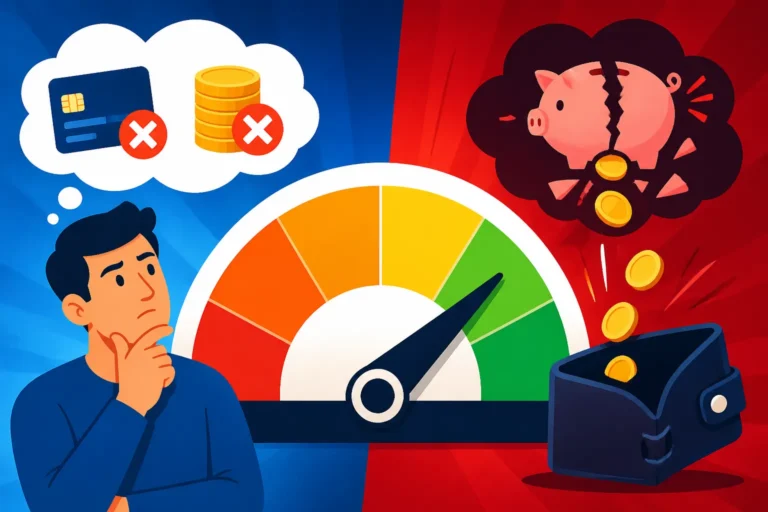
Common credit score myths, including carrying a balance that costs interest, explain how Equifax, Experian, and TransUnion track your utilization.
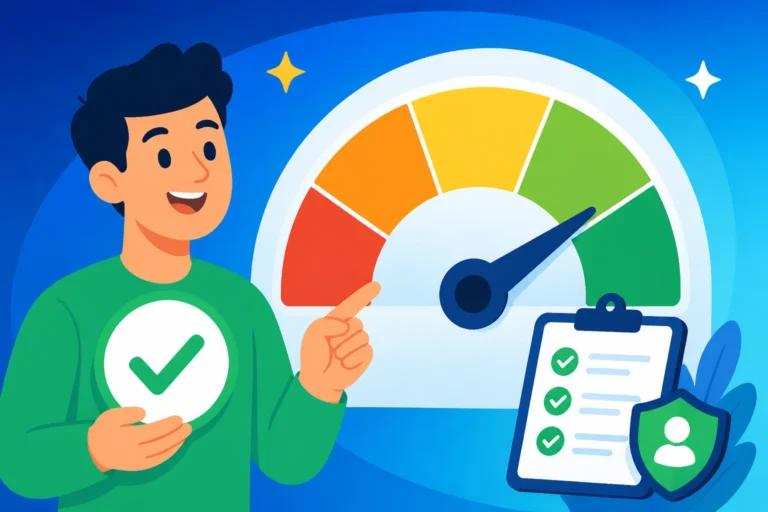
Free credit scores help secure loans, rent apartments in New York City or Los Angeles, and catch identity theft early.
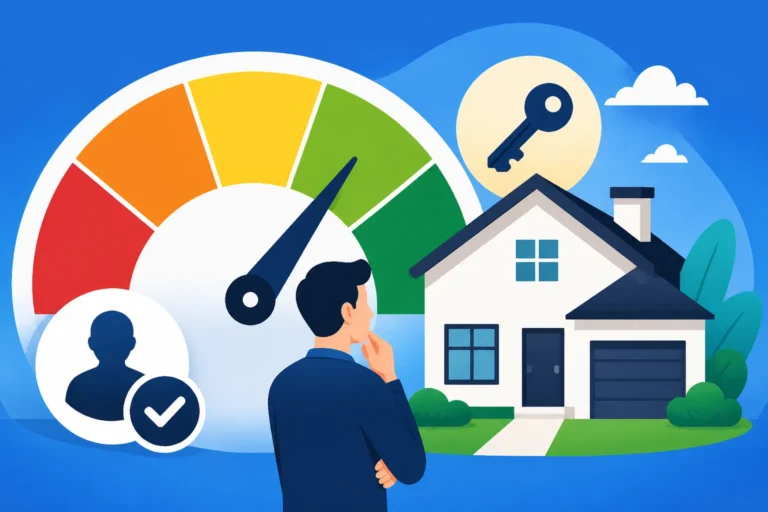
Mortgage lenders use FICO scores and reports from Experian, Equifax, and TransUnion to determine loan approval and rates.
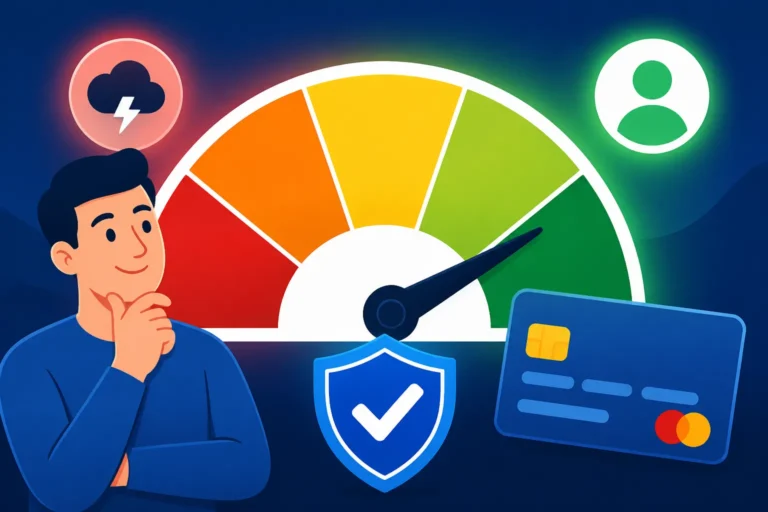
Credit score ranges from poor to excellent explained, detailing FICO and VantageScore models, interest rates, and mortgage impacts.
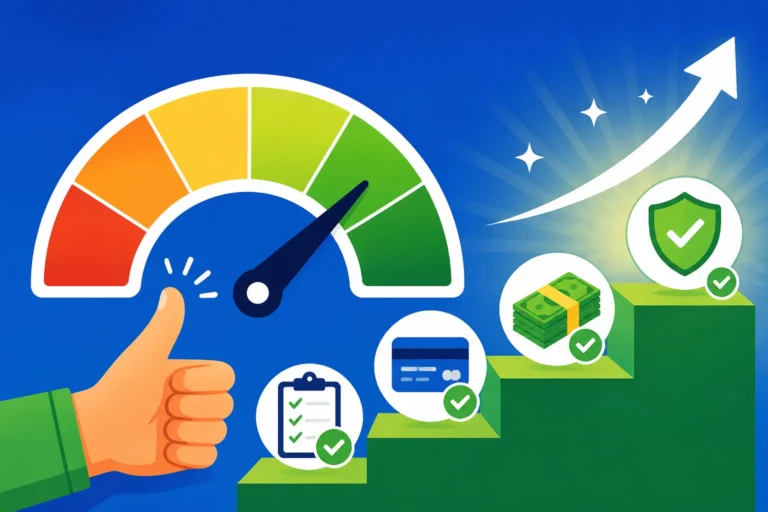
Credit score improvement steps explain payment history, credit utilization ratios, and the five FICO scoring categories.
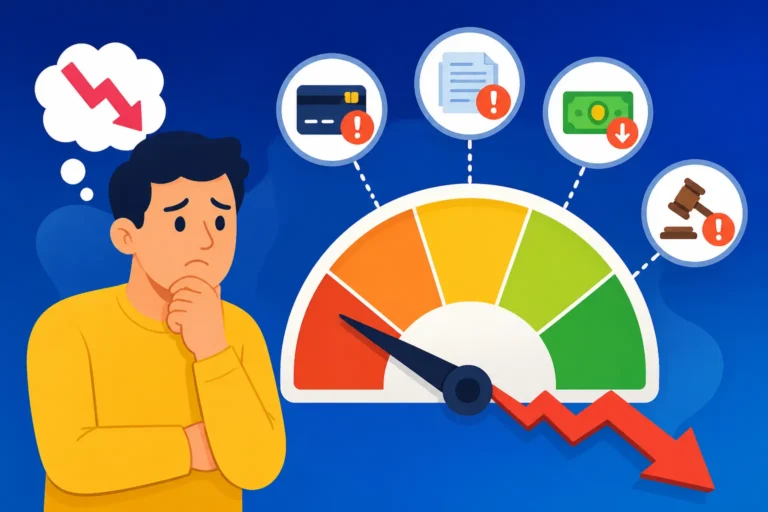
Credit score drops stem from missed payment history, high utilization, hard inquiries, or shifting credit scoring models.
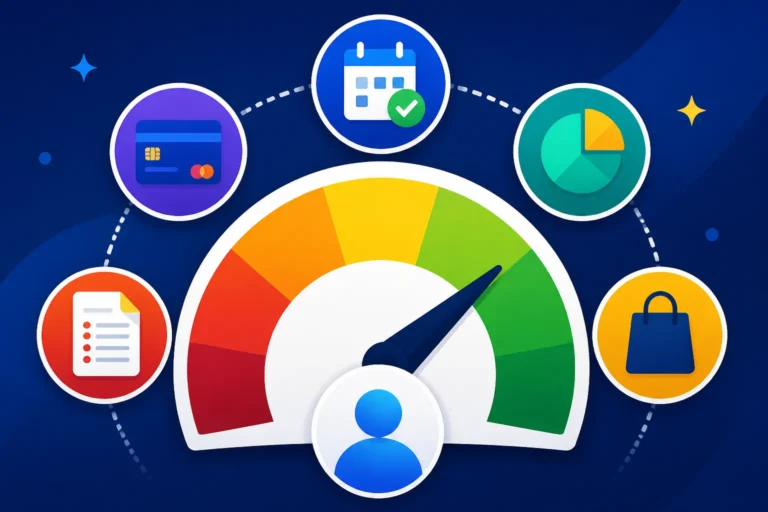
Five key factors impact your credit score and financial reliability, with payment history accounting for thirty five percent of your FICO score.
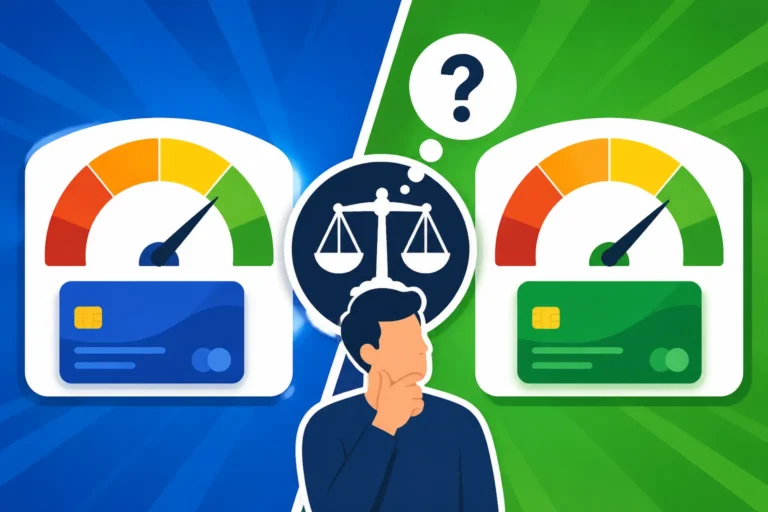
FICO Score and VantageScore differences explained clearly, detailing why varying credit scores and mortgage terms appear across platforms.
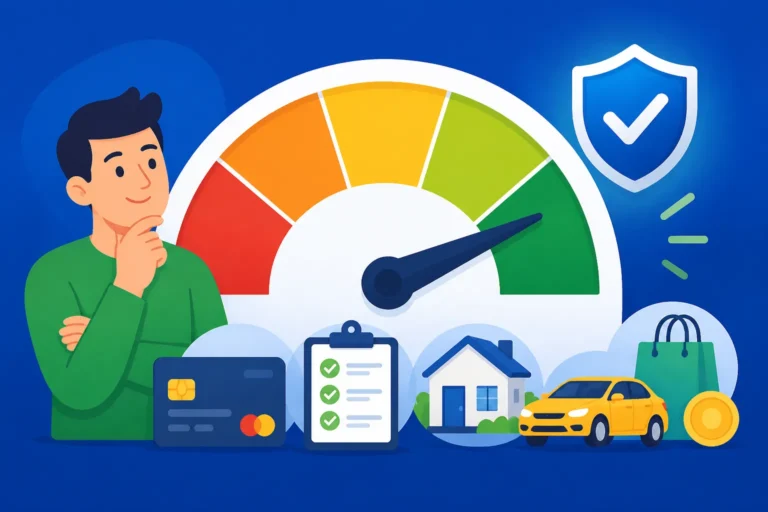
Credit scores represent statistical risk predictions that lenders use to assess loan repayment likelihood based on financial behavior.

Credit score ranges for 2026 explain how FICO and VantageScore models help lenders assess risk and determine borrowing terms.