Is 760 a Good Credit Score?
Understanding your credit score can often feel like trying to decipher a secret code, and for many, reaching a score in the 700s brings a huge sigh of relief, often followed by the question: "Is this really as good as it gets?" This guide is here to shed light on what a 760 credit score truly means for your financial life, celebrating the milestones you've achieved and offering practical insights into leveraging and maintaining this excellent standing.
What Does a 760 Credit Score Really Mean?
Let's be honest, seeing your credit score climb into the upper echelons is incredibly satisfying. A 760 credit score isn't just "good" – it's firmly planted in the "Very Good" to "Excellent" category, depending on which scoring model you're looking at. For most lenders, a score in this range signals that you are an exceptionally reliable borrower, someone who manages their finances with a high degree of responsibility and consistency. It puts you in a prime position to access the very best financial products on the market.
Understanding Credit Score Ranges
Credit scores typically range from 300 to 850, and where your score falls within this spectrum dictates a lot about your financial opportunities. A 760 score usually falls into what's considered "Very Good" by FICO, which is the most widely used scoring model, or "Excellent" by VantageScore.
Here’s a quick breakdown of how common scoring models categorize scores:
| Score Range | FICO Category | VantageScore Category |
|---|---|---|
| 300-579 | Poor | Very Poor |
| 580-669 | Fair | Poor |
| 670-739 | Good | Fair |
| 740-799 | Very Good | Good |
| 800-850 | Exceptional | Excellent |
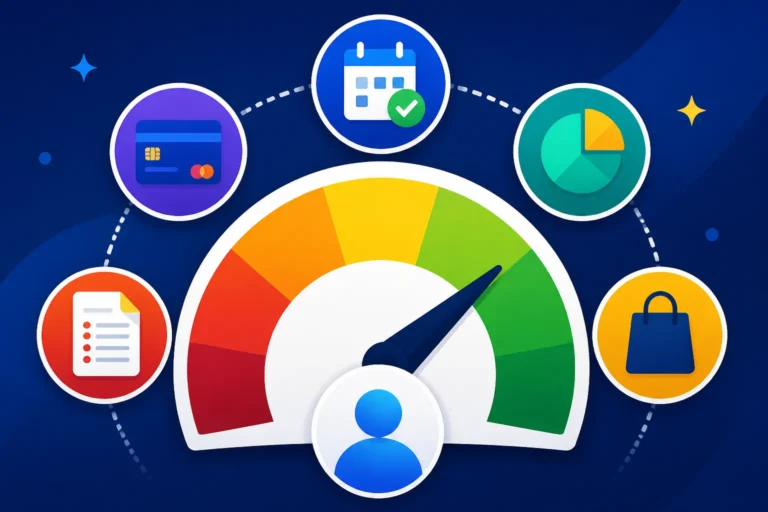
As you can see, a 760 score puts you squarely in that coveted "Very Good" to "Excellent" bracket. This isn't just a number; it's a financial superpower that opens doors. It reflects a history of on-time payments, responsible credit utilization, a diverse credit mix, and a healthy length of credit history. If you're wondering, "How Credit Scores Work: The Complete Guide," we have a detailed breakdown that explains each factor.
The Perks of an Excellent Score
Having a 760 credit score is like holding a VIP pass in the financial world. It means you've demonstrated a strong ability to manage debt, and lenders are eager to offer you their most favorable terms. This translates directly into significant savings over the lifetime of loans and access to exclusive benefits.
For instance, when applying for a mortgage, even a small difference in your interest rate can save you tens of thousands of dollars over 30 years. Lenders view borrowers with scores like 760 as low-risk, which means they're willing to extend better interest rates, higher credit limits, and more flexible terms. This is particularly true for big-ticket items like homes and cars, where the interest paid can add up quickly. You'll likely breeze through applications that might cause headaches for those with lower scores, and you'll often qualify for the most premium rewards credit cards with enticing sign-up bonuses and ongoing perks.
Why Your 760 Score is a Big Deal
Your 760 credit score isn't just a bragging right; it's a powerful tool that impacts almost every major financial decision you'll make. It’s the difference between being approved or denied, and often, the difference between thousands of dollars in interest over time.
Mortgage and Auto Loan Benefits
When it comes to securing major loans, your 760 credit score truly shines. Let's talk about that dream home or a reliable new car. With a score in the very good range, you'll be offered the most competitive interest rates available. This isn't a small thing. For example, a difference of even half a percentage point on a $300,000 mortgage can save you thousands of dollars in interest payments over the life of the loan.
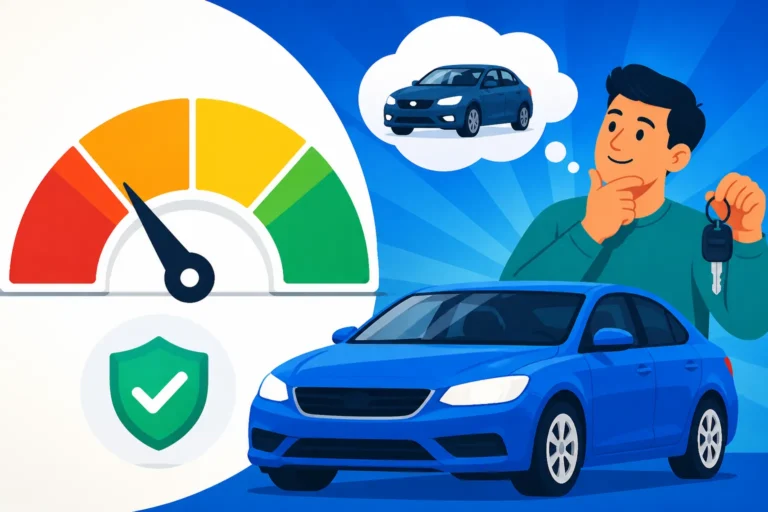
Imagine you're looking at a 30-year fixed mortgage. A borrower with a 760 score might qualify for an APR of 6.5%, while someone with a "Good" score (say, 700) might be looking at 7.0%. That seemingly small difference means a lower monthly payment for you and substantial savings over time. The same principle applies to auto loans. Dealerships and banks will be vying for your business, offering rates that significantly reduce the total cost of your vehicle. This is why understanding "What Credit Score Do You Need to Buy a House?" is crucial, and a 760 score puts you in an excellent position.
Credit Card and Insurance Advantages
Beyond big loans, your 760 score opens the door to the most desirable credit cards on the market. We're talking about cards with incredible rewards programs, like generous cash back, valuable travel points, and extended warranty benefits. These cards often come with lower interest rates (should you ever carry a balance, which you ideally shouldn't!), higher credit limits, and premium perks like airport lounge access or concierge services.
For instance, top-tier travel cards often require scores in the 750+ range. If you're a frequent traveler, the points and miles you accumulate can offset significant travel costs. Insurance companies also frequently use credit scores, or a credit-based insurance score, to determine your premiums for auto and home insurance. A higher score often indicates a more responsible individual, and this can translate into lower monthly premiums, putting more money back in your pocket.
Beyond Loans: Rental and Utility Benefits
The advantages of an excellent credit score extend far beyond just loans and credit cards. When you're looking to rent an apartment, landlords often run credit checks as part of their application process. A 760 score tells them you're a reliable tenant who is likely to pay rent on time. This can give you an edge in competitive rental markets, potentially even allowing you to secure an apartment without a larger security deposit or a co-signer.
Even utility companies – electricity, gas, water, and internet providers – sometimes check your credit. If you have a strong score, they might waive the need for a security deposit to get your services connected, saving you upfront costs. In short, your 760 score is a testament to your financial stability, making various aspects of daily life smoother and often more affordable.
How to Maintain and Potentially Improve Your 760 Score (Yes, It's Possible!)
Reaching a 760 credit score is a fantastic achievement, but the journey doesn't end there. Maintaining it, and even nudging it higher, requires continued vigilance and smart financial habits. Complacency can be a silent enemy when it comes to credit scores.
Keep Up Good Habits
The core tenets of good credit health remain crucial, even at this elevated level. First and foremost, consistently making all your payments on time is paramount. Your payment history is the single most important factor in your credit score, accounting for 35% of your FICO score. A single late payment can cause a significant drop, so setting up automatic payments or reminders is a wise move.
Next, continue to manage your credit utilization. This refers to the amount of credit you're using compared to your total available credit. Even with a high score, letting your credit card balances creep up can negatively impact your score. Aim to keep your overall utilization below 30%, and ideally even lower, like under 10%, for the best results. Many people ask, "What Does 1% Credit Utilization Do to Your Score?" and the answer is usually positive. Also, resist the urge to close old accounts, especially those with good payment history. The length of your credit history (15% of your FICO score) benefits from older accounts staying open, as they demonstrate a long track record of responsible borrowing. If you're curious about all the factors, check out "What Affects Your Credit Score? The 5 Factors."
Diversify Your Credit Mix Carefully
While not as impactful as payment history or utilization, having a healthy mix of credit accounts can positively influence your score (10% of your FICO score). This means having a combination of revolving credit (like credit cards) and installment loans (like mortgages, auto loans, or personal loans). However, this isn't an excuse to take on unnecessary debt.
If you only have credit cards, for example, consider a small, manageable installment loan if it fits your financial goals. Some companies offer credit builder loans, specifically designed to help diversify your credit mix and add positive payment history. Brands like Credit Strong offer these types of loans, allowing you to save money while simultaneously reporting your on-time payments to the credit bureaus. This can be a strategic way to add to your credit mix without taking on high-interest debt you don't need. Just make sure any new credit you take on serves a genuine purpose and is something you can comfortably repay.
Monitor for Errors and Fraud
Even with an excellent score, you're not immune to errors or identity theft. Regularly checking your credit reports from all three major bureaus – Equifax, Experian, and TransUnion – is a non-negotiable habit. You're entitled to a free report from each bureau annually via AnnualCreditReport.com.
When reviewing your reports, look for anything that seems inaccurate: accounts you don't recognize, incorrect payment statuses, or outdated personal information. Errors can unfairly drag down your score. If you find something amiss, dispute it immediately. We have a full guide on "How to Dispute Credit Report Errors (Step-by-Step)" that can walk you through the process. Setting up free credit monitoring alerts can also give you a heads-up if new accounts are opened in your name or if significant changes occur on your report, helping you catch potential fraud early. This proactive approach is key to protecting your hard-earned 760 score.
What Loans and Cards Can You Get with a 760 Credit Score?
With a 760 credit score, you're in an enviable position where lenders are actively seeking your business. This means you'll have access to a broader range of financial products and often at the most advantageous terms.
Top-Tier Credit Cards
When your credit score hits the 760 mark, you essentially have your pick of the litter when it comes to credit cards. You'll qualify for premium travel rewards cards that offer significant sign-up bonuses, ongoing travel points, and perks like airport lounge access, travel insurance, and statement credits for travel expenses. Think about cards from issuers like Chase, American Express, or Capital One, which often have excellent benefits but stringent credit requirements.
You'll also be eligible for high cash-back cards that give you a substantial percentage back on everyday spending categories like groceries, gas, or dining. Furthermore, balance transfer cards with extended 0% APR introductory periods become easily accessible, giving you a powerful tool to consolidate and pay down any existing high-interest debt if needed. The higher your score, the more generous the credit limits offered, which further helps your utilization ratio if you manage your spending well.
Favorable Loan Terms
For larger financial commitments like mortgages, auto loans, and personal loans, a 760 credit score means you're considered a prime borrower. This translates into the lowest available interest rates, saving you substantial money over the loan's lifetime. For example, a lender like Wells Fargo or Bank of America will likely offer you their best rates on a conventional mortgage. You'll also face fewer hurdles in the application process, with quicker approvals and less stringent documentation requirements than someone with a lower score might encounter.
For an auto loan, not only will you get the best rates from banks and credit unions, but you might also qualify for special manufacturer incentives and promotional financing offers that are reserved for borrowers with excellent credit. Personal loans, whether for debt consolidation, home improvements, or other significant expenses, will also come with attractive interest rates, making them a much more viable and affordable option. In essence, your 760 score significantly reduces the cost of borrowing money across the board.
Common Pitfalls Even with a Great Score
It's tempting to think that once you hit a 760, you can just set it and forget it. But even with an excellent credit score, there are common mistakes that can lead to a drop if you're not careful. Vigilance is still key.
The Danger of Complacency
One of the biggest risks after achieving a high credit score is becoming complacent. You might think, "My score is great, I don't need to worry anymore." This mindset can lead to relaxed financial habits that, over time, erode your hard-earned credit. Forgetting to make a payment on a seldom-used credit card, letting your balances creep up because you have a high limit, or even neglecting to check your credit report can all have negative consequences.
A single 30-day late payment can cause a significant drop in your score, sometimes by 50-100 points, even from a high starting point. If you’re curious about the impact, read our article on "How Many Points Does a Late Payment Drop Your Score?" Just because you have a cushion of points doesn't mean you should test its limits. It's crucial to continue practicing the habits that got you to a 760 in the first place: paying on time, keeping utilization low, and monitoring your reports. Think of your credit score as a garden; it needs continuous care to flourish.
Over-Extending Yourself
Another trap even high-score individuals can fall into is over-extending their credit. This often happens when you're approved for multiple new credit cards or loans because your score makes you an attractive borrower. While a diverse credit mix is generally good, opening too many new accounts in a short period can be detrimental. Each new application results in a hard inquiry on your credit report, which can cause a small, temporary dip in your score. Too many of these can add up.
Furthermore, acquiring a lot of new credit, even if you don't immediately use it, can signal to lenders that you might be taking on too much risk. This can impact your "new credit" factor (10% of your FICO score) and potentially lead to lower approvals or less favorable terms on future applications. Before opening a new account, always ask yourself if you genuinely need it and if it aligns with your long-term financial goals. Companies like Credit Strong help you build credit responsibly by tying a savings account to an installment loan, fostering good habits without the temptation of a credit card.
Disclaimer
This article is for general informational purposes only and does not constitute professional advice. Laws, prices and regulations vary by location and change over time. Consult a qualified professional for guidance on your specific situation.