What Can You Get With a 760 Credit Score? (Buy a Car)
The thought of buying a car can be exciting, but for many, it's also filled with anxiety, especially when you're worried about getting approved or facing sky-high interest rates. If you're lucky enough to have a 760 credit score, you're in an incredibly strong position, and this guide is going to walk you through exactly what that means for your car buying journey, from interest rates to negotiation power and beyond.
Understanding Your 760 Credit Score for Car Financing
A 760 credit score isn't just "good"; it's firmly in the "excellent" range according to most scoring models, including FICO, which is widely used by auto lenders. This score tells lenders that you are a highly responsible borrower with a proven track record of managing your finances well. It suggests a low risk of default, making you a very attractive candidate for loans.
This level of creditworthiness is built upon consistent positive financial behaviors, like making all your payments on time, keeping your credit utilization low, and having a diverse mix of credit accounts. If you're curious about the mechanics behind your score, diving into resources like our guide on how credit scores work: the complete guide can offer a deeper understanding of these critical factors.
What an Excellent Score Means for Lenders
For auto lenders, a 760 credit score signals stability and reliability. When they see a score like this, they recognize that you represent minimal risk. This translates directly into more favorable loan offers for you. Lenders are eager to attract borrowers with excellent credit because it means less chance of them losing money. They'll often compete for your business, which puts you in a powerful position.
Think of it this way: a lower score might make a lender nervous about getting their money back, so they charge a higher interest rate to compensate for that perceived risk. With a 760, that risk is minimal, so they can afford to offer you their best rates, confident that you'll pay back what you owe. This reputation for financial health is your biggest asset in the car market.
How a 760 Score Stacks Up Against Other Ranges
When looking at credit score ranges, a 760 score sits comfortably in the upper echelon. FICO scores, for instance, typically range from 300 to 850. A score of 760 falls into their "Very Good" category (740-799) or even borders on "Exceptional" (800-850). This isn't just a minor difference from a "Good" score (670-739); it often unlocks significantly better terms.
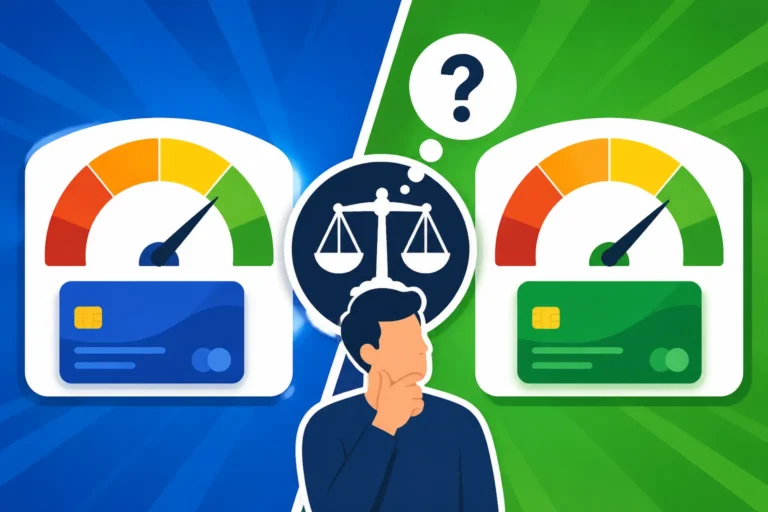
To put it into perspective, someone with a "Fair" score (580-669) might qualify for a car loan, but they would likely face much higher interest rates, more restrictive terms, and possibly even require a larger down payment. A 760 score, on the other hand, means you're almost guaranteed approval for most car loans, often with the absolute lowest rates available on the market. This distinction is crucial when you're considering the total cost of your vehicle over time. Understanding these differences is key to appreciating the power of your score. For a full breakdown, check out our article on credit score ranges: poor to excellent explained.
The Unbeatable Advantages of a 760 Credit Score When Buying a Car
Having a 760 credit score fundamentally changes the car buying experience. Instead of worrying about qualifying for a loan or settling for unfavorable terms, you walk into the dealership with confidence, knowing you're in line for the best deals. This translates into tangible savings and greater flexibility.
When you have a strong score, it’s not just about getting approved; it’s about accessing the best approval. Lenders know you have options, and they’ll pull out all the stops to win your business. This excellent standing is a direct result of diligent credit management, perhaps even utilizing tools like a credit builder loan from a service like Credit Strong to enhance your credit mix and payment history.
Securing the Lowest Interest Rates
This is perhaps the biggest and most immediate benefit of a 760 credit score when financing a car. With an excellent score, you're positioned to receive the lowest interest rates offered by lenders. This isn't just a few dollars here and there; it can save you thousands over the life of your car loan. Even a seemingly small difference in APR (Annual Percentage Rate) can have a dramatic impact on your total payments.
For instance, if you're looking at a $30,000 car loan over 60 months, the difference between a 7% APR (for a good score) and a 3% APR (for an excellent score) is substantial. That 4% difference could mean paying hundreds of dollars less each month and saving nearly $4,000 in total interest over five years. This table illustrates how much impact your credit score has on average interest rates for car loans:
| FICO Score Range | Average New Car APR (Approx.) | Average Used Car APR (Approx.) | Potential Savings on $30K Loan (60 mo.) vs. Fair Score |
|---|---|---|---|
| 781-850 (Exceptional) | 2.9% – 4.5% | 3.9% – 6.5% | $5,000+ |
| 661-780 (Very Good/Good) | 4.6% – 7.0% | 6.6% – 9.0% | $3,000 – $5,000 |
| 601-660 (Fair) | 7.1% – 10.5% | 9.1% – 13.0% | Baseline |
| 501-600 (Subprime) | 10.6% – 15.0%+ | 13.1% – 19.0%+ | You'd pay significantly more |
Note: These are approximate ranges and can vary based on market conditions, specific lender, loan term, and vehicle type.
As you can see, your 760 score puts you squarely in that "Very Good/Good" bracket, often qualifying for rates at the lower end of that range, sometimes even dipping into the Exceptional tier depending on market rates. This directly reduces your monthly payment and the overall cost of your vehicle.
Enjoying Flexible Loan Terms and Higher Approval Odds
Beyond just the interest rate, an excellent credit score opens up a wider array of loan terms and makes you a near-certain candidate for approval. Lenders are often willing to be more flexible with borrowers who have a 760 score, offering longer loan terms (if you desire lower monthly payments) or shorter terms (if you want to pay it off faster and save more on interest).
You'll find that banks, credit unions, and even manufacturer financing programs will be eager to work with you. This high approval rate means you won't waste time applying to multiple lenders out of fear of rejection. You can confidently shop around knowing that you're a preferred customer. This contrasts sharply with someone with a lower score who might struggle to find any lender willing to offer a loan, let alone one with favorable terms.
You might also find that lenders are more lenient with down payment requirements or even offer zero-down options because your credit history minimizes their risk. This flexibility can be invaluable, whether you prefer to keep more cash on hand or want to minimize your upfront costs.
Enhancing Your Negotiation Power at the Dealership
Walking into a dealership with a pre-approved loan offer at a fantastic interest rate gives you immense power. When the salesperson asks about your financing, you can confidently state that you already have financing secured, or you can use their offer as leverage. They know that to win your business, they'll likely need to beat or match your existing offer.
This means you can focus purely on negotiating the price of the car itself, rather than getting bogged down in the financing details. It removes a significant variable from the car-buying equation, allowing you to haggle for the best possible purchase price. You're not desperate for a loan; they're eager for your business.
This also means you're less likely to be swayed by high-pressure sales tactics or unnecessary add-ons, because you've already demonstrated your financial savvy. Your strong credit score gives you the ultimate upper hand, ensuring you drive away with not only a great car but also a great deal.
Navigating the Car Buying Process with Excellent Credit
Having a 760 credit score is a fantastic foundation, but it's still essential to approach the car-buying process strategically to maximize its benefits. It's not just about what lenders offer you, but how you use that leverage.
The goal is to leverage your strong credit position to secure the best possible overall deal, not just the best interest rate. This involves preparation, understanding the market, and being a savvy negotiator. For those who perhaps started their journey with less-than-perfect credit and built it up to this impressive 760, remember the value of tools like Credit Strong, which helps individuals establish a strong payment history and diverse credit mix, key components of a high score.
Getting Pre-Approved with Confidence
The first step for anyone with excellent credit, and especially with a 760 score, should be to get pre-approved for a car loan before you even set foot on a dealership lot. This is one of the most powerful moves you can make. Seek out pre-approvals from multiple sources: your bank, credit unions (which often have very competitive rates), and online lenders.
Getting pre-approved does two things: it gives you a clear understanding of the best interest rate you qualify for, and it establishes a firm budget. You’ll know exactly how much you can borrow and what your monthly payments will look like. When lenders pull your credit for these pre-approvals, these are typically soft inquiries at first, then convert to hard inquiries when you finalize the application. Don't worry about multiple hard inquiries hurting your score if they are all within a short shopping window (typically 14-45 days), as FICO models usually count them as a single inquiry. If you're wondering how many points a hard inquiry is worth, it's usually minimal and temporary.
Having a solid pre-approval in hand removes the mystery from financing and allows you to walk into any dealership as a cash buyer, in essence. This shifts the focus from "Can I get approved?" to "What's the best price for this car?"
What to Expect at the Dealership
When you arrive at the dealership with your 760 credit score and a pre-approved loan, you're in the driver's seat. Don't immediately tell the salesperson you have your own financing. Instead, focus on negotiating the vehicle price first. Once you've agreed on a price, then you can present your pre-approval.
The dealership will likely want to try to beat your rate with their own financing options. Let them! This is where you benefit from their competition. They might have access to special manufacturer rates or incentives that could be even better than your pre-approval. Always compare their best offer against your pre-approval, looking at the total cost over the loan term, not just the monthly payment. Be wary of hidden fees or extended warranties being bundled into your loan without clear explanation.
Remember, your 760 score makes you a desirable customer, and they'll work to keep your business. This is why understanding your own credit and coming prepared is so vital. It transforms the often-stressful dealership experience into a much more favorable one.
Important Factors Beyond Just Your Score
While your 760 credit score is incredibly important, it's not the only factor lenders consider. They will also look at your debt-to-income (DTI) ratio, which compares your total monthly debt payments to your gross monthly income. Even with excellent credit, if your DTI is too high, it might signal to lenders that you're overextended.
Lenders will also consider your income stability, employment history, and the age and type of the vehicle you're buying. A newer car, for instance, might qualify for lower rates because it holds its value better as collateral. While a 760 score will generally smooth over most minor concerns, having a healthy DTI and stable income further solidifies your application and ensures you truly get those top-tier rates.
Always be transparent about your financial situation and be prepared to provide documentation for income and assets. The more complete and favorable your overall financial picture, the better your car loan experience will be.
Maintaining Your Stellar Credit Score
Achieving a 760 credit score is a significant accomplishment, and maintaining it requires ongoing diligence. A high score isn't a "set it and forget it" kind of thing; it's a living reflection of your financial habits. Keeping your score strong ensures you'll continue to qualify for the best rates on future loans, whether for a house, another car, or even just better credit card offers. This consistent management is crucial.
Many people reach this level of credit health by meticulously following the principles of good credit. They understand that every financial decision, from how much of their available credit they use to whether they pay their bills on time, impacts their score.
Best Practices for Credit Health
To keep your 760 score shining, consistency is key. First and foremost, always make your payments on time. Payment history is the single largest factor in your credit score, accounting for 35% of your FICO score. Even one late payment can cause a significant drop, so prioritize paying all your bills by their due dates. Consider setting up automatic payments to avoid missing a deadline.
Secondly, keep your credit utilization low. This refers to how much of your available credit you're using. Lenders prefer to see this number below 30%, but truly excellent scores often reflect utilization well below 10%. If you have a credit card with a $10,000 limit, try to keep your balance under $1,000. Our comprehensive guide on credit utilization: the complete guide can help you understand this factor better.
Diversifying your credit mix (having a blend of installment loans like car loans or mortgages, and revolving credit like credit cards) and maintaining a long credit history also contribute to a strong score. Services like Credit Strong are designed to help people build these positive elements into their credit profiles, establishing a robust foundation for excellent scores. Regularly checking your credit report for errors is also critical, as even a small mistake can impact your score.
Keeping an Eye on Your Credit Report
Even with an excellent score, it’s vital to regularly check your credit reports from all three major bureaus: Equifax, Experian, and TransUnion. You are entitled to a free copy of your credit report from each bureau once a year via AnnualCreditReport.com. Take advantage of this.
Reviewing your reports helps you spot potential errors, such as accounts that aren't yours, incorrect payment statuses, or outdated information. Catching and disputing these errors quickly can prevent them from negatively impacting your score. You can learn more about this process in our guide on how to dispute credit report errors (step-by-step).
Additionally, monitoring your credit reports acts as an early warning system for identity theft. If you see unfamiliar accounts or inquiries, you can act quickly to protect yourself. Many credit card companies and financial institutions also offer free credit monitoring services, which can alert you to changes in your report. Staying proactive is the best way to safeguard your excellent credit score and ensure it continues to serve you well.
Disclaimer
Please note that this article provides general financial information and is not intended as personalized financial or legal advice. Interest rates and loan terms are subject to change and depend on individual financial circumstances, market conditions, and specific lender policies. Always consult with a qualified financial advisor for advice tailored to your situation.