Does Getting a New Credit Card Hurt Your Score?
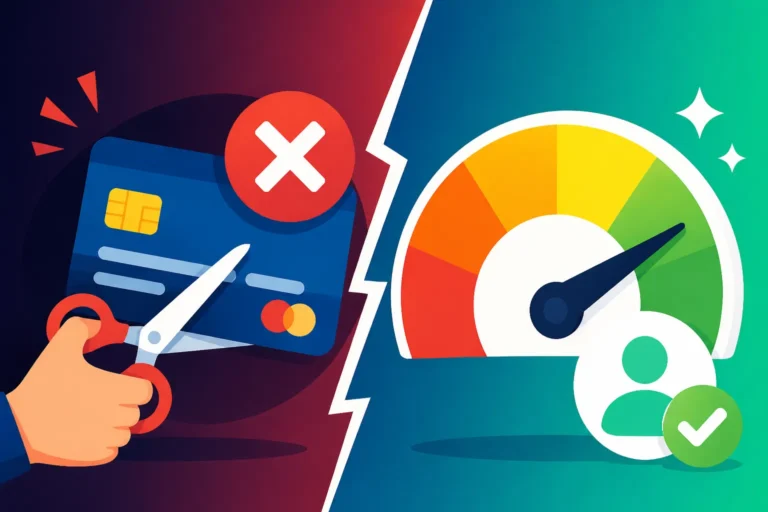
It's a common worry, isn't it? You're trying to improve your financial standing, maybe you want to earn some rewards, or perhaps you just need a bit more flexibility, and the idea of applying for a new credit card instantly brings up that nagging question: "Will this hurt my credit score?" It's a valid concern, and many people hesitate for fear of taking a step backward. This guide is here to unravel the truth behind getting a new credit card and its real impact on your credit score, so you can make informed decisions without anxiety.
The Initial Dip: Hard Inquiries and Their Effect
Let's address the elephant in the room first: yes, applying for a new credit card can cause a temporary dip in your credit score. This isn't some urban legend; it's a very real, though often short-lived, part of the credit scoring process. But understanding why it happens can help you navigate it without panic.
What Is a Hard Inquiry?
When you apply for a new line of credit—whether it's a credit card, a personal loan, or even a mortgage—the potential lender needs to assess your creditworthiness. To do this, they request your credit report and score from one or more of the major credit bureaus (Equifax, Experian, or TransUnion). This specific type of request is called a "hard inquiry" or "hard pull." It's essentially a signal to credit scoring models that you're seeking new credit.
Think of it this way: imagine you're a landlord, and a potential tenant suddenly applies to rent five different apartments in one week. You might wonder if they're having trouble getting approved elsewhere or if they're about to overextend themselves financially. Credit scoring models view multiple hard inquiries in a short period similarly – it can suggest a higher risk of not being able to manage new debt, which typically results in a slight, temporary drop in your score.
How Long Does a Hard Inquiry Stay on Your Report?
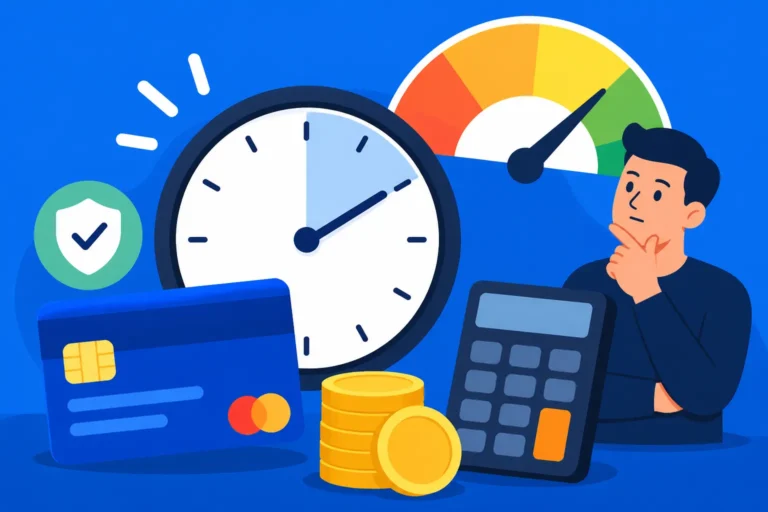
A hard inquiry will generally remain on your credit report for two years. However, its actual impact on your credit score usually fades much faster, often within a few months to a year. For most people, a single hard inquiry might cause a drop of just a few points, say 2 to 5 points, and sometimes even less. It's usually not a dramatic plummet. The older the inquiry gets, the less weight it carries in your score calculation, until it eventually drops off entirely after 24 months.
The real concern isn't a single inquiry, but a cluster of them. If you apply for several credit cards within a very short timeframe, say a few weeks, those multiple hard inquiries can collectively have a more noticeable, albeit still temporary, negative effect on your score. This is why it's generally advised to space out your credit applications unless you're rate shopping for a specific loan type, like a mortgage or auto loan, where multiple inquiries within a certain window (often 14-45 days) are often counted as a single inquiry. If you're wondering How Long Does a Hard Inquiry Stay on Your Credit Report?, rest assured it's a finite period.
Soft Inquiries vs. Hard Inquiries
It's crucial to understand the distinction between hard and soft inquiries because one impacts your score and the other doesn't. A "soft inquiry" occurs when you or a pre-approved lender check your credit for informational purposes. This could be:
- Checking your own credit score through a service like Credit Karma or your bank's free credit monitoring tool.
- A credit card company checking your credit to pre-approve you for an offer.
- An employer running a background check (with your permission).
Soft inquiries are invisible to lenders, and they never affect your credit score. So, go ahead and check How to Check Your Credit Score for Free as often as you like; it won't hurt a bit! This distinction is vital for peace of mind, as many people mistakenly believe that any check on their credit history will bring their score down. You can learn more about the differences in Hard vs Soft Inquiries: How Each Affects Your Score.
Average Age of Accounts: The Silent Score Suppressor
Beyond the immediate impact of a hard inquiry, opening a new credit card introduces another factor that can influence your score: the average age of your credit accounts. This is one of the five major factors that determine your credit score, and it's an area where a new card can initially appear to work against you.
Why Credit Age Matters
Credit scoring models generally favor a long, established credit history. Lenders see a longer history as a sign of financial responsibility and stability. Your credit age isn't just about how old your oldest account is; it's also about the average age of all your open accounts. When you open a brand new credit card, you're adding a "baby" account to your credit file. This instantly lowers the overall average age of all your accounts.
For example, if you have one credit card that's 10 years old, and you open a new one today (0 years old), your average age of accounts drops to 5 years. If you have several older accounts, the impact might be less dramatic, but the average will still decrease. This reduction in your average credit age can cause another small, temporary dip in your credit score. It's not a reflection of irresponsibility; it's simply how the mathematical models interpret the new data. Understanding What Affects Your Credit Score? The 5 Factors can help demystify this.
The Impact on Your Credit Mix
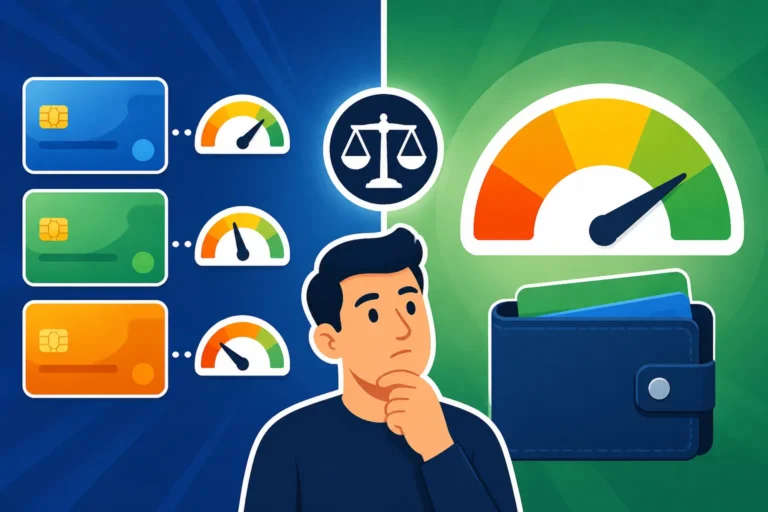
While lowering your average age of accounts can be a temporary downside, a new credit card can also positively influence another important aspect of your credit profile: your credit mix. Your credit mix refers to the variety of credit accounts you have, such as revolving credit (like credit cards) and installment credit (like auto loans or mortgages). A diverse mix generally signals to lenders that you can responsibly manage different types of debt.
If you're someone who only has student loans or a single car loan, adding a credit card introduces a different type of credit to your profile. This can be particularly beneficial for those with a "thin credit file" – meaning not enough credit accounts to generate a robust score. For instance, if you're trying to establish credit from scratch, or if you only have installment loans, getting your first credit card can significantly improve your credit mix. Even a credit builder loan, like those offered by Credit Strong, can add a different type of credit to your profile, helping to diversify your mix alongside a new credit card. Building out your credit mix is a key part of How to Build Credit From Scratch (2026 Guide).
When the Age Factor Recovers
The good news is that the negative impact of a lowered average age of accounts is temporary and diminishes over time. As your new credit card ages, it eventually becomes an older, more seasoned account itself. After a year or two, it will start to contribute positively to your average age of accounts, gradually offsetting that initial dip. The key here is patience and consistent responsible use.
The important thing is not to get into a cycle of constantly opening new accounts, which would continuously reset your average age. Instead, focus on building a stable credit history with a manageable number of accounts that you use responsibly over many years. This long-term approach is what truly allows your credit age to become a strong positive factor in your score.
Credit Utilization and Credit Mix: The Silver Lining
While the initial hit from a hard inquiry and the dip in average account age might seem daunting, getting a new credit card often comes with a significant silver lining: its potential positive impact on your credit utilization ratio and, as we discussed, your credit mix. These factors often outweigh the temporary negatives, especially if you manage your new card wisely.
How New Credit Can Improve Your Utilization
Your credit utilization ratio is one of the most critical factors in your credit score, typically accounting for about 30% of your FICO score. It's calculated by dividing the total amount of credit you're currently using by your total available credit limit. For example, if you have one credit card with a $5,000 limit and a $2,000 balance, your utilization is 40% ($2,000/$5,000). Credit scoring models like to see this ratio kept low, generally below 30%, with lower being better.
When you open a new credit card, you instantly increase your total available credit. Let's say you had that $5,000 limit and $2,000 balance (40% utilization). If you open a new card with a $3,000 limit, your total available credit jumps to $8,000 ($5,000 + $3,000). Assuming your spending habits don't change and your overall balance remains $2,000, your new utilization ratio becomes $2,000 / $8,000 = 25%. This drop from 40% to 25% can lead to a significant boost in your credit score.
This is why, for many people who are already carrying balances on existing cards, a new card, especially one with a higher limit, can be a strategic move to improve their credit utilization. Of course, this benefit only works if you don't max out the new card immediately! For a deeper dive, check out Credit Utilization: The Complete Guide.
Diversifying Your Credit Mix
We touched on this earlier, but it's worth reiterating: a varied credit portfolio is a healthy credit portfolio. Lenders like to see that you can handle different kinds of financial responsibility. A credit score, at its heart, is a predictive tool for lenders to assess risk. Someone who has successfully managed a car loan, a mortgage, and several credit cards demonstrates a broader capability than someone with only one type of debt.
For instance, if you've primarily had installment loans (like student loans or a car loan) and decide to get your first revolving credit card, this diversifies your credit mix. Similarly, if you're using products like a Credit Strong credit builder loan to establish payment history, adding a traditional credit card creates a well-rounded financial picture. This demonstrates to future lenders that you're experienced in managing different types of credit obligations, which can positively influence your score over time. Learn more about Credit Mix: Does Having Different Loan Types Help?.
The Importance of Responsible Use
All the potential benefits of a new credit card – improved utilization, diversified mix – hinge entirely on responsible use. If you open a new card and immediately run up a large balance, you'll negate any positive impact on your utilization. In fact, you'll likely make it worse, potentially tanking your score.
Responsible use means:
- Paying your bills on time, every time. Payment history is the biggest factor in your credit score (35% of FICO). One missed payment can wipe out months, even years, of good behavior.
- Keeping your balances low. Aim to use less than 30% of your available credit on each card, and ideally even lower (under 10%) for optimal scores.
- Not closing old accounts. Even if you don't use them, old accounts contribute to your average age of accounts and total available credit.
So, while getting a new credit card can present an opportunity for positive credit score growth, it's a tool that requires discipline and careful management. Using a tool like a Credit Strong credit builder loan can also instill these habits, as it requires consistent, on-time payments to build your credit.
Strategic Approaches to New Credit Cards
The decision to get a new credit card isn't one to take lightly. It should be a strategic move, aligned with your broader financial goals, and executed with an understanding of how it will impact your credit over the short and long term.
Timing Your Applications
One of the biggest mistakes people make is applying for multiple credit cards in a short period. This can lead to several hard inquiries hitting your report simultaneously, signaling to lenders that you might be desperate for credit. While credit scoring models often "deduplicate" inquiries for specific types of loans (like mortgages or auto loans) if they occur within a certain shopping window, this usually doesn't apply to credit cards. Each credit card application typically results in a distinct hard inquiry.
It’s generally wise to space out your credit card applications by at least six months, or even a year, especially if you're not actively trying to rebuild credit after a significant event like bankruptcy. More importantly, avoid applying for new credit cards in the months leading up to a major financial application, such as a mortgage or a car loan. Lenders for these larger loans look for stability, and new credit can make your profile appear riskier or less settled. Planning your credit applications can be a key part of How to Raise Your Credit Score (Step-by-Step).
Prioritizing Your Financial Goals
Before you even think about hitting that "apply" button, ask yourself why you want a new credit card. Is it for:
- Rewards or cash back? Great, but ensure you can pay off the balance in full every month to make the rewards truly worthwhile. Otherwise, the interest payments will quickly erase any benefits.
- A balance transfer? This can be an excellent strategy to pay off high-interest debt, but you need a solid plan to tackle the debt before the 0% APR period expires.
- Building credit? If you're just starting, or have limited credit history, a secured credit card or a credit builder loan (like those from Credit Strong) might be a better first step than a traditional unsecured card. These options are designed specifically for credit building and often have more accessible approval criteria. Learning How to Get Your First Credit Card With No Credit is a great place to start.
- Emergency fund backup? While a credit card can serve this purpose, having a cash emergency fund is always superior.
Your financial goals should always dictate your credit card strategy. A new card should be a tool to help you achieve those goals, not a spur-of-the-moment decision that could lead to financial strain.
Monitoring Your Credit Report
Regularly checking your credit reports from all three major bureaus (Equifax, Experian, and TransUnion) is critical, especially after applying for new credit. This isn't just about watching your score; it's about ensuring accuracy. Mistakes on your credit report are surprisingly common, and a new account might expose them or even introduce new ones.
After applying for a new card, verify that:
- The new account is reported correctly (correct credit limit, balance, open date).
- No other unauthorized inquiries or accounts have appeared.
- Your personal information is accurate.
You're entitled to a free copy of your credit report from each of the three major bureaus once a year through AnnualCreditReport.com. Make it a habit to review these reports regularly. This proactive approach allows you to catch errors early and dispute them, preventing them from negatively impacting your score. Understanding How to Read Your Credit Report (2026 Guide) is a vital skill for every financially savvy individual.
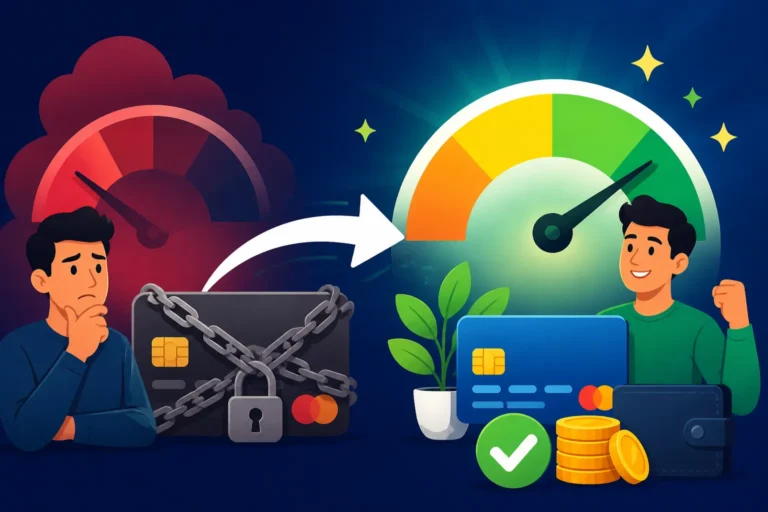
The immediate impact of a new credit card application usually involves a small, temporary dip due to a hard inquiry and a slight lowering of your average age of accounts. However, if managed responsibly, the potential for a significantly improved credit utilization ratio and a more diverse credit mix can easily outweigh these initial negatives, leading to a stronger credit score in the long run.
Ultimately, getting a new credit card is a nuanced decision. It's not inherently "bad" for your score, but it's not a magic bullet either. Thoughtful application, coupled with responsible use, is key to turning a new card into a powerful tool for credit improvement.
Here's a quick summary of the pros and cons:
| Factor | Short-Term Impact | Long-Term Impact |
|---|---|---|
| Hard Inquiry | Slight score dip (few points) | Fades from impact within 1 year, off report within 2 years |
| Average Age of Accounts | Slight score dip (lowers average) | Increases as new account ages, boosting overall average |
| Credit Utilization | Potential score boost (higher total credit limit) | Consistent boost if balances are kept low |
| Credit Mix | Potential score boost (diversifies account types) | Contributes to a strong, well-rounded credit profile |
| Payment History | No immediate impact | Significant boost with on-time payments, major drop with late payments |
| New Debt Burden | No direct score impact | Negative impact if it leads to high balances or missed payments |
Disclaimer
The information provided in this guide is for general informational purposes only and does not constitute financial, legal, or credit advice. Credit scoring models are complex, and individual results may vary. Always consult with a qualified financial professional for advice tailored to your specific situation.