How to Pay Off $4,000 in Credit Card Debt
That $4,000 credit card debt can feel like a heavy weight, hanging over your head and making every financial decision feel a little tighter. You're not alone in feeling this way; many people find themselves in a similar situation, stressed about how to tackle what seems like a manageable but stubborn amount of debt. This guide is here to break down practical, step-by-step strategies to help you pay off that $4,000 and regain control of your finances.
Understanding Your $4,000 Debt and Its Impact
Before you can effectively tackle your credit card debt, it's crucial to understand exactly what you're up against and how it's affecting you beyond just the numbers on a statement. This isn't just about math; it's about mind and money.
The Psychological Weight of Debt
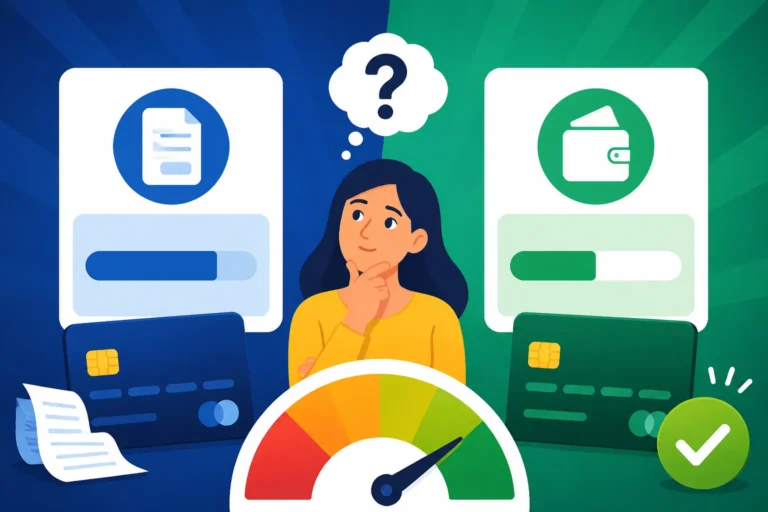
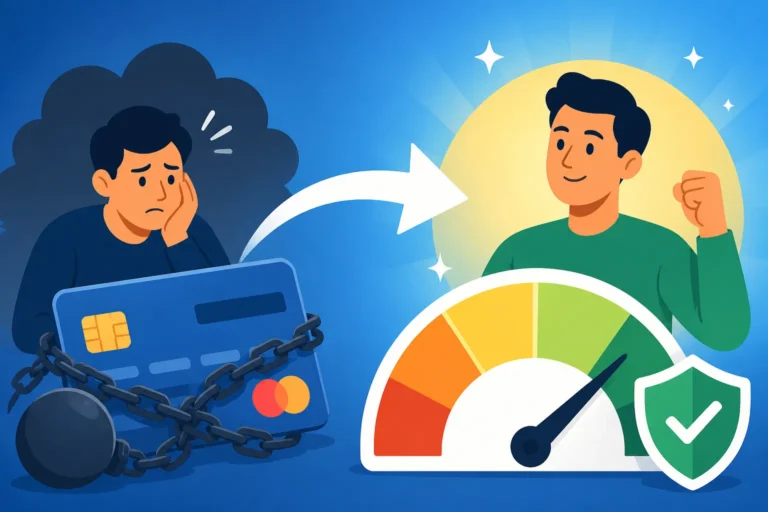
Even a seemingly "small" amount like $4,000 can cast a long shadow. It can lead to sleepless nights, anxiety when the mail arrives, and a constant feeling of being behind. This psychological burden often stems from feeling overwhelmed, unsure of where to start, or even embarrassed. You might find yourself avoiding looking at your statements, which only makes the problem worse. The truth is, recognizing this emotional component is the first step toward overcoming it. It’s okay to feel stressed, but it’s even better to channel that energy into a solid plan. Many folks struggle with the feeling of drowning, even when the water isn't quite over their heads yet. It's that constant hum of worry that can be truly draining.
This persistent stress can also lead to decision paralysis, where the sheer thought of dealing with the debt becomes so daunting that you do nothing at all. This inaction allows interest to accrue, often making the problem grow even larger. The goal here isn't just to pay off the money; it's to alleviate that mental load and replace it with a sense of empowerment and control over your financial future. When you start making progress, even small steps, that emotional weight begins to lift, and you realize this challenge is absolutely surmountable.
Identifying All Your Credit Card Balances
You can't fight a battle if you don't know your enemy. The very first practical step is to get a clear picture of every dollar you owe. This means digging out all your credit card statements, whether physical or digital, and listing out the vital information for each card. Don't gloss over any detail, no matter how small it seems.
What you need to pinpoint for each card is the exact current balance, the annual percentage rate (APR), and the minimum monthly payment. The APR is particularly crucial because it dictates how much interest you're paying. A card with a higher APR will cost you more over time, making it a priority for repayment. Knowing your minimum payments helps you understand your baseline financial commitment and allows you to calculate how much extra you can realistically put towards your debt. Sometimes, just seeing it all laid out helps you visualize the problem and identify patterns or cards that are truly draining your wallet with high interest. For a deeper dive into how your debt influences your standing, you might want to read our guide on how credit card debt affects your credit score.
Consider setting up a simple spreadsheet or using a budgeting app to track this information. It’s not just about what you owe today, but understanding the trajectory. Are you consistently only making minimum payments? Are new charges creeping in? This honest assessment will form the foundation of your repayment strategy, ensuring you make informed decisions rather than just blindly paying bills. Getting this clear snapshot is empowering; it transforms a vague worry into concrete numbers you can work with.
Choosing Your Debt Repayment Strategy
Once you have a crystal-clear understanding of your debt, it's time to choose a battle plan. There are two primary strategies most people use, and each has its unique benefits depending on your personality and financial situation.
The Debt Avalanche Method Explained
The debt avalanche method is a purely mathematical approach designed to save you the most money on interest over time. It's incredibly effective if you have the discipline to stick with it. Here’s how it works:
- List all your credit card debts from highest interest rate (APR) to lowest.
- Make minimum payments on all cards except for the one with the highest APR.
- Put any extra money you have towards that highest-APR card.
- Once the highest-APR card is paid off, take the money you were paying on it (minimum + extra) and apply it to the card with the next highest APR.
- Repeat until all debts are gone.
For a $4,000 debt spread across a few cards, say:
- Card A: $1,500 balance, 28% APR, $45 minimum payment
- Card B: $1,000 balance, 22% APR, $30 minimum payment
- Card C: $1,500 balance, 18% APR, $40 minimum payment
With the avalanche method, you'd make minimum payments on Card B ($30) and Card C ($40). Then, you'd throw all your extra cash at Card A. Let's say you find an extra $100 per month. You'd pay $45 + $100 = $145 on Card A. Once Card A is paid off, you take that full $145 (plus the original minimum on Card B) and direct it towards Card B, and so on. This approach dramatically reduces the total interest paid, ultimately getting you out of debt faster and cheaper. It might feel slow at first, as those high-interest cards often have larger balances, but the savings add up considerably. This methodical approach is often recommended by financial advisors for its efficiency. You can learn more about this and other payment strategies in our comprehensive guide on How to Pay Off Credit Card Debt Fast.
The Debt Snowball Method Explained
If the idea of a purely mathematical approach feels too slow or demotivating, the debt snowball method might be a better fit for your personality. This strategy focuses on psychological wins to keep you motivated. Here’s the breakdown:
- List all your credit card debts from smallest balance to largest, regardless of interest rate.
- Make minimum payments on all cards except for the one with the smallest balance.
- Put any extra money you have towards that smallest-balance card.
- Once the smallest-balance card is paid off, take the money you were paying on it (minimum + extra) and apply it to the card with the next smallest balance.
- Repeat until all debts are gone.
Using the same example:
- Card B: $1,000 balance, 22% APR, $30 minimum payment
- Card A: $1,500 balance, 28% APR, $45 minimum payment
- Card C: $1,500 balance, 18% APR, $40 minimum payment
With the snowball method, you'd make minimum payments on Card A ($45) and Card C ($40). You'd then take your extra $100 and apply it to Card B, paying $30 + $100 = $130. The moment Card B is paid off, you'll feel an incredible sense of accomplishment. Then you roll that $130 (plus the original minimum on Card A) into paying off Card A, and so on. While you might pay slightly more in interest compared to the avalanche method, the quick wins provide powerful motivation to stay on track. This strategy is fantastic for people who need consistent positive reinforcement to keep pushing forward. To help you decide, we have an article dedicated to comparing Debt Snowball vs Debt Avalanche: Which Is Better?
Tools and Tactics to Accelerate Your Payoff
Beyond choosing a core repayment strategy, there are several powerful financial tools and tactics you can employ to further speed up the process of paying off that $4,000 in credit card debt.
Consolidating Debt with Balance Transfer Cards
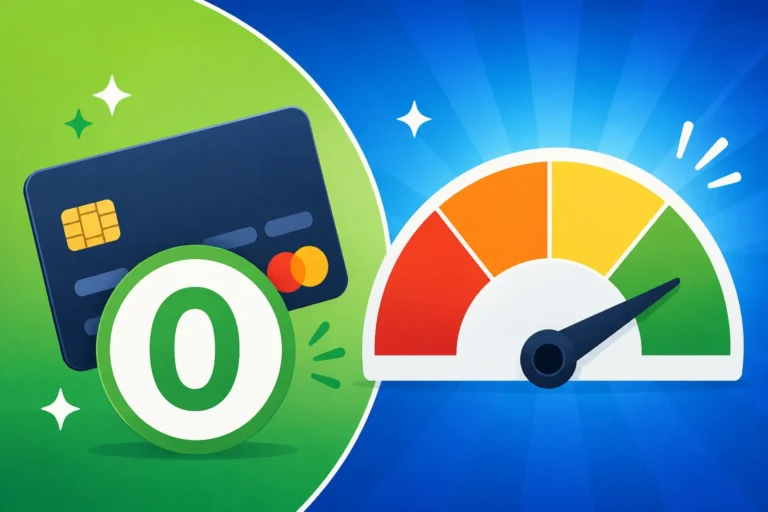
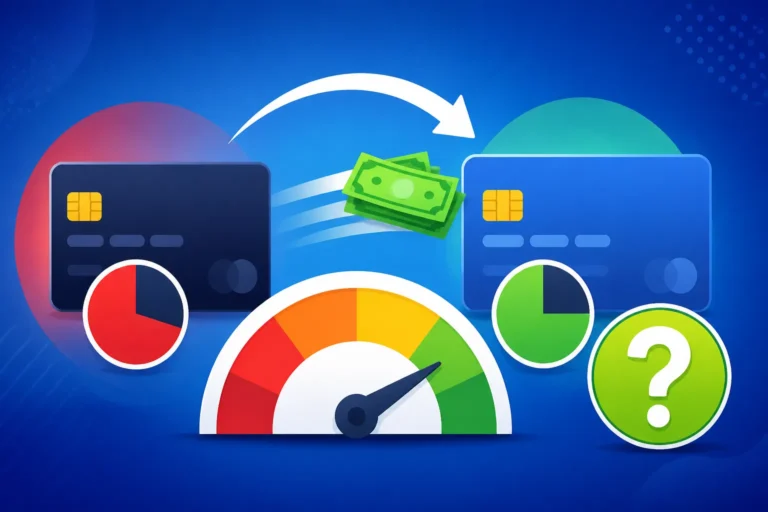
One of the most effective ways to tackle high-interest credit card debt is by using a balance transfer credit card. These cards often come with an introductory 0% APR period, typically ranging from 12 to 21 months, allowing you to pay down your principal without racking up new interest charges. Imagine transferring your $4,000 debt to a card with no interest for over a year – that's a game-changer!
When considering a balance transfer card, look for a few key things:
- 0% Intro APR Period: The longer, the better, but ensure it gives you enough time to realistically pay off the $4,000 before the standard APR kicks in.
- Balance Transfer Fee: Most cards charge a fee, usually 3-5% of the transferred amount. For $4,000, a 3% fee would be $120. Factor this into your decision. It might be worth paying a small fee to avoid months or years of high interest.
- Credit Score Requirements: You generally need a good credit score (typically 670 or higher) to qualify for the best balance transfer offers. If your score isn't quite there, this might not be an option right now.
The trick with balance transfer cards is to pay off the entire $4,000 balance before the introductory period ends. If you don't, any remaining balance will be subject to the card's standard, often high, APR. Make a strict payment plan and stick to it. If you can divide $4,000 by 12, 15, or 18 months, that will tell you how much you need to pay monthly to clear it. For instance, $4,000 over 12 months means roughly $333 per month. It's a powerful tool, but it requires discipline. Dive deeper into this option by reading our article on Balance Transfer Cards: How They Work.
Personal Loans for Debt Consolidation
Another excellent way to streamline your debt repayment is through a personal loan. Instead of juggling multiple credit card payments with varying interest rates, a personal loan allows you to combine your $4,000 debt into one single loan, often with a lower, fixed interest rate and a predictable monthly payment. This can simplify your finances considerably and potentially save you money on interest.
Here’s why a personal loan can be beneficial:
- Lower Interest Rates: The interest rate on a personal loan can often be significantly lower than what you're paying on your credit cards, especially if your credit cards have very high APRs.
- Fixed Payments: Personal loans have a set repayment schedule, usually over 2 to 5 years, with fixed monthly payments. This makes budgeting easier and ensures you have a clear end date for your debt.
- Credit Score Impact: Once approved, the loan pays off your credit cards, which immediately lowers your credit utilization ratio. This can positively impact your credit score, as long as you continue to make timely payments on the personal loan.
To get the best rates on a personal loan, you'll generally need a decent credit score. If your score is on the lower side, you might still qualify, but the interest rate could be higher. If you're looking to not only consolidate debt but also improve your credit standing, some companies offer credit builder loans, like Credit Strong. While not always ideal for consolidation of existing debt, they are excellent for building a payment history and improving your score, which could then qualify you for better consolidation options down the line or other financial products. A credit builder loan is a type of secured loan that helps you demonstrate responsible borrowing habits. It's a different approach, but sometimes you need to build up your credit to access the best debt consolidation tools. We have more details on Debt Consolidation vs Balance Transfer that can help you weigh your options.
Negotiating with Creditors
If you're really struggling to make payments, or you're deep in debt beyond the $4,000 mark, sometimes the most direct approach is to talk to your creditors. It might sound intimidating, but many credit card companies have hardship programs or are willing to work with you to prevent a total default.
When you contact them, explain your situation honestly. Be prepared to discuss your financial challenges. They might offer solutions such as:
- Lowering Your Interest Rate: Even a few percentage points off your APR can make a big difference in how quickly you pay down $4,000.
- Waiving Late Fees: If you've missed a payment or two, they might be willing to waive a fee as a goodwill gesture, especially if you have a good payment history otherwise.
- Setting Up a Payment Plan: They might agree to a temporary payment plan with reduced monthly payments, giving you breathing room.
This isn't debt settlement, which is a more aggressive tactic where you pay less than the full amount owed, often with significant negative impacts on your credit score. This is about proactive communication to find a manageable path forward. Be polite, be firm, and be clear about what you can realistically afford. Remember, they want to get paid, and often they'd rather work with you than have you default entirely.
Finding Extra Money for Debt Payments
Paying off $4,000 requires more than just a strategy; it requires fuel in the form of extra cash. You'd be surprised how much money you can free up by carefully examining your spending habits and exploring new income streams.
Budgeting and Expense Reduction
The most immediate way to find more money for your debt payments is by scrutinizing your current budget and identifying areas where you can cut back. This isn't about deprivation; it's about being intentional with your money.
Start by creating a detailed budget if you don't already have one. Track every single dollar that comes in and goes out for at least a month. You might be shocked at where your money is actually going. Once you have this clear picture, look for non-essential expenses you can reduce or eliminate.
Here are some common areas to examine:
- Subscriptions: Do you really need all those streaming services, gym memberships you don't use, or monthly boxes? Cancel or pause them.
- Dining Out/Takeaway: This is a huge money drain for many. Try cooking more at home, packing lunches, and limiting restaurant visits to special occasions.
- Entertainment: Look for free or low-cost entertainment options like parks, libraries, or free community events instead of constantly going to movies, concerts, or expensive outings.
- Unused Items: Do you have clothes, gadgets, or household items you no longer need? Sell them online through platforms like Facebook Marketplace or eBay. That old bike in the garage could be $200 towards your debt!
- Review Recurring Bills: Call your internet, cable, or cell phone providers to see if you can get a better deal. Even saving $10-$20 a month adds up. You might also find cheaper alternatives for car insurance or other regular services.
Even small cuts can add up quickly. If you find an extra $50 from canceling subscriptions, $75 from cooking at home, and $25 from negotiating a bill, that's $150 extra you can put towards your $4,000 debt each month, accelerating your payoff timeline significantly. This kind of diligent review also helps to lower your credit utilization, a key factor in your credit score. Our guide on How to Lower Your Credit Utilization Fast offers more tips on this.
Boosting Your Income
Sometimes, cutting expenses isn't enough, or you've already trimmed everything to the bone. In these cases, the next step is to look for ways to bring in more money. This doesn't have to mean getting a second full-time job; even temporary or part-time efforts can make a big difference for a $4,000 debt.
Consider these options:
- Side Gigs/Freelance Work: The gig economy offers countless opportunities. Think about driving for a rideshare service, delivering food, pet sitting, virtual assisting, freelance writing, graphic design, or offering local services like lawn care or house cleaning. Even a few hours a week can generate several hundred dollars a month.
- Selling Crafts or Skills: If you have a hobby like knitting, baking, or woodworking, could you turn it into a small business? Offer tutoring, music lessons, or computer repair if you have those skills.
- Temporary Work or Overtime: If your current job offers overtime, consider picking up extra shifts, even temporarily. Look for seasonal retail jobs or temporary administrative roles that can offer a quick cash infusion.
- Monetize a Spare Room: If you have a spare bedroom, consider renting it out short-term on platforms like Airbnb, if allowed by your landlord or HOA.
The key is to think creatively about your existing skills, time, and resources. Every extra dollar you earn and direct towards your $4,000 debt acts like rocket fuel, pushing you closer to financial freedom. Remember, this isn't necessarily a permanent lifestyle change, but a focused effort to eliminate debt efficiently. Once the debt is gone, you can scale back or reallocate that extra income towards savings or investments.
Maintaining Momentum and Future Financial Health
Paying off $4,000 in credit card debt is a significant accomplishment, but the journey doesn't end there. It's crucial to maintain the discipline you've built and establish habits that prevent you from falling back into debt.
The Importance of Small Wins and Consistency
The road to becoming debt-free can sometimes feel long and arduous. This is why acknowledging and celebrating your progress, no matter how small, is incredibly important for maintaining motivation. Did you just pay off your first small card using the debt snowball method? Celebrate that! Did you make an extra $50 payment this month that you didn't think was possible? Pat yourself on the back! These "small wins" provide the psychological boost you need to keep pushing forward, especially when you're working through larger balances.
Consistency is another unsung hero in debt repayment. It’s not about grand gestures every month, but rather the steady, relentless effort of making your payments on time and sticking to your plan. Even if some months you can only afford the minimum plus a tiny extra amount, that consistency builds momentum. It’s like pushing a snowball down a hill; it starts small, but with consistent effort, it grows larger and faster. Regularly review your progress; seeing the balances shrink can be incredibly motivating. Consider reading our guide on How to Get Out of Credit Card Debt (Step-by-Step) for more sustained strategies.
Building an Emergency Fund and Credit Habits
Once your $4,000 debt is gone, or even as you get closer to paying it off, your next critical step is to build an emergency fund. This fund is your financial safety net, designed to cover unexpected expenses like car repairs, medical bills, or job loss without having to rely on credit cards again. Aim for at least 3-6 months of essential living expenses in a separate, easily accessible savings account. This single step can break the cycle of debt for good.
Beyond the emergency fund, focus on establishing healthy credit habits to keep your finances in top shape.
- Keep Credit Utilization Low: Aim to keep your credit utilization ratio below 30% across all your cards. This means if you have a total credit limit of $10,000, try not to carry more than $3,000 in balance. A good rule of thumb is to pay off your cards in full each month. This is one of the most significant factors in your credit score. You can dive into this more in our article, Credit Utilization: The Complete Guide.
- Pay On Time, Every Time: Payment history is the biggest factor in your credit score. Set up automatic payments or reminders to ensure you never miss a due date.
- Monitor Your Credit: Regularly check your credit report for errors and identity theft. You can get free copies from AnnualCreditReport.com.
- Use Credit Responsibly: Keep one or two credit cards open, even if you pay them off monthly. This helps maintain a long credit history and a healthy credit mix. However, avoid opening too many new accounts if you're not ready to manage them. For tips on how to manage your plastic wisely, check out our piece on How to Use a Credit Card to Build and Keep Good Credit.
By celebrating your wins, maintaining consistency, building a robust emergency fund, and practicing smart credit habits, you’ll not only pay off that $4,000 debt but also set yourself up for long-term financial stability and peace of mind.
Debt Repayment Strategy Comparison
To help you decide which method might be best for you when tackling your $4,000 credit card debt, here's a quick comparison of the two primary strategies:
| Feature | Debt Avalanche Method | Debt Snowball Method |
|---|---|---|
| Prioritization | Highest interest rate first | Smallest balance first |
| Primary Benefit | Saves the most money on interest | Provides psychological momentum and quick wins |
| Best For | Individuals who are highly disciplined and logical | Individuals who need motivation from frequent wins |
| Speed | Mathematically fastest way to pay off debt | Can feel faster due to quick account closures |
| Total Cost | Lowest | Potentially higher due to paying more interest |
| Risk | Can be demotivating if highest-APR debt is large | Might keep you in debt longer if high-APR debts are large |
No matter which method you choose, the most important thing is to pick one and stick with it. Both are proven strategies that, when coupled with discipline and a commitment to finding extra funds, can successfully get you out of debt.
Disclaimer
The information provided in this article is for general informational purposes only and does not constitute financial, legal, or professional advice. Always consult with a qualified financial advisor, credit counselor, or legal professional before making any financial decisions. Credit scores and financial outcomes can vary based on individual circumstances and market conditions.