What Does 50% Credit Utilization Do to Your Score?
It's incredibly frustrating, isn't it? You're diligently paying your bills, but then you check your credit score and see it plummet because of something called "credit utilization." That feeling of dread when you realize you've hit 50% or even higher on your credit cards can be a real punch to the gut. It leaves you wondering, "What exactly does this mean for my financial future?" This guide is here to shed light on what a 50% credit utilization ratio truly does to your credit score and, more importantly, how you can navigate your way back to a healthier financial standing.
Understanding Credit Utilization: More Than Just a Number
Let's cut through the jargon and get to the heart of what credit utilization means. It's not just some abstract financial term; it's a direct reflection of how much of your available credit you're actually using. And when that number creeps up to 50%, it sends a clear signal to lenders – a signal that might not be the one you want them to receive.
What Credit Utilization Actually Means
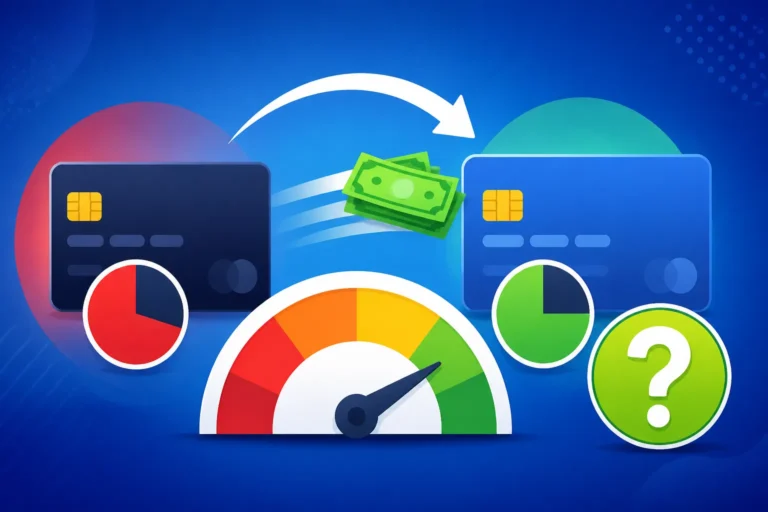
Credit utilization, often referred to as your credit utilization ratio (CUR), is quite simply the amount of credit you're using divided by the total credit available to you. For example, if you have a credit card with a $2,000 limit and your current balance is $1,000, your utilization for that card is 50%. Most credit scoring models look at both your utilization on individual cards and your overall utilization across all your credit accounts. This ratio is a snapshot, not a permanent tattoo on your credit report. The good news is, you can improve it over time by paying down balances.
Many people fall into the trap of thinking as long as they pay their minimums, they're in the clear. But credit utilization looks at your current balance relative to your limit. This is why you might feel like you're doing everything right, yet your score still takes a hit. It's a key factor because it helps lenders gauge your ability to manage debt and indicates how reliant you might be on credit. A high ratio suggests you might be overextended or facing financial difficulties, even if you haven't missed a payment yet.
The frustration is completely valid here. It feels like you're being penalized for simply using the credit that was extended to you. You might think, "Why give me a $5,000 limit if using $2,500 of it is going to hurt me?" The truth is, lenders want to see responsible use, and for them, responsible use typically means keeping your balances well below your limits.
Why 50% Utilization Is a Red Flag
So, you've hit that 50% mark. Why is this considered a red flag by lenders and credit scoring models? Well, it's widely accepted that keeping your credit utilization below 30% is ideal, and even better if you can keep it under 10%. When you go above 30%, and especially up to 50%, it signals potential financial strain or a higher risk of defaulting on future payments. Lenders look at this as a predictor of your financial behavior.
Imagine you're a bank trying to decide if someone is a good candidate for a loan. If you see an applicant consistently using half or more of their available credit, it suggests they might be struggling to make ends meet or are living paycheck to paycheck, relying heavily on credit to bridge gaps. This perception of risk can lead to less favorable loan terms, higher interest rates, or even outright denials for new credit. It's not personal; it's just how the algorithms are designed to assess risk.
For instance, consider Sarah, who had a solid credit score in the mid-700s. She unexpectedly had a few large car repairs and used her credit card, which had a $4,000 limit, to cover $2,000 of the cost, pushing her utilization to 50%. A month later, she applied for a personal loan for a home improvement project. To her shock, the interest rate offered was significantly higher than what she'd been pre-approved for just a few weeks prior, and her credit score had dropped almost 40 points. The lender specifically cited her increased credit utilization as a concern. This is a common real-life scenario many people face.
The Direct Impact on Your Credit Score
Now, let's talk about the tangible impact. What exactly happens to those precious credit score numbers when your utilization hits 50%? It's not a small tweak; it's a significant factor that can cause a noticeable dip, impacting your financial opportunities.
How FICO and VantageScore View High Utilization
Both the FICO Score and VantageScore models, which are the most commonly used credit scores, place a heavy emphasis on your credit utilization. In fact, credit utilization falls under the "amounts owed" category, which accounts for approximately 30% of your FICO Score. This makes it the second most influential factor, right after your payment history (which is 35%). VantageScore also considers it a very important component, using similar logic to assess risk.
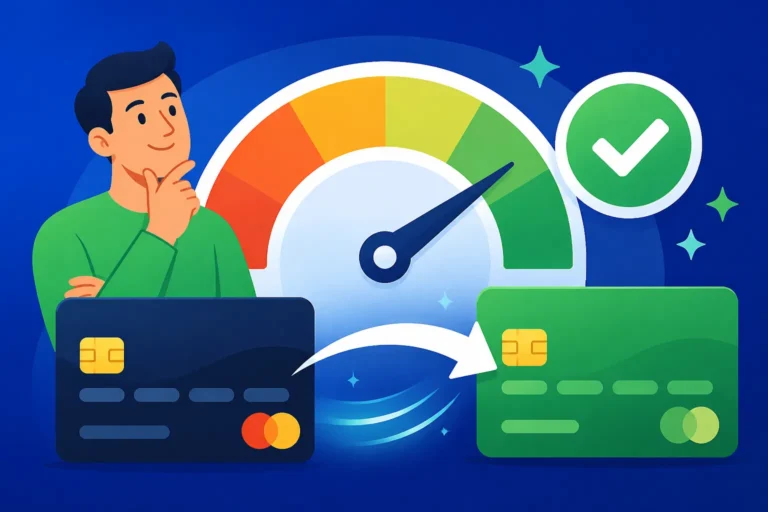
When your utilization hits 50%, you're almost certainly going to see your score drop. The exact number of points it will drop can vary based on other factors in your credit report, such as your payment history, the age of your accounts, and your credit mix. Someone with a long history of perfect payments might see a smaller drop than someone who also has a recent late payment. However, it's safe to say that 50% utilization moves you squarely into a higher risk category in the eyes of these scoring models.
Here's an illustrative table showing potential (but not guaranteed) FICO score changes based on credit utilization, assuming all other factors remain constant for a typical consumer:
| Credit Utilization Ratio | Potential FICO Score Range Impact | Lender Perception |
|---|---|---|
| 1-9% | Excellent | Very Low Risk |
| 10-29% | Very Good to Good | Low Risk |
| 30-49% | Good to Fair (Noticeable Drop) | Moderate Risk |
| 50-74% | Fair to Poor (Significant Drop) | High Risk |
| 75%+ | Poor (Severe Drop) | Very High Risk |
As you can see, 50% utilization generally pushes you into the "Fair to Poor" range for this specific factor, which can easily translate to a significant drop in your overall score. It's a strong indicator that you might be getting close to maxing out your credit, which lenders understandably view with caution.
The Ripple Effect on Other Credit Factors
A drop in your credit score due to high utilization doesn't just sit in a silo; it can create a ripple effect across other aspects of your financial life. For starters, a lower credit score might make it harder to get approved for new lines of credit or loans, which in turn can impact your credit mix: does having different loan types help?. If you can't open new accounts, your credit mix might suffer, or you might rely even more heavily on existing, high-utilization cards, creating a negative feedback loop.
Consider someone like Mark. He had a couple of credit cards and a small personal loan, maintaining a decent credit score. Then, due to unforeseen medical expenses, he ran up his credit card balances to 50% utilization. His score dropped from a respectable 720 to a concerning 660. Later, when his old car finally gave out, he needed a new one. He applied for a car loan, but instead of the great rates he expected, he was offered an interest rate almost two points higher, adding hundreds of dollars to his total loan cost. His higher credit utilization, and the subsequent score drop, directly translated into more expensive borrowing. This scenario highlights how high utilization can impact your ability to get favorable terms for crucial financial products. If you're wondering what credit score do you need for a car loan?, understand that 50% utilization can push you out of the best tiers.
Furthermore, some lenders might even review your credit score periodically for existing accounts. If they see a significant increase in your utilization and a corresponding score drop, they could potentially lower your credit limit on existing cards or increase your interest rate, especially on variable-APR cards. It's a harsh reality, but it's part of how lenders manage their risk. This makes it crucial to understand not just the initial drop, but the broader implications on your credit profile. You might also want to read our guide on what affects your credit score? the 5 factors for a deeper dive into all the components.
Strategies to Lower 50% Utilization and Rebound
Feeling a bit overwhelmed? Don't worry, there are concrete steps you can take to lower your credit utilization and get your score back on track. It takes discipline and a plan, but it's absolutely achievable.
Aggressive Repayment Methods
The most direct way to tackle high credit utilization is to pay down your balances. This might sound obvious, but there are smart strategies to make your payments more effective. One popular approach is the debt snowball method, where you focus on paying off the smallest debt first, gaining psychological momentum, while making minimum payments on others. Once the smallest is paid, you roll that payment amount into the next smallest debt.
Alternatively, the debt avalanche method focuses on paying off the debt with the highest interest rate first, which can save you more money over time. While you make minimum payments on all other debts, you direct all extra funds to the highest-interest card. Once that's paid, you move to the next highest. This method is often recommended by financial experts for its efficiency in saving on interest charges. You can learn more about these strategies in our comprehensive guide on how to pay off credit card debt fast.
Beyond these strategies, consider making more than one payment a month if your budget allows. Credit card companies typically report your balance to the credit bureaus once a month, often around your statement closing date. If you pay down a significant portion of your balance before that date, your reported utilization will be lower, and you'll see a quicker positive impact on your score. Even paying half your balance mid-cycle can make a difference. For example, if your statement closes on the 15th, and you pay off a chunk of your balance on the 5th, that lower balance is what often gets reported, rather than the higher one from earlier in the month.
Boosting Your Available Credit
While paying down debt is paramount, another way to lower your utilization ratio is to increase your total available credit. This needs to be approached with extreme caution, as it can be a double-edged sword.
One option is to request a credit limit increase on an existing card. If approved, and assuming you do not increase your spending, your utilization ratio will immediately drop because your denominator (total available credit) has increased. For instance, if you have a $2,000 balance on a $4,000 limit (50% utilization) and your limit is increased to $8,000, your utilization instantly drops to 25% for that card, without you paying a single extra dollar. However, many lenders will perform a hard inquiry for a credit limit increase, which can cause a small, temporary dip in your score. More importantly, if you're tempted to spend more just because you have more available credit, this strategy will backfire catastrophically. We have a detailed article covering should you ask for a credit limit increase? that dives into this more deeply.
Another option is to open a new credit card, but again, this requires immense self-control. A new card will increase your total available credit, which could lower your overall utilization. However, applying for a new card results in a hard inquiry on your credit report, which will temporarily lower your score. And if you're opening a new card because you're struggling with high balances, adding another credit line might just lead to more debt. This strategy is usually only recommended if you're confident you can manage the new credit responsibly and keep balances low.
Interestingly, adding a credit builder loan, such as those offered by Credit Strong, can also indirectly help. While not a revolving line of credit like a credit card, these loans add another type of credit to your report (an installment loan). This diversifies your credit mix and, by building positive payment history, can improve your overall creditworthiness, which might make you eligible for higher limits on future revolving credit, thereby helping utilization. It's a long-term play for a healthier credit profile.
Monitoring and Long-Term Habits
The key to sustaining a healthy credit utilization ratio and a strong credit score is consistent monitoring and establishing positive long-term habits. You can't fix what you don't track.
Make it a habit to check your credit score regularly. Many banks and credit card companies now offer free credit score monitoring services, providing updated FICO or VantageScore scores. Sites like AnnualCreditReport.com also allow you to get your free credit report from each of the three major bureaus (Equifax, Experian, and TransUnion) once a year. Reviewing these reports helps you spot not just high utilization, but also any errors or signs of identity theft.
Setting up alerts from your credit card companies or credit monitoring services can also be incredibly helpful. These alerts can notify you of large purchases, balance increases, or even when your utilization crosses a certain threshold. This proactive approach allows you to address issues before they become major problems.
Finally, integrating a robust budget into your financial life is non-negotiable for long-term credit health. A budget helps you understand where your money is going, identify areas for cutting expenses, and allocate funds specifically for debt repayment. Tools like Experian Boost claim to help your credit score by adding positive payment history from utility and phone bills, which could be an interesting supplementary strategy, though its impact on utilization is indirect. Ultimately, the best long-term habit is to spend less than you earn and pay off your credit card balances in full each month. If that's not possible, aim to pay as much as you can to keep your utilization as low as possible.
Real-World Consequences of Sustained High Utilization
Beyond the immediate score drop, maintaining a 50% or higher credit utilization can have lasting and far-reaching consequences that impact major life decisions, from where you live to what kind of car you drive.
Impact on Loan Approvals and Interest Rates
When you carry high credit utilization, lenders see you as a bigger risk. This perception directly translates into how they approve you for new credit and the interest rates they offer. For big-ticket items like a mortgage, an auto loan, or a significant personal loan, your credit score is a crucial gatekeeper.
If your utilization pushes your score down to, say, the low 600s, applying for a mortgage becomes significantly more challenging. While some government-backed loans, like FHA loans, have more lenient credit score requirements, a 50% utilization can still make you a less attractive candidate, potentially leading to higher mortgage insurance premiums or even denial. For conventional loans, the best rates are reserved for those with excellent credit. If you're wondering what credit score do you need to buy a house?, know that high utilization will definitely push you further away from that goal.
The same applies to car loans. A higher utilization often means you'll be offered a higher Annual Percentage Rate (APR), which can add thousands of dollars to the total cost of your vehicle over the loan's lifetime. Lenders might also require a larger down payment or impose stricter terms. Similarly, for personal loans, high utilization will almost certainly result in higher interest rates, making the debt more expensive to repay. Lenders like Discover Personal Loans and Marcus by Goldman Sachs scrutinize credit reports, and a 50% utilization would undoubtedly raise a red flag, potentially limiting your options or increasing your costs. This is why understanding what credit score do you need for a personal loan? is so important.
Difficulty Renting and Other Hidden Costs
It might surprise you, but high credit utilization can even affect your ability to rent an apartment. Many landlords and property management companies run credit checks on prospective tenants to assess their financial responsibility. If your credit report shows high utilization, it could suggest instability or an inability to manage finances, making a landlord hesitant to rent to you. This might force you to find a landlord who doesn't check credit as rigorously, or you might be asked to pay a larger security deposit or have a guarantor sign the lease with you. It's a hidden cost of poor credit health that many people don't consider until they're in that situation. Our guide on do landlords check your credit report? explains this process in more detail. In some competitive housing markets, even a perfectly fine income might not be enough if your credit profile looks shaky. If you're in a situation where your credit score has dropped due to utilization, understanding what can you get with a 600 credit score? (rent an apartment) might give you a realistic perspective on your options.
Beyond housing, your insurance premiums, especially for auto and home insurance, can also be indirectly influenced by your credit score (where permitted by state law). Insurers use credit-based insurance scores as one factor in determining your risk level, and a lower credit score resulting from high utilization could lead to higher premiums. Even utility companies, like gas, electric, and water providers, might check your credit report before opening a new account. If your credit health is poor, they could require a larger security deposit to start service, tying up funds you might need elsewhere. These seemingly minor inconveniences and extra costs can quickly add up, creating a constant drain on your finances and making it harder to save or invest for your future.
Disclaimer
This article is for general informational purposes only and does not constitute professional advice. Laws, prices and regulations vary by location and change over time. Consult a qualified professional for guidance on your specific situation.