Does Paying Off Collections Help Your Score?
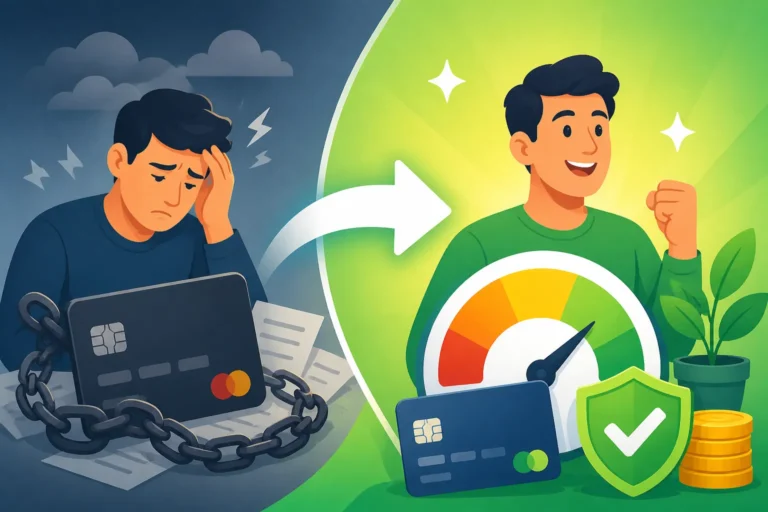
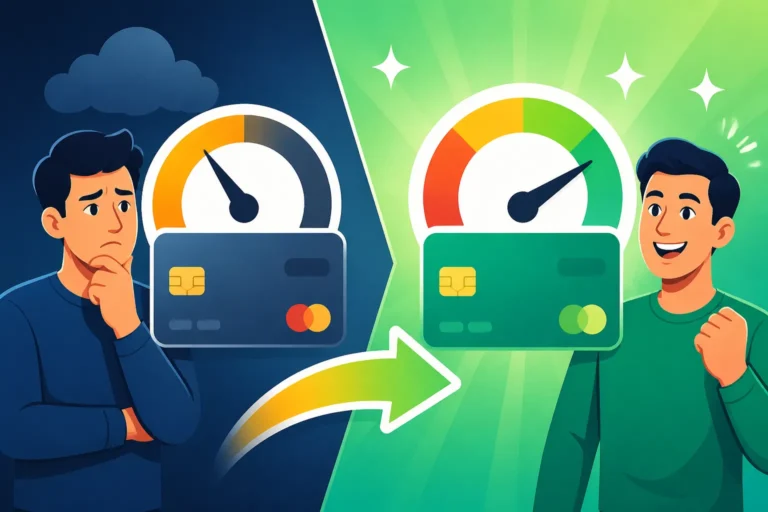
It’s a frustrating scenario many of us have faced: you’ve got a collection account staring back at you from your credit report, a constant reminder of a past financial hiccup. The common wisdom is to pay it off, right? But then you hear whispers that it might not even help your credit score all that much, leaving you wondering if all that effort and hard-earned money will actually make a difference. This guide will cut through the confusion, explaining exactly how paying off collections impacts your credit score, what factors are at play, and the most effective strategies to deal with these pesky negative marks.
The Lingering Shadow of Collection Accounts
Dealing with collection accounts is a headache, plain and simple. They’re like unwanted guests on your credit report, dragging down your score and making it tougher to get approved for loans, credit cards, or even apartments. Understanding how they operate is the first step in addressing them.
What Is a Collection Account and Why Is It So Bad?
Think of a collection account as a debt that's been given up on by the original creditor. When you fall significantly behind on payments – usually 90 to 180 days – the original creditor, whether it’s a credit card company, a hospital, or a utility provider, might decide they're not going to get paid. So, they either sell the debt to a third-party collection agency for pennies on the dollar or hire an agency to collect on their behalf.
Once a debt hits collections, it becomes a distinct negative entry on your credit report, separate from the original delinquent account. This isn't just a minor smudge; it's a major red flag that screams "high risk" to potential lenders. Even if the original debt was small, the collection status itself can significantly drop your credit score because it indicates a severe failure to meet financial obligations. The presence of a collection account signals to lenders that you've struggled with managing debt, which can lead to higher interest rates or outright denials for future credit.
The Immediate and Ongoing Damage of a Collection
The moment a collection account pops up on your credit report, you'll likely see a noticeable dip in your credit score. This initial drop can be quite substantial, especially if it's your first major derogatory mark or if your credit history was otherwise solid. For someone with an excellent score, a collection could knock off 50 to 100 points or even more. For someone already struggling, the impact might be less dramatic but still significant.
The problem doesn't stop there. A collection account continues to negatively affect your score for as long as it remains on your report, which is typically seven years from the date of your original delinquency. While its impact lessens over time—an older collection generally hurts less than a brand new one—it's still a drag on your creditworthiness. This means that even years later, it can still influence lenders' decisions. For example, if you're looking to buy a house, a mortgage lender will scrutinize every detail on your report, and a collection, paid or unpaid, will certainly catch their eye. This makes it challenging to achieve financial milestones, despite your best efforts to move forward. To gain a clearer picture of how these items affect your overall financial health, you might want to learn How to Read Your Credit Report (2026 Guide).
Understanding How Paying Off Collections Actually Affects Your Score
Here's where things get a bit tricky and often frustrating for consumers. You'd think paying off a debt would automatically erase its negative impact, right? Not always. The reality is that the way a paid collection affects your score depends heavily on which credit scoring model a lender is using.
FICO and VantageScore Models: A Key Difference
There are two primary credit scoring models: FICO and VantageScore. Both are used by lenders, but they treat collection accounts—especially paid collection accounts—differently.
-
Older FICO Models (FICO 8, FICO 5, 4, 2): Most lenders, particularly in mortgage and auto lending, still use older versions of the FICO score (like FICO 8, which is very common, or even FICO Bankcard Score 8). These older models generally do not differentiate between a paid and an unpaid collection account. To them, the fact that the debt went to collections in the first place is the primary negative factor. Paying it off simply changes its status from "unpaid" to "paid" on your report, but the historical damage remains largely the same in the eyes of these specific scoring algorithms. This is why many people are surprised when their score doesn't jump after settling a collection.
-
Newer FICO Models (FICO 9, FICO 10): Good news! FICO 9 and FICO 10 are designed to be more forgiving. These newer models do not factor paid collection accounts into their scoring calculation. This means if a lender uses FICO 9 or 10, paying off a collection will likely boost your score, or at least eliminate that specific negative impact from being scored. The challenge is, these newer models aren't as widely adopted by all lenders yet. So, while your free credit score from a consumer website might show an improvement (as many use VantageScore or a FICO 9 variation), a mortgage lender using FICO 2 could still see it as a significant derogatory mark.
-
VantageScore: Most free credit monitoring services, like Credit Karma or Credit Sesame, use VantageScore models. VantageScore 3.0 and 4.0 do differentiate between paid and unpaid collections, giving less weight to paid collections. This is often why you might see your VantageScore improve after paying off a collection, even if your FICO score doesn't budge much.
This disparity in scoring models is a major source of confusion and frustration for consumers. It means that while paying off a collection is generally a good financial step, its immediate impact on your loan eligibility might not be as straightforward as you'd hope, depending on who's checking your credit.
The "Paid" Status Versus "Removed" Status
Here's another crucial distinction: there's a world of difference between a collection account being marked as "paid" on your credit report and being "removed" entirely.
When you pay off a collection, the collection agency typically updates the account status on your credit report from "unpaid" or "open" to "paid in full" or "closed." While this is a positive step from a moral and financial standpoint, it doesn't erase the fact that the collection ever existed. The record of the collection, now marked as paid, usually remains on your credit report for that full seven-year period from the date of the original delinquency. As discussed, many common FICO models still penalize you for the mere presence of a collection, regardless of its paid status.
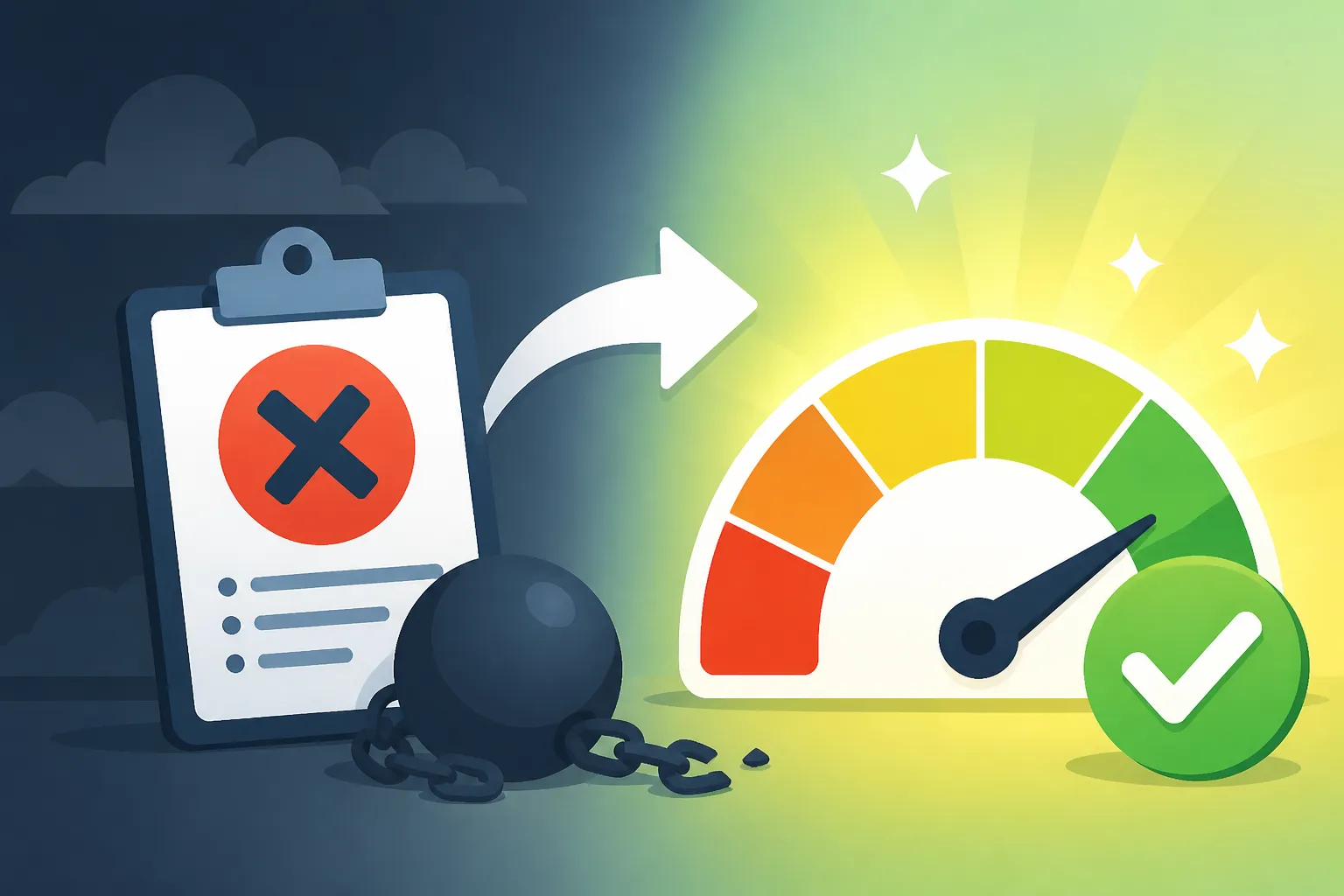
On the other hand, if a collection account is removed from your credit report, it means the entry is gone completely, as if it never happened. This is the gold standard for credit repair. If the collection is removed, it can no longer be factored into any credit scoring model, regardless of its version. Achieving removal is much more impactful for your credit score than simply getting it marked as paid. This is why strategies like "Pay for Delete" (which we'll discuss next) are so sought after—they aim for outright removal. You might also find it helpful to understand How Long Does a Collection Stay on Your Credit Report? when planning your approach.
Why Older FICO Models Still Hurt
It’s disheartening to pay off a debt only to find your score isn't soaring. The reason often lies in the widespread use of older FICO models by many lenders. While newer FICO versions like FICO 9 and FICO 10 offer a kinder approach to paid collections, many major financial institutions and sectors still heavily rely on older scoring algorithms.
For instance, when you apply for a home loan, many mortgage lenders use FICO Score 2, 4, or 5 (also known as FICO Classic or mortgage-specific FICO scores). These models are notoriously rigid and don't care if you've paid off a collection; the damage is done simply by its initial appearance on your report. Similarly, some auto lenders might use FICO Auto Score versions that also weigh collections heavily. This means even if your consumer-facing score from a free app shows improvement, the scores actually used by the lenders you care about for big purchases might not.
This reliance on older models underscores why just paying off a collection isn't always the magic bullet for your credit score. It's a critical piece of information to be aware of when you're strategizing how to tackle these negative entries, ensuring you set realistic expectations about the immediate impact.
Strategies Beyond Just Paying: What You Can Do
Knowing that simply paying off a collection might not give you the credit score boost you hope for can be frustrating. However, you're not powerless! There are proactive steps and negotiation tactics you can employ to potentially maximize the positive impact or even remove the collection entirely.
The Pay-for-Delete Strategy
One of the most talked-about strategies for dealing with collections is the "Pay for Delete" agreement. This isn't a guaranteed option, but it's certainly worth exploring. The premise is simple: you offer to pay the collection agency the full amount or a negotiated lesser amount, in exchange for them agreeing to remove the collection account entirely from your credit report.
It’s crucial to understand that collection agencies are not legally obligated to remove accurate, verifiable collection accounts from your report, even if you pay them. However, they are often willing to negotiate, especially if it means securing payment on a debt they might otherwise struggle to collect. The key is to get this agreement in writing before you make any payment. Do not, under any circumstances, pay first and then ask for deletion. You want a clear, signed agreement stating that upon receipt of payment, they will contact all three major credit bureaus (Equifax, Experian, and TransUnion) to have the account deleted from your report. If you're serious about this approach, read up on Pay for Delete: Does It Really Work? for detailed steps.
Disputing Inaccurate Collections
Before you even consider paying a collection, you must verify its accuracy. Credit reports are notoriously prone to errors, and a collection account might appear due to identity theft, incorrect reporting, or simply being a debt that isn't yours.
If you suspect an error, you have the right to dispute the information with the credit bureaus and the collection agency. You'll need to send a dispute letter, clearly stating why you believe the information is inaccurate and providing any supporting documentation you have. The credit bureaus then have 30 to 45 days to investigate your claim. If the collection agency cannot verify the debt or if they don't respond to the bureau's inquiry, the collection account must be removed from your report. This is why disputing can be incredibly powerful – it targets removal, not just a "paid" status. For a step-by-step guide, check out How to Dispute Credit Report Errors (Step-by-Step).
Debt Validation: Your Right to Verify
Closely related to disputing, and often a precursor, is the process of debt validation. The Fair Debt Collection Practices Act (FDCPA) gives you the right to demand that a debt collector provide proof that you actually owe the debt and that they have the legal right to collect it.
Within 30 days of first being contacted by a collection agency, you should send a debt validation letter. This isn't an admission of guilt; it's simply a request for them to prove the debt is yours and that the amount is correct. If they fail to provide adequate proof—which can happen if the debt has been bought and sold multiple times and documentation is lost—they cannot continue collection activities and should remove the account from your credit report. This process can be a powerful tool, especially for older or particularly shady collection accounts. Understanding What Is Debt Validation and How to Request It can empower you significantly in these situations.
The Nuances of Credit Reporting and Time
Credit reporting is a complex beast, and understanding how time plays a role in the impact of collections is vital. It's not just about what's on your report, but how long it's been there.
How Long Collections Stay on Your Report
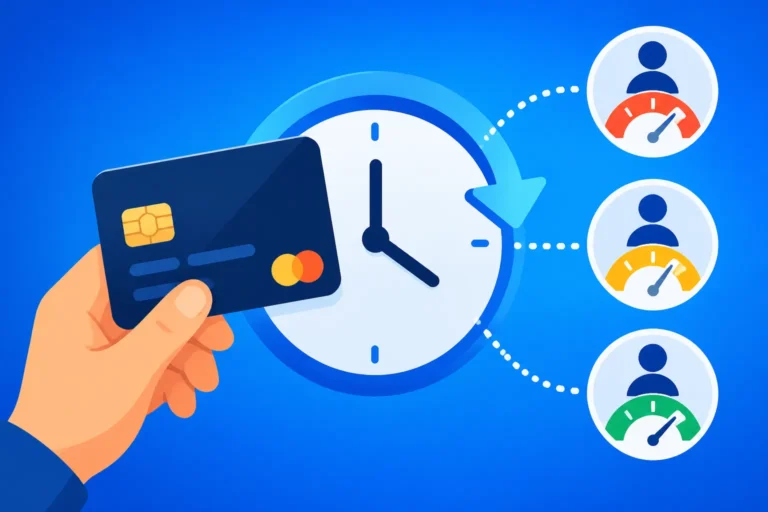
By law, most negative items, including collection accounts, can remain on your credit report for approximately seven years. This seven-year period is generally measured from the "Date of First Delinquency" (DOFD) on the original account that went into collection, not from when the collection agency acquired it or when you made a payment to the collection agency.
This is a critical distinction. Making a payment on an old collection often does not reset the seven-year clock for credit reporting purposes, contrary to a common myth. However, it's worth noting that if you enter into a payment plan, some collection agencies might report new activity dates, which can confuse the issue. The key takeaway is that eventually, even if you do nothing, the collection will fall off your report. The goal, however, is often to mitigate its damage before that full seven years passes.
The Diminishing Impact Over Time
While a collection account stays on your report for about seven years, its negative impact on your credit score isn't constant. Think of it like a bruise: it’s most painful and noticeable right after it happens, but it fades over time.
Newer collections have the most significant negative impact because they indicate very recent financial distress. As a collection account ages, its influence on your score gradually diminishes. A collection that's six years old will still be there, but it will likely hurt your score less than a collection that's only six months old. Lenders typically view more recent derogatory marks as a higher risk indicator. This doesn't mean you should ignore old collections, especially if they are preventing you from qualifying for a mortgage or a car loan, but it helps put their severity into perspective.
Table: Impact of Paid vs. Unpaid Collections by FICO Version
Here's a quick reference table to help visualize how different FICO scoring models treat paid and unpaid collection accounts. This often clears up why your score might not jump after paying:
| FICO Score Version | Treatment of Paid Collections | Treatment of Unpaid Collections | Common Use Cases |
|---|---|---|---|
| FICO Score 8 | Generally hurts score | Significantly hurts score | Most common credit cards, personal loans |
| FICO Score 9 | Ignored (does not hurt score) | Significantly hurts score | Some personal loans, newer credit products |
| FICO Score 10 | Ignored (does not hurt score) | Significantly hurts score | Emerging use, limited lenders |
| FICO Auto Score | Generally hurts score | Significantly hurts score | Auto loans |
| FICO Bankcard Score | Generally hurts score | Significantly hurts score | Credit card applications |
| FICO Mortgage Scores (2, 4, 5) | Generally hurts score | Significantly hurts score | Mortgage lending |
As you can see, unless a lender specifically uses FICO 9 or 10, simply paying off a collection may not provide the immediate score boost you might expect.
Rebuilding Your Credit After Collections
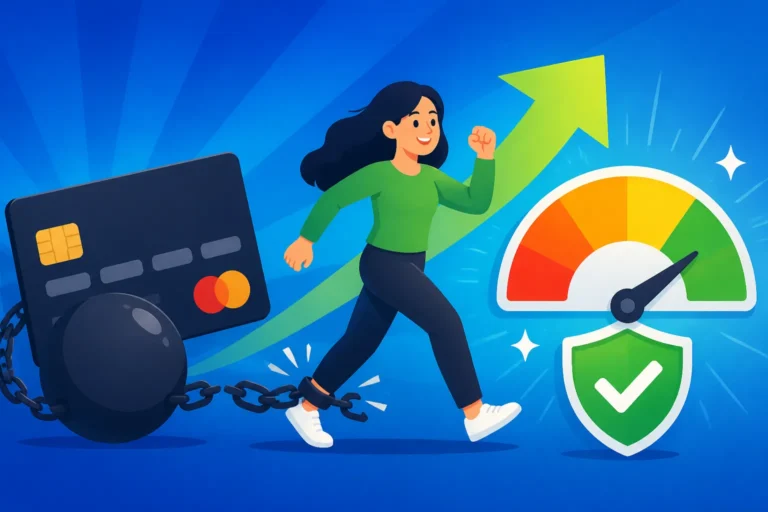
Even with a collection on your report, the path to a better credit score is absolutely within reach. It’s about being strategic and consistent in establishing new, positive credit behaviors.
Focus on Positive Credit Habits
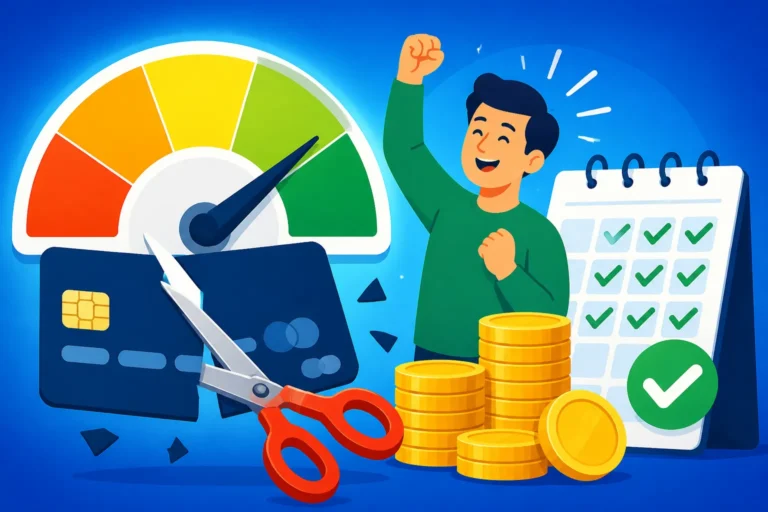
The most powerful tool you have for credit improvement is consistent positive payment history. Payment history makes up 35% of your FICO score, making it the single most important factor. This means paying all your bills on time, every time, moving forward. It sounds simple, but it’s foundational. Set up automatic payments, use calendar reminders, or whatever it takes to ensure you never miss a due date again.
Beyond timely payments, focusing on your credit utilization ratio is crucial. This refers to how much of your available credit you're using. Keep your credit card balances low – ideally below 30% of your credit limit on each card, and even better, below 10%. If you have a $1,000 credit limit, try to keep your balance under $300. High utilization signals risk to lenders, even if you pay on time. By diligently managing these two factors, you start to outweigh the negative impact of past collections with a strong record of current responsibility. For a deeper dive, check out What Affects Your Credit Score? The 5 Factors.
Tools to Build New Credit
To accelerate your credit rebuilding, you need to add positive accounts to your report. This means demonstrating responsible use of credit over time.
-
Secured Credit Cards: These are fantastic tools for people rebuilding credit. You put down a deposit, which typically becomes your credit limit. This deposit secures the card, reducing risk for the issuer, making them more willing to approve you even with past collections. Use it responsibly, making small purchases and paying the balance in full every month. After 6-12 months of good behavior, many secured card issuers will offer to convert it to an unsecured card and return your deposit. Discover and Capital One are popular choices in this space. Learn more about Secured Credit Cards: How They Build Credit.
-
Credit Builder Loans: These are specifically designed to help you build credit. You take out a small loan, but instead of getting the money upfront, it’s held in a locked savings account. You make monthly payments, which are reported to the credit bureaus. Once the loan is paid off, you get access to the money. It's a forced savings mechanism that simultaneously builds a positive payment history. Companies like Credit Strong and Self offer these types of loans. They can be incredibly effective because they report consistent, on-time payments to all three major credit bureaus, establishing a new positive tradeline. You can explore Credit Builder Loans Explained (Self, Kikoff & More) for more details.
-
Authorized User Status: If you have a trusted family member with excellent credit, they might be willing to add you as an authorized user on one of their credit card accounts. Their positive payment history and low utilization could then appear on your credit report, boosting your score. However, this relies on their responsible use, and you should only consider it with someone you trust implicitly.
By strategically adding and managing these types of accounts, you can start building a fresh, positive credit history that will gradually overshadow those old collections. The journey of How to Build Credit From Scratch (2026 Guide) is a marathon, not a sprint, but every positive step counts.
When Paying Off a Collection Makes Sense
Despite the nuances of credit scoring, there are very specific and compelling situations where paying off a collection account is not just advisable, but often necessary, even if it doesn't immediately send your credit score soaring.
For Future Lending Opportunities (Mortgages, Car Loans)
This is perhaps the biggest reason to pay off collections. While older FICO models might still penalize you for the presence of a collection, many lenders, especially for significant loans like mortgages or car loans, have internal policies that require all collection accounts to be paid in full before they will approve you.
Imagine you're applying for a mortgage. Even if your FICO score 8 is good enough for approval, a human underwriter reviewing your file will likely see any unpaid collections as a red flag. They might issue a condition that all collections must be paid or settled before the loan can close. This isn't about the score alone; it's about the lender's risk assessment and their internal guidelines. Similarly, for auto loans, an unpaid collection could lead to higher interest rates or a denial because it indicates outstanding debt obligations that could compete with your car payment. Paying it off demonstrates financial responsibility, even if the scoring model doesn't immediately reflect it with a huge point jump.
To Stop Collection Calls and Harassment
Beyond your credit score, there's the very real and often stressful issue of collection calls and harassment. Collection agencies are persistent, and while there are laws protecting you from abusive practices (like the FDCPA), the calls can still be a constant source of anxiety.
Paying off a collection account, or settling it for a lesser amount, will generally stop the collection calls related to that specific debt. This can bring immense peace of mind and significantly reduce the stress associated with debt. Remember, even if you dispute the debt, the collection agency might still attempt to contact you unless you specifically send them a cease and desist letter. While the primary goal of this article is credit score impact, the mental and emotional relief of resolving a collection should not be underestimated. Knowing How to Negotiate With Debt Collectors can really help here.
Preventing Lawsuits and Wage Garnishments
Perhaps the most severe consequence of an unpaid collection is the risk of a lawsuit. If a debt collector believes they have a strong case and you have assets or income they can pursue, they might sue you to collect the debt. If they win, they could obtain a judgment against you, which can lead to wage garnishment, bank account levies, or liens on your property, depending on your state's laws. A judgment is far worse for your credit than a collection account, as it can stay on your report for up to seven years, or even longer in some states.
Understanding the statute of limitations on debt in your state is crucial. This is the legal time limit within which a creditor or collector can sue you to collect a debt. If the debt is past the statute of limitations, they generally cannot sue you. However, paying even a small amount on an old debt can, in some states, restart the clock on the statute of limitations, making you vulnerable to a lawsuit again. Always consult with a legal professional if you are unsure about an old debt or the threat of a lawsuit. Generally, if a debt is within the statute of limitations and you have the means, paying it off can prevent a much more serious legal and financial headache down the road.
Disclaimer
This article provides general information about credit scores and collections and should not be considered financial or legal advice. Credit reporting rules and laws can be complex and vary by state. It is always recommended to consult with a qualified financial advisor or legal professional for advice tailored to your specific situation.