How Many Credit Cards Is Too Many?
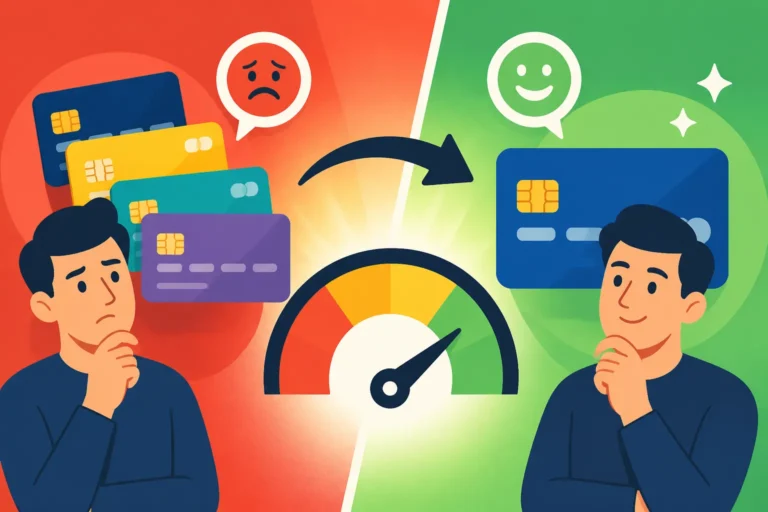
It's easy to feel overwhelmed when it comes to managing your finances, and the question of how many credit cards are too many is a common one that plagues so many of us. You might be worried about damaging your credit score, falling into debt, or simply losing track of all those statements. This guide aims to clear up the confusion and help you understand how different numbers of credit cards can impact your financial health, so you can find a balance that truly works for you.
The "Too Many" Conundrum: Understanding the Anxiety
For a lot of folks, the idea of having multiple credit cards brings a mix of fear and confusion. We've all heard stories, or perhaps even experienced firsthand, the pitfalls of credit card debt. This can lead to a really cautious approach, where you wonder if even a second or third card is pushing your luck. But often, the anxiety stems from common misconceptions rather than the actual mechanics of how credit works.
The Fear of Overwhelm
Let's be real, life is busy. Between work, family, and everything else, adding more financial accounts to manage can feel like juggling flaming torches. The thought of forgetting a payment due date, mixing up different interest rates, or missing a fraud alert on a card you barely use is enough to make anyone hesitant. It's not just about the money; it's about the mental load. You might envision a mountain of statements, different login portals, and the constant stress of ensuring every single payment is made on time. This fear is completely valid, especially if you've ever struggled with organization or had a close call with a late payment in the past. It’s a very human reaction to want to simplify things, and a single credit card often feels like the easiest path.
Misconceptions About Card Counts
There's a persistent myth out there that simply having too many credit cards inherently damages your credit score. Many people believe that credit bureaus frown upon a large number of open accounts, or that it signals desperation. However, the reality is far more nuanced. Credit scoring models like FICO and VantageScore don't penalize you just for the quantity of cards you possess. What they do care about is how you manage those cards. Are you making payments on time? How much of your available credit are you using? How long have your accounts been open? These factors weigh much more heavily than the sheer number of plastic rectangles in your wallet. It’s not the quantity, but the quality of your management that truly counts.
How Credit Bureaus See Multiple Credit Cards
Understanding how the major credit bureaus – Equifax, Experian, and TransUnion – evaluate your credit when you have multiple cards is key to managing your financial health effectively. It's not a simple tally; it's about a complex interplay of various factors, some of which can actually be positively influenced by having more cards, provided you manage them wisely.
Credit Utilization Ratio
This is arguably one of the most significant factors, accounting for about 30% of your FICO score. Your credit utilization ratio is the amount of credit you're currently using compared to your total available credit across all your revolving accounts. For example, if you have one credit card with a $5,000 limit and you owe $2,500, your utilization is 50%. This is considered high and can negatively impact your score.
Now, imagine you have five cards, each with a $5,000 limit, for a total available credit of $25,000. If you still owe that same $2,500, but it's spread across these five cards or simply reflects a small portion of your overall limit, your utilization drops to a much healthier 10% ($2,500 / $25,000). So, paradoxically, having more credit cards, and thus a higher total credit limit, can actually help you maintain a lower credit utilization ratio, assuming you don't increase your spending proportionately. This is why learning to monitor your Credit Utilization: The Complete Guide is so crucial. Many experts suggest keeping your overall utilization below 30%, and ideally, below 10% for the best scores.
Average Age of Accounts
The length of your credit history contributes to about 15% of your FICO score. This factor looks at the average age of all your open credit accounts. When you open a new credit card, it naturally lowers your average age of accounts, even if you have several older cards. For instance, if you have one card that's 10 years old and you open a brand new one, your average age immediately drops to 5 years. This temporary dip is a common reason why some people see their credit score dip slightly after opening a new card.
However, this effect is usually temporary and less impactful over the long term, especially if you continue to maintain positive payment history and keep your older accounts open. The key is balance. You don't want to constantly open new cards if your goal is to maximize the average age. But adding a new card every few years as part of a strategic plan, especially when building credit, won't permanently derail your efforts. It's important to remember that this factor looks at average age, so a mature credit profile with several long-standing accounts can absorb a new account much better than a sparse profile.
Credit Mix and Diversity
Your credit mix, which accounts for about 10% of your FICO score, refers to the different types of credit you have. Lenders like to see that you can responsibly manage various kinds of debt, such as revolving credit (credit cards) and installment credit (mortgages, car loans, personal loans, or even a credit builder loan). Having a diverse mix shows you're a well-rounded borrower.
If all you have are one or two credit cards, your credit mix might not be as robust as it could be. Adding another credit card, or even considering a credit builder product from a company like Credit Strong, could help diversify your portfolio and show lenders you're capable of handling different forms of credit. This isn't about collecting cards for the sake of it, but about strategically demonstrating financial responsibility across different credit products. For individuals who are just starting to build their credit, focusing on a good credit mix with a secured card and perhaps an installment loan from a provider like Credit Strong can be a powerful way to establish a solid foundation.
When More Cards Can Be Beneficial
While the fear of too many credit cards is understandable, there are legitimate scenarios where having multiple cards can actually be quite advantageous for your financial well-being. It's not about reckless spending, but about strategic management and leveraging the benefits different cards offer.
Strategic Rewards and Benefits
One of the most compelling reasons to have more than one credit card is to maximize rewards. Many cards offer specialized benefits that can add up significantly if used correctly. For instance, you might have one card that gives 5% cash back on groceries and gas, another that offers excellent travel points on dining and airfare, and a third with a low-interest rate for unexpected large purchases that you plan to pay off over a few months.
Imagine a scenario: you use your "rewards" card for daily purchases that fall into its bonus categories, accumulating points or cash back for things you'd buy anyway. Then you have a separate "emergency" card with a high credit limit and a strong fraud protection program, kept for unexpected expenses, or even just tucked away for peace of mind. By strategically using different cards for different types of spending, you can optimize your savings and enjoy perks like travel upgrades, statement credits, or enhanced consumer protections. This approach requires discipline, but the benefits can be substantial, allowing you to essentially get paid for your everyday spending.
Emergency Fund Access
Even if you have a robust savings account, a credit card (or two) can serve as an invaluable backup for unexpected emergencies. Picture this: your car breaks down, or a sudden home repair crops up, and your liquid savings are tied up in an investment account or simply aren't quite enough for the immediate need. Having a credit card with available credit can bridge that gap, allowing you to cover the cost without dipping into other crucial funds or incurring late fees elsewhere.
This isn't an invitation to live beyond your means, but rather a safety net. The key is to have a plan to pay off any emergency charges quickly, ideally before interest accrues. For this purpose, a card with a higher credit limit can be particularly useful. When evaluating if you have too many cards, consider if you have enough readily available credit for true emergencies without jeopardizing your ability to pay. It offers a layer of financial security that a single card might not provide, especially if that single card has a lower limit or is already carrying a balance.
Boosting Your Credit Limit and Lowering Utilization
As we discussed with Credit Utilization: The Complete Guide, a higher total credit limit can be a secret weapon for maintaining a healthy utilization ratio. When you have more available credit across multiple cards, your existing balances automatically represent a smaller percentage of that total. This can be particularly helpful if you find yourself occasionally carrying a balance, even if it's just temporarily.
For example, if you have one card with a $5,000 limit and carry a $1,500 balance, your utilization is 30% – right at the edge of what's considered good. But if you also have two other cards, each with a $5,000 limit, your total available credit jumps to $15,000. That same $1,500 balance now represents only 10% utilization, which is excellent for your credit score. This doesn't mean you should go apply for cards just for the limits, but if you're actively trying to raise your score, increasing your total available credit is a proven strategy. It essentially gives you more wiggle room without having to reduce your current spending, allowing your existing balances to appear less impactful on your score. Companies like Credit Strong, while primarily known for their credit builder loans, can help you establish a positive payment history and expand your credit profile, which can indirectly lead to higher limits on future revolving credit products.
The Downsides and Risks of Too Many Credit Cards
While there can be benefits to having multiple credit cards, it's absolutely essential to acknowledge the potential downsides and risks. For many, these risks outweigh the rewards, especially if financial discipline isn't consistently maintained. It's a fine line to walk, and understanding where that line is for you personally is paramount.
Debt Accumulation and Overspending
This is, without a doubt, the biggest and most common pitfall of having too many credit cards. Each additional card represents another opportunity to spend money you don't actually have. The temptation to "just put it on the other card" can be incredibly strong, especially when one card is nearing its limit. This can lead to a dangerous cycle of accumulating debt across multiple accounts, making it feel impossible to ever get ahead. Before you know it, you're making minimum payments on several cards, barely chipping away at the principal, and watching interest charges pile up.
It’s easy to rationalize a new purchase when there’s an open credit line available, leading to what many call "credit creep." This is where your monthly expenses slowly increase because you're using credit as an extension of your income. What starts as a convenient way to manage expenses can quickly spiral into overwhelming debt, leading to stress, missed payments, and a plummeting credit score. The goal is to avoid getting into a situation where you need to research How to Pay Off Credit Card Debt Fast because you've become buried under multiple balances.
Annual Fees and Hidden Costs
Many desirable credit cards, especially those with generous rewards programs, come with annual fees. While a $95 or $150 annual fee might seem reasonable for a single premium card that offers significant benefits, imagine having four or five such cards. Suddenly, you're paying hundreds of dollars each year just for the privilege of holding the cards, regardless of whether you're actively using them or maximizing their benefits. These fees can quickly erode any rewards you earn, turning a perceived benefit into an unnecessary expense.
Beyond annual fees, there are other hidden costs: foreign transaction fees if you travel, late payment fees if you miss a due date, or cash advance fees. While these are usually avoidable with careful management, the more cards you have, the higher the chances of incurring one of these fees accidentally. Even if a card initially boasts no annual fee, always read the fine print; sometimes these change after an introductory period, or they might have other charges you're not anticipating.
Fraud and Identity Theft Risk
Every credit card you possess represents another piece of your financial identity that could potentially be compromised. While credit card companies have robust fraud protection measures, managing multiple cards means you have more accounts to monitor for suspicious activity. If one card is stolen or its number is skimmed, it's a hassle. If multiple cards are compromised, the headache and stress multiply significantly.
Checking multiple statements and login portals regularly to spot fraudulent charges can become a time-consuming chore. And if you're not diligent, a small fraudulent charge on an infrequently used card could go unnoticed for weeks, giving fraudsters more time to exploit your information. This is why it’s so important to regularly check your How to Read Your Credit Report 2026 Guide and statements from all your cards, not just the primary ones.
Administrative Burden
Let's face it: managing finances takes effort. The more credit cards you have, the more due dates you have to remember, the more statements you have to review, and the more passwords you have to keep track of. Even with autopay and digital statements, the sheer volume of accounts can become an administrative burden. Forgetting just one payment date among a stack of cards can lead to a late payment fee and a negative mark on your credit report, which can significantly damage your score.
This increased complexity can also make it harder to get a clear picture of your overall financial standing. It's much simpler to track spending and debt when you have fewer accounts to consolidate. This burden is a very real factor that can lead to mistakes, even for financially savvy individuals. Before you consider adding another card, ask yourself if you genuinely have the time and mental capacity to responsibly manage an additional account without adding undue stress or increasing the risk of errors.
Finding Your Personal "Sweet Spot"
There's no magic number for how many credit cards are "too many" or "just right." What works for one person might be disastrous for another. The real trick is finding your personal sweet spot—the number of cards that empowers your financial goals without overwhelming your ability to manage them responsibly.
Assessing Your Financial Discipline
Before even thinking about an arbitrary number, take a brutally honest look at your financial discipline. Are you someone who consistently pays bills on time, never carries a balance, and regularly monitors your spending? Or do you often find yourself scrambling to make minimum payments, occasionally missing due dates, or struggling with impulse purchases? Your level of self-control and organizational skills are far more important than any general guideline.
If you know you tend to overspend, or you struggle with keeping track of multiple due dates, then having fewer credit cards is almost certainly a better path for you. One or two cards that you manage flawlessly will do far more for your credit score and financial peace of mind than five cards that lead to late payments and mounting debt. On the other hand, if you're meticulous with your budget, always pay in full, and enjoy optimizing rewards, then a higher number of cards might be a strategic advantage. Be realistic about your own habits and don't try to force yourself into a system that isn't compatible with your current discipline.
The "Rule of Thumb" Versus Your Reality
You might hear a common "rule of thumb" that suggests 2-3 credit cards are ideal, or that anything over 5 is pushing it. These are just generalizations. For someone with a long, impeccable credit history, a high income, and excellent organizational skills, having 7-10 credit cards could be perfectly manageable and even beneficial for maximizing rewards and keeping utilization low. Conversely, for a young adult just starting out, even 2 cards might feel like a lot.
What truly matters is your ability to maintain a pristine payment history across all your accounts and keep your How Much of Your Credit Limit Should You Use? low. If you can do that with one card, great! If you can do it with five, that's also great. The "right" number is the one that allows you to pay on time, every time, and keep your balances in check without causing undue stress or leading to debt. This might evolve over time, too. As you gain more financial confidence and experience, you might find you can comfortably handle more accounts. For individuals working to establish a positive credit history, starting with foundational products like a secured credit card or a credit builder loan, such as those offered by Credit Strong, is often more beneficial than jumping straight to multiple traditional credit cards.
Practical Tips for Managing Multiple Credit Cards
So, you've assessed your financial discipline, and you feel confident that you can handle more than one or two credit cards. That's fantastic! But just because you can doesn't mean you shouldn't be strategic about how you manage them. Here are some practical tips to keep everything running smoothly and keep your credit score in tip-top shape.
Automation and Organization
If you're going to have multiple credit cards, automation and organization are your best friends. First, set up automatic payments for at least the minimum amount due on every card. This acts as a critical safety net, ensuring you never miss a payment due date, which is paramount for your credit score. Ideally, you want to pay the full statement balance each month to avoid interest, but automating the minimum is a non-negotiable step to protect your payment history. You can then log in manually to pay the full balance if your budget allows.
Beyond automation, create a central system to track all your credit card information. This could be a simple spreadsheet, a budgeting app like Mint or YNAB, or even just a dedicated folder for physical statements (if you still receive them). Include due dates, credit limits, interest rates, and contact information for each card. Consider color-coding cards for different purposes (e.g., "rewards," "emergency," "business"). This organized approach reduces mental clutter and minimizes the risk of overlooking a crucial detail. Many people find tools that provide alerts for upcoming due dates or unusual spending patterns incredibly helpful.
Regular Credit Report Reviews
With more accounts comes a greater need for vigilance against errors and fraud. Make it a habit to regularly review your credit reports from all three major bureaus—Equifax, Experian, and TransUnion. You can get your free reports annually at AnnualCreditReport.com. These reports show all your open accounts, payment history, and inquiries. Looking at these reports helps you spot any discrepancies, such as an account you don't recognize, incorrect balances, or unauthorized hard inquiries.
Additionally, routinely check the statements for each individual credit card. Don't just glance at the total; scrutinize every transaction. Even small, unfamiliar charges could be a sign of fraud or a billing error. The sooner you catch these issues, the easier they are to resolve. Staying on top of your reports and statements is one of the best ways to protect yourself and ensure your credit profile accurately reflects your financial behavior. If you notice something amiss, remember you can How to Dispute Credit Report Errors Step-by-Step.
Closing Unused Cards and Its Implications
You might think that closing an unused credit card is a good idea to simplify your life, but it's not always the best move for your credit score. While it might reduce the administrative burden, closing an old, paid-off card can have two negative impacts:
- Reduced Total Available Credit: When you close a card, its credit limit is removed from your total available credit. This can instantly increase your credit utilization ratio, even if your balances haven't changed. For example, if you had a total limit of $20,000 across four cards and closed one with a $5,000 limit, your total available credit drops to $15,000. If you carried a $3,000 balance, your utilization would jump from 15% to 20%, potentially impacting your score.
- Decreased Average Age of Accounts: An old, established credit card contributes positively to the average age of your credit history. When you close that card, it eventually falls off your credit report (typically after 7-10 years), which can shorten your overall credit history and potentially lower your average age of accounts.
Before closing a card, especially an old one with a good payment history, weigh these factors carefully. If the card has a high annual fee and you're not getting enough value from it, closing it might be worth the temporary hit to your score. But for cards with no annual fee, often it's better to keep them open, even if you only use them for a small, recurring charge once a year to keep them active. This way, you maintain that valuable credit history and available credit. Consider discussing with a financial advisor or reading up on Does Closing a Credit Card Hurt Your Score? to make the best decision for your unique situation. For those who are newer to credit and building their history, products like a secured card or a credit builder loan from Credit Strong are designed to stay open and report positive payments, contributing to a longer, healthier credit history.
Pros and Cons of Having Multiple Credit Cards
| Feature/Factor | Having Fewer Credit Cards (1-2) | Having Multiple Credit Cards (3+) |
|---|---|---|
| Debt Management | Easier to track spending and balances, lower risk of accumulating widespread debt. | Higher temptation for overspending; managing multiple balances can lead to greater debt accumulation. |
| Credit Utilization | Lower total available credit means higher utilization if carrying any balance. | Higher total available credit can lead to lower utilization (if spending is controlled). |
| Payment History | Fewer due dates to remember, easier to maintain a perfect payment record. | More due dates and accounts to manage, increasing the risk of missed payments. |
| Credit Mix | Less diverse credit mix, primarily revolving credit. | Can contribute to a more diverse credit mix, especially when combined with installment loans (e.g., from Credit Strong). |
| Rewards/Benefits | Limited to the rewards and benefits of one or two cards. | Opportunity to maximize rewards across different spending categories and access various perks. |
| Annual Fees | Less likely to incur multiple annual fees, or easier to manage a single fee. | Higher potential for accumulating annual fees, eating into rewards. |
| Fraud Risk | Fewer accounts to monitor, simpler to detect and manage fraud. | More accounts to monitor, increasing the complexity and potential exposure to fraud. |
| Administrative Load | Minimal financial management overhead. | Significant administrative burden with multiple statements, logins, and due dates. |
| Credit Score Impact | Good if managed perfectly, but limited ability to optimize utilization or credit mix. | Can boost credit score through low utilization and diverse mix, but risky if not managed meticulously. |
| Emergency Access | Limited emergency credit if primary card is maxed or has a low limit. | Greater flexibility and backup credit for emergencies. |
Disclaimer
This article is for general informational purposes only and does not constitute professional advice. Laws, prices and regulations vary by location and change over time. Consult a qualified professional for guidance on your specific situation.