Does Consolidating Cards Onto One Hurt Your Score?
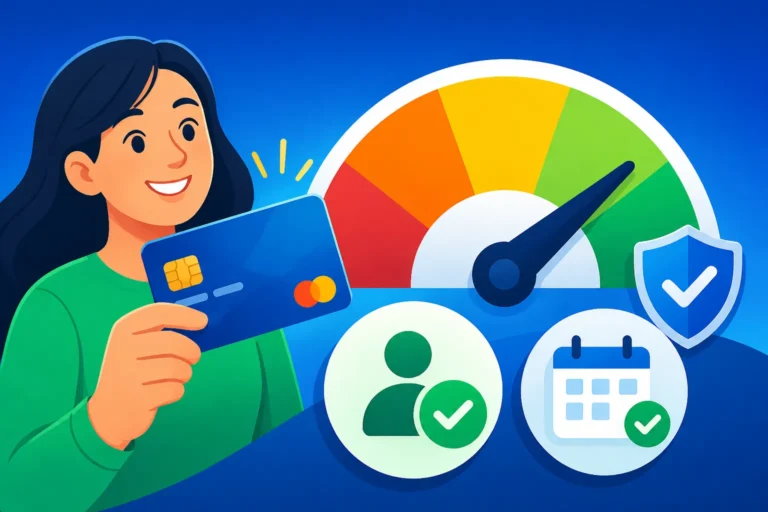
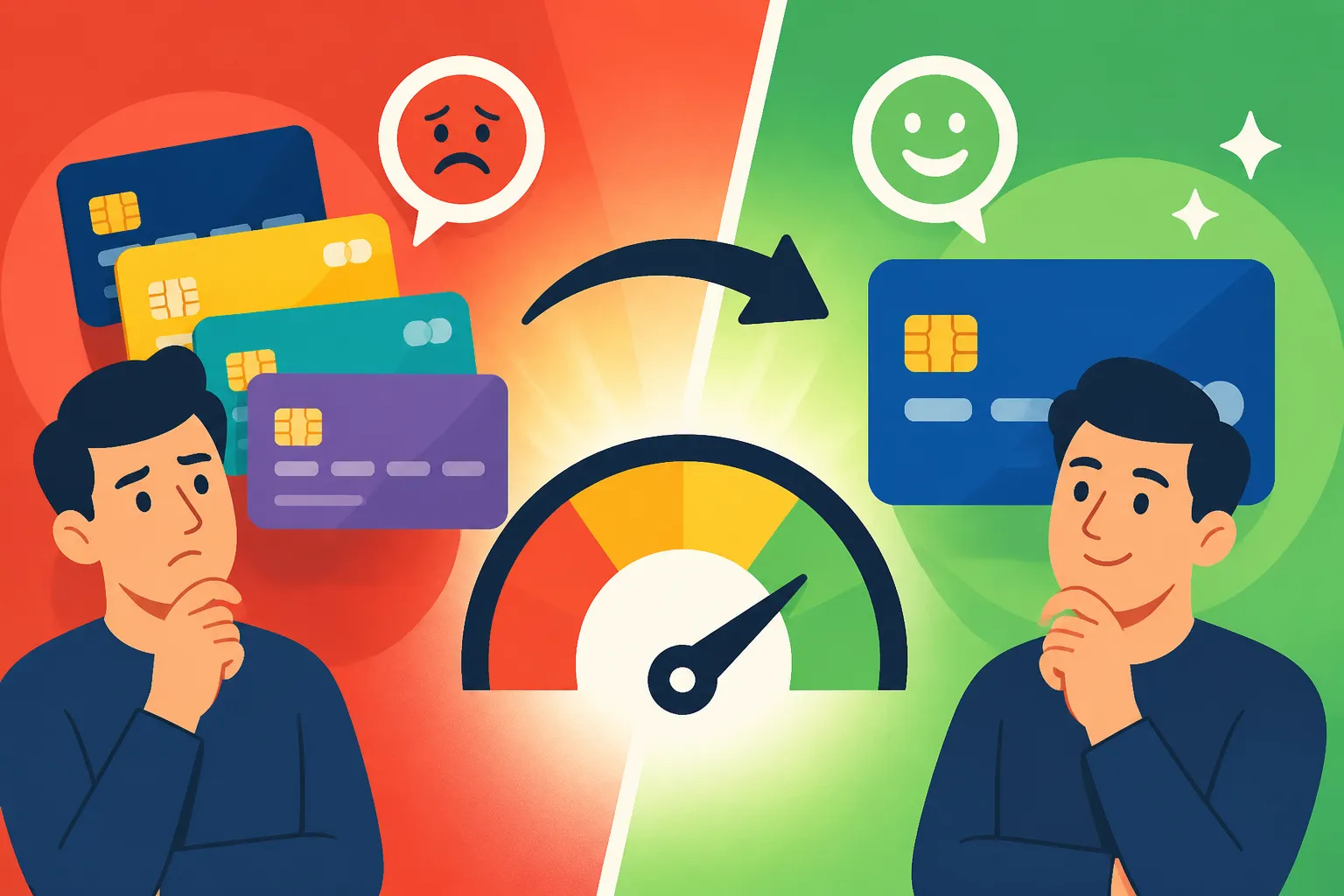
Juggling multiple credit card payments, each with its own due date and interest rate, can feel like a financial circus act. Many of us reach a point where we think, "There has to be an easier way to manage all this debt!" That's where credit card consolidation comes in, promising a simplified approach. But before you jump in, it's natural to wonder: does consolidating cards onto one actually hurt your credit score? This guide will dive deep into how consolidation impacts your credit, helping you navigate the process with confidence.
What Credit Card Consolidation Really Means
At its heart, credit card consolidation is about taking several individual debts and combining them into a single, new debt. The goal is almost always to simplify your finances, potentially lower your interest rate, and make it easier to pay off what you owe. But it's not a magic bullet; it's a strategic financial move that requires careful planning. People often turn to consolidation when they feel overwhelmed by the sheer volume of their credit card bills, or when high interest rates make paying down the principal seem impossible.
Different Avenues for Combining Debts
There isn't just one way to consolidate credit card debt. Each method has its own nuances, costs, and potential impact on your credit score. Understanding these differences is crucial for making an informed decision. The most common paths include balance transfer credit cards, personal loans, and debt management plans.
For instance, a balance transfer card might offer a 0% introductory APR for a set period, which sounds fantastic. However, you'll need a decent credit score to qualify for the best rates, and there's often a balance transfer fee, typically 3-5% of the transferred amount. If you don't pay off the transferred balance before the promotional period ends, the remaining balance will accrue interest at a much higher rate. This can be a great tool if you're disciplined and can pay off the debt quickly.
Another popular option is a personal loan, which is usually an installment loan with a fixed interest rate and monthly payment over a set term. Unlike a credit card, which is revolving debt, a personal loan has a clear end date. These loans can often offer lower interest rates than credit cards, especially if you have good credit, making them an attractive option for reducing the total cost of your debt. Lenders like Discover Personal Loans or SoFi often offer competitive rates for debt consolidation.
Finally, there are debt management plans (DMPs) offered by non-profit credit counseling agencies. In a DMP, the agency negotiates with your creditors to reduce interest rates and fees, creating a single, manageable monthly payment. While DMPs can significantly lower your payments and speed up debt repayment, they do require you to close your existing credit card accounts, which can have its own credit score implications that we'll discuss shortly.
The Allure and The Reality of Simplification
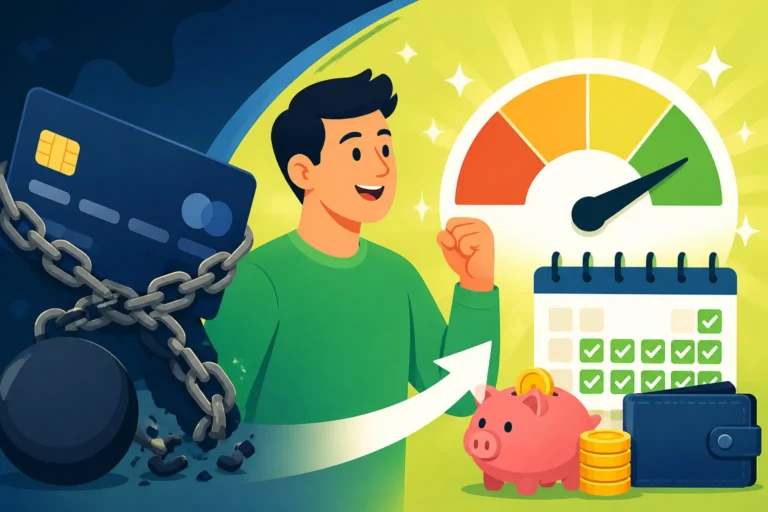
The idea of simplifying your financial life is incredibly appealing. Instead of remembering five different due dates and minimum payments, you have one. This can significantly reduce stress and the likelihood of missing a payment, which is a huge win for your credit score. Many people find the mental burden of multiple debts to be just as heavy as the financial burden, so streamlining can be a powerful motivator.
However, the reality is that consolidation doesn't erase your debt; it merely restructures it. It's like moving a pile of laundry from several small baskets into one big hamper – the laundry is still there, you just have a different way of looking at it. The success of consolidation truly hinges on your ability to stick to the new payment plan and, crucially, to avoid accumulating new debt on your now-empty credit cards. If you consolidate only to run up balances on your old cards again, you'll find yourself in an even deeper financial hole.
The Direct Impact on Your Credit Score Factors
Your credit score is a complex beast, influenced by several key factors. When you consolidate debt, you're essentially performing a financial maneuver that touches upon most, if not all, of these factors. Understanding how each piece of the puzzle reacts can help you predict and manage the outcome. The primary factors that influence your score are payment history, amounts owed (credit utilization), length of credit history, new credit, and credit mix.
Credit Utilization: The Double-Edged Sword
This is perhaps the most critical factor when it comes to consolidating credit card debt. Credit utilization refers to how much of your available credit you're using. For example, if you have a credit limit of $10,000 and you've used $3,000, your utilization is 30%. Keeping your utilization low – ideally below 30% on each card and overall – is vital for a healthy credit score.
When you consolidate credit card debt onto a new balance transfer card, your utilization on that new card might spike. If you transfer $10,000 onto a new card with a $12,000 limit, your utilization on that card will be around 83%. This high utilization on a single card can temporarily hurt your score, even if your overall utilization (across all your accounts) remains the same or improves. Conversely, if you consolidate with a personal loan, you're moving revolving debt (credit cards) to installment debt, which effectively drops your credit card utilization to zero on the old cards (assuming you pay them off), potentially giving your score a nice boost. This shift can be a significant positive influence on your score.
Account Age and New Credit: A Delicate Balance
Consolidation often involves opening new credit accounts, whether it's a new balance transfer card or a personal loan. This "new credit" activity can have a mixed impact on your score. Every time you apply for new credit, a hard inquiry is typically placed on your credit report. A few hard inquiries within a short period can slightly lower your score, as it suggests you might be seeking out new debt, which lenders sometimes view as a risk.
Additionally, the length of your credit history is another important factor. When you open a new account, it lowers the average age of all your credit accounts. If you have a long history of responsible credit use, this might be a minor blip. However, if your credit history is relatively short, adding a new, young account can have a more noticeable impact. This is why it's generally advised to keep older, unused accounts open if they don't have annual fees, as they contribute positively to your average account age. You can learn more about how closing a credit card hurts your score to understand this better.
Payment History and Credit Mix: Long-Term Benefits
The good news is that consolidation, when managed correctly, can be incredibly beneficial for two other crucial credit score factors: payment history and credit mix. Your payment history is the most important factor, making up 35% of your FICO score. By simplifying your payments into one, you significantly reduce the risk of missing a due date. Consistent, on-time payments on your consolidated debt will build a strong positive payment history, which is paramount for improving your score over time.
Furthermore, if you consolidate credit card debt with a personal loan, you're diversifying your "credit mix." Having a healthy mix of different types of credit – like revolving credit (credit cards) and installment credit (personal loans, mortgages, car loans) – is generally seen favorably by credit scoring models. It demonstrates that you can responsibly manage various types of debt, which can contribute to a higher score. For individuals looking to establish or rebuild their credit profile further, exploring options like a credit builder loan, such as those offered by Credit Strong, can also add a positive installment loan to their credit mix.
When Consolidating Could Cause a Temporary Dip (or More)
While the long-term benefits of debt consolidation for your credit score are often positive, it's crucial to be aware of the potential short-term downsides. These initial impacts can sometimes feel discouraging, but understanding them helps you prepare and mitigate their effects. It's not uncommon for your score to dip initially before it begins its ascent.
The Hard Inquiry Hit
As mentioned, applying for a new credit card or a personal loan typically triggers a "hard inquiry" on your credit report. This is when a lender pulls your full credit file to assess your creditworthiness. A single hard inquiry usually has a minor impact, often just a few points, and generally falls off your report after two years. However, if you apply for multiple consolidation options or other credit within a short timeframe, these inquiries can add up and cause a more noticeable drop in your score.
Think of it like this: if you apply for a personal loan and a balance transfer card within a couple of weeks, you might accumulate two hard inquiries. While not devastating, this can signal to other lenders that you're actively seeking new credit, which could be perceived as a higher risk. It's a small price to pay for a potentially significant long-term benefit, but it's important to be aware that your score might take a small, temporary hit.
Potential for High Utilization on the New Account
If you opt for a balance transfer credit card, you're essentially moving a large chunk of debt to a new credit line. Even if this new card has a higher limit than your old cards combined, the sheer volume of debt on that single card can result in a high credit utilization ratio for that specific account. For example, if you transfer $8,000 to a new card with a $10,000 limit, that's an 80% utilization on that specific card.
Even if your overall credit utilization goes down because your other cards are now paid off, the high utilization on a single account can still negatively impact your FICO score. Credit scoring models often look at both individual card utilization and overall utilization. This temporary spike on the new card can cause an initial drop in your score. The key here is to actively work on paying down that balance as quickly as possible to bring down that utilization.
Closing Old Accounts Too Soon
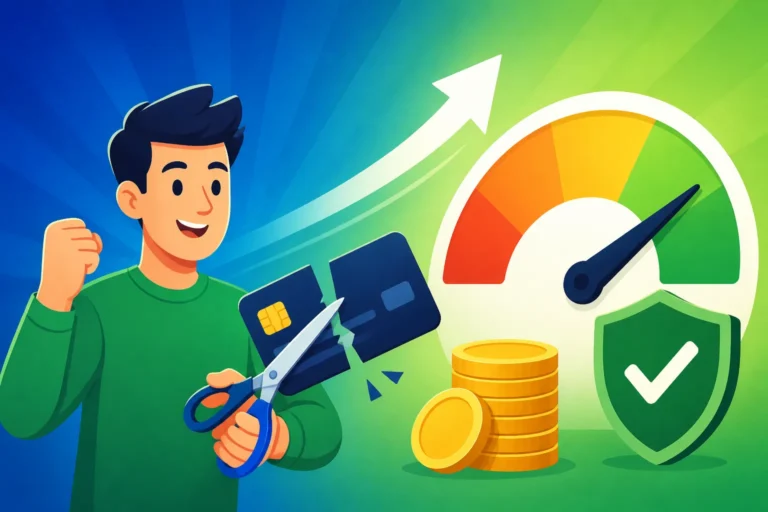
One of the most common mistakes people make after consolidating their credit card debt is immediately closing all their old accounts. While it might feel good to sever ties with the cards that got you into debt, doing so can actually harm your credit score. Firstly, closing an account reduces your total available credit. If your debt remains the same but your available credit shrinks, your credit utilization ratio will instantly increase, which is bad for your score.
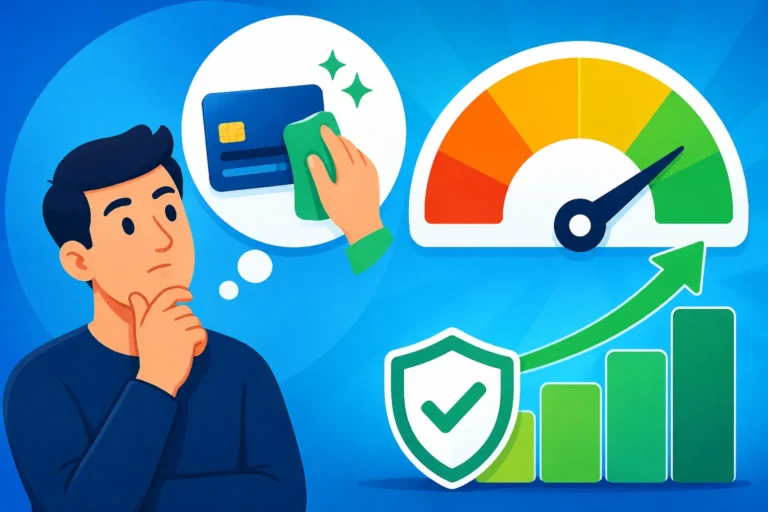
Secondly, the length of your credit history is a significant factor in your credit score. Your oldest accounts contribute positively to this average. When you close older accounts, you effectively shorten your average credit age, which can lead to a score drop. It's often better to keep older, paid-off credit card accounts open, especially if they have no annual fees. Just be sure to use them sparingly, perhaps for a small recurring payment that you pay off immediately, to keep them active and reporting positive payment history. This contributes to a robust credit profile and helps maintain a low overall credit utilization.
Strategies for a Credit-Savvy Consolidation
Consolidating your debt doesn't have to be a shot in the dark. With a thoughtful strategy, you can minimize the negative impacts on your credit score and maximize the long-term benefits. It's all about making informed choices and being disciplined throughout the process.
Choosing the Right Consolidation Tool for Your Situation
The best consolidation method for you depends heavily on your current credit standing, the amount of debt you have, and your financial discipline. If you have excellent credit and are confident you can pay off the transferred balance quickly, a 0% APR balance transfer credit card might be ideal. Look for cards with a long introductory period and low (or no) balance transfer fees. Remember that to qualify for the best balance transfer offers, you'll generally need a good credit score (typically 670 or higher).
If your credit score isn't perfect, or you prefer a predictable installment payment, a personal loan could be a better fit. These loans allow you to lock in an interest rate, know your exact monthly payment, and have a clear end date for your debt. Exploring options for personal loans can often provide a lower, fixed interest rate compared to revolving credit card debt, making your repayment journey more structured. Be sure to shop around and compare offers from different lenders to find the best terms for you. You can read more about how to pay off credit card debt fast using various strategies.
Keeping Old Credit Card Accounts Open (Wisely)
As we touched on earlier, resist the urge to immediately close your old credit card accounts once they're paid off through consolidation. Keeping them open maintains your total available credit, which helps keep your credit utilization ratio low. It also preserves the length of your credit history, especially if these are some of your oldest accounts.
However, "keeping them open wisely" is the key. Don't use them to rack up new debt. Consider putting a small, recurring charge on one or two of them, like a streaming service subscription, and setting up automatic payments to pay it off in full each month. This keeps the accounts active and reporting positive payment history to the credit bureaus without risking new debt. This approach can also help you maintain a good credit mix over time.
Building New Positive Credit History
After consolidating, you have a golden opportunity to build a stronger credit history. Your primary focus should be making all payments on your consolidated debt on time, every time. This consistent positive payment history is the single most impactful way to improve your credit score. Beyond that, consider diversifying your credit mix.
If you only have revolving credit (credit cards), adding an installment loan can be beneficial. This doesn't mean taking on more debt, but perhaps exploring products designed to build credit, like a credit builder loan. Companies like Credit Strong offer these, where you make payments into a savings account, and those payments are reported to the credit bureaus as an installment loan. Once the loan is paid off, you get access to the savings. This is a fantastic way to add positive payment history and a different type of credit to your profile, especially if you're looking to rebuild credit after collections or other negative marks. This strategy can complement your consolidation efforts by showing a broader range of responsible credit management.
The Long-Term Benefits of Responsible Consolidation
While the initial credit score dip from consolidation can be a concern, it's crucial to look at the bigger picture. When done responsibly, consolidating your credit card debt can pave the way for significant long-term financial health and a much-improved credit score. It's an investment in your financial future, not just a quick fix.
Easier Management, Fewer Missed Payments
One of the most immediate and profound benefits of consolidation is the simplification of your finances. No longer are you juggling five or six different credit card statements with varying due dates and minimum payments. Instead, you have one predictable payment to manage each month. This dramatically reduces the stress and mental load associated with debt.
With a single payment, the likelihood of missing a due date drops significantly. Missed payments are a huge red flag on your credit report and can severely damage your score. By making your financial obligations easier to manage, consolidation helps you build a solid track record of on-time payments, which is the most critical component of a healthy credit score. This consistent positive behavior is what truly moves the needle over time. You can learn more about how to pay off credit card debt with multiple cards and the benefits of streamlining.
Pathway to a Healthier Credit Profile
Successfully consolidating and then diligently paying off your debt lays the groundwork for a healthier credit profile. As your credit card utilization drops (especially if you used a personal loan to consolidate) and you consistently make on-time payments, your credit score will gradually begin to rise. This improvement opens doors to better financial opportunities.
Imagine qualifying for a lower interest rate on a car loan or even a mortgage because your credit score has improved. You might also gain access to premium credit cards with better rewards and benefits. Responsible consolidation isn't just about getting out of debt; it's about transforming your relationship with credit and setting yourself up for future financial success. It demonstrates to lenders that you are a reliable borrower, capable of managing your financial responsibilities effectively. If you're wondering how to raise your credit score, establishing a strong payment history through consolidation is a powerful method.
Credit Consolidation Methods at a Glance
Here's a quick comparison of the common credit card consolidation methods and their typical credit impacts:
| Consolidation Method | Key Feature | Typical Credit Impact (Initial) | Typical Credit Impact (Long-Term) | Best For… |
|---|---|---|---|---|
| Balance Transfer Card | 0% Intro APR (usually 12-21 months) | Hard inquiry, high utilization on new card, lowers average account age | Improved utilization (if paid off), positive payment history | Good credit, discipline to pay off debt during intro period |
| Personal Loan | Fixed rate, fixed payments, installment | Hard inquiry, new account lowers average age | Improved credit mix, lower credit card utilization, positive payments | Various credit scores, predictable payments, less temptation to re-spend |
| Debt Management Plan | Negotiated lower rates, one payment | Accounts closed (lowers utilization, average age), "DMP" noted on report | Improved payment history, reduced debt burden | Struggling with high interest, need structured support |
Disclaimer
The information provided in this article is for general informational purposes only and does not constitute financial, legal, or professional advice. It is essential to consult with a qualified financial advisor or credit counselor to discuss your specific financial situation and make informed decisions tailored to your needs. Credit scores and financial products can vary widely, and individual results may differ.