How to Pay Off Credit Card Debt While Still Using the Card
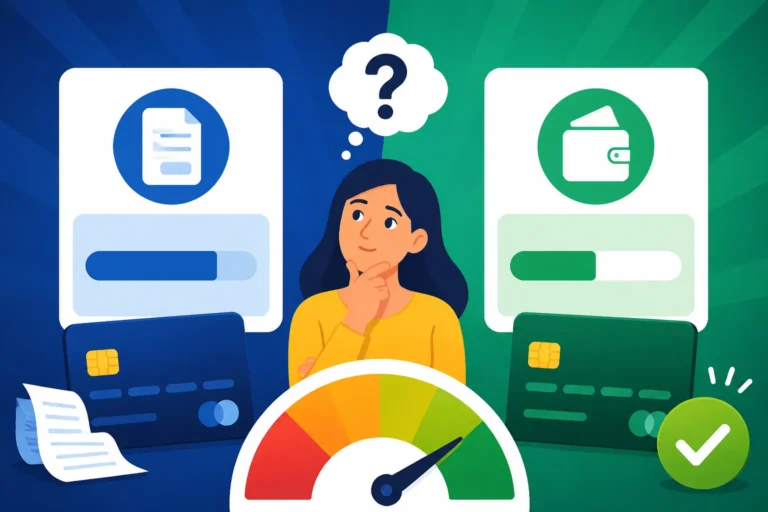
The struggle is real: you're committed to tackling your credit card debt, but then an unexpected expense pops up, or you just need to cover everyday necessities, and suddenly you're swiping that card again. It feels like one step forward, two steps back. This guide is for anyone caught in that frustrating loop, offering realistic strategies and practical advice on how to pay down your credit card debt effectively while still navigating the necessity of using your cards responsibly.
Understanding Why It's Tricky to Pay Off Debt While Still Using Your Card
It's not just a lack of willpower that makes paying off credit card debt while still using the cards so challenging. There are fundamental aspects of how credit cards and debt work that create a strong undertow, pulling you back into the cycle. Recognizing these forces is the first step toward developing a plan to counteract them.
The Cycle of Debt and Minimum Payments
One of the biggest traps with credit card debt is the alluring, yet ultimately destructive, nature of minimum payments. When you only pay the minimum amount due each month, a significant portion of that payment, sometimes even the majority, goes straight to interest. This means that the actual principal — the money you originally borrowed — barely shrinks. It’s like trying to empty a bathtub with a teaspoon while the faucet is still running. You feel like you're doing something, but the water level hardly drops, or in some cases, even slowly rises due to new purchases or compounding interest. This cycle can be incredibly demoralizing and make it feel impossible to get ahead, especially when you're also making new charges.
Imagine you have a $5,000 balance on a card with a 20% APR. If your minimum payment is just 2% of the balance, that's $100. Roughly $83 of that could be interest in the first month alone, leaving only $17 to reduce your principal. If you then put another $100 on the card, you've essentially negated your payment, and your balance remains stubbornly high. This isn't a reflection of your financial discipline; it's a design feature that benefits the lenders, keeping you engaged in a long-term, high-interest relationship. Breaking this cycle requires a deliberate shift in how you approach your payments.
Credit Utilization: A Double-Edged Sword
Credit utilization, or the amount of credit you're using compared to your total available credit, is a major factor in your credit score. Lenders and credit bureaus look at this ratio to assess how dependent you are on borrowed money. Generally, keeping your overall credit utilization below 30% is recommended, and many experts even suggest staying below 10% for optimal scores. When you're actively trying to pay down debt, your goal is to reduce your balances, which inherently lowers your utilization. But if you keep using your cards, even for small purchases, your utilization can creep back up.
For instance, if you have a card with a $2,000 limit and you pay it down from $1,500 to $500 (a fantastic win!), your utilization drops from 75% to 25%. That's great for your score. But if you immediately put $300 worth of groceries and gas on it, your balance is now $800, and your utilization is back to 40%. This constant fluctuation can be frustrating because it feels like you're constantly fighting against your own progress. Understanding how much credit utilization affects your score is key to navigating this delicate balance. You want to show lenders that you can manage credit, not that you're maxing out your available lines, which is often a red flag.
The Allure of Rewards and Convenience
Let's be honest: credit cards offer incredible convenience and tempting rewards. From cash back on everyday purchases to airline miles for that dream vacation, the benefits can be hard to resist. For many, a credit card is also the default payment method for online shopping, subscriptions, or simply avoiding carrying cash. The psychological draw of earning points or getting a percentage back can make it feel counterintuitive not to use your card, especially if you believe you'll pay it off quickly.
However, if you're carrying a balance, any rewards you earn are almost certainly outweighed by the interest you're paying. A 2% cash back reward on a purchase means very little if you're paying 20% interest on that same balance over several months. The convenience factor also plays a role in casual spending. It's much easier to tap a card than to consciously hand over cash, which creates a subtle detachment from the actual money being spent. This detachment can lead to overspending without even realizing it, making it even harder to pay off your accumulating debt.
Strategies for Mindful Card Use While Paying Down Debt
The key to successfully paying off debt while still using your credit cards isn't about complete abstinence, but rather about intentional, strategic use. It's about setting clear boundaries, developing new habits, and making every swipe count towards your financial goals, not against them.
The "One-Card" Rule and Its Variations
When you're serious about debt repayment, the idea of having multiple active credit cards can feel overwhelming and lead to accidental overspending. This is where the "one-card" rule comes in handy. The basic premise is simple: choose one credit card that you will use for all necessary expenses. This isn't your highest-interest card; ideally, it's a card with a relatively low balance, or perhaps one you designate solely for new, small purchases that you know you can pay off immediately.
Here's how it works:
- Designate Your Debt-Free Card: Pick one card. This should preferably be a card you can commit to paying off in full every single month. If you have a primary card with a manageable limit and good rewards, that might be it. If all your cards have high balances, consider using a different payment method for new expenses entirely, like a debit card, until you've cleared some debt.
- Freeze or Cut Up Other Cards: Seriously. If you're prone to impulse spending, physically remove your other credit cards from your wallet. Store them in a safe place at home, or better yet, cut them up (after transferring any necessary balances, of course!). The goal is to eliminate the temptation and simplify your financial landscape.
- Strict Adherence to Budget: The chosen card should only be used for essential, budgeted expenses – groceries, gas, utilities. No discretionary spending, no "just in case" purchases. If you can't pay off the new charges on this single card in full before the next statement cycle, then you shouldn't be using it. This is a crucial step to avoid new debt while working on old debt.
This disciplined approach helps you focus your efforts. By limiting your usage to one card and committing to paying off those new charges immediately, you prevent new debt from accumulating. This allows your larger payments to truly chip away at your existing high-interest balances, rather than simply treading water.
Setting a Strict Budget and Sticking to It
You can't pay off debt effectively without knowing exactly where your money is going. A budget isn't just a suggestion; it's your financial roadmap. And when you're trying to pay off debt while still using cards, a strict budget becomes even more critical.
- Track Everything: For a month, diligently track every single dollar you spend. Use an app, a spreadsheet, or even a pen and paper. This isn't about judgment, but about awareness. You'll likely be surprised by how much goes to "non-essentials" that you didn't even realize.
- Categorize and Allocate: Once you have a clear picture, categorize your spending: housing, food, transportation, utilities, debt payments, and discretionary. Then, allocate specific amounts to each category. Be realistic but firm. If your budget says $400 for groceries, that's your limit.
- Prioritize Debt Repayment: Make your credit card debt payments a non-negotiable line item, just like your rent or mortgage. In fact, prioritize paying more than the minimum. Every extra dollar you can throw at the principal will save you significantly more in interest over time. If you’re unsure how much to pay beyond the minimum, check out resources on how to pay off credit card debt fast.
- Identify Areas for Cuts: This is where the strictness comes in. Can you cut back on dining out, subscription services, or daily coffees? Even small cuts can add up, freeing up more money for debt repayment. Remember, this isn't forever, but a temporary sacrifice for long-term financial freedom.
Sticking to a budget means saying "no" to impulse buys and constantly evaluating if a purchase aligns with your debt repayment goals. It's about being intentional with every dollar, ensuring that your card usage reflects necessity and your commitment to becoming debt-free.
Paying Multiple Times a Month
This is a powerful, yet often overlooked, strategy. Instead of making one large payment at the end of your billing cycle, break it up and make smaller payments throughout the month, ideally every time you get paid.
Here's why this works wonders:
- Reduces Average Daily Balance: Credit card interest is typically calculated based on your average daily balance. By making payments more frequently, you lower that average balance sooner, which means less interest accrues over the course of the month. Even if you're making new purchases, reducing the balance as quickly as possible minimizes the interest impact.
- Frees Up Credit Limit Sooner: If you have a low credit limit and high utilization, paying multiple times a month can free up your available credit more quickly. This means you have more wiggle room for essential purchases without hitting your limit and potentially incurring over-limit fees or negatively impacting your credit score.
- Psychological Boost: Seeing your balance drop more frequently can be incredibly motivating. It reinforces positive financial habits and gives you a tangible sense of progress, rather than waiting weeks to see the impact of a single payment.
- Keeps Utilization Low: Remember how important credit utilization is? By paying down your balance more often, you ensure that the amount reported to the credit bureaus is generally lower, which can have a positive effect on your credit score. This is a smart way to manage your overall credit utilization: The Complete Guide.
For example, if you get paid bi-weekly, dedicate a portion of each paycheck to your credit card debt. If you owe $1,000 and typically pay $200 at month-end, try paying $100 with each paycheck. This small shift can make a noticeable difference in the interest you pay and the speed at which you reduce your debt.
Advanced Tactics for Accelerating Debt Repayment
Once you've mastered the art of mindful card usage, you can supercharge your debt repayment efforts with more structured and strategic approaches. These tactics help consolidate your focus and optimize the financial impact of your payments.
The Debt Snowball vs. Debt Avalanche Method
These are two popular and highly effective strategies for paying off multiple debts. The best one for you depends on your personality and how you stay motivated.
- Debt Snowball Method: This approach, popularized by financial guru Dave Ramsey, focuses on psychological wins. You list all your debts from the smallest balance to the largest, regardless of interest rate. You make minimum payments on all debts except the smallest one, on which you throw every extra dollar you can find. Once that smallest debt is paid off, you take the money you were paying on it (minimum payment + extra funds) and add it to the minimum payment of the next smallest debt. You continue this "snowballing" effect until all debts are paid. The advantage here is the rapid succession of small victories, which keeps you motivated to continue. While it might cost a little more in interest over time compared to the avalanche method, the psychological boost can be invaluable for long-term adherence.
- Debt Avalanche Method: This method is the mathematical opposite of the snowball. You list all your debts from the highest interest rate to the lowest. You make minimum payments on all debts except the one with the highest interest rate, on which you focus all your extra payments. Once that high-interest debt is gone, you move on to the next highest interest rate. This method saves you the most money in interest charges over time because you're attacking the most expensive debt first. It requires a bit more discipline and patience as the initial wins might not be as frequent or dramatic, but the financial savings are clear.
Choosing between the two depends on what keeps you going. If you need frequent wins to stay motivated, the snowball might be better. If you're a numbers person and driven by efficiency, the avalanche will save you the most money. Many people find success with either, as long as they stick with it. To really dive deep, you can explore the differences in Debt Snowball vs Debt Avalanche: Which Is Better?
Leveraging Balance Transfers Carefully
A balance transfer can be a powerful tool for accelerating debt repayment, especially if you have high-interest credit card debt. The core idea is to move balances from one or more high-interest credit cards to a new card that offers a 0% introductory APR for a set period, often 12 to 21 months.
Here’s how to use it strategically:
- Evaluate Eligibility and Fees: Balance transfer cards typically require a good credit score. You also need to be aware of balance transfer fees, which usually range from 3% to 5% of the transferred amount. Factor this fee into your calculations. For example, transferring $5,000 with a 3% fee means you'll pay $150 upfront.
- Commit to a Repayment Plan: A 0% APR period is a temporary reprieve, not a permanent solution. You must have a concrete plan to pay off the transferred balance entirely before the introductory rate expires and the regular (often high) APR kicks in. Divide the transferred amount by the number of months in the 0% period to determine your required monthly payment.
- Avoid New Debt: This is paramount. Do not use the new balance transfer card for new purchases. Also, resist the temptation to run up balances on the old cards you just emptied. If you do, you'll end up with even more debt across multiple cards. You can learn more about how balance transfer cards work to see if this is a viable option for your situation.
While a balance transfer can save you hundreds or even thousands in interest, it requires extreme discipline. If you can commit to paying off the transferred balance before the promotional period ends, it can significantly speed up your journey to becoming debt-free.
Considering Credit Builder Tools
Even when focused on debt repayment, it's essential to keep an eye on your overall credit health. Tools designed to help you build or maintain credit can indirectly support your debt reduction goals by improving your credit score, which might eventually qualify you for better interest rates or financial products.
- Secured Credit Cards: These cards require a cash deposit, which typically becomes your credit limit. They are easier to get for those with fair or limited credit. Using one responsibly—making small purchases and paying them off in full each month—can help build positive payment history without adding to your high-interest debt burden. They are a great way to show consistent, responsible credit behavior.
- Credit Builder Loans: These aren't like traditional loans where you get money upfront. Instead, the loan amount is held in a locked savings account while you make monthly payments. Once the loan is paid off, you receive the money. The payments are reported to the credit bureaus, helping you establish a positive payment history. Companies like Credit Strong offer these types of loans, providing a structured way to build your credit history by making on-time payments, which is a major factor in your credit score. This can be a smart move if you're struggling with a thin credit file or need to demonstrate consistent financial responsibility.
- Reporting Alternative Payments: Services like Experian Boost or similar offerings from other bureaus allow you to add on-time utility and telecom payments to your credit report. This can give your score a quick lift by reflecting more positive payment history.
Using these tools doesn't directly pay off your existing high-interest debt, but they bolster your credit profile. A stronger credit score can open doors to better financial products, like personal loans with lower interest rates for debt consolidation, which could further accelerate your debt repayment journey. Understanding how to build credit from scratch, or how to maintain it, is a vital part of your overall financial strategy.
The Psychological Aspect of Debt and Usage
Paying off credit card debt, especially while still needing to use your cards, isn't just a numbers game; it's a mental one. The emotional toll of debt can be immense, leading to stress, frustration, and feelings of hopelessness. Addressing the psychological side is just as important as the practical strategies.
Building New Habits and Discipline
Breaking free from the debt cycle means dismantling old habits and building new, healthier ones. This requires consistent effort and self-awareness.
- Mindful Spending: Before every purchase, ask yourself: "Do I need this, or do I want this?" If it's a want, ask: "Does this align with my debt-free goal?" This pause helps you make intentional decisions rather than impulse buys. When using your designated credit card, treat it like a debit card – only spend what you know you have in your bank account to cover immediately.
- Delayed Gratification: Learn to postpone non-essential purchases. If you see something you want, wait 24-48 hours. Often, the urge passes, or you realize it wasn't as critical as you initially thought. This practice strengthens your financial discipline.
- Automate Payments: Set up automatic payments for at least the minimum amount on all your credit cards, and if possible, automate additional payments towards your target debt. This ensures you never miss a payment, protecting your credit score and avoiding late fees. Automation removes the mental burden and reduces the chance of human error.
- Review Your Progress Regularly: Dedicate time each week or month to review your budget, check your credit card statements, and monitor your debt balances. Seeing the numbers change, even slowly, reinforces your efforts and helps you identify areas where you can improve. This regular check-in makes your financial goals feel more tangible and less abstract.
Building new habits takes time and repetition. Don't get discouraged by occasional slip-ups. Acknowledge them, learn from them, and get back on track. Consistency, not perfection, is the key to lasting change.
Celebrating Small Wins and Staying Motivated
The journey to becoming debt-free can feel long and arduous. It's crucial to acknowledge and celebrate your progress along the way to maintain momentum and motivation.
- Set Mini-Goals: Instead of just focusing on the huge mountain of total debt, break it down into smaller, achievable milestones. Maybe it's paying off $500, or eliminating one small credit card entirely. When you achieve these mini-goals, you get a boost of dopamine that reinforces your positive behavior.
- Acknowledge Your Efforts: It's tough to make sacrifices. Recognize the hard work you're putting in. Pat yourself on the back for sticking to your budget, for saying "no" to that impulse purchase, or for making an extra payment. These small acts of self-acknowledgment keep your spirits up.
- Non-Monetary Rewards: When you hit a significant milestone, reward yourself with something that doesn't involve spending money you don't have. This could be a special movie night at home, a long hike, an afternoon with a good book, or a visit with friends. The idea is to associate positive feelings with your progress without derailing your financial plan.
- Visualize Your Future: Regularly remind yourself why you're doing this. Is it to buy a house, save for retirement, or simply eliminate financial stress? Keeping your long-term vision in mind can be a powerful motivator when the going gets tough.
Debt repayment is a marathon, not a sprint. There will be good months and challenging months. By incorporating these psychological strategies, you build resilience and ensure that you remain committed to your goal, even when you have to balance debt reduction with necessary credit card use.
Here's a comparison of the two primary debt repayment strategies:
| Feature | Debt Snowball Method | Debt Avalanche Method |
|---|---|---|
| Strategy | Pay smallest balance first, then next smallest. | Pay highest interest rate first, then next highest. |
| Primary Benefit | Psychological momentum, quick wins, motivation. | Saves most money in interest charges. |
| Best For | Those who need frequent motivation and quick results. | Those who are numbers-driven and patient. |
| Cost | May pay more in total interest. | Pays least in total interest. |
| Focus | Balance size. | Interest rate. |
| Example | Pay off a $500 card, then roll payment into a $1,000 card. | Pay off a 25% APR card, then a 20% APR card. |
No matter which strategy you choose, consistency is key. Keep making those payments, stay disciplined with your mindful card use, and you'll steadily move toward a debt-free future. If you want a full step-by-step guide, check out how to get out of credit card debt.
Disclaimer
This article is for general informational purposes only and does not constitute professional advice. Laws, prices and regulations vary by location and change over time. Consult a qualified professional for guidance on your specific situation.