How to Pay Off $25,000 in Credit Card Debt in 1 Year
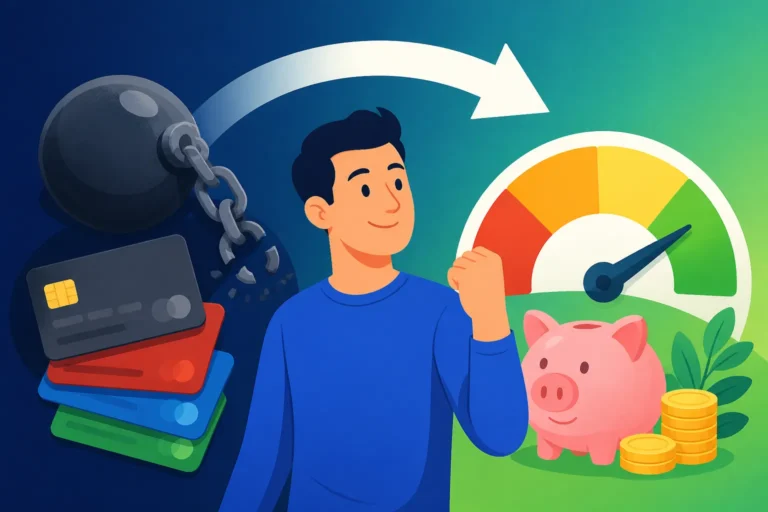
Facing $25,000 in credit card debt can feel like looking up at a massive, impossible mountain to climb, especially when you're dreaming of being debt-free within a year. The sheer weight of interest charges and minimum payments can be crushing, making it feel like you're barely treading water. This guide is here to tell you that while challenging, it's absolutely possible to pay off that significant credit card debt in 12 short months with a focused strategy and consistent effort.
Understanding the Mountain: Your $25,000 Debt Landscape
When you're staring down $25,000 in credit card debt, it's easy to feel overwhelmed. But before you can conquer it, you need to understand exactly what you're up against. This isn't just one lump sum; it's a collection of accounts, each with its own characteristics that can either help or hinder your payoff journey. Getting a clear picture of this landscape is the first, crucial step.
Breaking Down the Numbers: Interest Rates and Minimum Payments
The biggest enemy in credit card debt is often the interest rate. Credit cards typically carry high Annual Percentage Rates (APRs), often ranging from 15% to 29% or even higher. These high rates mean a significant portion of your minimum payment goes straight to interest, barely touching the principal balance. Imagine you have a card with a $10,000 balance and a 20% APR. If your minimum payment is 2% of the balance, that's $200. But $166 of that might be interest, leaving only $34 to reduce your actual debt. That's a disheartening treadmill.
To truly understand your situation, gather all your credit card statements. List out each card, its current balance, its APR, and its minimum monthly payment. This exercise can be a bit painful, but it's essential. You'll quickly see which cards are costing you the most in interest and why those minimum payments feel so ineffective. Knowing these specifics will empower you to make informed decisions about where to focus your payments first, making your efforts much more impactful.
The Urgency of a 1-Year Goal: Why It's Challenging But Achievable
Paying off $25,000 in credit card debt in a single year is an ambitious goal, no doubt about it. Mathematically, it means you need to be consistently paying around $2,083 per month, not even factoring in interest. With high interest rates, that number could easily climb closer to $2,300-$2,500 monthly depending on your average APR. This is a significant chunk of change for most households, and it will require some serious discipline and potentially a radical shift in your financial habits.
However, the very urgency of a one-year deadline can be a powerful motivator. It forces you to be aggressive, to question every expense, and to seek out every possible way to increase your income. While it will demand sacrifices and hard work, successfully achieving this goal within 12 months will not only free you from debt faster but also instil incredible financial discipline and confidence that will serve you for years to come. Think of it as a financial boot camp that has a definitive end date, making the temporary hardships more bearable.
Crafting Your Attack Plan: Strategies for Rapid Debt Reduction
Once you've got a clear picture of your debt, it's time to put on your general's hat and strategize. A well-thought-out plan is crucial for tackling $25,000 in credit card debt in just one year. You're not just throwing money at the problem; you're directing your resources strategically to maximize impact and minimize the time it takes to become debt-free.
Budgeting Like a Pro: Finding Extra Cash
This is where the rubber meets the road. To pay off $25,000 in a year, you're going to need to free up a substantial amount of cash each month. The first step is to create a realistic, zero-based budget if you don't have one already. Every dollar needs a job. Go through your bank statements and credit card bills from the last few months to identify exactly where your money is going. Be brutally honest with yourself. Are there subscription services you don't use? Daily lattes that add up? Eating out too often?
Look for areas where you can cut back significantly, even temporarily. Can you reduce your grocery bill by meal prepping and eating more at home? Can you pause non-essential entertainment like streaming services or nights out? Could you commute differently to save on gas? Every single dollar you save can be redirected towards your debt. Remember, this isn't forever; it's a focused effort for 12 months. Finding an extra $500 or even $1,000 a month might seem daunting, but by scrutinizing every line item, you'll be surprised where you can trim the fat. Many people find success by cutting discretionary spending to the bone, embracing a minimalist approach for the duration of their payoff plan.
Debt Snowball vs. Debt Avalanche: Choosing Your Method
With a clear budget and extra cash identified, you need a method to attack your multiple credit card debts. The two most popular strategies are the debt snowball and the debt avalanche. Both involve making minimum payments on all cards except one, where you throw all your extra money.
-
Debt Avalanche: This method prioritizes paying off the debt with the highest interest rate first. While you make minimum payments on all other cards, every extra dollar goes to that high-interest card. Once it's paid off, you take the money you were paying on that card (its minimum payment plus all the extra you were sending) and roll it into the next highest interest rate card. This is mathematically the most efficient way to save money on interest. For a large debt like $25,000, where interest charges are a major factor, the debt avalanche can often be the best path. You can learn more about these strategies in our detailed guide on Debt Snowball vs Debt Avalanche: Which Is Better?.
-
Debt Snowball: This method focuses on psychological wins. You list your debts from the smallest balance to the largest, regardless of interest rate. You make minimum payments on all cards except the one with the smallest balance, to which you send all your extra money. Once that smallest debt is paid off, you take the money you were paying on it and roll it into the next smallest debt. The quick wins of paying off smaller debts can provide powerful motivation to keep going, which can be invaluable when tackling a large sum like $25,000 over a relatively short period.
The best method for you depends on your personality and how you stay motivated. Both are effective, but consistency is key.
Considering Balance Transfers and Personal Loans
Sometimes, the interest rates on credit cards are so high that paying them down feels impossible. In these situations, a balance transfer credit card or a debt consolidation personal loan might be incredibly helpful, especially when you're aiming for a quick payoff like one year.
-
Balance Transfer Credit Cards: These cards often offer a 0% introductory APR for a period, typically 12 to 21 months. If you can qualify for a card with an introductory period of at least 12 months and a credit limit that can absorb a significant portion of your $25,000 debt, this could save you thousands in interest. The catch? There's usually a balance transfer fee (typically 3-5% of the transferred amount) and you must pay off the transferred balance before the 0% APR period expires. If you don't, you'll be hit with the card's regular, often high, APR. This strategy works best if you are disciplined enough to pay a substantial amount each month to clear the debt within the introductory period. Our article on Balance Transfer Cards: How They Work offers more insights.
-
Debt Consolidation Personal Loans: If you can't get a high enough credit limit on a balance transfer card, or prefer a fixed payment schedule, a personal loan might be a better fit. These loans allow you to borrow a lump sum to pay off your credit cards, then you repay the loan with a single, fixed monthly payment over a set term, usually with a lower interest rate than your credit cards. While the goal is to pay off $25,000 in one year, some personal loans might offer longer terms (e.g., 2-5 years), but you would need to ensure your monthly payment is set to clear the debt in 12 months. Lenders like Discover Personal Loans or LendingClub offer debt consolidation options. Just make sure the interest rate is significantly lower than your current credit card APRs and that the loan doesn't come with excessive origination fees.
Both options come with their own risks. If you use a balance transfer or personal loan to pay off your credit cards, it's absolutely crucial not to run up new debt on those now-empty cards. That's a recipe for an even worse debt spiral. Consider freezing or even closing those accounts to avoid temptation once they are clear.
Negotiating with Creditors: What to Say, What to Expect
It might feel intimidating, but you can sometimes negotiate with your credit card companies, especially if you're struggling to make payments or are looking for a way to accelerate your payoff. They'd rather get some money than none, and they might be willing to work with you.
Start by calling the customer service number on the back of your card. Politely explain your situation: you are committed to paying off your debt quickly (in your case, within a year) and are looking for options to help you achieve that. You might ask for:
- A lower interest rate: Even a few percentage points can make a big difference in how much of your payment goes to principal.
- A temporary hardship program: If you're really in a bind, they might offer a temporary reduction in interest or payments. Be cautious with these, as they can sometimes impact your credit report.
- A payment plan: They might be able to set up a structured payment plan that focuses on debt reduction.
Be prepared for them to say no, but don't give up after the first try. If you get a "no," ask if there's anything else they can do, or if you could speak to a supervisor. Always be polite, firm, and clear about your goal. Remember, their primary goal is to collect the debt, so presenting a clear plan to pay it off (even if you need a little help) can sometimes work in your favor. If you have late payments on your report, you might also consider sending a What Is a Goodwill Letter and Does It Work? to ask for their removal, as this can improve your credit score.
Boosting Your Income and Cutting Expenses: Fueling Your Debt Payoff
Paying off $25,000 in credit card debt in 12 months means you need to get aggressive from both ends of your financial spectrum: bringing in more money and sending less money out. This isn't the time for half-measures; it's about maximizing your resources for a limited but impactful period.
Side Hustles and Income Boosters: Practical Ideas
To hit that $2,000-$2,500+ monthly payment target, many people find that cutting expenses alone isn't enough. You might need to bring in extra income. Think about skills you have, things you enjoy doing, or even just your available time.
- Freelancing: If you have marketable skills like writing, graphic design, web development, social media management, or virtual assistance, platforms like Upwork or Fiverr can connect you with clients. Even local businesses might need help with these tasks.
- Gig Economy: Driving for rideshare services like Uber or Lyft, delivering food with DoorDash or Grubhub, or running errands for Instacart can offer flexible income. The key is to track your mileage and expenses diligently.
- Selling Unused Items: Look around your home. Do you have clothes, electronics, furniture, or collectibles you no longer need? Selling them on platforms like eBay, Facebook Marketplace, Poshmark, or Craigslist can provide a quick cash injection for your debt payments.
- Part-time Job: A temporary part-time job on evenings or weekends can provide a consistent additional income stream. This doesn't have to be your dream job; it's simply a means to an end for the next 12 months.
- Temporary Skills: Consider dog walking, pet sitting, house cleaning, tutoring, or even teaching a skill you have (e.g., music lessons, a foreign language). Websites like Rover or Care.com can help you find clients.
Every extra dollar you earn, after accounting for taxes and minimal expenses, should go straight to your debt payments. This aggressive approach is what makes a one-year payoff of $25,000 feasible. Some people even explore ways to build credit while paying down debt, using tools like a Credit Strong credit builder loan which reports positive payments to bureaus, though your primary focus should remain on eliminating the high-interest credit card debt.
Aggressive Spending Cuts: Where to Find Savings
This goes beyond just creating a budget; it's about making conscious choices to spend less, prioritizing your debt payoff above almost everything else for a year. Think of it as a financial detox.
- Food: This is often the biggest culprit. Cut back on dining out entirely. Pack lunches, cook all your meals at home, and plan your groceries carefully to avoid waste. Look for sales and use coupons. Consider doing a "no-spend challenge" for a week or a month to identify truly unnecessary expenditures.
- Entertainment: Reduce or eliminate paid entertainment. Instead of movies, concerts, or expensive nights out, opt for free activities like公园visits, board game nights at home, or potluck dinners with friends. Utilize your local library for books and movies.
- Transportation: If possible, carpool, bike, or use public transport more often. Consolidate errands to save gas. If you have two cars, could you temporarily manage with one?
- Shopping: Implement a "needs only" rule for shopping. Postpone non-essential clothing purchases, home decor, and gadgets. Unsubscribe from marketing emails that tempt you to buy things.
- Utilities: Be mindful of your energy consumption. Turn off lights, unplug unused electronics, adjust your thermostat, and take shorter showers. Small changes add up.
The goal here isn't deprivation forever, but rather a temporary, laser-focused period of intense saving. Each dollar saved is a dollar that can chip away at your $25,000 debt, bringing you closer to your one-year goal.
The Power of the Extra Payment: How It Accelerates Payoff
Making only the minimum payment on credit card debt is like trying to empty a swimming pool with a teacup. To pay off $25,000 in a year, you must make extra payments, and you must make them consistently. Any additional money you can scrounge up, whether it's from side hustles, spending cuts, or even an unexpected bonus or tax refund, should be directed towards your highest interest debt (if using the avalanche method) or smallest debt (if using the snowball method).
Consider this: on a $25,000 balance with a 20% APR, making only the minimum 2% payment would take you decades to pay off and cost you thousands in interest. By consistently paying much more than the minimum, you reduce the principal balance faster, which in turn reduces the amount of interest you're charged each month. This creates a powerful compounding effect in reverse, accelerating your payoff. Even an extra $50 or $100 here and there can shave months off your repayment timeline and save you significant money. Every single extra payment you make is a direct blow to your debt, bringing you closer to freedom within your one-year target.
Staying Motivated and On Track: The Long Haul Mentality
Paying off $25,000 in a year is an intense journey, and there will be moments when you feel discouraged, tired, or tempted to give up. That's totally normal! Maintaining motivation over 12 months requires a solid support system, clear tracking, and preventative measures to keep you from falling back into debt.
Tracking Your Progress: Visualizing Success
One of the most powerful motivators is seeing your progress. As you chip away at your $25,000 debt, you need a way to visualize that mountain shrinking.
- Debt Payoff Tracker: Create a visual tracker – this could be a simple spreadsheet, a chart you color in, or even a paper thermometer where you mark off every $1,000 paid. Seeing the numbers go down or the color fill up can be incredibly motivating.
- Monthly Check-ins: Schedule a dedicated time each month (or even weekly) to review your progress. How much did you pay off? What's your remaining balance? Celebrate small victories, like paying off a single card or hitting a specific milestone (e.g., $5,000 paid).
- Budget Recalibration: Use these check-ins to review your budget. Are your spending cuts sustainable? Are your income-boosting efforts paying off? Adjust as needed. Perhaps you found ways to save even more, or maybe you need to find another side hustle. Regularly assessing your budget, possibly with the help of apps like Mint or YNAB (You Need A Budget), can keep you on track.
This constant feedback loop helps reinforce good habits and reminds you of how far you've come, making the sacrifices feel worthwhile.
Building an Emergency Fund: Preventing New Debt
As you aggressively pay down your credit card debt, it might seem counterintuitive to put any money aside for savings. However, a small emergency fund is absolutely critical. Life has a funny way of throwing curveballs: an unexpected car repair, a medical bill, or a sudden job loss. Without an emergency fund, these unplanned expenses often lead people right back to relying on their credit cards, undoing all their hard work.
Aim to build a mini-emergency fund of $1,000 to $2,000 as quickly as possible, even if it means slowing your debt payments for a month or two. This money acts as a buffer, a safety net that protects your progress. Once you have this small fund, you can then resume full-throttle debt payments. After your $25,000 debt is completely gone, you can then focus on building a more robust emergency fund, ideally three to six months' worth of living expenses. Products like a Credit Strong credit builder loan can also help you save money in a CD while building credit, offering a structured way to build a small emergency fund after your debt is gone, but for now, focus on accessible cash.
Credit Counseling and Support: When to Ask for Help
If you're finding the task of paying off $25,000 in a year too overwhelming, or if you've tried these strategies and aren't seeing the progress you hoped for, don't be afraid to seek professional help. Non-profit credit counseling agencies can be an invaluable resource.
- Debt Management Plans (DMPs): A credit counselor can assess your financial situation and, if appropriate, help you set up a Debt Management Plan. Under a DMP, the agency negotiates with your creditors (credit card companies) to potentially lower your interest rates and combine your payments into one manageable monthly payment. While DMPs typically take longer than a year (often 3-5 years), they can provide structure and relief if your current situation is unsustainable for a one-year payoff. They often don't negatively impact your credit score as much as debt settlement or bankruptcy.
- Budgeting Assistance: Even if a DMP isn't for you, a credit counselor can provide expert guidance on budgeting, identifying spending leaks, and creating a realistic plan. Organizations like the National Foundation for Credit Counseling (NFCC) can help you find reputable agencies in your area. They also offer valuable resources on topics such as How to Get Out of Credit Card Debt (Step-by-Step) or How to Negotiate With Debt Collectors.
Remember, asking for help isn't a sign of weakness; it's a smart strategic move. The goal is to get debt-free, and sometimes, a little expert guidance can make all the difference in achieving that within your ambitious one-year timeframe.
| Strategy Component | Key Action for $25,000 in 1 Year | Expected Impact |
|---|---|---|
| Budgeting | Identify $2,000-$2,500+ in monthly disposable income. | Direct funds to debt, gain control over spending. |
| Debt Prioritization | Choose Debt Avalanche (highest APR first) for efficiency. | Minimize total interest paid, accelerate payoff. |
| Balance Transfers/Loans | Secure 0% APR card or low-interest personal loan. | Significantly reduce or eliminate interest burden for 12 months. |
| Income Boosters | Commit to consistent side hustles/part-time work. | Directly increase funds available for aggressive payments. |
| Spending Cuts | Implement temporary, aggressive reductions in all discretionary spending. | Free up substantial cash, reinforces disciplined habits. |
| Emergency Fund | Build a small ($1,000-$2,000) emergency buffer quickly. | Prevent new debt from unexpected expenses, protect payoff progress. |
| Tracking Progress | Use visual trackers and regular financial check-ins. | Maintain motivation, provide feedback for budget adjustments. |
| Professional Help | Consult non-profit credit counseling if overwhelmed. | Expert guidance, potential for lower interest rates or DMPs. |
You've got this. Paying off $25,000 in credit card debt in a single year requires immense dedication, but it's a challenge that will transform your financial life. Every strategic choice, every extra dollar earned, and every sacrifice made brings you closer to that incredible feeling of being completely debt-free.
Disclaimer
The information provided in this guide is for general informational purposes only and does not constitute financial, legal, or professional advice. Always consult with a qualified financial advisor, credit counselor, or legal professional before making any financial decisions. Debt payoff strategies and their effectiveness can vary based on individual circumstances.