How to Pay Off $5,000 in Credit Card Debt in 2 Years
That sinking feeling when you look at your credit card statement and see a balance that feels utterly insurmountable? You're not alone. Many of us find ourselves staring down a $5,000 credit card debt, wondering if we'll ever escape the cycle of minimum payments and mounting interest. This comprehensive guide is here to walk you through a realistic, step-by-step plan to tackle that $5,000 debt and be free of it in just two years.
Understanding Your $5,000 Credit Card Debt Landscape
Before you can chart a course to freedom, you need to understand exactly what you're up against. Credit card debt can feel like a murky monster, but shining a light on its components makes it far less intimidating.
Calculating the True Cost of Your Debt
When you have credit card debt, you're not just paying back the money you spent; you're also paying interest on that money. This interest is where credit card companies make their profit, and it's the primary reason why minimum payments can keep you trapped for years, even decades. Let's say you have a $5,000 balance with a typical Annual Percentage Rate (APR) of around 22%. If you only made the minimum payment, which is usually a small percentage of your balance (often 1-3%) plus interest, you'd find yourself paying far more than $5,000 in total and taking a very long time to pay it off.
For instance, paying only the minimum on a $5,000 debt at 22% APR might mean your initial payment is around $100. A significant portion of that goes to interest, leaving only a tiny bit to chip away at the principal. This is how credit card debt becomes a snowball rolling downhill, gathering more cost as it goes. This guide aims to reverse that momentum. You might be surprised at how quickly your debt can grow if you only make minimum payments, so understanding the actual cost is the first vital step. For a deeper dive into the mechanics, read our guide on How Credit Card Interest Is Calculated Daily APR.
Gathering Your Debt Information
To create an effective payoff plan, you need precise details about your debt. This means getting organized. Pull out all your credit card statements, or log into your online accounts. You'll want to note down a few key pieces of information for each card:
- Current Balance: The total amount you owe.
- Interest Rate (APR): This is crucial. High-APR cards should be prioritized in certain payoff strategies.
- Minimum Payment Due: While we'll aim to pay more, it's good to know the baseline.
- Due Date: Missing a payment can incur fees and severely damage your credit score.
It's also a smart practice to regularly check your credit report to ensure all your debts are accurately reported. You can get yours for free annually from each of the three major credit bureaus. Knowing your financial standing is powerful. Check out our detailed article on How to Get Your Free Credit Report for more information on how to access this vital document. This helps you confirm balances and ensures there are no errors that could be affecting your overall credit standing.
Crafting Your 2-Year Debt Payoff Strategy
Now that you know what you're dealing with, it's time to build a solid action plan. Paying off $5,000 in two years is ambitious but entirely achievable with consistency and a clear strategy. Two years means you have 24 months to conquer this debt.
The Power of a Budget
Let's be real: paying off debt means finding extra money in your monthly budget. This isn't about deprivation; it's about intentional spending. Start by tracking every dollar you spend for a month. You might be shocked to see where your money truly goes. Many find little "leaks" they can plug, like unused subscriptions, daily coffee runs, or excessive takeout.
Once you have a clear picture, create a budget that prioritizes your debt repayment. Aim to cut non-essential expenses and reallocate those funds directly to your credit card payments. Could you pack your lunch twice a week? Skip one streaming service? Take public transit instead of driving sometimes? Even small changes add up significantly over 24 months. Consider looking for ways to boost your income, too. A side hustle, selling unused items, or picking up a few extra shifts can dramatically accelerate your payoff.
Choosing a Debt Repayment Method
There are two popular methods for tackling multiple debts, and understanding them can help you decide which is best for you. While you might only have one $5,000 debt, these principles still apply to how you approach any debt.
Debt Avalanche
The debt avalanche method focuses on saving money on interest. With this strategy, you make minimum payments on all your debts except the one with the highest interest rate. You throw all your extra money at that high-interest debt until it's paid off. Then, you take the money you were paying on that first debt (the minimum payment plus the extra you were sending) and apply it to the next highest interest rate debt, and so on. This method is mathematically the most efficient because you pay less interest over time. If your $5,000 is spread across multiple cards with different APRs, this is the way to go.
Debt Snowball
The debt snowball method prioritizes psychological wins. With this approach, you make minimum payments on all your debts except the one with the smallest balance. You pay off that smallest debt first, regardless of its interest rate. Once that debt is gone, you take the money you were paying on it (the minimum payment) and add it to the minimum payment of the next smallest debt. This continues until all debts are paid. Many people find the quick wins of paying off smaller debts incredibly motivating, which helps them stick to their plan. For a deeper discussion on these two approaches, check out our guide: Debt Snowball vs Debt Avalanche: Which Is Better?.
You might also consider a balance transfer credit card if you have excellent credit. These cards offer a 0% introductory APR for a certain period, usually 12-21 months, allowing you to pay down principal without interest. Just be mindful of balance transfer fees, which are typically 3-5% of the transferred amount. If you go this route, ensure you can pay off the entire $5,000 within the promotional period, or you'll be hit with the card's regular (often high) APR on any remaining balance. Learn more about them here: Balance Transfer Cards: How They Work.
Finally, while paying off high-interest credit card debt is paramount, don't overlook tools that can help solidify your financial foundation in the long run. Products like those offered by Credit Strong, for example, are credit builder loans designed to help you build a positive payment history and diversify your credit mix. While not a direct solution for high-interest debt, they can be excellent for strengthening your overall credit profile once your pressing credit card debt is managed, acting as a complementary tool in your broader financial strategy.
The Monthly Payment Breakdown for 2 Years
To pay off $5,000 in credit card debt in 24 months, assuming an average APR of 22%, you'll need to make consistent payments of approximately $260 per month. This amount covers both the principal and the accumulating interest. Let's look at a simplified breakdown:
| Month | Starting Balance | Monthly Payment | Interest Paid (est.) | Principal Paid (est.) | Ending Balance |
|---|---|---|---|---|---|
| 1 | $5,000.00 | $260.00 | $91.67 | $168.33 | $4,831.67 |
| 6 | $4,175.00 | $260.00 | $76.54 | $183.46 | $3,991.54 |
| 12 | $3,100.00 | $260.00 | $56.83 | $203.17 | $2,896.83 |
| 18 | $1,750.00 | $260.00 | $32.10 | $227.90 | $1,522.10 |
| 23 | $480.00 | $260.00 | $8.80 | $251.20 | $228.80 |
| 24 | $228.80 | $232.99* | $4.19 | $228.80 | $0.00 |
*This final payment may be slightly adjusted to cover the remaining balance and final interest.
As you can see, consistency is key. Every $260 payment chips away at the balance, and as the principal decreases, a larger portion of your payment goes towards the principal rather than interest. Sticking to this schedule, or even paying a little extra when you can, will ensure you hit your 2-year goal. If you can only afford minimums, it might feel like you're just treading water, but consistent, slightly larger payments can make all the difference in paying off your credit card debt without feeling overwhelmed.
Staying Motivated and Avoiding Common Pitfalls
Debt repayment is a marathon, not a sprint. There will be days when it feels tough, but keeping your eye on the prize and celebrating your progress can make all the difference.
Tracking Your Progress and Celebrating Milestones
Seeing your debt shrink is incredibly motivating. Consider using a visual tracker, like a thermometer chart, where you color in your progress. Every time you make an extra payment or hit a new milestone (like paying off your first $1,000!), acknowledge it. It doesn't have to be expensive – a favorite treat, a movie night, or a small, non-spending reward can reinforce positive behavior. This keeps you engaged and reminds you of how far you've come.
Tracking your credit score can also be a motivator. As your credit utilization drops and your payment history remains impeccable, you'll likely see your score improve. This direct correlation between your actions and a tangible benefit can provide a much-needed boost.
What to Do About New Spending
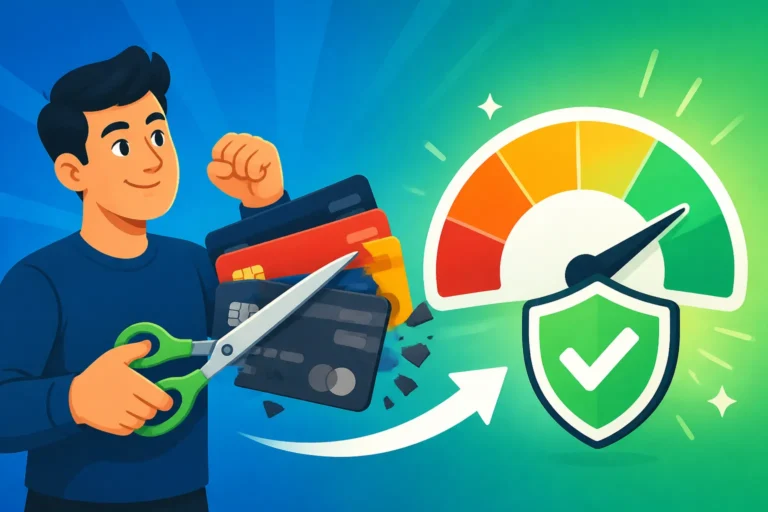
One of the biggest pitfalls during debt repayment is racking up new debt. While you're actively paying off $5,000, consider putting your credit cards away or even freezing them (literally, in a block of ice!) to avoid impulse purchases. If you absolutely need to use a credit card for a necessary expense, pay it off immediately to avoid adding to your existing balance and accruing new interest. The goal is to break the cycle of using credit as an extension of your income. For more tips on responsible credit card use, see How to Use a Credit Card to Build and Keep Good Credit.
Building a small emergency fund, even $500, can also help you avoid new debt. If an unexpected expense arises, you'll have cash to cover it instead of resorting to your credit cards.
The Impact on Your Credit Score
Paying down credit card debt is one of the most powerful things you can do for your credit score. Here's why:
- Credit Utilization: This is the amount of credit you're using compared to your total available credit. It's a huge factor in your credit score. As you pay down that $5,000, your utilization ratio will decrease, which typically boosts your score. Lenders like to see you using less than 30% of your available credit, and ideally, under 10%. Understanding Credit Utilization: The Complete Guide can provide more clarity.
- Payment History: Making consistent, on-time payments is the single most important factor in your credit score. By sticking to your $260 monthly payment plan, you're building a strong history of responsible financial behavior.
- Length of Credit History: While paying off debt doesn't directly increase the age of your accounts, it prevents negative marks (like late payments or collections) that could otherwise shorten the effective age of your positive credit history.
As you focus on reducing your debt, you're directly addressing several key areas that affect your credit score. Keep in mind that What Affects Your Credit Score? The 5 Factors are all interconnected, and positive changes in one area often lead to improvements in others.
Beyond the 2-Year Mark: Building a Stronger Financial Future
Congratulations! You've paid off your $5,000 credit card debt. But the journey doesn't end there. This is an opportunity to solidify your financial habits and build a truly resilient future.
Establishing an Emergency Fund
One of the best ways to prevent falling back into credit card debt is to have a robust emergency fund. Aim for at least 3-6 months' worth of living expenses saved in an easily accessible, separate savings account. This fund acts as your financial safety net, ready to catch you if unexpected events like job loss, medical emergencies, or car repairs come your way, without needing to lean on high-interest credit cards.
Continuing Healthy Credit Habits
Even after paying off your debt, responsible credit use remains crucial. Continue to monitor your credit reports for accuracy and review your statements regularly. Keep your credit utilization low, ideally below 10%, even on revolving accounts you still use. Pay your bills on time, every time. Consider setting up automatic payments for minimums if you tend to forget, then manually adding extra payments.
If you're looking to further strengthen your credit profile after tackling this debt, especially if you have a thin credit file or want to diversify your credit mix, tools like credit builder loans can be valuable. For instance, Credit Strong offers products specifically designed to help you build credit by making regular payments on a small loan, which is then reported to the major credit bureaus. This can be a smart move to continue your positive momentum once your high-interest debt is a thing of the past. To explore these options, consider reading Credit Builder Loans Explained Self, Kikoff & More or How to Build Credit From Scratch 2026 Guide.
Remember, your two-year plan isn't just about erasing a number; it's about building lasting financial discipline and setting yourself up for success. By committing to this plan, you're not just paying off $5,000; you're investing in your peace of mind and your financial freedom. While this guide focuses on a 2-year plan, if you're looking to accelerate the process, you might find our article on How to Pay Off Credit Card Debt Fast helpful for additional strategies.
Disclaimer
This article is intended for informational purposes only and does not constitute financial, legal, or professional advice. Always consult with a qualified financial advisor or credit counselor before making any significant financial decisions.