How to Pay Off $5,000 in Credit Card Debt in 18 Months
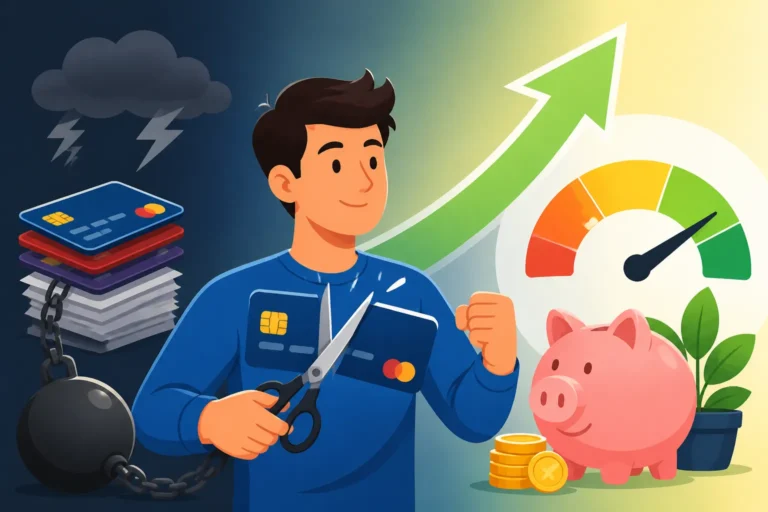
Finding yourself staring down a $5,000 credit card balance can feel overwhelming, like a mountain that's impossible to climb. Many people feel trapped by revolving debt, especially when it seems like the minimum payments barely chip away at the principal. But I'm here to tell you that paying off $5,000 in credit card debt in 18 months is absolutely achievable with a clear plan and consistent effort. This guide will walk you through the steps to conquer that debt and reclaim your financial freedom.
Understanding Your $5,000 Debt Landscape
Before you can effectively tackle your credit card debt, you need to thoroughly understand what you're up against. It’s like mapping out a hiking trail before you start your ascent – you need to know the terrain, the inclines, and the potential obstacles. This initial assessment is crucial for creating a realistic and effective payoff strategy.
Calculating Your Current Interest Rates and Minimum Payments
The first step is to gather all your credit card statements. Don't shy away from this; knowledge is power, even if the numbers are a bit daunting at first. You need to know the Annual Percentage Rate (APR) for each card, as well as the current minimum monthly payment. These two figures are your primary adversaries in the fight against debt. A high APR means a larger portion of your payment goes to interest, making it harder to reduce the principal balance.
Take a moment to truly understand how credit card interest is calculated. If you have multiple cards, list them out and note their balances, APRs, and minimum payments. This will reveal which debts are costing you the most money in interest, allowing you to prioritize your attack. For instance, a card with a 25% APR will eat away at your budget much faster than one with a 15% APR, even if the balances are similar. Knowing these details helps you decide on the most efficient repayment strategy.
Assessing Your Credit Utilization Ratio
Your credit utilization ratio is another critical factor to examine. This ratio represents how much credit you're currently using compared to your total available credit, and it's a significant component of your credit score. Lenders typically prefer to see this ratio below 30%, and ideally, below 10%. With $5,000 in debt, if your total credit limit across all cards is, say, $10,000, your utilization would be 50%, which is quite high.
High credit utilization can significantly drag down your credit score. As you work to pay off this $5,000 debt, your utilization ratio will naturally decrease, which can lead to a positive impact on your score. Keeping an eye on this metric will not only motivate you but also highlight the direct benefits of your hard work. Understanding Credit Utilization: The Complete Guide can give you even deeper insights into this crucial aspect of your financial health.
Crafting Your 18-Month Debt Payoff Strategy
Now that you have a clear picture of your debt, it's time to build your battle plan. The goal is to consistently apply enough extra cash to your principal to eliminate that $5,000 within 18 months. This isn't just about making payments; it's about making strategic, targeted payments.
The Monthly Payment Breakdown
To pay off $5,000 in 18 months, you need to commit to paying approximately $278 each month, assuming zero interest. However, credit cards come with interest, so you'll need to pay a bit more than that base amount to account for the interest accrual. Let's use an example: if your average interest rate is 20%, your total interest over 18 months could be around $800-$900, meaning you'd need to pay roughly $320-$325 per month to hit your goal.
This consistent payment amount, higher than your typical minimum, is the engine that drives your debt repayment. It's a non-negotiable part of your monthly budget. If you have multiple credit cards, you'll apply this extra payment to the card you've prioritized, while still making at least the minimum payments on all other cards. Tracking this monthly payment is crucial to ensure you stay on schedule.
Choosing a Debt Repayment Method
There are two popular, highly effective methods for tackling multiple debts: the debt snowball and the debt avalanche. Both involve making minimum payments on all debts except one, to which you apply all extra funds. The difference lies in how you prioritize that "one" debt. Deciding between them depends on your personal financial psychology. For a deeper dive, you can explore Debt Snowball vs Debt Avalanche: Which Is Better?.
-
Debt Snowball: This method focuses on motivation. You pay off your smallest debt first, regardless of its interest rate. Once that debt is paid, you take the money you were paying on it and add it to the payment for your next smallest debt. This creates a "snowball" effect, as your payments grow larger with each paid-off debt, providing psychological wins that keep you motivated. For a $5,000 debt, if it's spread across a few cards, starting with the smallest balance can give you a quick boost.
-
Debt Avalanche: This method saves you the most money on interest. You prioritize paying off the debt with the highest interest rate first. Once that debt is cleared, you move to the next highest interest rate, and so on. Mathematically, this is the most efficient way to pay off debt. If your $5,000 is on a single card with a high APR, this is essentially your default strategy. If it's on multiple cards, the avalanche method ensures you're minimizing the total cost of your debt.
Here's a quick comparison of the two methods:
| Feature | Debt Snowball | Debt Avalanche |
|---|---|---|
| Prioritization | Smallest balance first | Highest interest rate first |
| Primary Benefit | Psychological wins, motivation | Saves most money on interest |
| Best For | Those who need quick wins to stay committed | Those who are disciplined and want to pay least |
| Total Cost | Potentially higher interest paid | Lowest total interest paid |
Cutting Expenses and Boosting Income
To consistently meet that $300+ monthly payment, you'll likely need to free up some cash. This involves a two-pronged approach: cutting expenses and increasing your income. Start by meticulously reviewing your budget to identify areas where you can trim. Think beyond the obvious. Can you cancel unused subscriptions? Cook at home more often instead of dining out? Cut down on discretionary spending like daily lattes or impulse buys? Even small cuts add up over 18 months.
On the income side, consider temporary ways to bring in extra money. Could you pick up a side gig, sell unused items around your house, or take on extra shifts at work? Even a few hundred dollars more each month can make a huge difference in accelerating your payoff. Remember, this isn't forever; it's an 18-month sprint to financial freedom. Every extra dollar you throw at your principal is a dollar saved in interest and a step closer to your goal.
Staying Motivated and Avoiding Common Pitfalls
The journey to becoming debt-free isn't always smooth. There will be days when you feel discouraged or tempted to revert to old spending habits. Staying disciplined and motivated is key to successfully paying off your $5,000 debt within 18 months.
Setting Realistic Goals and Tracking Progress
Break down your big goal ($5,000 in 18 months) into smaller, manageable milestones. For example, aim to reduce your balance by $800 every three months. Celebrating these smaller victories can provide the necessary motivation to keep going. Use a visual tracker, like a chart or a spreadsheet, to literally see your debt shrinking. This tangible representation of your progress can be incredibly powerful. Watching your balance decrease each month, especially as you see your How to Raise Your Credit Score (Step-by-Step) because of reduced utilization, can be incredibly motivating.
Beyond just tracking the numbers, acknowledge your efforts. Treat yourself to a small, non-monetary reward when you hit a milestone – perhaps a relaxing evening at home, a long walk in your favorite park, or cooking a special meal. These small affirmations reinforce positive financial behaviors and make the journey feel less like a chore and more like a challenge you're winning.
Guarding Against New Debt
One of the biggest pitfalls during a debt payoff journey is accumulating new debt. It's like trying to bail water out of a boat with a hole in the bottom. While you're aggressively paying down your $5,000, you must commit to not adding any new charges to your credit cards. If possible, consider temporarily freezing or even putting your credit cards away to remove the temptation.
This might mean adjusting your lifestyle to live strictly within your means. If an unexpected expense arises, try to cover it from an emergency fund first, or find alternative solutions before reaching for a credit card. It's a challenging but essential habit to build for long-term financial health. Remember, the goal is to break free from the cycle of debt, not just shift it around.
What to Do If You Hit a Snag
Life happens. You might face an unexpected expense, a temporary dip in income, or simply a moment of weakness. Don't let a snag derail your entire plan. If you miss a payment or have to make only the minimum for a month, it's not the end of the world. Acknowledge it, learn from it, and get back on track immediately. The key is resilience.
If you find yourself consistently struggling, it might be time to re-evaluate your budget or explore options like calling your credit card company to inquire about a lower interest rate or a temporary hardship plan. Sometimes, a quick adjustment is all you need. You might also find valuable insights in articles like Does Paying Off Credit Cards Raise Your Score? which can provide additional motivation if you're feeling stuck.
Tools and Resources to Support Your Journey
You don't have to navigate this journey alone. There are numerous tools and resources available that can help you stay organized, track your progress, and even improve your credit score while you're paying off debt. Leveraging these can make a significant difference in your success.
Credit Builder Products and Financial Apps
Beyond the traditional methods, several innovative tools can help you along your journey. For instance, if you're looking to bolster your credit score while paying down debt, considering a credit builder loan might be beneficial. Companies like Credit Strong offer products designed to help you build a positive payment history, which is a key factor in How Credit Scores Work: The Complete Guide. While your focus is on paying off existing debt, ensuring your credit report shows consistent, positive activity is a smart move for your financial future.
Many financial apps can also help you manage your budget, track your spending, and monitor your progress towards debt repayment. Apps like Mint, YNAB (You Need A Budget), or PocketGuard can categorize your expenses, set spending limits, and provide a clear overview of your financial situation. Some even offer debt payoff calculators that help visualize your 18-month plan. Utilizing these tools can bring clarity and automation to your financial management, freeing up mental space to focus on your larger goals. For more ideas, check out Best Credit Builder Apps (Self, Kikoff, Chime).
Free Credit Monitoring and Financial Counseling
Regularly checking your credit report is paramount when you're working to improve your financial standing. You're entitled to a free credit report from each of the three major bureaus—Equifax, Experian, and TransUnion—once every 12 months via How to Get Your Free Credit Report. Take advantage of this. Reviewing your report can help you spot any errors, identify potential identity theft, and track how your efforts are impacting your credit profile. Understanding What Affects Your Credit Score? The 5 Factors will help you interpret these reports more effectively.
If you feel completely overwhelmed or need personalized guidance, don't hesitate to reach out to a non-profit credit counseling agency. Organizations like the National Foundation for Credit Counseling (NFCC) or the Financial Counseling Association of America (FCAA) offer free or low-cost services. A certified credit counselor can help you create a personalized budget, develop a debt management plan, and even negotiate with creditors on your behalf if your situation is dire. This kind of professional support can be invaluable, especially if you're juggling multiple high-interest debts.
Disclaimer
This article is for general informational purposes only and does not constitute professional advice. Laws, prices and regulations vary by location and change over time. Consult a qualified professional for guidance on your specific situation.