How to Go From Fair to Good Credit
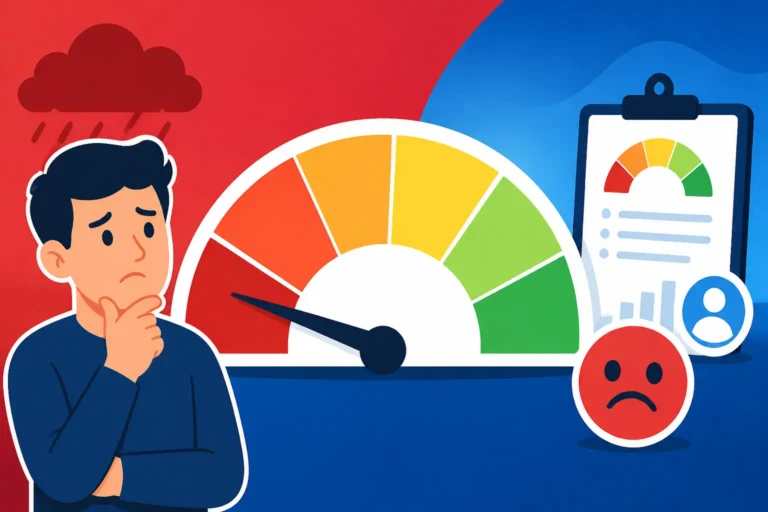
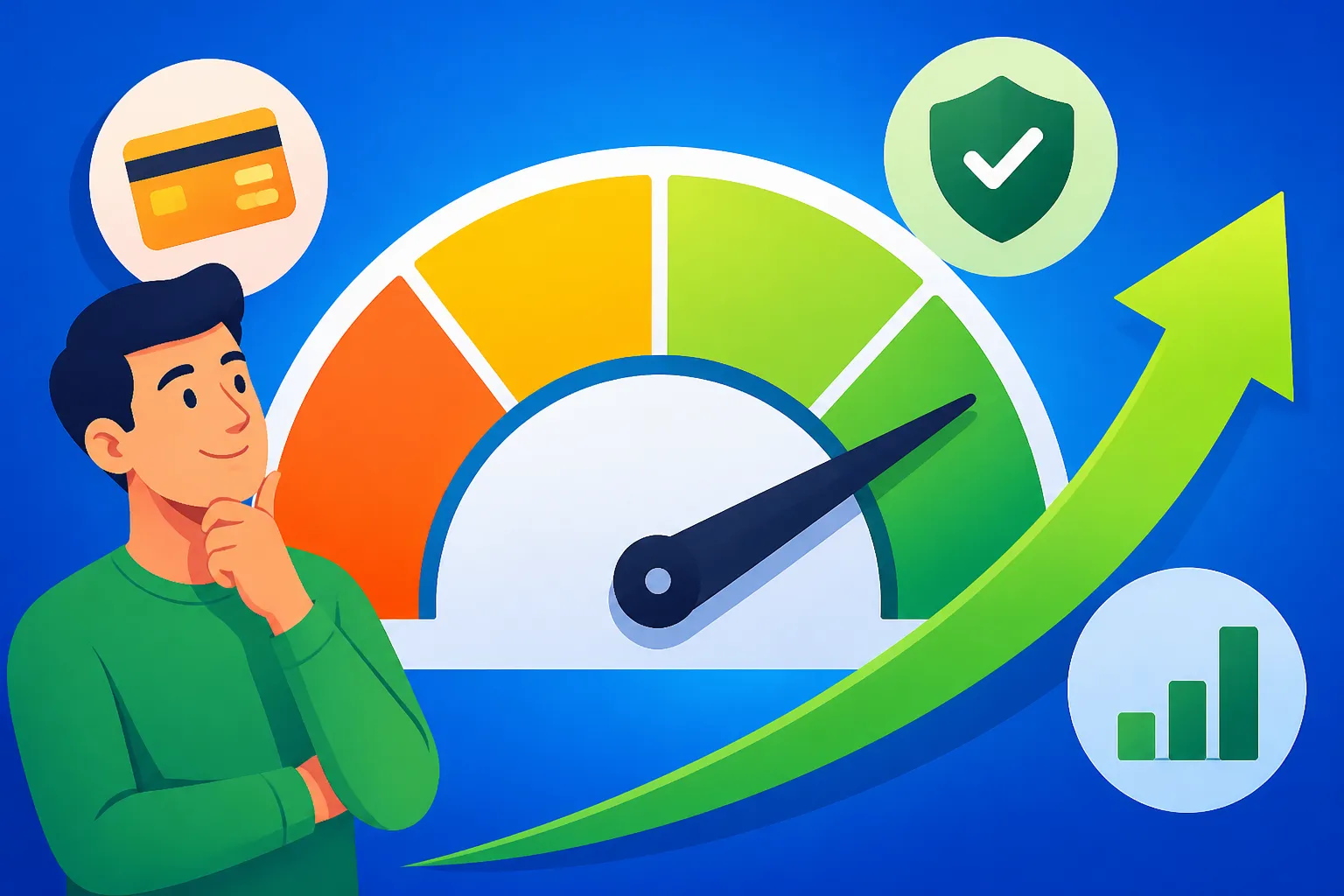
It's incredibly frustrating, isn't it? You've been working hard, trying to manage your finances, but your credit score just seems…stuck in the "fair" zone. You know you're doing better than you used to, but when you look at loan applications, credit card offers, or even rental agreements, you still feel like you're paying a penalty. This guide is here to walk you through the very real steps you can take to move past "fair" and into the much more advantageous "good" credit territory, opening up a world of better financial opportunities.
Understanding Your Starting Point: What is "Fair" Credit Anyway?
Before we can even begin to talk about elevating your credit score, it's crucial to understand exactly what "fair" credit means and why your score might be lingering there. It's not just a number; it's a reflection of your past financial behavior, and understanding that reflection is the first step toward changing it.
Deciphering Credit Score Ranges
When we talk about credit scores, we're usually referring to FICO Scores, which are used in about 90% of lending decisions, or VantageScores, which are becoming increasingly common. Both systems categorize scores into ranges, and "fair" falls squarely in the middle, often indicating that while you're not in the "poor" or "bad" category, you're not exactly a top-tier borrower either.
For FICO, a "fair" credit score typically ranges from 580 to 669. With VantageScore, that range is often considered 601 to 660. If your score hovers within these numbers, it means lenders see you as someone who might pose a moderate risk. You're likely to get approved for some financial products, but the terms—think interest rates on loans, security deposit requirements, or annual fees on credit cards—will almost certainly be less favorable than for someone with good or excellent credit. This translates into paying more for the same product, which can really add up over time and keep you feeling stuck.
Common Reasons for a Fair Credit Score
So, what usually lands someone in the fair credit range? It's often a mixed bag of financial habits, rather than one catastrophic event. You might have had a few missteps in the past, but not enough to completely derail your credit.
One common culprit is late payments. Maybe you missed a credit card payment here and there, or a medical bill slipped through the cracks. While not as damaging as a bankruptcy, even a couple of 30-day late payments can significantly depress your score, especially if they're recent. Another major factor is credit utilization, which refers to how much of your available credit you're using. If you consistently carry high balances on your credit cards, even if you make payments on time, it tells lenders you might be over-reliant on credit, signaling higher risk. Perhaps you have a short credit history, meaning you haven't been using credit for very long. Lenders like to see a track record, and without it, your score might stay lower. Finally, you might have one or two collection accounts or charge-offs from a while ago that are still lingering on your report, pulling your score down without completely tanking it. Sometimes, it's even a string of hard inquiries from applying for too much credit at once.
The Core Habits for Credit Improvement
No matter where your credit score currently sits, there are fundamental habits that form the bedrock of credit improvement. These aren't quick fixes, but consistent, disciplined actions that, over time, will inevitably elevate your score from fair to good and beyond.
Mastering On-Time Payments
This might sound like a broken record, but it bears repeating: your payment history is the single most important factor in your credit score, accounting for a massive 35% of your FICO Score. Missing even one payment can send your score tumbling, and it can take a long time to recover. If your score is in the fair range, there's a good chance you've had a few late payments reported in the past. To move to "good," you need to establish a consistent, impeccable record of paying all your bills on time, every single time.
Think about it from a lender's perspective: they want to know you're reliable. Every on-time payment you make reinforces that you are a trustworthy borrower. The easiest way to master this is to set up automatic payments for all your credit accounts, utility bills, and loans. Most banks and credit card companies offer this service, allowing you to schedule payments for the minimum amount or even the full balance before the due date. Also, consider setting up calendar reminders or phone alerts a few days before each due date, just in case. The goal is to build a solid, uninterrupted history of timely payments.
It's also worth understanding the long-term impact of late payments. Even if you pay up eventually, that 30, 60, or 90-day late mark can stay on your report for seven years. While its impact lessens over time, newer late payments hurt more. By committing to on-time payments from this moment forward, you're actively building a stronger, more positive payment history that will eventually overshadow those past mistakes and show lenders you've turned a new leaf. If you're curious about how long these marks linger, you can explore guides like How Long Does a Late Payment Stay on Your Credit Report?.
Keeping Credit Utilization Low
The second most influential factor in your credit score, making up about 30% of your FICO Score, is your credit utilization ratio. This is essentially how much credit you're currently using compared to your total available credit. For example, if you have a credit card with a $5,000 limit and a $2,000 balance, your utilization is 40% ($2,000 / $5,000). To move from fair to good credit, you absolutely must get this ratio down and keep it there.
Lenders interpret high utilization as a sign of financial distress, even if you're making your payments. The general rule of thumb is to keep your overall credit utilization below 30% across all your credit cards and lines of credit. However, to truly aim for "good" or "excellent" credit, many experts recommend keeping it even lower, ideally below 10%. This shows lenders that you're responsible with credit and aren't relying on it to get by.
Strategies for reducing your utilization include focusing on paying down your highest-balance cards first, or even making multiple payments throughout the month instead of just one large payment at the end. This can help keep your reported balance low when creditors report to the bureaus. For instance, if your statement closes on the 15th, making a payment by the 10th can significantly reduce the balance that gets reported, even if you plan to make another payment before the due date. For more detailed insights, check out What Is a Good Credit Utilization Ratio?.
Strategic Moves to Accelerate Your Progress
While consistent on-time payments and low utilization are non-negotiables, there are also strategic moves you can make to actively boost your credit score and propel it from fair to good more quickly. These involve carefully building out your credit profile and proactively addressing any lingering negative marks.
Building Credit History and Mix
A fair credit score often indicates a relatively short credit history or a limited mix of credit accounts. Lenders prefer to see a long history of responsible credit use and a variety of account types (like credit cards, installment loans, and mortgages). While you can't magically age your accounts overnight, you can strategically add new, positive accounts that will mature over time and diversify your profile.
One of the best ways to start is with a secured credit card. These cards require a cash deposit, which often becomes your credit limit. This deposit minimizes the risk for the lender, making them easier to get approved for, even with fair credit. By using it responsibly—making small purchases and paying them off in full and on time—you build a positive payment history and utilization. After several months or a year of good behavior, some secured cards will even convert to unsecured cards and refund your deposit. Many people find success with options like the Discover it Secured Card or the Capital One Platinum Secured Card. For a deep dive into how these cards work, take a look at Secured Credit Cards: How They Build Credit.
Another excellent tool for building credit, especially if you're struggling to get approved for traditional credit cards, is a credit-builder loan. These loans are designed specifically to help you establish a positive payment history. With a credit-builder loan, the loan amount is typically held in a locked savings account or CD while you make monthly payments. Once the loan is paid off, you receive the money, and your payment history has been reported to the credit bureaus. Providers like Credit Strong specialize in these types of loans, offering a straightforward way to build a positive payment record without needing upfront collateral or an existing credit history. They report your payments to all three major credit bureaus, which is exactly what you need to improve your credit mix and length of history. You can learn more about how these innovative tools work by reading Credit Builder Loans Explained (Self, Kikoff & More).
Addressing Negative Items
Even with stellar new habits, old negative items like collections or charge-offs can continue to drag your score down. To truly move into "good" territory, you need to proactively address these entries on your credit report. This often starts with a thorough review of your credit reports from all three major bureaus: Equifax, Experian, and TransUnion. You can get free copies of your reports once every 12 months from AnnualCreditReport.com.
Once you have your reports, scrutinize every entry. Look for anything that seems inaccurate, outdated, or unfamiliar. Errors on credit reports are surprisingly common and can severely impact your score. If you find an error, you have the right to dispute it directly with the credit bureau and the creditor. Gather any supporting documentation you have, such as proof of payment or letters from creditors, and clearly explain why you believe the information is incorrect. The bureaus are legally obligated to investigate your dispute within 30 days. For a step-by-step guide on this process, refer to How to Dispute Credit Report Errors (Step-by-Step).
For legitimate negative items like collections, disputing them won't make them disappear if they are accurate. However, you still have options. One strategy is to negotiate with the collection agency. Sometimes, they might agree to a "pay-for-delete" arrangement, where they remove the collection from your report in exchange for payment. While not always successful, it's worth exploring. Alternatively, simply paying off the collection, even without a pay-for-delete, can stop the bleeding and show future lenders that you are making an effort to resolve your debts. Understanding how to manage these entries is critical, and articles like How to Remove Collections From Your Credit Report and How to Remove Negative Items From Your Credit Report offer valuable insights.
Advanced Tactics and Avoiding Pitfalls
Once you've got the basics down, you can start to think about some more advanced strategies to fine-tune your credit profile. However, it's equally important to understand potential pitfalls that could hinder your progress from fair to good.
Strategic Credit Limit Increases
One subtle but effective way to improve your credit utilization ratio (and thus your score) is by strategically requesting a credit limit increase on an existing credit card. If your credit limit goes up, but your spending stays the same, your utilization automatically decreases. For instance, if you have a $1,000 limit with a $300 balance (30% utilization), and your limit increases to $2,000 while your balance remains $300, your utilization drops to a much healthier 15%.
However, there's a caveat. Some credit card companies might perform a hard inquiry on your credit report when you request a limit increase. A hard inquiry can cause a small, temporary dip in your score (usually 3-5 points), so it's a trade-off. It’s wise to only request an increase if you're confident you can resist the urge to spend more. Many issuers, especially if you have a good payment history with them, might offer increases without a hard pull, or at least inform you if one will be conducted. Always ask before you commit. To learn more about this approach, check out Should You Ask for a Credit Limit Increase?.
Becoming an Authorized User
For some, becoming an authorized user on another person's well-managed credit card account can provide a shortcut to a better credit score. When you're added as an authorized user, the primary account holder's positive payment history and low utilization can appear on your credit report, effectively boosting your own. This can be particularly helpful for those with very thin credit files, or those starting from a low fair score.
The key here is "well-managed." You need to be added to an account that has a long history, perfect on-time payments, and very low credit utilization. If the primary user is irresponsible, their negative habits could reflect on your report, too. Always discuss this thoroughly with the primary account holder and understand the risks involved. It’s also crucial that you trust this person implicitly, as their financial behavior directly impacts yours. For a deeper understanding of the pros and cons, see How to Become an Authorized User to Build Credit.
The Impact of Hard Inquiries
While building credit often involves applying for new accounts, it's vital to be mindful of hard inquiries. Each time you apply for new credit (a loan, a credit card, a mortgage, etc.), the lender performs a "hard pull" on your credit report. This inquiry signals to other lenders that you might be seeking more credit, and too many inquiries in a short period can make you appear risky.
A single hard inquiry typically shaves a few points off your score and stays on your report for two years, though its impact diminishes after the first year. If you're currently in the fair range, a cluster of new inquiries could prevent you from reaching "good." The best practice is to only apply for credit you genuinely need and space out your applications. If you are shopping for a mortgage or auto loan, credit scoring models are smart enough to count multiple inquiries within a certain timeframe (usually 14-45 days) as a single inquiry, recognizing you are rate shopping. However, this exception doesn't apply to credit cards. For more on how inquiries affect your score, read How Many Points Is a Hard Inquiry Worth?.
Monitoring Your Progress and Staying on Track
Improving your credit score from fair to good isn't a one-and-done event; it's an ongoing journey that requires consistent attention and proactive monitoring. By keeping an eye on your credit reports and scores, you can celebrate your successes, catch potential issues early, and ensure you stay on the right path.
Regularly Checking Your Credit Report and Score
One of the most powerful tools in your credit improvement arsenal is the ability to regularly check your credit report and score. You are entitled to a free credit report from each of the three major credit bureaus (Equifax, Experian, and TransUnion) once every 12 months through AnnualCreditReport.com. Make it a habit to pull one report every four months (e.g., Experian in January, Equifax in May, TransUnion in September). This way, you can keep a continuous watch on your credit profile throughout the year without paying a dime.
Reviewing your reports meticulously allows you to:
- Spot errors: Incorrect account information, fraudulent accounts, or outdated negative items can all drag down your score. Catching these early allows you to dispute them and get them removed.
- Track progress: You'll see how your diligent payments and reduced utilization are positively impacting your accounts.
- Identify potential identity theft: New accounts opened in your name without your knowledge will show up here, giving you an early warning to take action.
Beyond your detailed reports, many credit card companies and financial institutions now offer free credit scores as a perk to their customers. Services like Credit Karma, Credit Sesame, and even your own bank often provide access to your VantageScore or FICO Score. While these scores might differ slightly from the specific FICO score a lender uses, they are excellent indicators of your overall trend. Regularly reviewing these scores helps you understand the immediate impact of your actions and stay motivated. For a full breakdown on how to access this information, explore How to Check Your Credit Score for Free and How to Get Your Free Credit Report.
Being Patient and Persistent
Moving from fair to good credit isn't a sprint; it's a marathon. You're essentially building a new financial reputation, and that takes time. While you might see some initial bumps from efforts like reducing utilization, significant score improvements often take several months, or even a year or two, especially if you're working to overcome past negative marks. It’s important to set realistic expectations and understand that consistency is key.
Don't get discouraged if your score doesn't jump dramatically overnight. Focus on maintaining those core habits: paying everything on time, keeping your credit utilization low, and responsibly managing any new credit accounts you open, like that Credit Strong credit-builder loan or a new secured card. Each month of positive behavior chips away at the old, less favorable information and builds a stronger foundation. Remember, the older negative items get, the less impact they have on your score. With persistent effort, you will see your score gradually climb into the "good" range, opening up those better interest rates, lower premiums, and increased financial freedom you're working toward. To get a better sense of the timeline, consider reading How Long Does It Take to Improve Your Credit Score?.
The journey from fair to good credit is a testament to your financial discipline and commitment. It's about building a solid track record that lenders can trust.
Here's a quick look at some of the key differences you can expect between having fair credit and achieving good credit:
| Factor | Fair Credit (FICO: 580-669) | Good Credit (FICO: 670-739) |
|---|---|---|
| Loan Approval | May be approved, but with higher interest rates and less favorable terms. | High likelihood of approval with competitive interest rates. |
| Credit Card Offers | Limited selection, often secured cards or cards with high fees. | Wider range of cards, often with rewards, lower APRs, and no annual fees. |
| Mortgages | Possible, but with higher interest rates, potentially larger down payments. | Good interest rates, more favorable terms, easier approval. |
| Auto Loans | Higher interest rates, increasing the total cost of the vehicle. | Lower interest rates, saving thousands over the loan term. |
| Insurance Premiums | May pay higher rates for car and home insurance in some states. | Often qualify for lower insurance premiums. |
| Rental Applications | May require a larger security deposit or a co-signer. | Generally smooth approval process, standard deposit requirements. |
| Financial Flexibility | Less access to affordable credit, higher cost of borrowing. | Greater access to affordable credit, more financial freedom. |
Disclaimer
This article is for general informational purposes only and does not constitute professional advice. Laws, prices and regulations vary by location and change over time. Consult a qualified professional for guidance on your specific situation.