What Is a VantageScore and Who Uses It?
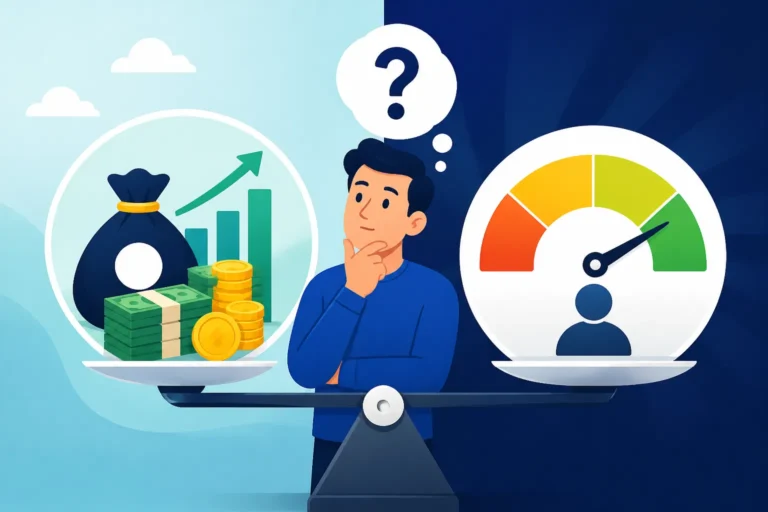
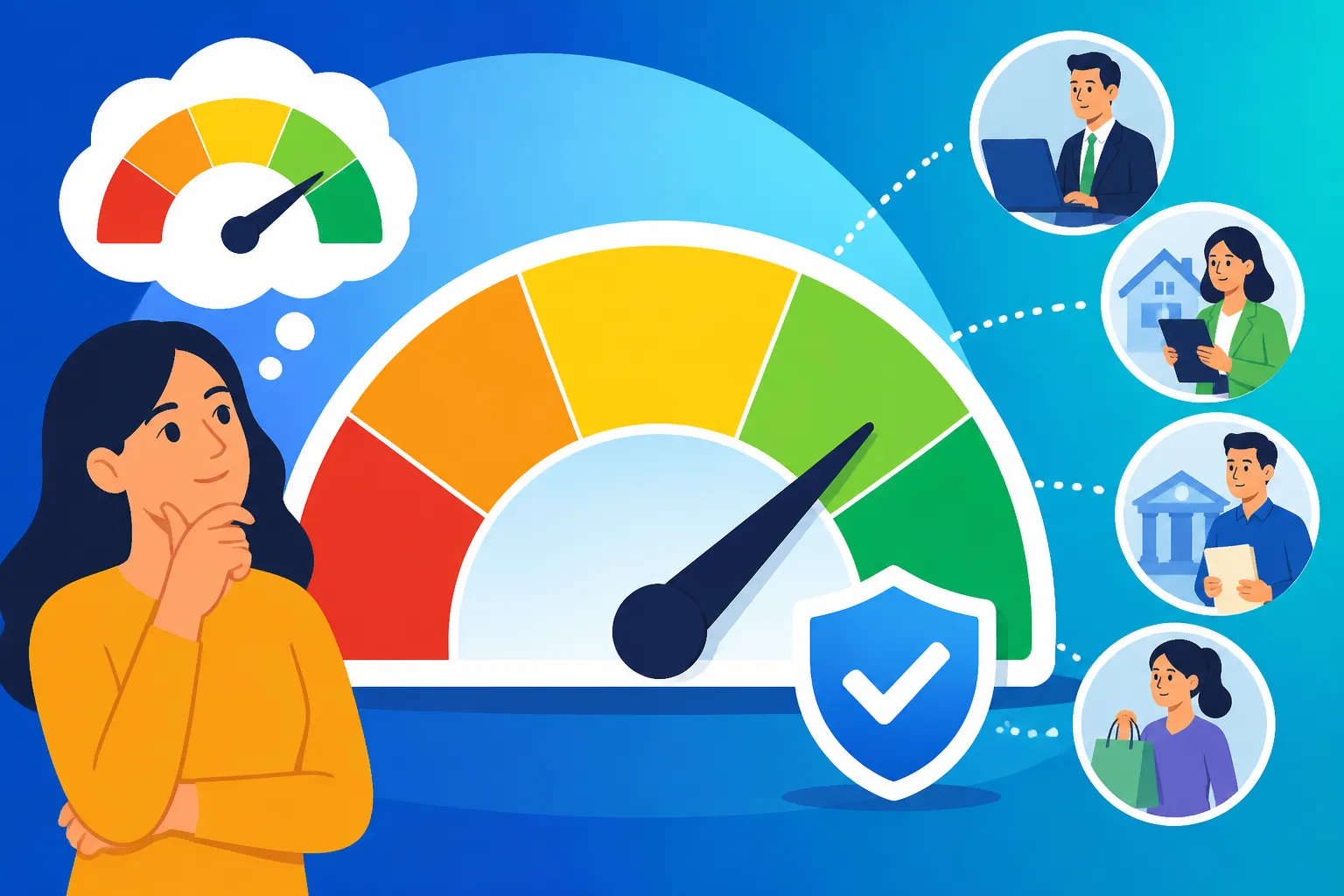
It can be incredibly confusing when you check your credit score and see a different number depending on where you look. You might be familiar with the FICO score, but then a lender or a credit monitoring service throws another term at you: VantageScore. This discrepancy can leave you scratching your head, wondering which score is the "real" one, why there are multiple scores, and how they actually affect your financial life. This comprehensive guide is here to untangle the complexities of VantageScore, explaining what it is, how it differs from other scoring models, and how it impacts your ability to get loans, credit cards, and even rent an apartment.
What Exactly Is a VantageScore?
VantageScore is a credit scoring model developed by the three major credit bureaus – Equifax, Experian, and TransUnion – in a joint venture. It first launched in 2006 as an alternative to the dominant FICO score, aiming to provide a more consistent scoring model across all three bureaus and to score a broader population of consumers, especially those with limited credit history. In essence, it's a sophisticated algorithm that analyzes the information in your credit report to predict how likely you are to repay a debt.
The Genesis of VantageScore
Before VantageScore came along, each of the three credit bureaus offered its own proprietary scores alongside FICO scores, leading to a patchwork of different numbers and methodologies that could be baffling for consumers and lenders alike. The idea behind VantageScore was to create a single, unified scoring model that could be applied consistently using data from any of the three bureaus. This standardization was intended to simplify the lending process and offer more clarity. While it didn't completely replace other scores, it certainly added a significant player to the credit scoring arena, and today, various versions of VantageScore are widely used.
Scoring a Wider Audience
One of the most notable aspects of VantageScore is its ability to score consumers with "thin" credit files. Traditional FICO models often require a minimum of six months of credit history and at least one account reported to the credit bureaus within the last six months to generate a score. VantageScore, particularly its newer iterations like VantageScore 3.0 and 4.0, can often generate a score with just one month of credit history and a single tradeline, or even by including non-traditional data like utility and rent payments if they are reported to the bureaus. This inclusivity is a huge advantage for young adults, new immigrants, or anyone just starting their credit journey, offering them a pathway to financial products they might otherwise be denied. For those wondering how to build credit from scratch, understanding VantageScore's approach to thin files can be particularly encouraging.
How VantageScore Is Different From FICO
While both VantageScore and FICO scores aim to assess your creditworthiness, they use different methodologies, weighting factors, and even score ranges. This is why you often see discrepancies when comparing scores from different sources. Understanding these core differences is crucial to interpreting your credit health accurately.
Different Scoring Ranges
Perhaps the most immediately noticeable difference between FICO and VantageScore is their scoring ranges. For many years, FICO scores typically ranged from 300 to 850, a standard that most consumers came to recognize. Early versions of VantageScore used different ranges, which added to the confusion. However, since VantageScore 3.0, the model has adopted the familiar 300-850 range, making it superficially seem more similar to FICO. Despite this identical range, the specific thresholds for "excellent," "good," "fair," and "poor" credit can still vary slightly between the two models. It's important to remember that even with the same numerical range, the underlying calculations are distinct. You can dive deeper into this comparison with our guide on FICO Score vs VantageScore: What's the Difference?.
Here's a quick comparison of general score ranges:
| Score Range | FICO Rating (General) | VantageScore Rating (General) |
|---|---|---|
| 800-850 | Exceptional | Excellent |
| 740-799 | Very Good | Good |
| 670-739 | Good | Fair |
| 580-669 | Fair | High Risk |
| 300-579 | Poor | Very High Risk |
Note: These ranges are general guidelines and can vary slightly by specific scoring model versions and lenders.
Weighting of Credit Factors
Both FICO and VantageScore consider similar categories of information from your credit report, but they assign different weights to each. This difference in weighting is a primary reason for score variations.
- FICO's Key Categories (General): Payment History (35%), Amounts Owed (30%), Length of Credit History (15%), New Credit (10%), Credit Mix (10%).
- VantageScore's Key Categories (General, not precise percentages): Total Credit Usage & Balances, Credit Mix & Experience, Payment History, Age of Credit History, New Credit, Available Credit.
VantageScore tends to put a slightly stronger emphasis on "total credit usage and balances" and "credit mix and experience" compared to FICO. For example, if you have a perfect payment history but high credit utilization, your VantageScore might be more negatively impacted than your FICO score, or vice-versa, depending on other factors. This subtle shift in emphasis means that a consumer's financial habits could result in one score being higher or lower than the other. Understanding What Affects Your Credit Score? The 5 Factors can help you see how these different weightings play out.
The Role of "Trended Data"
A significant development in VantageScore 4.0 is its incorporation of "trended data." While FICO traditionally looks at your current credit data snapshot, VantageScore 4.0 analyzes how you've managed your credit over time, specifically focusing on how your balances and payments have trended over the last 24 months. For instance, if you've consistently been paying more than your minimum payment or steadily reducing your balances, VantageScore 4.0 will reward that positive trend. Conversely, if your balances have been consistently increasing, even if you're making minimum payments, it might be viewed less favorably. This approach offers a more dynamic and nuanced view of your financial behavior, rather than just a static snapshot.
Who Uses VantageScore and Why
It's natural to wonder, if FICO is so prevalent, why do we need VantageScore, and who actually uses it? The reality is that both scoring models have a significant presence in the financial world, and many lenders, businesses, and consumers interact with both, sometimes without even realizing it.
Widespread Adoption by Lenders and Services
While FICO remains a powerhouse, especially in mortgage lending, VantageScore has gained considerable traction across various sectors. Many credit card issuers, personal loan lenders, and auto lenders use VantageScore to assess applicants. For example, you might apply for a credit card through an online lender and find they pull your VantageScore, or you might check your free credit score through a popular app and see a VantageScore provided. This widespread adoption means that understanding your VantageScore is just as important as knowing your FICO score. It reflects a growing recognition among financial institutions that having diverse scoring models can provide a more comprehensive risk assessment, especially with evolving consumer data.
Many credit monitoring services, including some of the big names, also provide VantageScores. This is partly because the data is readily available from the credit bureaus, and offering a VantageScore can be less costly than licensing FICO scores, making it a viable option for free credit score platforms. If you check your credit score for free through various apps or services, there's a good chance you're looking at a VantageScore.
Benefits for Lenders
For lenders, VantageScore offers several advantages. Its ability to score consumers with thin credit files means they can potentially reach a wider pool of eligible applicants. This is particularly valuable for newer lenders or those targeting demographics that might not have extensive credit histories. Furthermore, the use of trended data in VantageScore 4.0 provides a deeper insight into a borrower's financial habits over time, allowing lenders to make more informed decisions about risk. This can lead to more accurate pricing of loans and better risk management. Companies like Credit Strong, which often cater to individuals looking to establish or rebuild credit, might find VantageScore's broader scoring capabilities particularly useful when evaluating potential customers who are proactively working on their credit health.
The Consumer Experience of Multiple Scores
For you, the consumer, the existence of multiple credit scores can be a source of frustration. You might apply for a loan after seeing a "good" score from one source, only to be denied or offered less favorable terms because the lender used a different scoring model, or even a different version of the same model, to evaluate you. This is why it's always recommended to check your credit report from all three major bureaus regularly and understand that different lenders use different tools. Don't be surprised if your Equifax VantageScore is slightly different from your Experian FICO score. It's not necessarily an error; it's just how the system works. Our guide on Why Is My Credit Score Different on Different Sites? provides more context on this common issue.
Understanding Your VantageScore Factors
To truly understand and improve your VantageScore, it's essential to break down the key factors it considers. While the exact weighting percentages aren't publicly disclosed like FICO's, the model clearly prioritizes certain aspects of your credit behavior.
Total Credit Usage and Balances
This factor, often referred to as credit utilization, is generally considered the most influential for VantageScore. It looks at how much of your available credit you are currently using. If you have a credit card with a $10,000 limit and you've spent $8,000, your utilization is 80%, which is quite high. VantageScore, like FICO, views high utilization as a red flag, indicating potential financial distress or over-reliance on credit. The lower your credit utilization, the better. Most experts recommend keeping your overall utilization below 30%, and ideally even lower, closer to 10%, across all your credit accounts. Consistently paying down balances, especially on revolving credit like credit cards, will have a very positive impact on this factor.
This is especially critical because high utilization can cause significant drops in your score. Even if you pay your bills on time, a high balance reported to the bureaus can drag your score down. Think of it this way: if a lender sees you constantly maxing out your cards, they might worry you're stretched too thin, even if you manage to make the payments. Keeping track of your utilization and making efforts to lower it is one of the fastest ways to see an improvement in your score.
Credit Mix and Experience
This factor assesses the different types of credit accounts you have (or have had) and how long you've managed them. Having a healthy mix of both revolving credit (like credit cards) and installment loans (like car loans or mortgages) can signal to VantageScore that you're capable of managing different financial responsibilities. It's not about having many accounts, but rather demonstrating responsible use across a varied portfolio. For someone just starting out, this can be challenging. However, even a single secured credit card or a credit builder loan can start to establish this "credit mix and experience." Building credit takes time, and demonstrating responsible use across different account types over an extended period helps. Companies like Credit Strong offer credit builder loans that can add a positive installment loan to your credit mix, helping to bolster this factor.
The "experience" part of this factor also ties into the length of your credit history. The longer you've successfully managed various types of credit, the more seasoned and reliable you appear to lenders. This is why closing old accounts, even if they have no balance, can sometimes be detrimental, as it shortens your average account age.
Payment History
It almost goes without saying, but your payment history is paramount. VantageScore places significant weight on whether you pay your bills on time, every time. Late payments, especially those 30, 60, or 90+ days past due, can severely damage your score. A single missed payment can cause your score to drop considerably, and multiple late payments can make it very difficult to secure new credit or favorable interest rates. Establishing a solid track record of on-time payments is foundational to having a good credit score, regardless of the model.
Even a payment that's only a few days late might not get reported to the credit bureaus as a "late payment" if you catch up quickly. However, a payment that's 30 days or more overdue will typically be reported, and its impact can linger for years. Setting up automatic payments, reminders, or simply being diligent about due dates is crucial. If you're struggling, contacting your creditors before a payment becomes severely overdue can sometimes help mitigate the damage.
Improving Your VantageScore
Improving your VantageScore involves consistent, disciplined financial habits. While there's no magic bullet, focusing on the key factors and making smart choices will gradually lead to a healthier score.
Reduce Credit Utilization
Since total credit usage and balances are a major factor, actively working to reduce your credit utilization is one of the most effective steps you can take. This means paying down your credit card balances as much as possible, ideally keeping them below 10-20% of your available credit. If you have multiple cards, try to spread your spending or pay down the cards with the highest utilization first. Remember, your credit report typically updates once a month, so reducing your balances before your statement closing date can lead to a quicker improvement in your reported utilization.
For example, if you have a card with a $2,000 limit and you regularly keep a $1,000 balance, your utilization is 50%. By reducing that balance to $200, you drop your utilization to 10%, which could significantly boost your score. If you find yourself struggling to lower balances, consider strategies like a balance transfer to a 0% APR card, if you qualify, or using the debt snowball or debt avalanche method to tackle your debt. You can learn more about how to strategically manage this in our guide, How to Lower Your Credit Utilization Fast.
Maintain a Positive Payment History
This is non-negotiable for a good credit score. Make every payment on time, every single time. Set up automatic payments for all your credit accounts, even if it's just the minimum. If you're in a tough spot and can't make a payment, contact your creditor immediately. They might be willing to work with you on a payment plan or offer a temporary deferral, which is always better than having a late payment reported to the credit bureaus. Consistent, on-time payments demonstrate reliability, which is what both FICO and VantageScore are designed to measure.
Even if you have past late payments, don't despair. The impact of negative items lessens over time. By maintaining a perfect payment record going forward, you'll gradually overshadow those past mistakes, and your score will begin to recover. It might take time, but the effort is always worth it.
Build a Diverse and Long Credit History
As discussed, VantageScore values a healthy credit mix and a long history. If you only have credit cards, consider a small installment loan, like a credit builder loan. Companies such as Credit Strong specialize in these loans, which are designed to help you save money while building a positive payment history and diversifying your credit mix. The payments you make on these loans are reported to the credit bureaus, helping to establish a positive tradeline.
Avoid closing old, paid-off accounts, especially credit cards, as this can shorten your average credit age and reduce your total available credit, which could inadvertently increase your credit utilization. The longer your accounts have been open and in good standing, the better it looks on your credit report. This longevity is a powerful indicator of stability to lenders. For those new to credit, a secured credit card is an excellent starting point, allowing you to establish a positive history without much risk. You can also explore options like becoming an authorized user on a trusted family member's credit card.
Navigating the Dual-Score Reality
Living in a world with both FICO and VantageScore models can feel like trying to hit a moving target. However, once you understand why they differ and how to manage them, it becomes much less daunting.
Don't Obsess Over Minor Differences
It's common for your FICO score and your VantageScore to differ by a few points, or even twenty or thirty. This isn't usually cause for alarm. As long as both scores are trending in the right direction (upwards!) and reflect responsible credit behavior, you're on the right track. Focus on the underlying credit habits rather than getting bogged down by slight numerical variations. The goal isn't a perfect identical score across the board, but rather a strong, healthy credit profile that both models will recognize.
Instead of fixating on a specific number from one source, think about your credit health in broader terms. Are you consistently paying on time? Is your credit utilization low? Do you have a good mix of credit? If the answer to these is yes, then your scores, regardless of the model, will reflect that positive behavior.
Understand Which Score Lenders Use
The key to navigating the dual-score reality is recognizing that different lenders use different scores. Mortgage lenders, for example, heavily favor FICO scores, often looking at specific FICO versions. Auto lenders and credit card companies might use either FICO or VantageScore, and sometimes even specialized industry-specific scores. The best practice is to ask a potential lender which credit scoring model they will use when evaluating your application. This can help you anticipate the outcome and understand the context of your application.
Knowing which score a particular lender uses can help you focus your efforts. If you're planning to buy a house, concentrating on factors that heavily influence FICO scores would be wise. If you're looking for a new credit card and know that a particular issuer uses VantageScore, then optimizing for VantageScore's primary factors will be more beneficial. Regardless of the model, maintaining sound credit practices like paying bills on time, keeping utilization low, and addressing errors will positively impact all your scores. If you're generally wondering What is a good credit score?, knowing the specific model in question can give you more accurate benchmarks.
Regularly Monitor Both Your Scores and Reports
Given the prevalence of both FICO and VantageScore, it's wise to monitor both types of scores if possible. Many financial institutions and credit card companies offer free FICO or VantageScore access to their customers. For example, Capital One CreditWise and Chase Credit Journey often provide VantageScore 3.0, while some banks like Discover and Bank of America offer free FICO scores. Beyond scores, make sure to get your full credit reports from all three bureaus (Equifax, Experian, and TransUnion) at least once a year via AnnualCreditReport.com. This allows you to spot any errors or fraudulent activity that could be affecting either score. Remember, How to Check Your Credit Score for Free is not just about the number, but about the data behind it.
By regularly reviewing your credit reports and keeping an eye on both your FICO and VantageScore, you empower yourself with a comprehensive understanding of your credit health. This proactive approach helps you identify areas for improvement, detect potential problems early, and ensures that the information lenders see truly reflects your financial responsibility.
Disclaimer
This article is for general informational purposes only and does not constitute professional advice. Laws, prices and regulations vary by location and change over time. Consult a qualified professional for guidance on your specific situation.