Is 500 a Good Credit Score?
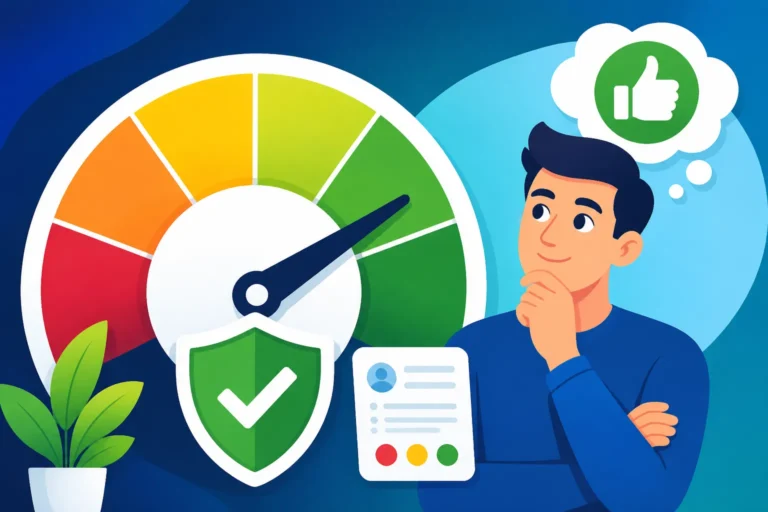
It's incredibly frustrating to check your credit score and see a number that feels disheartening, especially something around 500. It can feel like you're stuck, wondering how you'll ever qualify for a decent loan, rent an apartment without a huge deposit, or even just get a cell phone plan without jumping through hoops. But here’s the thing: a low score isn't a life sentence. This guide is all about breaking down what a 500 credit score means for your financial life and, most importantly, giving you a clear, actionable path forward to turn things around.
What a 500 Credit Score Really Means
When you see a number like 500 on your credit report, it's natural to feel a knot in your stomach. It signifies that lenders see you as a high-risk borrower. This isn't a judgment on your character, but rather a statistical assessment based on your past financial behavior. Understanding where 500 fits into the grand scheme of credit scores is the first step toward figuring out how to improve it.
Understanding Credit Score Ranges
Credit scores are typically broken down into several ranges, each indicating a different level of creditworthiness. While the exact numerical boundaries can vary slightly between scoring models like FICO Score and VantageScore, the general categories remain consistent. These ranges are designed to give lenders a quick snapshot of how likely you are to repay borrowed money.
For most scoring models, the range goes from 300 (the lowest) to 850 (the highest). An excellent score sits in the high 700s to 850, a good score is generally in the mid-600s to low 700s, and anything below that starts dipping into fair, poor, and very poor territory. These broad categories help lenders quickly assess the risk when you apply for credit. They're looking for patterns of responsible financial behavior, and unfortunately, a 500 score suggests a history that might make them pause.
The Specifics of a "Very Poor" Score
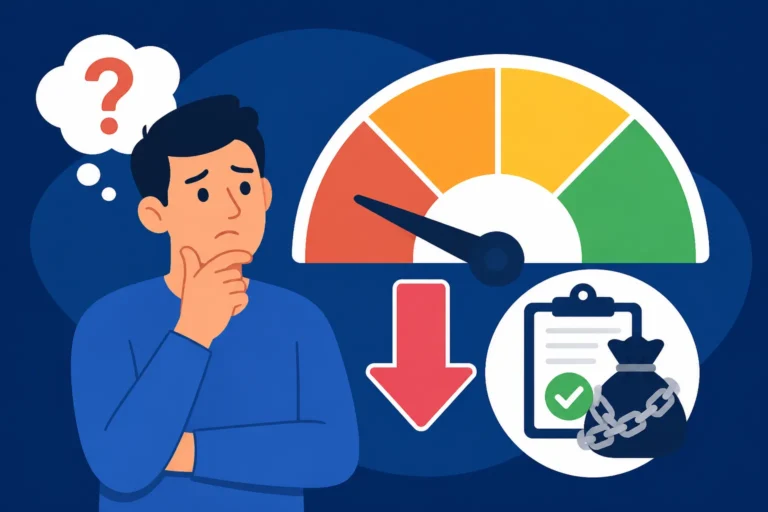
A 500 credit score falls squarely into the "Very Poor" category, often defined as scores between 300 and 579. This is the lowest tier, indicating to potential lenders that there's a significant history of missed payments, defaults, or other serious credit issues. It essentially flags you as a high-risk individual when it comes to borrowing money.
What does "high-risk" really mean? It means lenders anticipate a higher likelihood that you might not repay your debts as agreed. Because of this perceived risk, you'll find it incredibly challenging to get approved for traditional loans or credit cards. If you do get approved for anything, it will almost certainly come with less favorable terms, such as extremely high interest rates, significant upfront fees, or requirements for collateral. It’s a tough spot to be in, but it's crucial to acknowledge it so you can begin making changes.
The Tangible Impacts of a Low Score
Living with a 500 credit score isn't just about a number; it translates into real, everyday challenges that can make life more expensive and stressful. It's a barrier to many financial opportunities and even some basic necessities, making you feel like you're constantly playing financial defense.
Hurdles for Loans and Credit Cards
One of the most immediate impacts of a 500 credit score is the difficulty you'll face when trying to borrow money. Whether you're looking for a personal loan, a car loan, or even just a regular credit card, your options will be severely limited. Most traditional lenders and credit card companies simply won't approve applications from individuals with scores in this range because the risk is too high for them.
If by some chance you are approved for a loan or a credit card, prepare for some steep costs. We're talking about interest rates that can be astronomically high – sometimes 20%, 25%, or even more for personal loans. This means you'll pay a lot more over the life of the loan than someone with a good credit score, effectively making everything you buy on credit more expensive. For credit cards, you might only qualify for a secured credit card, which requires you to put down a cash deposit that serves as your credit limit. While these can be excellent tools for rebuilding, they're not the same as a standard unsecured card. You'll likely struggle to get a mortgage, as conventional lenders usually require scores in the mid-600s or higher, and even FHA loans typically need at least a 580 score for the best terms.
Daily Life and Financial Challenges
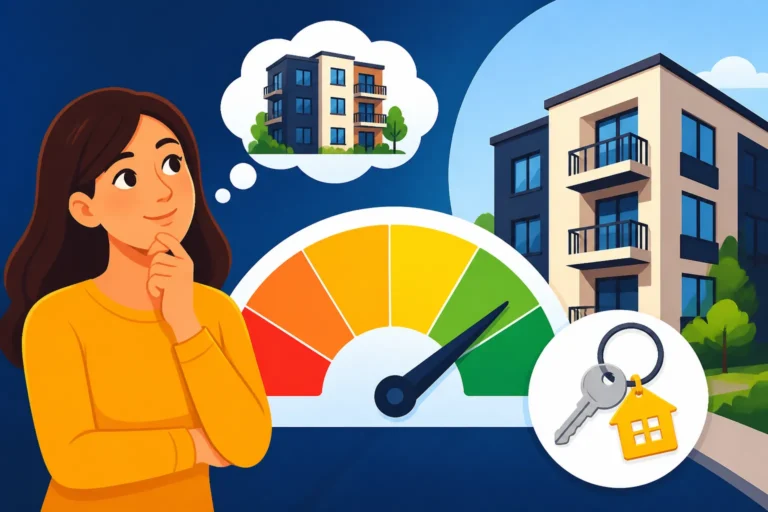
Beyond major loans, a low credit score can create unexpected hurdles in your everyday life. Thinking about moving into a new apartment? Many landlords conduct credit checks, and a 500 score could mean you're denied, or you might have to pay a much larger security deposit or find a co-signer. This makes an already stressful process even more daunting.
Utility companies, too, often check credit. If your score is low, you might be required to pay a hefty deposit to get electricity, water, or gas connected, tying up funds you might need elsewhere. The same goes for cell phone contracts; you could be stuck with prepaid plans or face higher deposits for a standard contract. Even car insurance premiums can be affected, as insurers sometimes use credit-based insurance scores to determine your rates. All these added costs and restrictions really pile up, making it feel like you're constantly penalized for past financial missteps.
Here's a quick comparison of what you might expect with a 500 score versus a good score:
| Financial Area | With a 500 Credit Score | With a 700+ Credit Score |
|---|---|---|
| Credit Card | Likely only secured cards, low limits, high APR. | Unsecured cards, higher limits, competitive APRs, rewards. |
| Personal Loan | Very difficult to get, high interest rates (20%+), fees. | Easier approval, lower interest rates (5-15%), better terms. |
| Car Loan | Denied or subprime rates (10-25%+), limited choices. | Good chance of approval, low interest rates (3-8%), wide choice. |
| Mortgage | Nearly impossible for conventional, high FHA barriers. | Easier approval, best interest rates, diverse loan options. |
| Renting | Denied or large security deposit/co-signer needed. | Easy approval, standard deposit. |
| Utility Services | Often requires a security deposit. | No deposit required. |
| Insurance Premiums | Potentially higher rates. | Potentially lower rates. |
Common Reasons for a 500 Score
It's easy to beat yourself up when you see a low credit score, but often, it's the result of specific financial events that, while impactful, are understandable. Pinpointing the causes is critical because it helps you understand what areas you need to focus on to improve.
Significant Negative History
The most common culprits behind a 500 credit score are major negative items reported to the credit bureaus. These are not just minor hiccups; they are significant red flags that severely damage your creditworthiness. Things like late payments, for instance, especially those that are 60 or 90 days past due, can drastically drop your score and stay on your report for up to seven years. It doesn't take many of these to send your score spiraling. If you have several, you're not alone in seeing a score this low.
Even more damaging are collection accounts or charge-offs. A collection occurs when a debt goes so delinquent that the original creditor gives up on collecting it themselves and sells it to a third-party collection agency. A charge-off is when the original creditor writes off the debt as a loss but still expects you to pay. Both signify a significant failure to repay a debt, and they can reduce your score by a substantial amount. For instance, a single collection account can drop your score by over 50 points, and multiple ones can be devastating. Learning How to Remove Collections From Your Credit Report or even How to Remove Late Payments From Your Credit Report can be crucial first steps. In the most severe cases, public records like bankruptcies or foreclosures will absolutely decimate a credit score, leaving it in the "Very Poor" range for years. These indicate a complete financial default and signal maximum risk to lenders.
Limited History or High Debt
Sometimes, a low score isn't due to negative marks but a lack of information for the credit bureaus to assess. If you're new to credit and have a "thin credit file," meaning very few accounts or a short credit history, your score might be low simply because there isn't enough data to establish reliability. Lenders prefer to see a track record of responsible borrowing, and without it, they err on the side of caution. This is often the case for younger individuals or those who have historically avoided credit cards and loans.
On the flip side, even if you have a decent credit history, a 500 score can result from extremely high credit utilization. This refers to the amount of credit you're using compared to your total available credit. If you have a credit card with a $1,000 limit and you're consistently carrying a balance of $900, your utilization is 90%. This signals that you're heavily reliant on credit and potentially overextended, which lenders view as a huge risk factor. Even if you're making payments, high utilization alone can drag your score down significantly. It's often recommended to keep your utilization below 30% on each card and overall for a healthy score, so if you're above that, it could be a major contributing factor to your 500 score. Understanding Credit Utilization: The Complete Guide can really help here.
Your Roadmap to a Better Credit Score
Seeing a 500 score can feel overwhelming, but it's absolutely a fixable situation. It requires patience, consistency, and a strategic approach, but with dedication, you can absolutely climb out of the "Very Poor" category and build a healthier financial future. Think of it as a journey, not a sprint.
First Steps: Get Informed and Correct Errors
The absolute first thing you need to do is get a clear picture of what's actually on your credit reports. You are legally entitled to a free copy of your credit report from each of the three major bureaus—Equifax, Experian, and TransUnion—once every 12 months through AnnualCreditReport.com. Take advantage of this. Pull all three reports, print them out, and go through them with a fine-tooth comb.
What are you looking for? Anything inaccurate or outdated. Misspellings of your name, incorrect addresses, accounts that don't belong to you, or debts that are past their reporting period (generally 7 years for most negative items). Errors are surprisingly common, and removing them can give your score an immediate, albeit small, boost. If you find errors, dispute them with the credit bureaus immediately. This is a powerful right you have, and a successful dispute can clean up your report. Check out our detailed guide on How to Get Your Free Credit Report and How to Dispute Credit Report Errors Step-by-Step for more help with this process.
Strategic Building: New Accounts and Responsible Use
Once you have a handle on what's on your report, it's time to start adding positive information. This means establishing new credit accounts and managing them responsibly. One of the best ways to do this is with a secured credit card. With a secured card, you provide a cash deposit that becomes your credit limit. This significantly reduces the risk for the issuer, making them more willing to approve you even with a low score. Use it for small, regular purchases you can pay off in full every month. This builds a positive payment history and keeps your utilization low. You can learn more about Secured Credit Cards: How They Build Credit to see if this is the right fit for you.
Another excellent option is a credit builder loan. Companies like Credit Strong offer these loans, where the loan amount is held in a locked savings account while you make regular payments. Once the loan is paid off, you get the money, and all your on-time payments are reported to the credit bureaus. This is a fantastic way to build a positive payment history and credit mix without going into actual debt. Becoming an authorized user on someone else's well-managed credit card can also help, as long as the primary user has excellent credit and low utilization. Just make sure they're someone you trust completely. For a full breakdown of these options, check out Credit Builder Loans Explained (Self, Kikoff & More) and How to Become an Authorized User to Build Credit. These steps are foundational to rebuilding from a 500 score.
Tackling Existing Debt Head-On
If existing debts are a major reason for your 500 score, you need a plan to tackle them. Start by prioritizing high-interest debts like credit card balances. Two popular strategies are the debt snowball and debt avalanche methods. The debt snowball focuses on paying off the smallest balances first to build momentum, while the debt avalanche tackles debts with the highest interest rates first to save money. Choose the one that motivates you most. You can find more information on How to Pay Off Credit Card Debt Fast.
Don't be afraid to negotiate with debt collectors if you have accounts in collections. Sometimes they are willing to settle for less than the full amount, especially if the debt is old. When negotiating, always get the agreement in writing before making any payment. In some cases, you might even be able to negotiate a "pay for delete" agreement, where the collector agrees to remove the collection from your credit report in exchange for payment, though this is not always guaranteed. These conversations can be tough, but they are crucial steps toward improving your financial standing. We have a helpful resource on How to Negotiate With Debt Collectors that can guide you. Remember, improving a 500 score takes time, but every positive action you take chips away at the problem and brings you closer to a healthier financial future. For a comprehensive overview of the entire process, consider reading How to Repair Your Credit: The Complete Guide (2026).
Disclaimer
This article is for general informational purposes only and does not constitute professional advice. Laws, prices and regulations vary by location and change over time. Consult a qualified professional for guidance on your specific situation.