Why Did My Credit Score Drop After Paying Off a Loan?
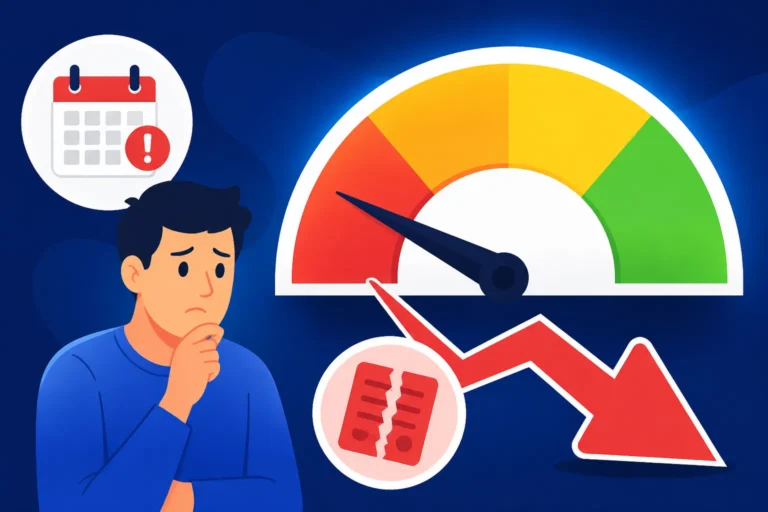
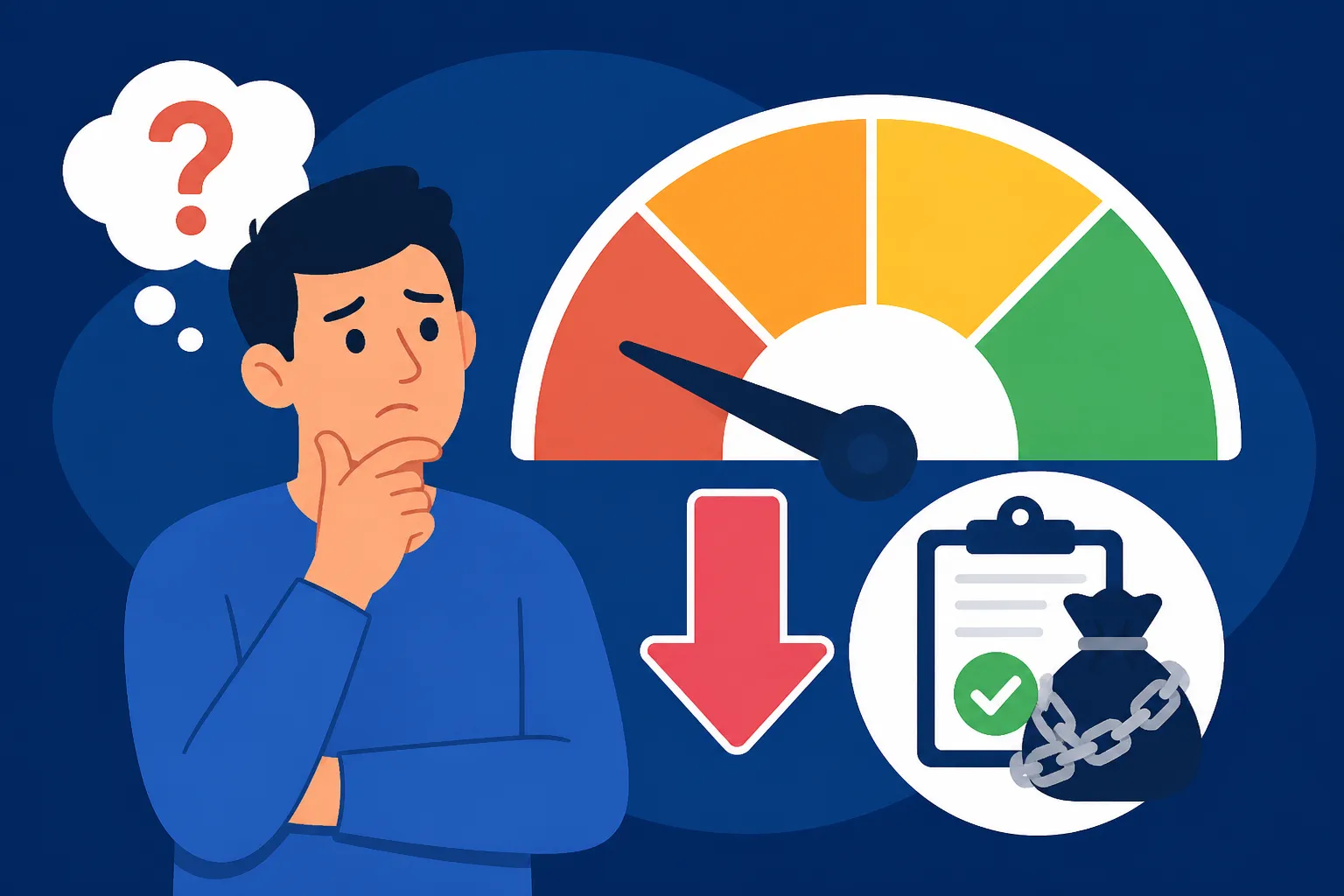
It’s a perplexing and frankly, frustrating experience: you’ve worked hard, diligently paid off a loan – maybe a car loan, student loan, or even a personal loan – and you expect your credit score to soar. Instead, you log in, heart racing, only to see it… drop. It feels completely counterintuitive, like being penalized for doing the right thing. But trust me, you're not alone, and there's a logical, albeit sometimes annoying, explanation for this phenomenon. This guide will walk you through why this happens and what steps you can take to understand and improve your score.
Understanding How Credit Scores Are Calculated
Before we dive into why your score might dip, it's crucial to grasp the fundamental components that make up your credit score. Think of your credit score not as a single, static number, but as a dynamic reflection of your overall financial behavior, built upon various factors. When one piece of that puzzle changes, even positively like paying off a loan, it can sometimes have an unexpected ripple effect on other areas. To truly understand why your score might drop, you first need to understand How Credit Scores Work: The Complete Guide.
Payment History and Amounts Owed
These two factors are the heavy hitters in your credit score calculation. Payment history, which accounts for about 35% of your FICO score, is simply whether you pay your bills on time. When you pay off a loan, you're obviously making timely payments, which is fantastic for this category. You’ve successfully fulfilled your obligation, and that positive history remains on your report.
However, "amounts owed" (around 30% of your score) isn't just about how much total debt you have; it's also about your credit utilization ratio on revolving accounts like credit cards. When you pay off an installment loan, your overall debt technically decreases, which should be good. But the type of debt you have remaining, particularly revolving debt, becomes more prominent in the calculation. If your credit card balances are relatively high compared to your available limits when that installment loan disappears, your credit utilization might appear less favorable, even if your total debt is lower. It's a nuance that can catch many people by surprise.
Length of Credit History
The age of your credit accounts also plays a significant role, contributing to about 15% of your FICO score. Lenders generally prefer to see a long, established history of responsible credit use. When you pay off a loan and that account is then marked as "closed" or "paid in full," it can impact the average age of all your credit accounts, especially if it was one of your older accounts.
Let's say you had a car loan open for five years, and it was your oldest account alongside a couple of newer credit cards. Once that car loan is paid off and closed, the average age of your active accounts might decrease, even if the account still shows on your report as paid. This slight reduction in your average credit age, particularly if you don't have many other long-standing accounts, can sometimes lead to a small, temporary dip in your score. The good news is the positive payment history of that loan will still remain on your credit report for many years, usually up to 10 years, continuing to positively influence your payment history component.
Credit Mix
Your credit mix accounts for about 10% of your FICO score. What does "credit mix" mean? It refers to the different types of credit you have, ideally a healthy blend of both installment loans (like mortgages, car loans, or student loans, where you borrow a fixed amount and pay it back over a set period) and revolving credit (like credit cards, where you have a credit limit and the amount you owe fluctuates).
Scoring models favor individuals who can responsibly manage both types of credit. When you pay off an installment loan, you're removing one type of credit from your active mix. If this loan was your only installment loan, or a significant part of your diverse credit profile, its removal can temporarily make your credit mix look less robust to the credit bureaus. This doesn't mean you should keep loans open indefinitely, but it’s a factor that can contribute to a short-term score dip as the scoring models adjust to your new credit profile. For those looking to proactively manage their credit mix or build a stronger foundation, understanding the full scope of What Affects Your Credit Score? The 5 Factors is incredibly insightful.
Common Reasons for a Score Drop After Loan Payoff
Now that we've refreshed our memory on the credit scoring factors, let's pinpoint the exact reasons why your score might not immediately jump for joy after you’ve settled up a loan. It’s often a combination of these elements, rather than one single culprit, that leads to that unexpected dip.
Reduced Credit Mix
As discussed, your credit mix is a factor in your credit score. When you pay off an installment loan, such as a car loan, a student loan, or a personal loan, that account is typically closed or marked as "paid in full" on your credit report. This means you no longer have an active installment account contributing to your credit profile. If this was your primary or only installment loan, its absence can make your credit profile look less diverse.
Credit scoring models, like FICO and VantageScore, tend to favor consumers who can demonstrate responsible management of various types of credit. They see a mix of installment and revolving credit as a sign of financial maturity and a lower risk. For example, if you had two credit cards and a car loan, and then you pay off the car loan, your active credit accounts now consist only of revolving credit. This shift can cause a small dip in your score as the models re-evaluate your credit diversity. It's not a huge portion of your score, but it can be enough to see a noticeable change.
Shorter Average Age of Accounts
This is another common reason for a temporary score dip. The length of your credit history considers the age of your oldest account, the age of your newest account, and the average age of all your accounts. When you pay off an older loan and it closes, it can potentially lower the average age of your active accounts. Even though the paid-off loan still appears on your credit report for many years (up to 10 years for positive accounts), its status as a closed account can sometimes tweak the calculation.
Imagine you had a 7-year-old student loan, a 5-year-old credit card, and a 2-year-old credit card. Your average age of accounts would be (7+5+2)/3 = 4.67 years. If you pay off and close that 7-year-old student loan, and your credit cards remain, your active average becomes (5+2)/2 = 3.5 years. This reduction in the average age of active accounts, even if the overall history on your report remains long, can cause a minor, temporary score adjustment. This effect is usually more pronounced if the loan was one of your oldest credit lines and you don’t have many other mature accounts to balance it out.
Increased Credit Utilization on Revolving Accounts
This is often the most significant and surprising reason for a score drop after paying off an installment loan. While paying off an installment loan reduces your overall debt, it doesn't directly impact your credit utilization on revolving accounts like credit cards. Credit utilization is the ratio of your credit card balances to your total available credit, and it's a huge component (around 30%) of your credit score. Lenders typically like to see this ratio kept below 30%, with lower being even better.
Here’s the scenario: You had a $15,000 car loan and two credit cards with a combined limit of $10,000, on which you carry a $3,000 balance. Your total debt was $18,000. Once you pay off the $15,000 car loan, your total debt drops to $3,000, which feels great! However, your credit card utilization is still $3,000 / $10,000 = 30%. While your overall debt picture improved, the proportion of your debt that is revolving credit might now look higher to the scoring model relative to your available revolving credit. If the paid-off installment loan was masking a relatively high credit card utilization, its removal can expose that higher ratio and cause your score to dip. For a deep dive into this crucial factor, check out our guide on Credit Utilization: The Complete Guide.
| Credit Factor | Impact on Score | How Paying Off a Loan Might Affect It |
|---|---|---|
| Payment History | 35% | Positive payments remain, no new active payments. |
| Amounts Owed | 30% | Total debt decreases, but revolving utilization becomes more prominent. |
| Length of Credit History | 15% | Average age of accounts may decrease if it was an older account. |
| Credit Mix | 10% | Fewer active installment accounts, potentially reducing diversity. |
| New Credit | 10% | Generally unaffected by loan payoff. |
What to Do When Your Score Drops After Paying Off a Loan
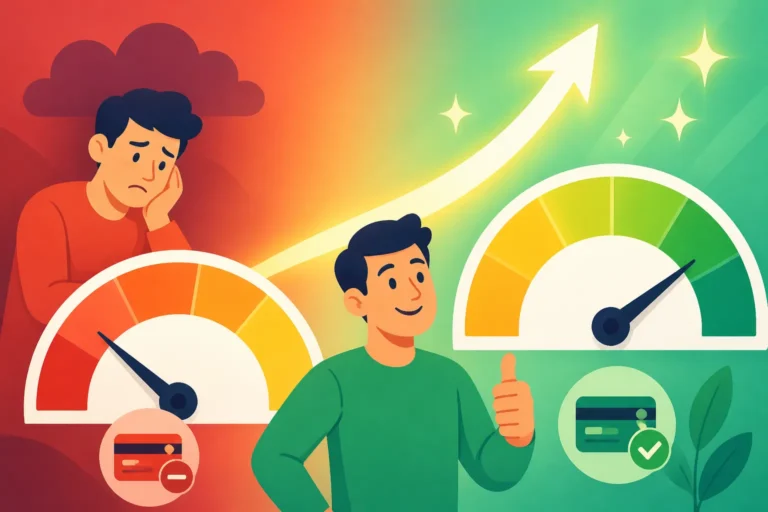
It can feel disheartening to see your score drop after such a positive financial milestone. However, it's important to remember that these drops are often temporary and manageable. The key is to be proactive and understand that credit building is an ongoing process. You can certainly recover and even surpass your previous score. For a broader strategy, consider reading How to Raise Your Credit Score (Step-by-Step).
Monitor Your Credit Reports Diligently
The very first thing you should do after any significant credit event, including paying off a loan, is to carefully monitor your credit reports. You can get a free copy of your credit report from each of the three major bureaus (Equifax, Experian, and TransUnion) annually through AnnualCreditReport.com. Take the time to review these reports thoroughly. You want to make sure the loan is correctly reported as "paid in full" or "closed with a zero balance."
Beyond verifying the loan status, look for any other discrepancies. Are there any errors in your personal information? Are there accounts you don't recognize? Sometimes, a score drop isn't directly related to the loan payoff itself, but rather an error that happened to appear around the same time. If you spot any mistakes, you'll want to dispute them promptly. Knowing How to Read Your Credit Report can empower you to catch these issues early.
Focus on Revolving Credit Utilization
Since credit utilization on your credit cards is such a powerful factor, this is where you can make a significant impact. Aim to keep your credit card balances as low as possible, ideally below 30% of your total available credit, and even lower if you can manage it – under 10% is often considered excellent. If you were carrying a balance on your credit cards, now might be the perfect time to direct any extra funds you freed up from paying off your loan towards reducing those balances.
Consider making multiple payments throughout the month rather than just one large payment at the end. Credit card companies often report your balance to the credit bureaus around your statement closing date. If you pay down your balance before that date, a lower utilization will be reported, which can give your score a boost. Even if you use your cards regularly, paying them off in full before the statement date can help you achieve a 0% utilization reported, which is often optimal for your score.
Continue to Build a Positive Credit History
Credit building is a marathon, not a sprint. After paying off a loan, it's essential to continue nurturing other aspects of your credit profile. This means consistently paying all your bills on time, every time, not just credit cards but also utilities, rent (if reported), and any remaining loans. Maintaining a long history of on-time payments is the cornerstone of a strong credit score.
If you find that your credit mix has become too skewed towards revolving credit, or if you simply want to add another positive installment account to your report, consider options like a credit builder loan. Companies like Credit Strong offer structured programs designed to help you build credit by essentially saving money in a certificate of deposit (CD) while making regular payments, which are reported to the credit bureaus. This can be a smart way to reintroduce an installment loan to your report and diversify your credit mix without taking on new, significant debt. Another option could be to look into secured credit cards, which can also help you continue to build positive payment history. For a detailed roadmap on building your credit, refer to How to Build Credit From Scratch (2026 Guide).
Patience and Perspective
It’s easy to panic when you see your credit score drop, especially when you feel like you did everything right. However, most drops after paying off a loan are small and temporary. Credit scores are dynamic; they fluctuate based on the information reported to the bureaus. The positive payment history of your paid-off loan will continue to reflect favorably on your report for years, slowly mitigating any temporary dips caused by changes in credit mix or average age of accounts.
The most important thing is that you eliminated a debt, which is a fantastic achievement for your financial health. Focus on maintaining excellent payment habits, keeping your credit card utilization low, and checking your credit reports regularly for accuracy. Over time, your score will rebound and likely grow stronger as your overall credit profile continues to mature and your responsible financial behavior shines through. Understanding How Long Does It Take to Improve Your Credit Score? can help set realistic expectations for recovery.
Disclaimer
This article is for general informational purposes only and does not constitute professional advice. Laws, prices and regulations vary by location and change over time. Consult a qualified professional for guidance on your specific situation.