How to Raise Your Credit Score From 620 to 680
It's incredibly frustrating, isn't it? You've worked hard, paid some bills on time, and yet your credit score feels stuck in the fair range, hovering around 620. This can make everything from getting approved for a new apartment to securing a decent interest rate on a car loan feel like an uphill battle. This guide is here to walk you through proven strategies to climb out of that 620 range and reach a solid 680, opening up a world of better financial opportunities.
Understanding the Journey from 620 to 680
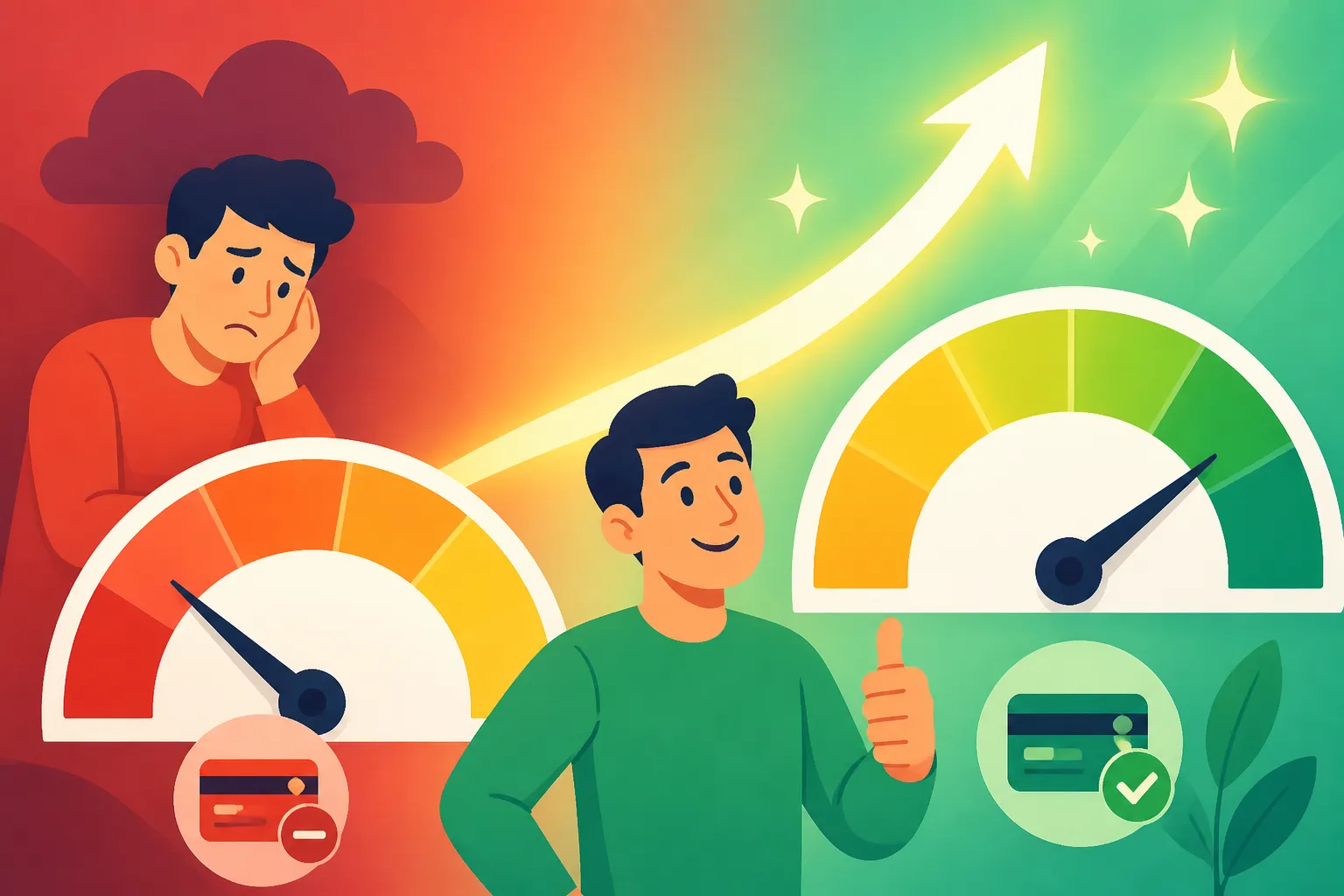
When your credit score sits at 620, you're squarely in what's often called the "fair" credit range. While this isn't considered "bad" credit, it certainly isn't "good" either, and lenders definitely see a difference. Moving from 620 to 680 means transitioning from fair to good credit, a significant jump that can positively impact your financial life in numerous ways.
What a 620 Credit Score Represents
A 620 credit score generally signals to lenders that you carry some level of risk. Perhaps you've had a few late payments in the past, or maybe your credit history is relatively short. You might have a higher credit utilization ratio, meaning you're using a large portion of your available credit. Whatever the underlying reasons, a 620 score often translates into practical challenges:
- Higher Interest Rates: When you're approved for loans or credit cards, you'll likely be offered higher interest rates compared to someone with a better score. This means you'll pay more over the life of the loan or carry a higher cost on your credit card balances.
- Limited Loan Options: Many prime lenders may be hesitant to approve you for significant loans like mortgages or car loans. You might find yourself relegated to subprime lenders who cater to higher-risk borrowers, often with less favorable terms.
- Difficulty with Rentals and Utilities: Landlords often check credit scores, and a 620 might lead to a higher security deposit or even outright denial. Utility companies might also require deposits, adding to your upfront costs.
- Smaller Credit Limits: New credit cards you apply for will likely come with lower credit limits, which can quickly lead to high utilization if you're not careful.
It's a tough spot to be in because it feels like you're constantly paying a "poor credit tax" on everything.
The Advantages of a 680 Credit Score
Crossing the threshold into the 680 range, which is considered "good" credit, is like unlocking a new level in your financial life. This isn't just an arbitrary number; it genuinely changes how lenders perceive you and the opportunities available to you.
- Better Interest Rates: With a 680 score, you'll start qualifying for more competitive interest rates on mortgages, auto loans, and personal loans. Over years, this can save you thousands, if not tens of thousands, of dollars. For instance, a small difference in APR on a 30-year mortgage can mean a huge sum of money staying in your pocket rather than going to the bank.
- Increased Approval Odds: You'll find it much easier to get approved for credit cards with better rewards programs, higher credit limits, and more favorable terms. Lenders will see you as a more reliable borrower.
- Lower Insurance Premiums: In many states, insurance companies use credit-based insurance scores (which are related to your credit score) to determine your premiums. A higher score can lead to lower car and home insurance costs.
- Easier Rental Approvals: Landlords are more likely to approve your applications and may even waive security deposits, making moves much smoother and less expensive.
- More Negotiating Power: With good credit, you have more leverage. You might be able to negotiate better terms on existing debts or get pre-approved for loans, giving you the confidence to shop around for the best deals.
The jump from 620 to 680 isn't just about a number; it's about gaining financial freedom and reducing the cost of living that comes with better creditworthiness.
Key Strategies to Boost Your Score from 620 to 680
So, how do you make that jump? It requires a targeted approach focusing on the factors that influence your credit score the most. The good news is, a 620 is often just a few focused efforts away from 680.
Tackle Payment History Head-On
Your payment history is the single most important factor in your credit score, accounting for about 35% of your FICO score. If you've got late payments dragging you down, addressing them is paramount.
- Pay Everything On Time, Every Time: This might sound obvious, but consistency is key. Set up automatic payments for all your bills – credit cards, loans, utilities, rent – to ensure you never miss a due date. Even one 30-day late payment can drop your score by several points, and it stays on your report for seven years. If you're struggling to make ends meet, communicate with your creditors before you miss a payment. They might offer hardship programs or temporary payment adjustments.
- Dispute Any Errors: Mistakes happen on credit reports more often than you'd think. Always check your credit report regularly for inaccuracies. If you find a late payment listed that you know you paid on time, or an account you don't recognize, dispute it immediately with the credit bureaus. You can learn more about How to Dispute Credit Report Errors Step-by-Step to ensure you follow the correct process.
- Consider a Goodwill Letter: For legitimate late payments, especially if it was an isolated incident due to a life event, a goodwill letter might help. You politely ask the creditor to remove the late payment from your report as a gesture of goodwill, especially if you have an otherwise stellar payment history with them. Sometimes, this works, and getting even one late payment removed can give your score a nice bump. This is also covered in our guide on How to Remove Late Payments From Your Credit Report.
Optimize Your Credit Utilization
Credit utilization, or how much of your available credit you're actually using, is the second most important factor, making up about 30% of your score. Lenders see high utilization as a sign that you might be over-reliant on credit, which increases their risk.
- Aim for Under 30% (and Ideally Under 10%): The golden rule is to keep your overall credit utilization below 30% across all your credit cards. For instance, if you have a total credit limit of $10,000, try to keep your combined balances under $3,000. For an even bigger boost, aim for under 10%. This shows lenders that you're responsible and not maxing out your cards. Our comprehensive guide on Credit Utilization The Complete Guide dives deep into this topic.
- Pay Down Balances Strategically: Focus on paying down the cards with the highest balances first. If you have multiple cards, paying off one completely can free up that credit limit and significantly reduce your utilization. Even if you can't pay off a card entirely, making multiple payments throughout the month instead of just one large payment at the end can help keep your reported utilization low, as creditors often report your balance on your statement closing date.
- Request a Credit Limit Increase: If your income has improved and your payment history is solid, asking for a credit limit increase on an existing card can lower your utilization without you having to pay down debt. Just make sure you don't then spend up to the new limit! This strategy can be very effective, but be aware that some lenders might do a "hard pull" for this, which can temporarily ding your score.
Address Negative Items on Your Report
Collections, charge-offs, and other derogatory marks severely impact your score. While they eventually fall off your report, taking action can sometimes accelerate improvement.
- Dispute Inaccuracies: Just like late payments, collections or charge-offs can be reported incorrectly. Get a copy of your credit report from all three major bureaus – Equifax, Experian, and TransUnion – and scrutinize every negative entry. If you find errors, dispute them. An item that cannot be verified must be removed. Our post on How to Remove Collections From Your Credit Report offers detailed steps.
- Negotiate a Pay-for-Delete: This can be a tricky strategy, but sometimes successful. If you have an old collection account, you can try to negotiate with the collection agency to remove the item from your credit report in exchange for payment. Always get this agreement in writing before you pay.
- Debt Validation: If you're unsure about the legitimacy of a collection account, you can request debt validation. This forces the collector to prove that you owe the debt and that they have the legal right to collect it. If they can't, they should remove it from your report.
Build a Positive Credit Mix and History
While payment history and utilization are king, the length of your credit history and the types of credit you manage also play a role (about 15% and 10% respectively).
- Keep Old Accounts Open: The longer your credit history, the better. Don't close old credit cards, even if you don't use them much. They contribute to the average age of your accounts and boost your total available credit, which helps your utilization.
- Consider a Secured Credit Card: If you have a thin credit file or a history of struggling with credit, a secured credit card is an excellent way to build positive payment history. You put down a deposit, which becomes your credit limit, and then use the card responsibly. This is a foundational step for many trying to build credit from scratch, or when moving past a difficult financial period.
- Explore Credit Builder Loans: These are specifically designed to help people build credit. You essentially take out a small loan, but the money is held in a locked savings account until you pay off the loan. Your payments are reported to the credit bureaus, building a positive payment history. Companies like Credit Strong offer these kinds of products, reporting your payments to all three major credit bureaus, which can be incredibly helpful for boosting your score from 620 to 680. It’s a structured way to prove your reliability. Our guide on Credit Builder Loans Explained Self Kikoff & More has more details on how these work.
- Become an Authorized User: If a trusted family member with excellent credit is willing to add you as an authorized user on one of their credit cards, their positive payment history and low utilization can reflect on your report. Just make sure they truly have good habits, as their missteps could also affect you.
Common Credit Score Pitfalls to Avoid When Raising Your Credit Score
As you work to improve your score, it's just as important to know what not to do, as certain actions can inadvertently set you back.
Opening Too Many New Accounts Rapidly
It might seem counterintuitive, especially if you're trying to build credit, but applying for and opening too many new credit accounts in a short period can actually hurt your score.
- Hard Inquiries Add Up: Every time you apply for new credit (a loan, a credit card), a "hard inquiry" is placed on your credit report. A few hard inquiries within a short timeframe signal to lenders that you might be desperate for credit or taking on too much debt, making you appear riskier. While one or two won't decimate your score, a flurry of them can. Our article on How Many Points Does a Hard Inquiry Worth? explains the impact.
- Reduces Average Age of Accounts: When you open a new account, it lowers the average age of all your credit accounts. Since the length of your credit history is a factor in your score, a younger average age can cause a slight dip. It takes time for new accounts to mature and positively contribute to your score's age factor.
- Temptation to Overspend: More available credit, especially if you've been working to pay down balances, can sometimes lead to the temptation to overspend, pushing your utilization back up. Discipline is key when adding new credit lines.
Closing Old Accounts
It might feel like a good idea to simplify your financial life by closing old, unused credit cards. However, this can be detrimental to your credit score.
- Reduces Available Credit and Increases Utilization: When you close an old credit card, you lose that credit limit. If you have balances on other cards, your overall credit utilization ratio will instantly increase, even if your balances haven't changed. For example, if you have $1,000 in debt and a total credit limit of $5,000 (20% utilization), closing a card with a $2,000 limit would drop your total available credit to $3,000, instantly pushing your utilization to over 33%.
- Shortens Credit History: Closing an old account also removes it from your active credit history after a certain period (usually around 10 years). The longer your credit history, the better, so keeping those old, established accounts open helps demonstrate a long record of managing credit responsibly. Even if you don't use them, keeping them open and active with a small, infrequent purchase (paid off immediately) is usually the better strategy.
Ignoring Your Credit Report
Many people only check their credit score when they're about to apply for a major loan. This reactive approach means you could be missing critical errors or signs of identity theft that are silently dragging your score down.
- Unnoticed Errors Impact Your Score: As mentioned, errors are common. A simple mistake like an incorrect balance, a duplicated account, or a payment incorrectly reported as late can severely impact your score. If these go unnoticed, they can prevent you from reaching your 680 goal. You can get How to Get Your Free Credit Report once a year from each of the three major bureaus.
- Identity Theft Can Run Rampant: If an identity thief opens accounts in your name, those fraudulent accounts will appear on your report, often with missed payments and high balances. If you don't check your report, these can snowball, causing significant damage that's much harder to untangle later. Regularly monitoring your report for suspicious activity is a crucial part of credit health.
Sustaining Your Improved Credit Score Long-Term
Reaching 680 is a fantastic accomplishment, but it's not a finish line. Maintaining and continuing to grow your score requires consistent effort and smart financial habits.
Consistent Positive Habits
The behaviors that got you to 680 are the same ones that will keep you there and help you climb higher.
- Never Miss a Payment: This remains the golden rule. Continue to prioritize on-time payments for all debts. If you've been using automatic payments, double-check them periodically. Missing a single payment can cause a significant score drop that can take months to recover from.
- Maintain Low Credit Utilization: Keep an eye on your credit card balances. Even as your score improves and you might qualify for higher limits, resist the urge to use them fully. Aim to keep your utilization under 10% for optimal score health. Paying off balances in full each month is the best way to achieve this and avoid interest charges altogether.
- Regularly Monitor Your Credit: Continue to check your credit reports from Equifax, Experian, and TransUnion at least once a year via AnnualCreditReport.com. Many credit card companies and banks also offer free credit score monitoring, which can give you a heads-up on changes. Catching errors early is much easier than fixing them later.
Strategic Credit Management
As your score gets better, you'll have more options, but it's important to use them wisely.
- Diversify Your Credit Mix (Cautiously): Once you've established a solid foundation with credit cards or secured loans, you might consider adding different types of credit to your mix, such as an installment loan (like an auto loan or a personal loan) if you need one. A healthy mix of revolving credit (credit cards) and installment credit (loans) can positively influence your score over time. However, only take on new debt if you genuinely need it and can afford the payments. Don't take out a loan just to "build credit" if you don't have a purpose for the funds.
- Avoid Unnecessary New Credit Applications: While new credit can be beneficial, be mindful of hard inquiries. Only apply for new credit when you truly need it or when you've identified a product with significantly better terms or rewards that you know you'll manage responsibly. For example, if you're looking to consolidate high-interest debt, applying for a balance transfer card might be a smart move, but make sure you understand the terms and fees.
- Budgeting and Financial Planning: A strong credit score is a reflection of overall financial health. Continue to develop and stick to a budget, build an emergency fund, and plan for your financial future. These habits reduce stress and prevent situations that might lead to credit score damage. For example, a credit builder loan from a provider like Credit Strong can help instill these budgeting habits as you make consistent payments towards a locked savings account. This kind of disciplined approach can be a fantastic way to reinforce your commitment to responsible financial management.
Here's a quick overview of actions and their typical impact:
| Action | Potential Score Impact | Time to See Results | Key Considerations |
|---|---|---|---|
| Pay all bills on time | High Positive | Immediate (ongoing) | Essential for long-term credit health |
| Reduce credit utilization to <30% | High Positive | 1-2 months | Aim for <10% for best results |
| Dispute credit report errors | Medium-High Positive | 1-3 months | Requires diligence and evidence |
| Remove late payments (goodwill) | Medium Positive | 1-3 months | Success is not guaranteed, depends on creditor |
| Pay-for-delete collection accounts | Medium Positive | 1-3 months | Get agreement in writing, requires payment of debt |
| Open secured credit card | Medium Positive | 6-12 months | Builds history, requires deposit, use responsibly |
| Get a credit builder loan (e.g., Credit Strong) | Medium Positive | 6-12 months | Builds payment history, savings often returned |
| Become authorized user | Medium Positive | 1-2 months | Dependent on primary account holder's habits |
| Open new unsecured credit card | Low-Medium Positive | 6-12 months | Initial hard inquiry ding, helps credit mix/age over time |
| Close old credit accounts | Low-Medium Negative | Immediate | Avoid if possible, impacts utilization and credit age |
| Too many hard inquiries (short period) | Low Negative | Immediate | Avoid applying for too much new credit at once |
Remember, improving your credit score is a marathon, not a sprint. Consistency and patience are your best allies. By focusing on these actionable steps, you'll not only reach that 680 mark but set yourself up for continued financial success.
Disclaimer
The information provided in this article is for general informational purposes only and does not constitute financial, legal, or credit advice. Always consult with a qualified financial advisor or credit counselor for advice tailored to your specific situation. Credit scores and their impact can vary based on individual circumstances and credit scoring models.