Is 600 a Good Credit Score?
It can be incredibly frustrating to check your credit score and see a number that feels… well, just okay, like a 600. You're left wondering, "Is this good enough?" or "Am I stuck with this?" This guide is here to cut through the confusion and give you a realistic, empathetic look at what a 600 credit score really means for your financial life and, most importantly, how you can move past it.
Understanding Credit Score Ranges
When you see a credit score, whether it's a FICO Score or a VantageScore, it's essentially a snapshot of your financial reliability. But what might seem like a decent number on its own often needs to be put into context with the broader ranges. A 600 score is one of those numbers that sits right on the edge, creating a lot of uncertainty for people trying to understand their standing.
Where a 600 Score Sits on the Spectrum
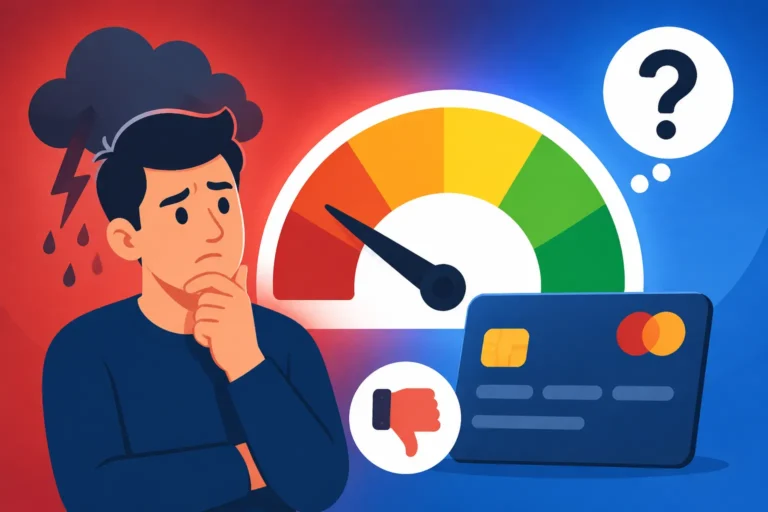
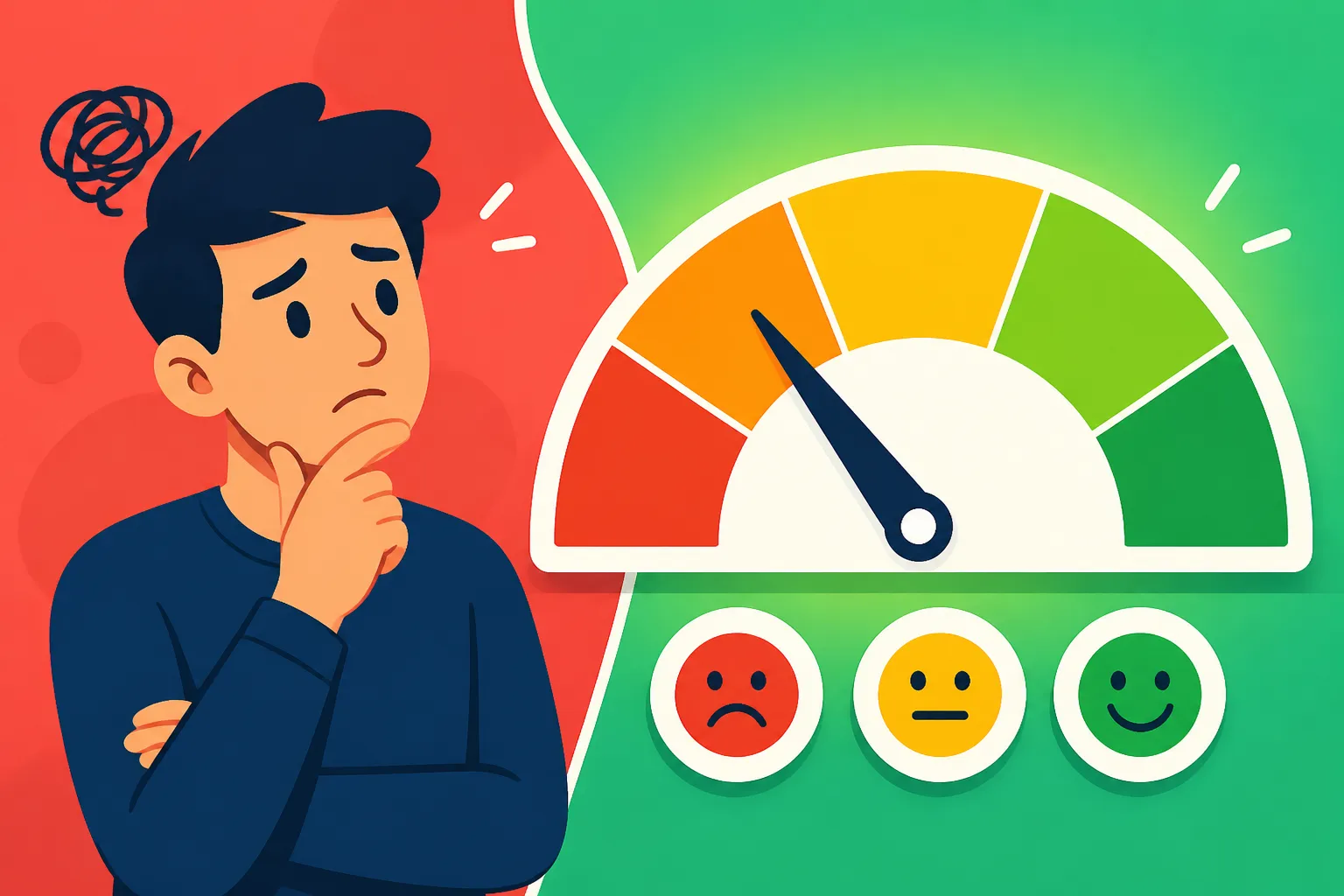
Let's be real: seeing a 600 credit score can feel like a punch to the gut, especially if you've been working hard to manage your finances. In the grand scheme of credit scores, typically ranging from 300 to 850, a 600 usually falls into the "fair" category for both FICO and VantageScore models. While "fair" might sound, well, fair, it often means you're still facing some significant hurdles compared to those with higher scores.
For a FICO Score, which is used by most lenders, a "fair" score generally falls between 580-669. A "poor" score is typically below 580, while "good" starts at 670. For VantageScore, a 600 would also land in the "fair" category, which runs from 601-660. The key takeaway here is that you're not in the "poor" range, which is great, but you're not yet in the "good" territory either. This middle ground can be tricky because it means some opportunities might be available to you, but they'll likely come with less favorable terms, leaving you feeling like you're constantly playing catch-up.
The Difference Between "Good" and "Acceptable"
This is where the rubber meets the road. A 600 credit score might be acceptable for certain financial products, meaning you won't be outright denied everywhere, but it's rarely considered "good." Think of it this way: when a lender sees a "good" credit score (typically 670 and above), they see someone who has a solid history of managing debt responsibly. This translates into lower perceived risk for them, and in turn, better interest rates and terms for you.
With a 600 score, lenders view you with a bit more caution. They might approve you for a loan or a credit card, but they'll often offset that perceived risk by charging you higher interest rates, requiring a larger down payment, or offering a lower credit limit. So, while you might get your foot in the door, it could end up costing you significantly more money over the life of the loan. It's not about being denied outright; it's about the financial penalty you pay for not having a stronger credit profile. This distinction is crucial because it highlights the real financial impact of not having a truly "good" score.
What a 600 Credit Score Means for Your Financial Life
Having a 600 credit score isn't a death sentence for your financial goals, but it does mean you'll likely encounter some speed bumps along the way. Understanding these implications is the first step toward navigating them effectively and working to improve your situation.
Access to Credit and Loan Approvals
When you're hovering around a 600 credit score, your options for new credit or loans tend to be more limited and less attractive. You might find it challenging to get approved for traditional, unsecured credit cards with competitive rewards or low interest rates. Mainstream lenders often reserve their best offers for individuals with "good" or "excellent" scores. This can feel disheartening, especially if you're trying to establish or rebuild your credit.
However, a 600 score isn't a complete barrier. You'll likely still qualify for credit products designed for people with fair credit. These often include secured credit cards, where you put down a deposit that acts as your credit limit, or specific credit builder loans. Companies like Credit Strong offer products that report your payments to the credit bureaus, helping you establish a positive payment history. While these options are available, they might not offer the most favorable terms. For instance, you might find yourself approved for a car loan, but the interest rate will likely be higher than someone with a score of, say, 700 or above. Similarly, if you're looking to rent an apartment, landlords might ask for a larger security deposit or require a co-signer, impacting your housing options. Don't worry, there are ways to understand what credit score you need for a credit card, a car loan, or even to rent an apartment, and this score is a starting point.
Interest Rates and Costs
This is where a 600 credit score really hits your wallet. Lenders calculate interest rates based on the perceived risk of lending you money. A 600 score indicates a higher risk than a score of 670 or 720, so they compensate by charging you more. This isn't just a small difference; it can add up to thousands of dollars over the lifetime of a loan.
Imagine you're buying a used car for $20,000. With a 600 credit score, you might get an interest rate of 12-18% or even higher, while someone with a good score could qualify for 5-8%. Over a five-year loan term, that difference could easily mean paying an extra $3,000 to $5,000 in interest alone. It's a significant financial burden that makes building wealth and achieving other financial goals much harder. Every percentage point matters, and with a fair score, you're unfortunately on the higher end of that scale, making everything from credit card balances to personal loans more expensive.
Other Impacts Beyond Loans
The ripple effects of a 600 credit score extend far beyond just loans and credit cards. Many service providers, like utility companies or cell phone providers, often check your credit as part of their approval process. With a lower score, you might be required to pay a security deposit to get service, tying up funds that you could otherwise use for savings or other necessities.
Even things like insurance premiums can be affected. In many states, insurance companies use credit-based insurance scores (which are related to your credit score) to help determine your rates. A lower credit score can lead to higher premiums for auto or home insurance, simply because the data suggests you might be a higher risk for filing claims. It's a frustrating reality to face, knowing that your past financial behavior can influence so many aspects of your daily life, making it more expensive to live even when you're trying your best. Understanding how landlords check your credit report is also vital, as it can impact your ability to secure housing.
Common Reasons for a 600 Credit Score
It's easy to feel overwhelmed or even ashamed when your credit score isn't where you want it to be. But a 600 score is often a symptom of specific financial events or habits, not a permanent label. Pinpointing these root causes is crucial for turning things around.
Negative Items on Your Report
One of the most common culprits behind a 600 credit score is the presence of negative items on your credit report. These are the red flags that tell lenders you've had some trouble managing credit in the past. Late payments are a huge one; even a single payment that's 30 days past due can significantly ding your score, and the later it gets (60, 90, 120 days), the worse the impact. It's a frustrating cycle because life happens, and sometimes a payment just slips through the cracks.
Beyond late payments, collections accounts are another major score depressor. This occurs when a debt becomes so delinquent that the original creditor sells it to a third-party collection agency. These accounts are a severe negative mark. Charge-offs, repossessions, or even a past bankruptcy can also drastically lower your score, sometimes for years. It's a heavy burden to carry, knowing these past issues are holding you back. Thankfully, there are processes for how to remove late payments from your credit report and how to remove collections from your credit report. If you have something as serious as a charge-off, knowing how to remove a charge-off from your credit report is also critical.
Limited Credit History
On the flip side, sometimes a 600 score isn't about bad credit, but rather not enough credit. This is often referred to as having a "thin credit file." If you're young and just starting out, or if you've always preferred to pay with cash or debit cards and avoid credit altogether, you might not have enough information on your credit report for scoring models to accurately assess your risk. Without a track record of borrowing and repaying, lenders don't have much to go on, and your score will naturally be lower.
This can feel unfair because you're being penalized for being financially responsible and avoiding debt! Building credit from scratch takes time and strategic effort. It requires opening accounts and demonstrating consistent, responsible usage. Many people find themselves in this situation, feeling stuck because they can't get credit without a history, but can't build a history without credit. It's a classic catch-22, but not an insurmountable one.
High Credit Utilization
Perhaps one of the most impactful, yet often overlooked, factors affecting a 600 credit score is high credit utilization. This refers to the amount of credit you're currently using compared to the total amount of credit available to you. For example, if you have a credit card with a $1,000 limit and you owe $800, your utilization is 80%. Credit scoring models see high utilization as a sign that you might be over-reliant on credit or struggling financially, even if you make all your payments on time.
The general rule of thumb is to keep your credit utilization below 30% across all your accounts. If you're consistently using more than that, even if you pay your bills in full each month, your score will suffer. It's a silent killer for your credit score because many people don't realize how significantly it impacts them. You could be making perfect payments, but if your balances are high relative to your limits, your score will remain suppressed. Understanding your credit utilization is key to managing your score effectively. This is why knowing how much of your credit limit you should use is so important.
Actionable Steps to Improve a 600 Credit Score
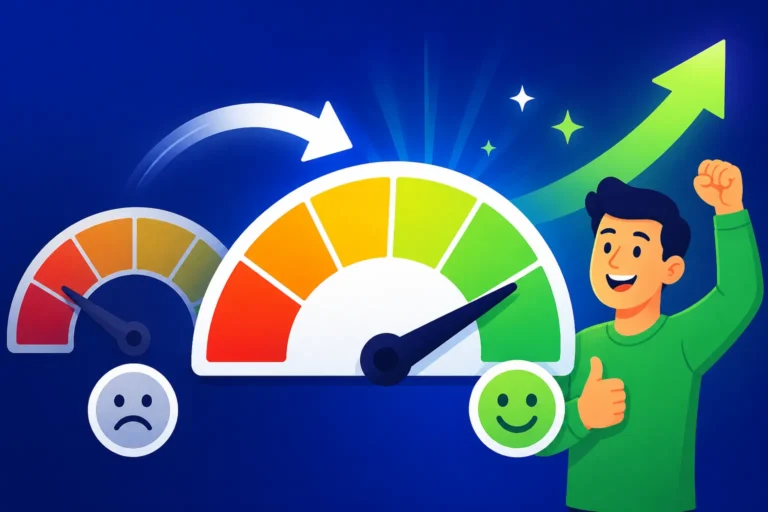
The good news is that a 600 credit score is definitely improvable! It takes dedication and strategic effort, but with the right approach, you can see significant gains. Here are some concrete steps to start your journey toward a better credit score.
Reviewing Your Credit Reports
Before you can fix anything, you need to know exactly what you're up against. The absolute first step is to get copies of your credit reports from all three major bureaus: Equifax, Experian, and TransUnion. You are legally entitled to a free copy of each report once every 12 months through AnnualCreditReport.com. Take advantage of this! Many people don't realize how crucial it is to inspect these reports meticulously.
Once you have them, sit down and read through every single entry. Look for inaccuracies, outdated information, or accounts that you don't recognize. These could be errors that are unfairly dragging down your score. For instance, you might find a late payment reported incorrectly, an old collection that should have fallen off your report, or even a fraudulent account opened in your name. Knowing how to read your credit report is empowering, as it puts the information directly in your hands. This step is foundational for how to raise your credit score.
Addressing Negative Marks
After reviewing your reports, if you find errors, don't just sigh and accept them. You have the right to dispute inaccurate information with the credit bureaus. This process involves gathering evidence to support your claim and formally notifying the bureaus. For example, if a late payment is incorrectly reported, provide proof of your on-time payment. The bureaus are legally obligated to investigate your dispute within a certain timeframe, usually 30 days. Learning how to dispute credit report errors is a critical skill for any credit builder.
For legitimate negative items like collections or charge-offs, you might still have options. One common strategy is to negotiate with the collection agency. Sometimes, you can offer a "pay for delete" arrangement, where they agree to remove the item from your report in exchange for payment. While not all collectors agree to this, it's worth exploring. Another option for late payments is sending a goodwill letter, especially if you have an otherwise stellar payment history with that creditor. It’s not guaranteed, but a polite request can sometimes lead to a positive adjustment. These strategies can be powerful tools for how to remove collections from your credit report or how to remove late payments from your credit report.
Building Positive Credit Habits
This is the long-game strategy that ultimately lifts your score and keeps it high. The most crucial habit is consistent, on-time payments. Payment history is the biggest factor in your credit score, accounting for 35% of your FICO Score. Set up automatic payments or calendar reminders to ensure you never miss a due date again.
Next, focus on reducing your credit utilization. Remember, keeping it below 30% is ideal. Pay down your credit card balances as much as possible. If you can pay off your statement balance in full each month, even better. If you don't have much credit history, or if your current score prevents you from getting traditional cards, consider credit-building products. Secured credit cards require a deposit but report to the bureaus, helping you build a positive history. Credit builder loans, like those offered by Credit Strong, are another excellent option. With Credit Strong, you make small payments over time, which are reported to the credit bureaus, and at the end of the term, you get access to the money you've saved. It’s a smart way to build a positive payment history and savings simultaneously. Explore options like credit builder loans explained (Self, Kikoff & More) and secured credit cards: how they build credit to find what works best for you.
Here's a quick look at how your financial landscape changes with a better score:
| Feature | With a 600 Credit Score | With a 700+ Credit Score (Good to Excellent) |
|---|---|---|
| Credit Card Access | Limited to secured cards, subprime offers, high APRs. | Wide access to premium cards, low APRs, rewards. |
| Mortgage Approval | Difficult, requires FHA loans, higher interest, larger down payments. | Easier approval, conventional loans, lower interest. |
| Auto Loan Rates | High interest rates (e.g., 12-18%+) | Lower interest rates (e.g., 5-8%-) |
| Rentals | May require larger security deposits, co-signers, or limited options. | Smooth approval, sometimes lower deposits. |
| Insurance Premiums | Potentially higher rates due to credit-based insurance scores. | Often lower rates. |
| Utility Deposits | Likely required for new services. | Rarely required. |
This table clearly illustrates the tangible benefits of moving beyond a 600 credit score. Every point you gain can lead to real savings and increased financial freedom.
Disclaimer
This article is for general informational purposes only and does not constitute professional advice. Laws, prices and regulations vary by location and change over time. Consult a qualified professional for guidance on your specific situation.