Is 550 a Good Credit Score?
Finding your credit score stuck around 550 can feel like hitting a brick wall. It's disheartening when you know you need to make financial moves, but this number looms large, making everything seem out of reach, from a simple loan to a decent apartment. This guide is dedicated to breaking down exactly what a 550 credit score signifies in today's financial landscape and, most importantly, providing you with clear, actionable steps to start rebuilding and boosting that score.
Understanding What a 550 Credit Score Really Means
When you see a 550 on your credit report, it's easy to feel a pang of worry or even despair. But before you get too caught up in the number itself, let's unpack what it actually represents in the broader world of credit and how lenders tend to view it. Understanding its context is the first step toward knowing how to improve it.
Where a 550 Score Sits on the Spectrum
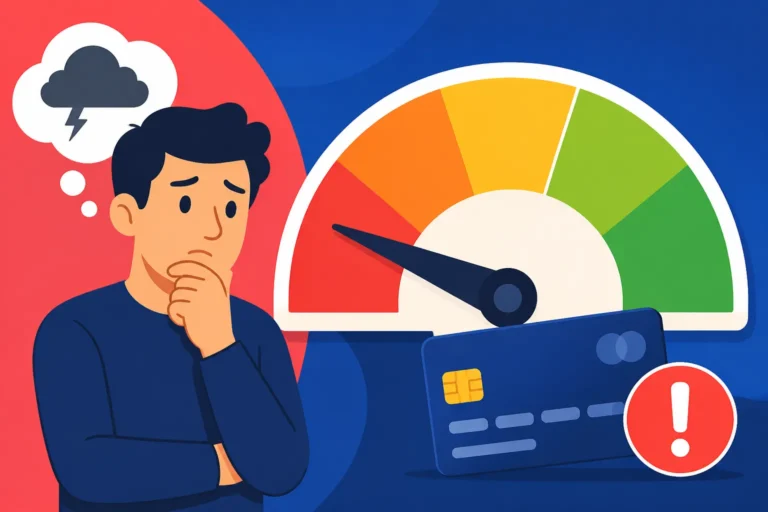
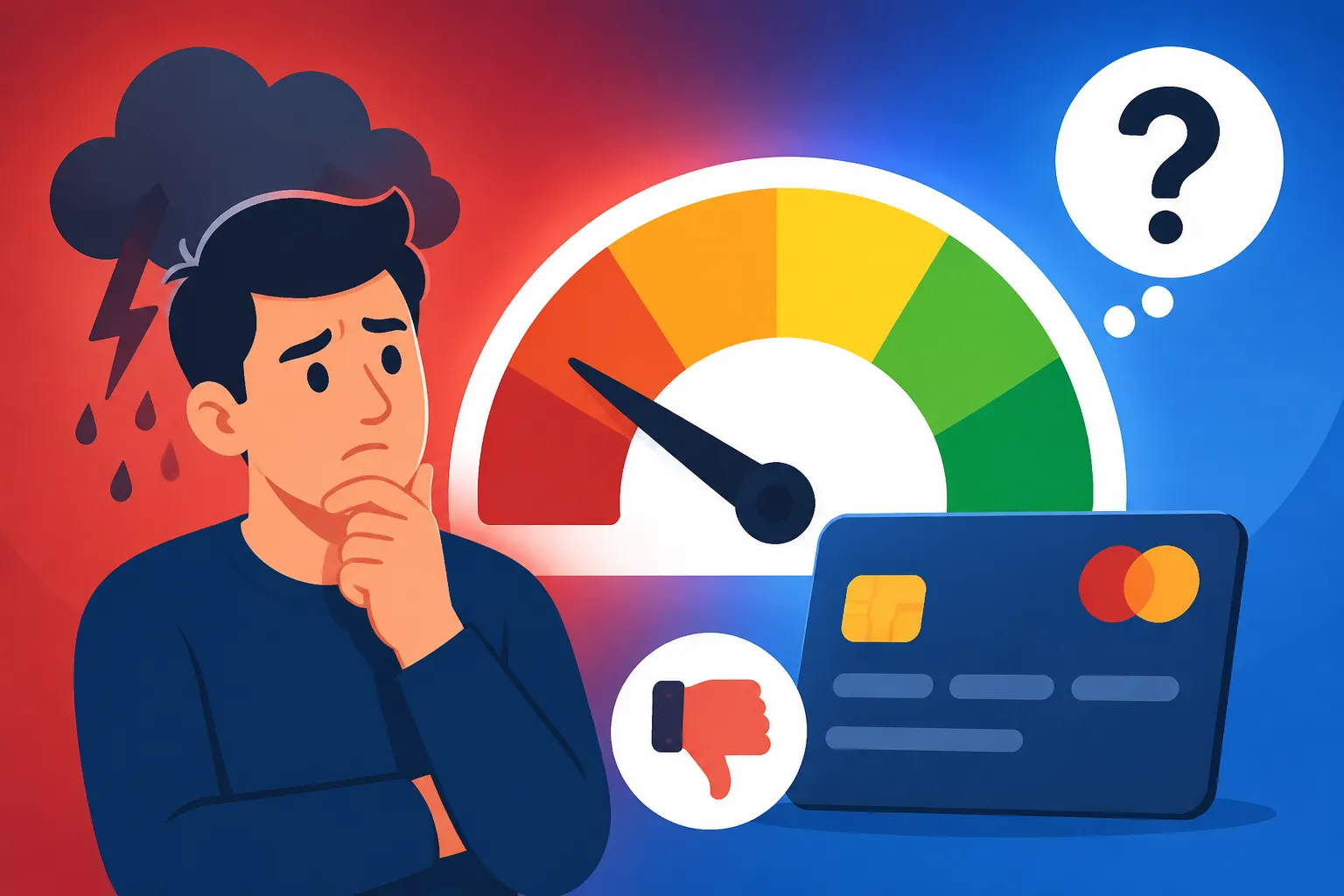
Credit scores, like FICO and VantageScore, typically range from 300 to 850. A 550 score falls squarely into the "Poor" or "Very Poor" category. To give you some perspective, here's a general breakdown of where a 550 fits:
| Score Range | Rating | What It Means for Lenders |
|---|---|---|
| 800-850 | Excellent | Best rates, easiest approvals, VIP treatment |
| 740-799 | Very Good | Great rates, easy approvals |
| 670-739 | Good | Standard rates, generally approved for most credit |
| 580-669 | Fair | Higher interest rates, some approvals, limited options |
| 300-579 | Poor | Very high interest rates, difficult approvals, subprime options only |
As you can see, a 550 score is quite low, signaling to potential lenders that you might be a higher credit risk. This doesn't mean you're a bad person or that all hope is lost, but it does mean lenders will be much more cautious when considering your applications. They’ll expect a higher likelihood of missed payments or default, and they’ll adjust their offers (or lack thereof) accordingly.
The Real-World Impact of a 550 Score
Living with a 550 credit score can feel like trying to run an obstacle course with ankle weights. It's not impossible, but it definitely makes things harder and more expensive. Lenders use your credit score to assess your trustworthiness as a borrower. A low score implies a higher risk, which directly translates into real-world consequences. For instance, if you apply for a credit card, you'll likely face very high interest rates, low credit limits, and possibly annual fees. Forget about those attractive 0% APR offers or lucrative rewards programs that are reserved for those with higher scores.
Beyond just credit cards, a 550 score can impact everything from getting a car loan with reasonable terms to securing a rental apartment. Landlords often check credit reports, and a poor score might lead to a higher security deposit requirement, a need for a co-signer, or even outright denial. Even utility companies, like your local power or internet provider, might ask for a substantial deposit before turning on your service. It's a frustrating cycle, but understanding these impacts is the first step toward breaking free. For a deeper dive into how your overall financial health is viewed, check out our guide on How Credit Scores Work: The Complete Guide.
Common Reasons for a 550 Credit Score
It's natural to wonder, "How did my score get so low?" A 550 credit score doesn't usually happen overnight; it's often the result of several factors accumulating over time. Pinpointing the causes is crucial because it tells you exactly where to focus your efforts for improvement. The good news is that most of these factors are within your control to change, even if it takes time and persistence.
Payment History and Late Payments
The single biggest factor influencing your credit score is your payment history, accounting for 35% of your FICO score. If your score is around 550, it's highly probable that you have several late payments, or even worse, collections or charge-offs on your credit report. A payment that's just 30 days late can drop your score significantly, and the impact grows with 60-, 90-, or 120-day late marks.
Imagine this scenario: you had a tough year financially, perhaps lost a job, or faced unexpected medical bills. Keeping up with every payment became impossible, and you missed a few credit card or loan payments. Each of those missed payments acts like a heavy anchor, dragging your score down. These negative marks can stay on your report for up to seven years, so even old mistakes continue to affect you. The immediate goal here is to stop the bleeding; consistently making on-time payments from this point forward is non-negotiable for anyone looking to raise their credit score. If you have late payments from the past, you might be able to explore options like sending a Goodwill Letter for Late Payments (Template + Tips).
High Credit Utilization
Another significant factor, making up 30% of your FICO score, is credit utilization. This is the amount of credit you're using compared to your total available credit. If your credit cards are maxed out, or even close to it, your utilization ratio will be very high. For example, if you have a credit card with a $1,000 limit and you owe $900, your utilization is 90% – a huge red flag for lenders.
A general rule of thumb is to keep your credit utilization below 30% on each card and overall. If your utilization creeps above this, especially past 50% or 70%, it tells lenders that you might be financially overextended and heavily reliant on credit. This perceived risk drives your score down. Even if you make your payments on time, high utilization alone can keep your score in the "poor" range. Understanding Credit Utilization: The Complete Guide is vital for improving this aspect of your score.
Short Credit History or Thin File
While not as impactful as late payments or high utilization, the length of your credit history (15% of your FICO score) and the types of credit you have (credit mix, 10%) also play a role. If you're relatively new to credit, or you only have one or two accounts, you might have what's called a "thin file." Lenders have less data to assess your creditworthiness, which can result in a lower score.
This is particularly common for younger individuals or those who have historically avoided credit cards and loans. Without a robust history of responsible borrowing and repayment, your score might struggle to climb. Think of it like a resume: the more relevant experience you have, the more qualified you appear. Similarly, a longer, diverse, and well-managed credit history looks more appealing to lenders. If this sounds like you, then learning How to Build Credit From Scratch (2026 Guide) will be immensely helpful.
Public Records and Negative Items
Finally, a 550 score can also be a consequence of more severe negative items on your credit report. These could include:
- Collections accounts: Debts sold to third-party collection agencies because they were severely past due.
- Charge-offs: When a creditor gives up on collecting a debt, writing it off as a loss.
- Bankruptcies: A legal process to relieve individuals from debt, but with a severe and long-lasting impact on credit.
- Foreclosures or repossessions: Failing to make payments on a secured loan (like a mortgage or car loan), leading to the loss of the asset.
These items have a profound negative effect on your score and can remain on your report for seven to ten years, depending on the type. While they are on your report, they will significantly depress your credit score. If you have any of these, understanding How to Remove Negative Items From Your Credit Report is a critical step in your credit repair journey.
Navigating Life with a 550 Credit Score
Having a 550 credit score isn't the end of the world, but it does mean you'll encounter some hurdles. It's about being realistic about your options and understanding that while you can still access certain financial products and services, they will likely come with less favorable terms. This section will help you set expectations and navigate the landscape with a lower score.
Getting Approved for Loans and Credit Cards
The reality is that with a 550 credit score, your options for traditional loans and credit cards will be limited. Mainstream lenders and major banks typically reserve their best products for those with "Good" or "Excellent" credit. You'll likely face:
- Higher Interest Rates: If you do get approved for a personal loan or a car loan, expect interest rates that are significantly higher than average. This means you'll pay much more over the life of the loan. For example, a car loan that might cost someone with excellent credit 5% APR could be 15% or more for you, adding thousands to the total cost.
- Secured Credit Cards: Unsecured credit cards, especially those with rewards, will be hard to come by. Instead, you'll probably need to start with a secured credit card. These cards require a cash deposit, which acts as your credit limit. It's a great tool for building credit, as long as you use it responsibly and pay on time. Discover and Capital One both offer popular secured card options. For more information, check out Secured Credit Cards: How They Build Credit.
- Credit Builder Loans: These are specifically designed for people with low or no credit. You make payments into a locked savings account, and once the loan is paid off, you get access to the funds. These loans report your payments to credit bureaus, helping to establish a positive payment history. Financial institutions and fintech companies like Credit Strong offer these types of loans, providing a structured way to demonstrate responsible borrowing. Credit Strong, for example, combines a secured savings account and a loan reporting to all three credit bureaus, which can be an effective way to improve your payment history and credit mix.
- Limited Personal Loan Options: While some lenders specialize in bad credit loans, they come with high rates and fees, and it's essential to scrutinize them carefully to avoid predatory terms.
Housing and Utilities
Your credit score isn't just about borrowing money; it affects where you can live and how easily you can get essential services.
- Renting an Apartment: Many landlords and property management companies run credit checks as part of their application process. A 550 score might lead them to view you as a higher risk. You might be asked for a larger security deposit (sometimes two or three months' rent), require a co-signer, or even be denied outright, especially in competitive rental markets. It's crucial to be upfront with potential landlords about your credit situation and highlight other strengths, like a stable income or positive rental history from previous landlords, if possible.
- Utility Services: Don't be surprised if your electric, gas, water, or internet provider asks for a security deposit to start service. They use credit checks to assess risk, and a low score suggests a higher chance of missed payments. These deposits can range from $50 to several hundred dollars, adding an unexpected upfront cost to moving or setting up new services.
Employment and Insurance
While less common, a low credit score can even subtly impact other areas of your life.
- Employment: Certain employers, particularly those in financial roles or positions of trust, may perform a credit check as part of the hiring process. This isn't usually about judging your debt levels but rather looking for signs of financial responsibility. A poor score could be a minor red flag, but it's rarely the sole deciding factor.
- Insurance Premiums: In many states, insurance companies (auto, home) use credit-based insurance scores to help determine your premiums. A lower credit score can sometimes translate into higher insurance rates because statistical models suggest a correlation between credit history and the likelihood of filing claims. This means you could be paying more for essential coverage than someone with a higher score, adding another hidden cost to a low credit score.
Your Roadmap to a Higher Credit Score
The good news is that a 550 credit score is not a life sentence. It's a starting point, and with consistent effort and strategic actions, you absolutely can improve it. The journey might take time, but every positive step contributes to a stronger financial future. This isn't about quick fixes; it's about building sustainable habits. If you're ready to learn How to Raise Your Credit Score (Step-by-Step), keep reading.
Prioritizing Your Payment History
This is the bedrock of good credit. If you take nothing else away, understand that making all your payments on time, every time, is the most powerful thing you can do for your credit score.
- Set Up Reminders: Life gets busy, and it's easy to forget a due date. Use calendar alerts, set up email or text reminders, or use your bank's bill pay features to ensure you never miss a payment. Automate as many payments as possible to minimize the chance of human error.
- Pay More Than the Minimum: While paying on time is critical, if you can afford to pay more than the minimum due on your credit cards, do it. This reduces your outstanding balance, which directly improves your credit utilization, another key factor.
- Catch Up on Past Due Accounts: If you have any accounts that are currently past due, prioritize bringing them current immediately. The sooner you resolve these, the less damage they'll do, and the clock can start ticking on positive payment history again. If a collection account is already on your report, you might explore options like Pay for Delete: Does It Really Work? or negotiating with the debt collector.
Tackling Credit Utilization
High credit utilization is a major drag on low scores. Reducing it can often lead to a relatively quick boost.
- Pay Down Balances: Focus your efforts on paying down your credit card balances. If you have multiple cards, consider strategies like the debt snowball or debt avalanche methods to tackle them efficiently. Even small payments that bring your utilization down from, say, 90% to 70% can make a difference.
- Ask for a Credit Limit Increase: Once you've shown a few months of responsible payment behavior on an existing card, you might consider asking for a credit limit increase. If approved, and you don't increase your spending, this will instantly lower your utilization ratio (more available credit, same amount used). Be cautious, though; only do this if you are confident you won't be tempted to spend more. Also, be aware that some credit limit increases might trigger a hard inquiry.
- Don't Close Old Accounts: It might seem counterintuitive to keep accounts open, especially if you've paid them off. However, closing an old credit card reduces your total available credit, which can increase your utilization ratio. Plus, it shortens your average length of credit history, another factor in your score.
Exploring Credit-Building Products
Since your score is low, you might need specific tools designed to help people in your situation.
- Secured Credit Cards: As mentioned before, these are fantastic for rebuilding. Make a deposit, use the card for small, regular purchases you can pay off immediately, and always pay your bill in full and on time. Over time, many issuers will even upgrade you to an unsecured card and refund your deposit.
- Credit Builder Loans: These are purpose-built to help you establish a positive payment history. Companies like Credit Strong report your consistent payments to the major credit bureaus, creating a positive track record. With a Credit Strong account, you're essentially saving money while building credit, which is a win-win. Look for transparent terms and ensure they report to all three major bureaus (Equifax, Experian, and TransUnion) for maximum impact.
- Authorized User Status: If a trusted family member with excellent credit is willing, becoming an authorized user on one of their credit cards can add their positive payment history and high credit limit to your report. This is a quick boost, but it relies on their responsible use and payment.
- Rent and Utility Reporting: Services like Experian Boost or similar programs can sometimes add on-time rent and utility payments to your credit report, which don't typically appear. This can help strengthen a thin file or add positive payment history.
Regular Credit Monitoring and Disputes
Knowing what's on your credit report is paramount. Errors are more common than you think, and they can unfairly suppress your score.
- Get Your Free Credit Reports: You're entitled to a free copy of your credit report from each of the three major bureaus (Equifax, Experian, and TransUnion) every 12 months via AnnualCreditReport.com. Regularly review these reports for inaccuracies. Our guide on How to Read Your Credit Report (2026 Guide) can walk you through it.
- Dispute Errors: If you find any errors—accounts that aren't yours, incorrect payment statuses, or outdated negative information—dispute them immediately. This process involves contacting the credit bureau and often the original creditor. For a detailed walkthrough, refer to How to Dispute Credit Report Errors (Step-by-Step). A successful dispute can remove a negative item and potentially give your score a noticeable bump.
- Monitor Your Score: Many banks and credit card companies offer free credit score monitoring tools. Use these to track your progress and stay aware of any changes. This proactive approach helps you spot new issues quickly and celebrate your successes as your score climbs.
Remember, improving a 550 credit score takes patience and consistency. There's no magic bullet, but by focusing on these key areas—payment history, utilization, credit-building tools like Credit Strong, and vigilant monitoring—you will see your score rise over time. The journey to a good credit score is achievable, and every step you take brings you closer to greater financial freedom.
Disclaimer
This article is for general informational purposes only and does not constitute professional advice. Laws, prices and regulations vary by location and change over time. Consult a qualified professional for guidance on your specific situation.