What Can You Get With a 540 Credit Score? (Buy a House)
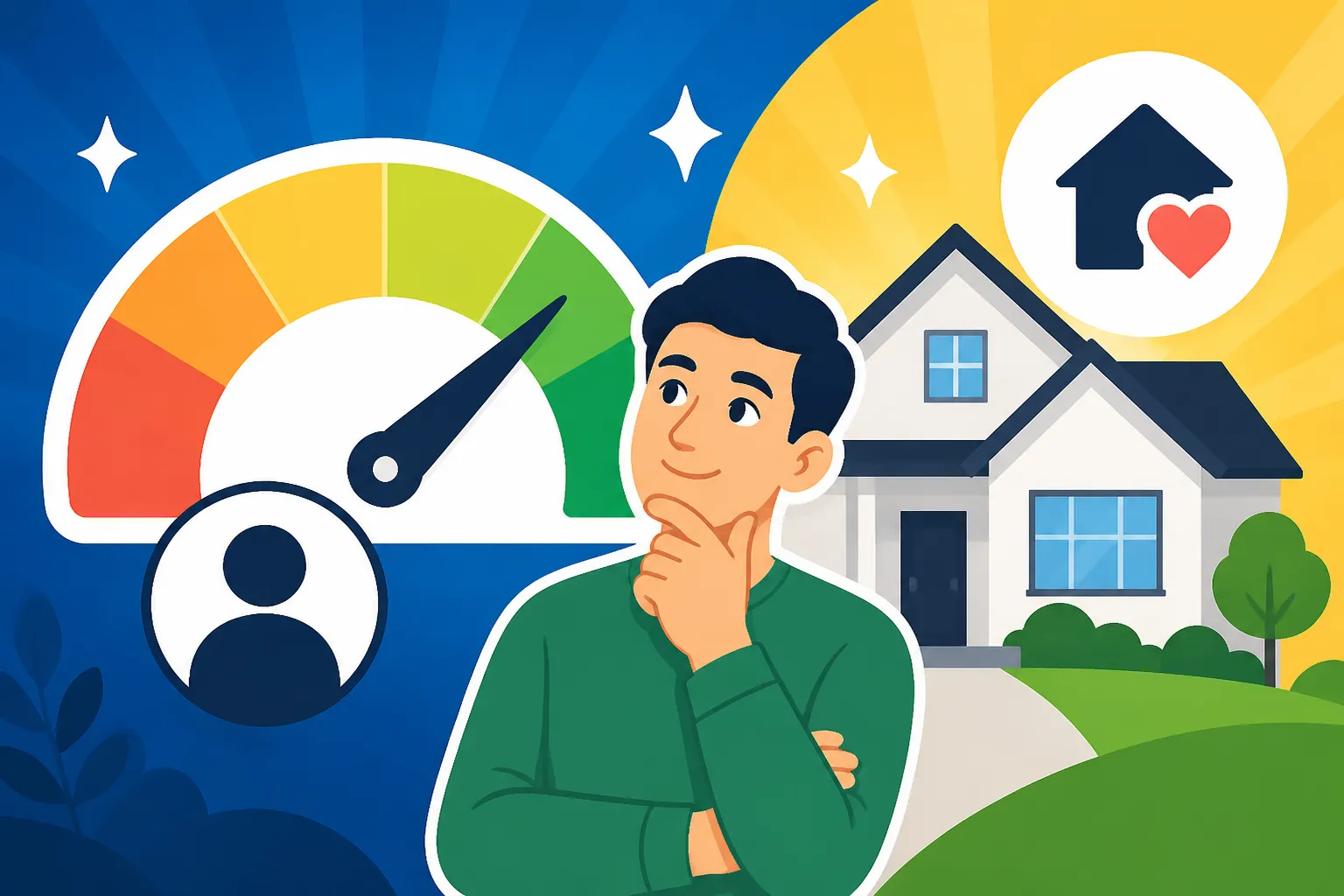
Having a credit score of 540 can feel like a huge roadblock when you're dreaming of buying a home. It's frustrating to know that your financial past might be holding you back from a major life goal. This guide is here to walk you through what exactly that 540 score means in the world of mortgages, what your realistic options are for homeownership right now, and, most importantly, actionable steps you can take to improve your credit and make that dream home a reality.
Navigating Homeownership with a 540 Credit Score: The Hard Truths
Let's be upfront: buying a house with a 540 credit score is incredibly challenging. While it's not always an absolute "no," it significantly limits your options and makes the process far more difficult than it needs to be. Lenders use your credit score as a primary indicator of your financial reliability, and a 540 score signals a higher risk. This doesn't mean you're doomed, but it does mean you need to understand the landscape and prepare for some hurdles.
Minimum Credit Score Requirements for Common Mortgages
Different types of mortgages have varying credit score requirements, and understanding these can help you identify potential pathways or realize where you need to focus your credit-building efforts. Most traditional lenders are looking for scores significantly higher than 540.
For instance, Conventional loans, which are often sought after for their flexibility, typically require a minimum FICO score of 620, and even then, a score in the low 600s will likely come with higher interest rates and stricter terms. With a 540, a conventional loan is almost certainly out of reach. These loans are not backed by the government, meaning lenders take on more risk and thus demand higher borrower qualifications.
FHA loans, insured by the Federal Housing Administration, are often considered a lifeline for buyers with lower credit scores. They are generally more flexible, with some lenders potentially approving scores as low as 500 with a 10% down payment, or 580 with a 3.5% down payment. However, it's crucial to understand that while the FHA allows these lower scores, individual lenders often set their own, higher minimums, known as "overlays." So, while a 540 technically falls within the FHA's broad guidelines for a 10% down payment, finding a lender willing to take on that risk can still be a significant challenge. You'll need a solid employment history and low debt-to-income ratio to compensate for the lower score.
Then there are VA loans for eligible service members, veterans, and surviving spouses, and USDA loans for low-to-moderate-income borrowers in eligible rural areas. Both of these government-backed programs do not have a strict minimum credit score requirement set by the government itself. This sounds promising, right? The catch, again, is lender overlays. Most lenders offering VA or USDA loans will still look for a minimum credit score, often in the 620-640 range, to mitigate their own risk. While it might be possible to find a very specialized lender willing to work with a 540, it's certainly not the norm and will require diligent searching and presenting a very strong financial picture otherwise.
| Loan Type | Typical Minimum FICO Score | Down Payment with Minimum Score | Realistic Chance with 540 Score |
|---|---|---|---|
| Conventional | 620+ | Varies, often 3-5% | Very Low |
| FHA | 500 (with 10% down) | 3.5% (with 580+ score) | Low (due to lender overlays) |
| VA | No official minimum | Often 0% | Very Low (due to lender overlays) |
| USDA | No official minimum | Often 0% | Very Low (due to lender overlays) |
The Impact of a Low Credit Score on Mortgage Terms
Even if you manage to find a lender willing to work with your 540 credit score, you need to be prepared for the financial implications. A lower credit score isn't just about whether you can get a loan; it's about the cost of that loan.
The most significant impact will be on your interest rate. Lenders charge higher interest rates to borrowers they perceive as higher risk. With a 540 score, you'd likely be looking at an interest rate that is significantly higher than someone with a good or excellent credit score. Over the 15-year or 30-year life of a mortgage, even a difference of one or two percentage points can translate into tens of thousands of dollars in extra costs. This higher monthly payment can strain your budget and make homeownership less affordable in the long run.
Beyond interest rates, you might also face demands for a larger down payment. While FHA loans can allow for lower down payments with higher scores, with a 540, lenders might require a more substantial upfront investment (like the 10% mentioned for FHA) to demonstrate your commitment and reduce their risk. This can tie up a significant portion of your savings, which could otherwise be used for emergencies or home repairs. Furthermore, you might encounter increased fees, such as higher origination fees or private mortgage insurance (PMI) rates, adding to the overall cost of buying your home. The reality is that lenders will seek to offset the risk associated with a low score by making the loan more expensive for you.
What a 540 Credit Score Signifies to Lenders
A 540 credit score isn't just a number; it's a narrative about your financial history, and it tells lenders a story that often makes them hesitant. Understanding this perspective is crucial for tackling the issue head-on. It's about recognizing the common red flags and addressing them before you approach a lender.
Understanding Your Credit Score Range
In the widely used FICO scoring model, a 540 falls squarely into the "Poor" category, which typically ranges from 300 to 579. This isn't just "not great"; it indicates a significant likelihood of late payments or other credit issues in the future, from a lender's standpoint.
When a lender sees a 540 score, they immediately think about the factors that typically cause a score to dip so low. This often includes a history of late payments, which is the biggest determinant of your credit score. If you've missed payments on credit cards, loans, or even utility bills that were reported to credit bureaus, it drastically impacts your score. Another common culprit is collections or charge-offs, where debts have become so delinquent that they've been sold to a collection agency or written off by the original creditor. These items stay on your credit report for seven years and can be devastating to your score. High credit utilization, meaning you're using a large percentage of your available credit limits, also signals financial strain and accounts for a significant portion of your score. Lastly, things like bankruptcies or foreclosures, though more severe, also land people in this score range. For a detailed look at all the elements, it's worth understanding What Affects Your Credit Score? The 5 Factors.
From a lender's perspective, a "Poor" score of 540 indicates a high risk of default. They see a borrower who might struggle to make consistent payments, potentially leading to financial losses for the lender. While your personal circumstances might be unique, the scoring models are designed to be predictive, and a 540 unfortunately predicts a challenging financial journey. This perception of high risk directly translates into either a flat-out denial or much less favorable loan terms, as discussed earlier.
Beyond the Score: Other Factors Lenders Consider
While your credit score is undeniably important, it's not the only thing mortgage lenders look at. They want a holistic picture of your financial health and stability. If your credit score is on the lower end, strengthening these other areas can sometimes help your case, although it won't entirely erase the impact of a 540.
One critical factor is your debt-to-income ratio (DTI). This compares your total monthly debt payments to your gross monthly income. Lenders want to see a low DTI because it indicates you have enough income left over to comfortably afford a mortgage payment. Even with a lower credit score, a very low DTI might make a lender slightly more comfortable, showing that you're not overextended with other debts. However, if your DTI is also high, then both signals point to a high-risk borrower, making approval nearly impossible.
Your employment history is another key piece of the puzzle. Lenders prefer to see consistent employment, ideally for two years or more, with a stable income. This demonstrates reliability and a steady source of funds to pay your mortgage. If you have a patchy work history or frequently change jobs, it can raise concerns, even if your income is currently sufficient. Furthermore, the amount of your down payment plays a huge role. A larger down payment reduces the amount you need to borrow and, therefore, the risk for the lender. If you have a 540 score but can put down a substantial down payment – say, 15% or 20% – it might offset some of the credit score risk, especially for FHA loans that allow lower scores with a 10% down payment. Finally, having financial reserves, or savings, beyond your down payment and closing costs, shows you have a buffer for unexpected expenses, making you a more attractive borrower.
Practical Steps to Boost Your Credit Score for Homebuying
The good news is that a 540 credit score is not a permanent sentence. It's a clear signal that there's work to be done, but with focused effort, you absolutely can improve it. The key is to be strategic, patient, and consistent. Think of it as a marathon, not a sprint, especially when aiming for a goal as big as homeownership.
Immediate Actions to Take
When you have a 540 credit score, the first order of business is getting a crystal-clear picture of what's dragging it down. This isn't about guessing; it's about detailed investigation.
Start by getting copies of your credit reports from all three major bureaus: Equifax, Experian, and TransUnion. You can do this for free once a year at AnnualCreditReport.com. Once you have them, read every line with a fine-tooth comb. Seriously, don't just glance. Look for errors or inaccuracies. It's surprisingly common to find incorrect addresses, wrong account statuses, or even accounts that don't belong to you. If you spot anything that looks wrong, you need to dispute it immediately. Learning How to Dispute Credit Report Errors (Step-by-Step) is a crucial first step, as removing incorrect negative items can give your score a quick, meaningful bump.
Next, focus on any past-due accounts. If you have accounts that are 30, 60, or 90 days late, bringing them current is paramount. While a late payment will stay on your report for seven years, getting the account back to a "current" status will prevent further negative marks and shows lenders you're actively managing your debts. If you have any collections accounts, these are major score detractors. While paying them off doesn't automatically remove them from your report, it can still look more favorable to lenders and may be a precursor to exploring options like a "pay-for-delete" strategy. Check out How to Remove Collections From Your Credit Report for more detailed guidance.
Finally, and this is a big one, work on reducing your credit card balances. High credit utilization (the amount of credit you're using compared to your total available credit) is a huge score killer. Aim to get all your credit card balances below 30% of their limits, and ideally, below 10%. If you have multiple cards, focus on paying down the one with the highest balance first. This is a powerful way to quickly boost your score. If you're struggling with multiple balances, strategies like those discussed in How to Pay Off Credit Card Debt Fast can be invaluable.
Long-Term Strategies for Credit Improvement
While immediate actions can provide some relief, sustainable credit improvement requires consistent, long-term effort. This is where you build a strong financial foundation that will not only get you a mortgage but also set you up for future financial health.
The cornerstone of a good credit score is consistent on-time payments. Every single payment, from your credit cards to your car loan and student loans, needs to be paid on time, every time. Setting up automatic payments can be a lifesaver here, ensuring you never miss a due date. This builds a positive payment history, which is the most influential factor in your credit score. Over time, a track record of reliable payments will steadily pull your 540 score upwards.
Continuing the work of lowering credit utilization is also vital. The lower your balances relative to your credit limits, the better. Many experts recommend keeping your overall utilization below 10% for the best scores. For a deep dive into this crucial aspect, refer to Credit Utilization: The Complete Guide. Another effective strategy, especially if you have a "thin" credit file (not many accounts reported), is to consider a secured credit card or a credit builder loan. A secured card requires a cash deposit that acts as your credit limit, making it a low-risk option for lenders. By using it responsibly and paying on time, you build positive credit history. Similarly, a credit builder loan, offered by companies like Credit Strong, is designed specifically to help you build credit by making small, regular payments that are reported to the credit bureaus. With a Credit Strong account, for example, you make fixed monthly payments, which are reported, and at the end of the term, you get access to the funds you've saved. It’s a smart way to establish payment history and save simultaneously.
The key to all of this is patience and persistence. Credit scores don't jump overnight. It takes months, and sometimes even a year or more, of dedicated effort to see significant improvements. Don't get discouraged if you don't see massive changes right away. Consistency is what truly pays off. For a realistic timeline, you might want to read about How Long Does Credit Repair Take?. If you're starting with very little credit history, or need to totally rebuild, guides like How to Build Credit From Scratch (2026 Guide) can offer comprehensive steps. Utilizing tools like Credit Strong can provide a structured path to build that positive history.
Seeking Professional Guidance
Sometimes, navigating the complexities of credit repair and mortgage applications can feel overwhelming, especially with a 540 score. That's when professional guidance can be a game-changer.
Credit counseling agencies are non-profit organizations that can help you understand your financial situation, create a budget, and develop a debt management plan. They can negotiate with creditors on your behalf and provide personalized advice on how to improve your credit. It's important to choose a reputable agency; look for one accredited by the National Foundation for Credit Counseling (NFCC). They can offer tailored strategies that might include ways to leverage accounts from providers like Credit Strong effectively to show steady improvement.
You might also consider connecting with mortgage lenders specializing in low-score borrowers. While traditional banks might quickly dismiss a 540 score, some smaller lenders or community banks might have more flexibility or programs designed for individuals rebuilding their credit. They might be willing to look beyond just the score if you have a strong employment history, a low DTI, or a substantial down payment. It's worth calling a few different lenders and explaining your situation rather than just applying broadly and risking multiple hard inquiries, which can further ding your score.
Exploring Alternative Paths to Homeownership
While improving your credit score is the most direct route to homeownership, it's a process that takes time. If you need a house sooner or want to explore all your options, there are a few alternative paths to consider, though each comes with its own set of considerations and risks.
Rent-to-Own Programs
A "rent-to-own" or "lease-option" agreement is a contract where you lease a home for a period of time, with the option to purchase it before the lease expires. Part of your monthly rent payment often goes towards a down payment or purchase credit. This can be an attractive option if you have a low credit score now but are actively working to improve it, much like someone might use a tool like Credit Strong to build their credit profile during the lease period.
The primary benefit is that it gives you time – typically one to three years – to repair your credit, save for a larger down payment, and prepare for mortgage qualification. You get to live in the home you eventually want to buy, allowing you to settle in and budget for the responsibilities of homeownership. However, there are significant downsides to be aware of. The purchase price is usually agreed upon at the start of the lease, which could mean you pay more than market value if home prices drop. You'll likely pay a non-refundable "option fee" upfront, which you lose if you decide not to buy the home or can't secure financing. Also, if you fail to qualify for a mortgage by the end of the lease, you forfeit all the money you've paid towards the purchase option and may have to move. Carefully read the contract and consult with a real estate attorney before committing to such an arrangement.
Getting a Co-Signer
Having a co-signer on your mortgage application can significantly increase your chances of approval with a 540 credit score. A co-signer is someone, typically a close family member or friend, who agrees to be equally responsible for the loan. Their income and credit history are considered alongside yours, effectively mitigating the risk that your low score presents to the lender.
The benefits are clear: a co-signer with good credit can help you qualify for a mortgage, potentially even securing a better interest rate than you could alone. This allows you to get into a home sooner while you continue to work on your own credit. However, this path comes with substantial risks for both you and your co-signer. If you, the primary borrower, miss payments or default on the loan, your co-signer is legally obligated to pay. Their credit score will also take a hit if payments are late, and their own debt-to-income ratio will reflect this new obligation, which could affect their ability to get other loans. It's crucial to have a candid conversation with a potential co-signer about these risks and to have a plan in place for consistent payments. This should never be a decision taken lightly.
Saving More for a Down Payment and Reserves
Even without a perfect credit score, presenting a very strong financial picture in other areas can make a difference. One of the most impactful things you can do is to save more for a down payment and financial reserves. Lenders view a larger down payment as a sign of financial responsibility and a reduction in their risk. If you can put down 15% or 20% of the home's value, it shows you have a vested interest and are less likely to default. This is particularly helpful when your credit score is in the "poor" or "fair" range, as it gives the lender more confidence.
Beyond the down payment, having substantial reserves – money saved up after your down payment and closing costs – is also highly valued. These reserves act as a safety net, assuring the lender that you can handle unexpected expenses or temporary income disruptions without immediately falling behind on your mortgage. Aim for at least three to six months' worth of mortgage payments and other essential living expenses in a liquid savings account. This combination of a larger down payment and healthy reserves, while not a complete substitute for good credit, can sometimes sway a lender, especially for FHA or USDA loans, which are more flexible. It demonstrates that you're not just trying to scrape by but are genuinely prepared for the financial commitment of homeownership.
Disclaimer
This article is intended for informational purposes only and does not constitute financial, legal, or credit advice. The credit landscape, loan requirements, and interest rates are subject to change. Always consult with a qualified financial advisor, credit counselor, or mortgage professional to discuss your specific situation and make informed decisions.