How to Raise Your Credit Score From 720 to 760
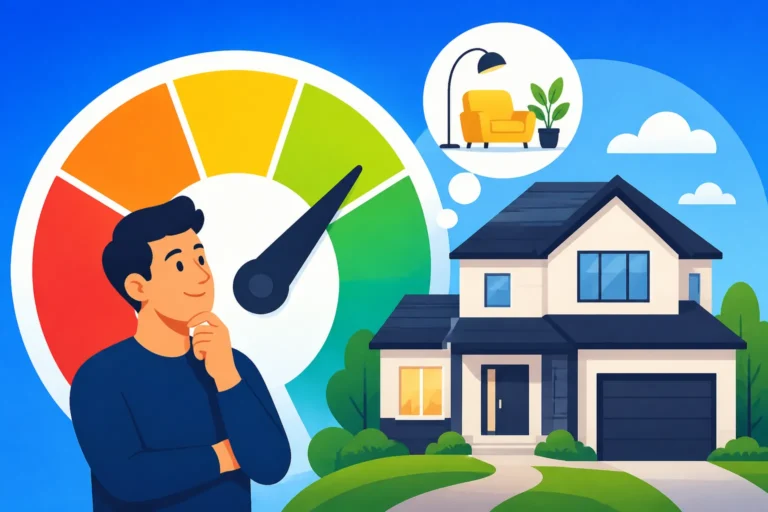
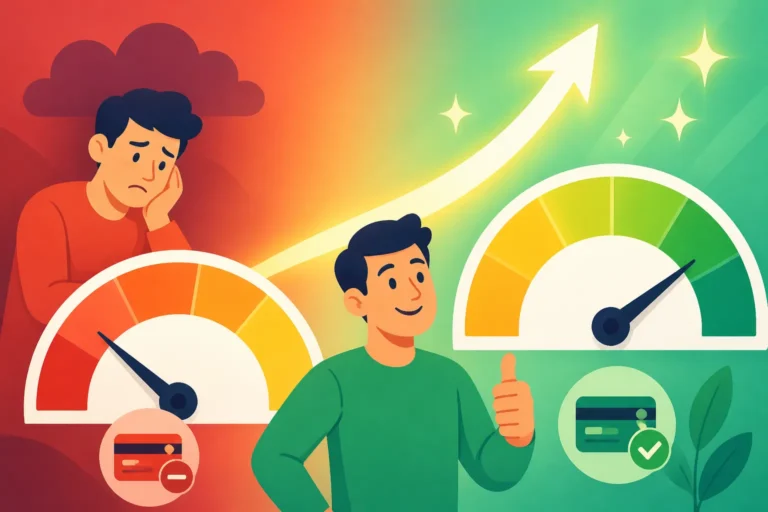
You've worked hard to reach a credit score in the 720s, which is truly fantastic! It means you're already in a "Very Good" category. But let's be honest, there's always that little itch, that desire to push into the "Excellent" tier, perhaps to secure even better rates on a mortgage or car loan. This guide is all about helping you bridge that gap, taking your already strong 720 credit score and strategically boosting it to a solid 760 or beyond.
Understanding the Jump from Good to Excellent Credit
Hitting a credit score of 720 is a significant achievement. It signals to lenders that you're a responsible borrower, capable of managing credit well. But moving from "Very Good" to "Excellent" isn't just about bragging rights; it unlocks a whole new level of financial opportunities and savings.
Why 720 is Good, but 760 is Better
When you're hovering around 720, you're already receiving pretty good offers. You'll likely qualify for most loans and credit cards, and the interest rates won't be punitive. However, lenders often reserve their absolute best rates and most favorable terms for those with credit scores in the "Excellent" range, typically starting around 740 or 760, depending on the scoring model like FICO.
Imagine you're looking to buy a home. On a $300,000 mortgage, even a half-percentage point difference in your interest rate, which can easily be the spread between a 720 and a 760 score, could save you tens of thousands of dollars over the life of the loan. The same principle applies to car loans; a top-tier credit score means you're seen as minimal risk, and banks are eager to compete for your business, offering rates that simply aren't available to those in lower tiers. It's not just about approval; it's about getting the best approval.
The Key Factors That Drive Credit Score Increases
At this higher credit score echelon, the underlying factors remain the same, but the margins for improvement become much finer. You're not fixing major issues like bankruptcies or collections; you're optimizing an already healthy credit profile. The five main components of your FICO score are:
- Payment History (35%): This is the king. Even a single late payment can significantly ding a high score.
- Credit Utilization (30%): How much of your available credit you're using. Lower is always better.
- Length of Credit History (15%): The age of your oldest account and the average age of all accounts.
- New Credit (10%): How many new accounts you've opened recently and hard inquiries.
- Credit Mix (10%): Having a healthy mix of different credit types (e.g., credit cards and installment loans).
When you're aiming for 760 from 720, you're likely already doing well in most of these areas. The trick now is to perfect them. Small, consistent improvements in credit utilization and ensuring absolutely no missed payments can have an outsized impact on a score that's already in the "Very Good" territory. It's about refinement, not revolution.
Strategic Moves to Boost Your Score
Moving from 720 to 760 often involves fine-tuning your existing credit habits and making a few strategic adjustments. It's less about drastic changes and more about consistent, meticulous management.
Mastering Your Credit Utilization Ratio
This is often the single most impactful factor for someone already in the 700s. Your credit utilization ratio is the percentage of your total available credit that you're currently using. For example, if you have a total credit limit of $10,000 across all your cards and you've used $3,000, your utilization is 30%. While 30% is often cited as a good threshold, for those aiming for "Excellent" credit, you want to be much lower—ideally under 10%. Some top-tier scores even maintain utilization below 5% or even 1%.
To achieve this, here are some actionable steps:
- Pay Down Balances Aggressively: This is the most direct way to lower your utilization. Focus on paying off as much as you can before your statement closing date. Remember, even if you pay your bill in full by the due date, the balance reported to the credit bureaus is often the one on your statement closing date.
- Make Multiple Payments: Instead of one large payment at the end of the month, consider making smaller payments throughout the billing cycle. This can keep your reported balance low, especially if you use your cards frequently.
- Ask for Credit Limit Increases: If you're disciplined and won't be tempted to spend more, requesting a credit limit increase on an existing card can instantly lower your utilization ratio (assuming your spending stays the same). Just be aware that some lenders might perform a hard inquiry for this, which could temporarily ding your score a few points. However, the long-term benefit of lower utilization often outweighs this minor, temporary dip. You can learn more about this in our guide on Does a Credit Limit Increase Hurt Your Score?.
Maintaining Impeccable Payment History
At a 720 score, your payment history is likely already stellar. The goal now is to ensure it remains absolutely perfect. A single late payment, especially within the last few years, can cause a significant drop, potentially undoing months of hard work. For someone with an already high score, the impact is often more pronounced because there's less "buffer" from other positive factors.
To maintain that perfect record:
- Set Up Auto-Pay: This is perhaps the easiest way to ensure you never miss a payment. Just make sure the payment amount is sufficient to cover at least the minimum, and ideally the full balance.
- Calendar Reminders: Even with auto-pay, it's a good idea to set up reminders a few days before your due dates to check your accounts and ensure everything is on track.
- The Goodwill Letter: If you have had one isolated late payment in the past, especially if you've been a long-time customer with an otherwise perfect history, you might consider sending a "goodwill letter" to the creditor. This politely asks them to remove the late payment from your credit report as a gesture of goodwill. While not guaranteed, it can sometimes work. Our article on What Is a Goodwill Letter and Does It Work? provides more details.
Diversifying Your Credit Mix (Carefully)
Your credit mix accounts for about 10% of your FICO score. Lenders like to see that you can responsibly manage different types of credit, such as revolving accounts (credit cards) and installment accounts (car loans, mortgages, student loans). If your credit profile heavily favors one type over the other, adding a new, responsibly managed account of the underrepresented type could provide a slight boost.
However, this strategy comes with a major caveat: never take on debt you don't need or can't afford just to improve your credit mix. The interest costs and potential for missed payments far outweigh any minor score benefit.
If you have a need for a small personal loan, or if you lack any installment loans on your report, a credit builder loan might be a sensible option. Companies like Credit Strong offer these loans, where you make payments into a savings account that's locked until the loan is paid off. The payments are reported to the credit bureaus, establishing a positive installment loan history without immediate access to the funds (thus reducing the risk of overspending). This can be a responsible way to add an installment loan to your credit mix, if it makes sense for your financial situation. You can learn more about Credit Builder Loans Explained (Self, Kikoff & More).
Advanced Tactics and Common Pitfalls
At this level, you're really looking for marginal gains. Every positive action, no matter how small, contributes to that overall climb.
Smart Credit Limit Increases and New Accounts
While we touched on credit limit increases for utilization, let's dive a bit deeper. When you have a 720 score, lenders are more likely to approve requests for higher limits on your existing cards. This can be a double-edged sword:
- The Good: A higher limit, assuming you keep your spending constant, immediately lowers your utilization ratio, which is excellent for your score.
- The Bad: Every request for new credit or a credit limit increase can result in a hard inquiry on your credit report. A hard inquiry temporarily shaves a few points off your score and stays on your report for two years (though its impact diminishes significantly after a few months).
The key is to be strategic. If you're going to apply for a significant loan like a mortgage or car loan in the near future, avoid new credit applications or limit increase requests that might generate hard inquiries right before. Otherwise, a judicious request on a card you've had for a long time and managed well is less risky. Don't open a bunch of new credit cards just for the limits; each new account comes with a hard inquiry and lowers your average age of accounts, which can be counterproductive when you're already in the 700s. Our guide on How Many Credit Cards Should a Beginner Have? offers more insights into managing new accounts.
Leveraging Your Credit Age and Reviewing Reports
The length of your credit history contributes significantly to your score. The longer your accounts have been open and in good standing, the better. This is why you should generally avoid closing old credit card accounts, even if you don't use them frequently. Those old accounts boost your average age of accounts and contribute to your total available credit, which helps with utilization.
Beyond just age, regularly reviewing your credit reports is crucial. You should check your reports from all three major bureaus—Equifax, Experian, and TransUnion—at least once a year. You can do this for free at AnnualCreditReport.com. Look for:
- Errors in personal information: Incorrect addresses, names, or employers.
- Accounts you don't recognize: This could be a sign of identity theft.
- Incorrect payment statuses: A reported late payment when you know you paid on time.
- Inaccurate balances or credit limits: These can mess with your utilization.
Finding and disputing these errors can lead to score increases, sometimes substantial ones. Even small discrepancies can hold you back when you're aiming for that elite score range. If you find an error, act quickly to dispute it. We have a detailed guide on How to Dispute Credit Report Errors (Step-by-Step) that can walk you through the process.
The Waiting Game and Patience
It's important to set realistic expectations. While some changes, like lowering your utilization, can have a relatively quick impact, moving from 720 to 760 often requires consistent positive behavior over several months, or even a year. Credit scoring models value stability and a long history of responsible management.
Don't get discouraged if you don't see an instant jump. Keep up with your excellent payment habits, maintain low utilization, and periodically check your reports. Tools like Credit Strong, which report consistent payments for a credit builder loan, are designed for this kind of steady, long-term credit building, providing a reliable stream of positive data to the bureaus. Your credit score is a marathon, not a sprint, especially when you're already so close to the finish line.
Common Misconceptions to Avoid
When you're meticulously working to refine your credit, it's easy to fall prey to myths or seemingly logical actions that can actually backfire.
Don't Close Old Accounts
This is a classic mistake. You might think, "I haven't used this old credit card in years, so I'll just close it." However, closing an old account can hurt you in two significant ways:
- Reduces Credit History Length: The age of your credit accounts is an important factor. Closing an old account can reduce your average age of accounts, which can lead to a dip in your score.
- Increases Utilization: If you close an account, you lose that available credit. If your balances on other cards remain the same, your overall credit utilization ratio will instantly increase, potentially harming your score.
Unless an old account has an annual fee you absolutely can't justify, or there's a serious risk of fraud, it's almost always better to keep it open, even if you only use it once every few months for a small, easily payable expense (like a streaming service) to keep it active.
Beware of Unnecessary New Credit
The allure of a new credit card with a fantastic rewards program or a low introductory APR can be strong. However, at your credit score level, every hard inquiry and every new account opened has a temporary negative impact.
- Hard Inquiries: Each time you apply for new credit, a hard inquiry appears on your report. While one or two won't devastate your score, several in a short period can signal to lenders that you're a higher risk.
- Average Age of Accounts: New accounts are, by definition, young. Opening many new accounts can significantly lower the average age of all your credit accounts, which is a negative factor.
Only apply for new credit if you truly need it and have a solid plan to manage it responsibly. Focus on maximizing the benefits of your existing credit relationships first.
The Myth of Carrying a Balance
This is perhaps the most persistent credit score myth: that you need to carry a balance from month to month to build good credit. This is simply not true, and it will cost you money in interest.
Your credit score benefits from showing that you use credit and pay it off responsibly. This means making payments on time and keeping your balances low (or zero). You can achieve a perfect payment history and excellent utilization by paying your statement balance in full every single month. Carrying a balance only means you're paying interest, which is money wasted. Lenders are looking for responsible usage, not a willingness to pay them extra. Our article on Does Carrying a Balance Help Your Credit Score? clarifies this common misunderstanding.
Here's a quick overview of how to optimize for that 760 score:
| Credit Score Factor | Impact on 720-760 Jump | Recommended Action |
|---|---|---|
| Payment History | Critical; one missed payment can cause a significant drop. | Maintain 100% on-time payments. Set up auto-pay and reminders. Consider goodwill letters for past isolated incidents. |
| Credit Utilization | Highly influential; often the quickest way to boost. | Aim for <10% overall utilization, ideally <5%. Pay balances multiple times per month or before statement closing. |
| Length of Credit History | Important; helps show stability and experience. | Do not close old accounts, even if unused. They contribute to your average age of accounts. |
| Credit Mix | Minor impact; only pursue if genuinely needed. | If lacking, consider a responsible installment loan like a credit builder loan (e.g., from Credit Strong). |
| New Credit/Inquiries | Minor negative impact; temporary. | Limit new credit applications. Be strategic about credit limit increase requests. |
Disclaimer
The information provided in this guide is for general educational purposes only and should not be considered financial advice. Credit scores and financial situations are complex and individual. Always consult with a qualified financial professional or credit counselor for personalized advice.