How to Remove Late Payments From Your Credit Report Fast
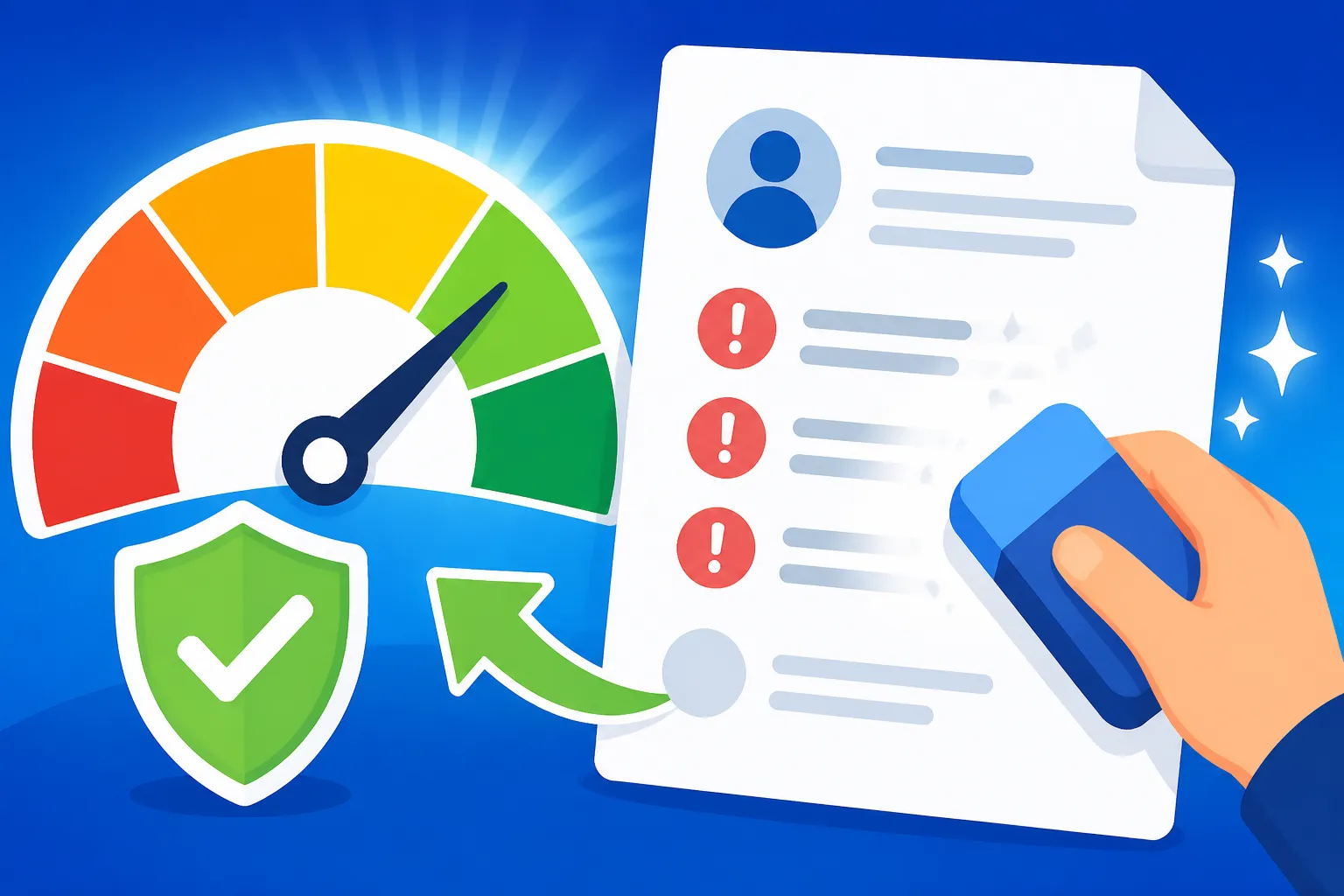
It’s an awful feeling, isn't it? You're scrolling through your credit report or checking your score, and there it is: a late payment staring back at you like a stain on an otherwise clean shirt. Suddenly, all your hard work feels undermined, and you just want to know how to make it disappear, preferably yesterday. While there's no magic wand for instant credit repair, there are indeed proactive steps you can take to try and remove those pesky late payments from your credit report as quickly as possible. This guide will walk you through the most effective strategies to tackle this frustrating issue head-on.
Understanding the Impact of Late Payments on Your Credit Score
Before we dive into removal strategies, it's crucial to understand why late payments are such a big deal and how they actually appear on your credit report. They’re not just small blemishes; they hit at the very core of what lenders want to see: reliability.
How Late Payments Show Up on Your Report
When you miss a payment due date, it doesn't immediately show up as a late payment on your credit report. Typically, creditors will wait until the payment is at least 30 days past due before reporting it to the major credit bureaus—Equifax, Experian, and TransUnion. This 30-day grace period, if you can call it that, is a small window for you to correct the oversight before it becomes a formal mark on your financial record.
Once that 30-day mark passes, however, it's reported. This single event can trigger a significant drop in your credit score because your payment history is the most important factor in calculating your FICO Score, accounting for a massive 35% of it. A 30-day late payment is bad, but it gets progressively worse. If it goes 60, 90, or even 120 days past due, the impact compounds, indicating an even greater risk to future lenders. It truly feels like a flashing neon sign telling everyone you might be unreliable.
The Lingering Effect and Reporting Timeframes
Here's the tough pill to swallow: a late payment can remain on your credit report for up to seven years from the date of the missed payment. Yes, seven long years. This means even a single misstep can follow you for a significant portion of your financial life, potentially impacting your ability to get favorable interest rates on loans, qualify for certain credit cards, or even rent an apartment. Many people ask, "How Long Does a Late Payment Stay on Your Credit Report?", and the answer is usually longer than you'd like.
The term "fast" when it comes to removing late payments needs a bit of clarification. It doesn't mean instantaneous deletion with a click of a button. Instead, "fast" refers to utilizing the most direct and impactful strategies that could lead to a quicker resolution compared to simply waiting out the seven-year period. These strategies rely on specific circumstances, such as an error on the report or a creditor's willingness to grant a one-time courtesy. Without these, the late payment will, unfortunately, run its course on your report.
Strategies for Expedited Removal of Late Payments
While it might feel like you're stuck, there are indeed several avenues you can explore to potentially get a late payment removed from your credit report faster than just waiting for it to age off. These methods require a proactive approach and a clear understanding of your rights and the creditor's policies.
The Power of a Goodwill Letter
One of the most effective and commonly suggested strategies for an isolated late payment is sending a goodwill letter. This isn't a dispute; it's a polite request to your creditor to remove a negative mark as an act of goodwill. This approach works best if you generally have an excellent payment history with that specific creditor, and the late payment was a rare anomaly due to an understandable circumstance.
In your letter, you should acknowledge your mistake, explain the reason for the late payment (e.g., a medical emergency, a forgotten bill during a move, an unexpected job loss), express remorse, and emphasize your otherwise stellar payment record. You're essentially asking for a one-time courtesy, demonstrating that you are a valued customer who genuinely made a mistake. Remember to be concise, respectful, and always offer to set up automatic payments or confirm your commitment to on-time payments going forward. For more detailed guidance and templates, checking out resources like What Is a Goodwill Letter and Does It Work? or Goodwill Letter for Late Payments (Template + Tips) can be incredibly helpful.
Disputing Inaccurate Late Payments
If the late payment on your credit report is genuinely inaccurate, you have every right to dispute it. This could mean the payment was reported late when it was, in fact, on time, or the amount or date is incorrect, or even that the account isn't yours at all. Don't assume the credit bureaus or creditors are always correct; mistakes happen more often than you'd think. This is your strongest option for fast removal if you have clear evidence on your side.
The process involves obtaining copies of your credit reports from all three major bureaus (Equifax, Experian, and TransUnion) to identify the error. Once you pinpoint the inaccuracy, gather any supporting documentation, such as bank statements or payment confirmations, that proves your case. Then, you'll need to send a formal dispute letter directly to the credit bureau that's reporting the error, and often, it's also wise to send one to the original creditor. For a step-by-step walkthrough of this crucial process, you can refer to guides like How to Dispute Credit Report Errors (Step-by-Step) and How to Write a Credit Dispute Letter (Template). Be thorough, send everything via certified mail with return receipt requested, and keep meticulous records of all correspondence.
Negotiating with the Original Creditor
Sometimes, direct communication with your original creditor can yield results that a form letter might not. While a goodwill letter is a formal request, directly calling or speaking with a representative might allow for a more personal appeal and faster resolution. This strategy is particularly useful if you've already sent a goodwill letter without success or if your situation is complex and requires a human touch.
When you call, be prepared to explain your situation clearly and calmly. Highlight your consistent payment history and politely ask if they would consider removing the late payment as a gesture of goodwill, especially if you can commit to setting up automatic payments for future bills. They might be more willing to work with a loyal customer who is taking responsibility and showing a commitment to better financial habits. It's not a guaranteed solution, but a polite, direct conversation can sometimes open doors that simply mailing a letter might not, particularly if the late payment was recent and you’re demonstrating immediate corrective action.
Here’s a quick overview of these strategies:
| Strategy | When to Use It | Speed Potential | Effectiveness | Key Requirements |
|---|---|---|---|---|
| Goodwill Letter | Isolated late payment, strong prior payment history, minor lapse | Moderate (weeks to months) | Medium-High | Politeness, consistent good payments, appealing to grace |
| Dispute (Inaccurate) | Clear factual error on report (e.g., wrong date, wrong amount, not yours) | Fast to Moderate (30-45 days) | High (if provable) | Solid evidence of inaccuracy, formal dispute process |
| Direct Negotiation | Good relationship with creditor, willingness to pay immediately, recent late payment | Moderate (days to weeks) | Medium | Strong payment history, commitment to future on-time, polite persistence |
Building a Stronger Credit Profile to Offset Damage
Even if your attempts to remove a late payment don't pan out as quickly as you'd hoped, all is not lost. The most reliable way to mitigate the damage of a negative mark on your report is to proactively build a robust positive payment history. This dilutes the impact of past mistakes over time and demonstrates to lenders that you are actively working to improve your financial habits.
Proactive Steps to Prevent Future Late Payments
The best defense against late payments is a good offense. Taking proactive measures can prevent these frustrating incidents from happening again, ensuring your credit report only reflects positive financial behavior moving forward.
First and foremost, embrace technology. Set up automatic payments for all your bills, especially credit cards and loans. Most banks and creditors offer this feature, allowing you to choose the minimum payment or the full balance to be paid on a specific date. This eliminates the risk of forgetting a due date. Complement this with digital calendar reminders or dedicated budgeting apps that send alerts a few days before a payment is due, giving you a chance to ensure funds are available. Even a simple post-it note on your fridge is better than nothing! Establishing a solid budgeting system that accounts for all your expenses and income can also prevent you from running short on funds when payments are due. Building these habits is fundamental for anyone looking to maintain good credit, as discussed in How to Use a Credit Card to Build and Keep Good Credit.
Leveraging Credit Builder Tools
Sometimes, after a late payment, it feels like you're playing catch-up. This is where credit builder tools can be incredibly valuable. These tools are designed to help you establish or re-establish a positive payment history, making your credit report look stronger even with a lingering negative item.
One excellent option is a credit builder loan. These loans work differently than traditional loans; instead of getting the money upfront, it's held in a locked savings account or certificate of deposit (CD) while you make fixed monthly payments. Your on-time payments are reported to the credit bureaus, and once the loan is paid off, you receive the lump sum. Products like a Credit Strong Credit Builder Loan can be incredibly effective for this purpose. They offer a simple, structured way to build a positive payment history and savings simultaneously, directly impacting your payment history component of your credit score. This approach not only adds positive data to your report but also helps you build a small nest egg. For a deeper dive into how these tools function, you might find Credit Builder Loans Explained (Self, Kikoff & More) helpful.
Consistently Managing Your Existing Accounts
Beyond preventing future late payments and using credit builder tools like Credit Strong, consistently and responsibly managing your existing credit accounts is paramount. This continuous positive behavior will gradually outweigh the negative impact of any late payments that remain on your report.
Focus on keeping your credit utilization low. This refers to the amount of credit you're using compared to your total available credit. Financial experts generally recommend keeping this ratio below 30%, but ideally, even lower, around 1-10%, for the best impact on your score. Always try to pay more than the minimum due on your credit cards; paying the full statement balance each month is ideal to avoid interest charges and show strong financial management. Maintaining older accounts, even if you don't use them much, also helps your "length of credit history," which is another important factor in your score. By implementing a comprehensive strategy that includes these elements, you're not just waiting for the late payment to fade; you're actively building a stronger, more resilient credit profile overall. For broader advice on improving your score, consider reading How to Raise Your Credit Score (Step-by-Step) and understanding How Much of Your Credit Limit Should You Use?.
Disclaimer
This article is for general informational purposes only and does not constitute professional advice. Laws, prices and regulations vary by location and change over time. Consult a qualified professional for guidance on your specific situation.