How Long Does a Foreclosure Stay on Your Credit Report?
Let's be honest, experiencing a foreclosure is one of the toughest financial blows anyone can face. It's not just about losing your home; it's a deeply personal and often devastating event that leaves a heavy mark on your credit. Many people wonder, often with a knot in their stomach, just how long that shadow will linger on their financial record. This guide is here to shed light on exactly how long a foreclosure typically stays on your credit report and, more importantly, what you can do to navigate the aftermath and start rebuilding.
Understanding What a Foreclosure Means for Your Financial Future
A foreclosure isn't just a single event; it's the culmination of a difficult period, and understanding its nature is the first step toward recovery. It’s a legal process where a lender repossesses a property because the borrower has failed to make payments as agreed. This process can be incredibly stressful, fraught with uncertainty, and often stems from circumstances completely beyond your control, like job loss, unexpected medical emergencies, or a significant change in income.
The Heartbreaking Reality of Foreclosure
For many, a home is more than just an asset; it's a sanctuary, a place where memories are made, and a cornerstone of their financial stability. The idea of losing it, or having already lost it, is truly heartbreaking and can feel like a personal failure. But let me tell you, it's not. Life throws curveballs, and sometimes, despite our best efforts, we find ourselves in situations where keeping up with mortgage payments becomes impossible. The housing market can shift, interest rates can climb, or personal circumstances can take a dramatic turn. It’s a systemic issue as much as a personal one.
When mortgage payments are missed repeatedly, the lender begins the formal foreclosure process. This typically involves a series of notices and legal steps, which vary by state and the type of mortgage. You might hear terms like "judicial foreclosure," where the lender has to go through the courts, or "non-judicial foreclosure," which is a faster process often allowed if your mortgage contract includes a "power of sale" clause. While the specifics of these processes differ, the end result — the loss of the property and a significant negative mark on your credit report — is largely the same.
How a Foreclosure Lands on Your Credit Report
The reporting of a foreclosure to the credit bureaus (Equifax, Experian, and TransUnion) isn't a single isolated incident; it's a gradual and compounding process that begins long before the final hammer falls. Your credit report will reflect every step of the default process. Initially, it will show a series of late or missed mortgage payments, usually after 30, 60, or 90 days past due. Each of these late payments is a distinct negative entry that chips away at your credit score.
As the situation escalates, your lender will report the loan as being in default. Then, once the foreclosure process is complete and the property is repossessed or sold, the final "foreclosure" status will be officially added to your credit history. This isn't a mark that appears overnight; it’s a trail of negative activity that precedes and culminates in the foreclosure itself. It’s a comprehensive record of the financial challenges you faced with that specific debt, painting a picture of the journey from consistent payments to default and, eventually, to foreclosure.
The Lifespan of a Foreclosure on Your Credit Report
This is the big question, isn't it? How long does this painful mark stick around, potentially hindering your ability to secure future loans or even rent a new place? The good news is, it's not forever. There's a set timeline, thanks to federal regulations, for how long negative information, including foreclosures, can impact your credit file.
The Seven-Year Rule: When it Typically Disappears
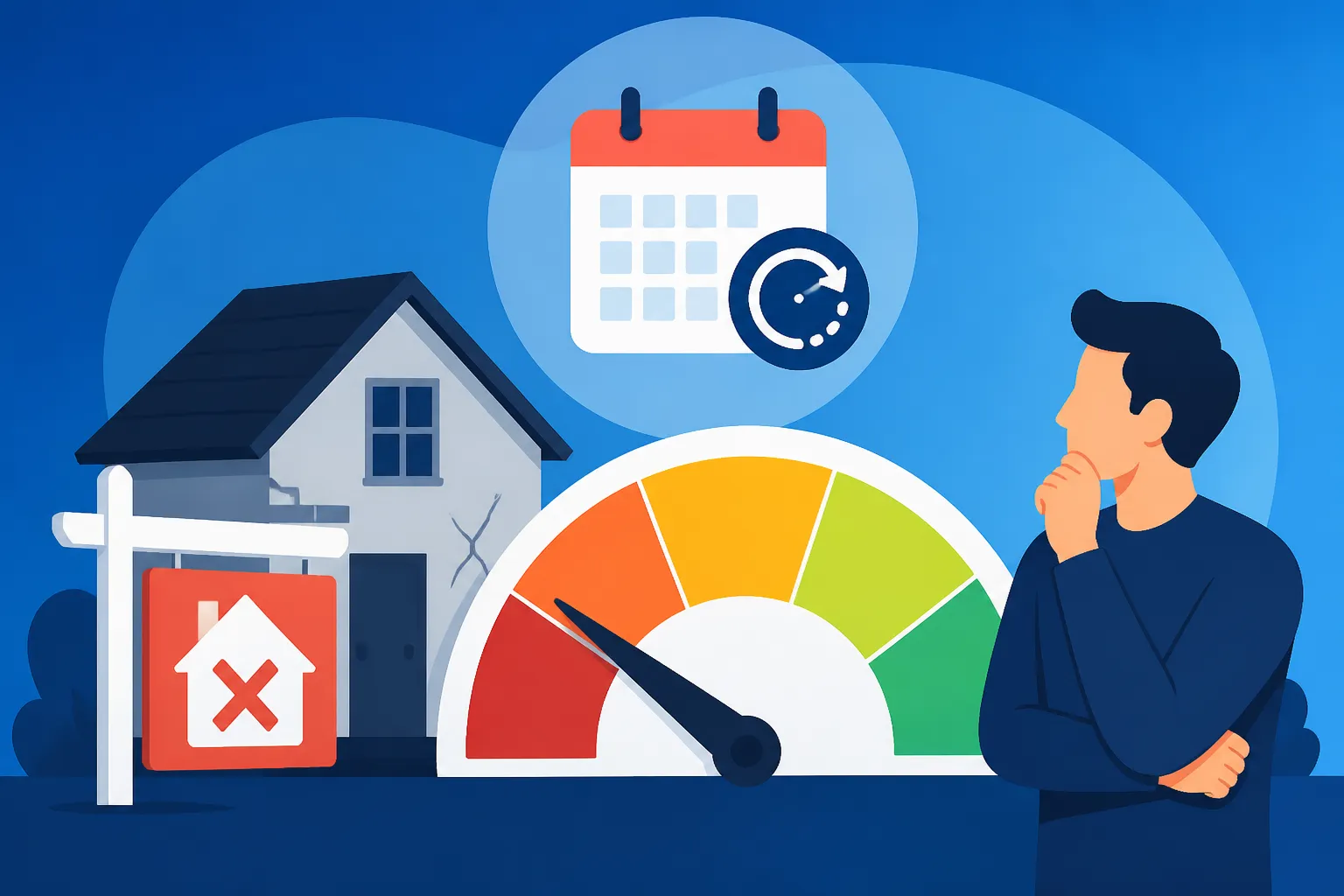
Under the Fair Credit Reporting Act (FCRA), most negative information, including foreclosures, will remain on your credit report for seven years from the date of the first missed payment that led to the default. This "date of first delinquency" is a critical marker. So, if you first missed a mortgage payment on January 1, 2020, and that ultimately led to a foreclosure, that foreclosure (and all the preceding late payments from that specific mortgage account) should be removed from your credit report around January 1, 2027.
It's important to clarify that this seven-year period isn't necessarily from the date the foreclosure was finalized or recorded. It goes back to the initial missed payment that set everything in motion. This can sometimes mean that the actual foreclosure mark appears a bit later on your report, but its removal date is still tied to that earlier delinquency. For example, if it took a year and a half for the foreclosure to be finalized after the first missed payment, the foreclosure entry itself might only be on your report for about five and a half years before the seven-year clock runs out.
Different Foreclosure Types and Their Reporting Nuances
While the general seven-year rule holds true, it's worth noting that the way a property is handled after default can sometimes present slightly different, though still negative, entries on your report. These alternatives to a full-blown foreclosure still signal financial distress, but they might be perceived slightly differently by lenders.
- Deed-in-Lieu of Foreclosure: This is when you voluntarily transfer the property deed back to the lender to avoid the formal foreclosure process. While it's generally considered less damaging than a full foreclosure because it shows cooperation, it still counts as a major negative event. It will also typically remain on your credit report for seven years from the date of first delinquency.
- Short Sale: This occurs when a lender agrees to let you sell your home for less than the amount you owe on the mortgage. The lender takes a loss, but it's often preferred over a lengthy foreclosure. A short sale will be reported as "settled for less than the full amount" or "paid as agreed (short sale)" on your credit report. Like foreclosures, these marks generally stay for seven years from the date of first delinquency.
- Bankruptcy: If a foreclosure is discharged as part of a Chapter 7 or Chapter 13 bankruptcy, the bankruptcy filing itself will appear on your credit report. A Chapter 7 bankruptcy can stay on your report for up to 10 years, while a Chapter 13 bankruptcy typically remains for seven years. In these cases, the bankruptcy generally overshadows the individual foreclosure mark, but the underlying negative accounts will still be associated. If you're looking into this, you might find our guide on how to fix your credit after bankruptcy very helpful.
Regardless of the specific mechanism, any resolution where you fail to fully pay your mortgage as agreed will be a significant negative item. What often happens is that the series of late payments leading up to any of these outcomes are also reported, all sharing that same original date of delinquency for removal purposes.
Here’s a quick overview of how long various negative items typically stay on your credit report:
| Type of Negative Item | Time on Credit Report (Typically from Date of First Delinquency) |
|---|---|
| Late Payments | 7 years |
| Collections | 7 years |
| Charge-offs | 7 years |
| Foreclosures | 7 years |
| Short Sales | 7 years |
| Deed-in-Lieu | 7 years |
| Chapter 13 Bankruptcy | 7 years |
| Chapter 7 Bankruptcy | 10 years |
Remember, while the general rule is 7 years, always get your free credit report to verify the exact reporting dates and ensure accuracy.
The Tangible Impact of a Foreclosure on Your Credit Score
Knowing how long a foreclosure stays on your credit report is one thing, but understanding its immediate and lasting impact on your credit score is another. This isn't a small ding; it's a financial earthquake that can shake the foundations of your borrowing power for years.
The Immediate and Drastic Drop
The moment a foreclosure is officially reported, or even during the lengthy process of missed payments leading up to it, your credit score can take a severe hit. We're talking about a significant drop, often 100 to over 160 points or more, depending on your credit score before the event. If you had an excellent credit score, the fall can be even more dramatic. This is because payment history is the most significant factor in calculating your FICO Score, accounting for 35% of it. A foreclosure screams "failure to pay," and that's exactly what credit scoring models are designed to penalize.
This isn't just one late payment; it's a complete default on a major loan. Both FICO and VantageScore models will severely downgrade your score. It’s one of the most damaging marks you can have on your credit report, right up there with bankruptcy. This immediate drop can feel incredibly discouraging, making you feel like you'll never recover. But please know, while the initial impact is harsh, it’s not permanent.
The Ripple Effect: Loans, Housing, and Interest Rates
Beyond the raw numbers, a foreclosure creates a ripple effect throughout your financial life. For a significant period, you'll likely face substantial hurdles when trying to access new credit.
- Mortgages: Getting approved for another mortgage after a foreclosure is incredibly challenging. Most lenders will require a waiting period, often 3-7 years, even if you’ve started to rebuild your credit. Government-backed loans like FHA or VA loans have specific waiting periods as well, typically 3-7 years, although there can be exceptions for extenuating circumstances. You might be interested in knowing what credit score do you need to buy a house once you're ready to look again.
- Car Loans: While perhaps not as restrictive as a mortgage, you'll likely encounter higher interest rates and stricter terms for car loans. Lenders will see you as a higher risk.
- Credit Cards: It can be difficult to get approved for traditional, unsecured credit cards. You might find yourself only eligible for secured credit cards or those with very low limits and high annual fees. Our guide on how to get your first credit card with no credit might offer some insights on rebuilding.
- Renting an Apartment: Many landlords check credit reports as part of their application process. A foreclosure can make it difficult to secure rental housing, potentially requiring you to offer a larger security deposit or find a landlord willing to overlook the past.
- Insurance Premiums: Believe it or not, your credit score can even influence your insurance rates for auto and home policies. A lower score due to foreclosure could mean higher premiums.
The frustration is completely understandable. It feels like you're being blacklisted, constantly reminded of a past difficulty. But it's crucial to remember that this isn't a life sentence. With strategic effort and time, you can absolutely begin to improve your financial standing.
Strategies to Rebuild Your Credit After Foreclosure
While the information above might feel overwhelming, the good news is that you can take control and start rebuilding your credit after a foreclosure. It won't happen overnight, but consistent effort will pay off. Think of it as a marathon, not a sprint, and every positive step brings you closer to your financial goals.
Taking Proactive Steps to Improve Your Report
The first and most critical step is to get a clear picture of what's currently on your credit report. You're entitled to a free credit report from each of the three major bureaus (Equifax, Experian, and TransUnion) every 12 months via AnnualCreditReport.com. Take advantage of this.
- Review Your Credit Report Meticulously: Go through every single entry. Are the dates accurate? Is the foreclosure reported correctly, reflecting the original date of first delinquency? Are there any accounts that aren't yours or appear to be duplicates? Errors happen more often than you think, and correcting them can make a difference. Our guide on how to read your credit report can walk you through it.
- Dispute Any Inaccuracies: If you find errors, dispute them immediately with the credit bureaus. They are legally obligated to investigate and correct inaccurate information. This won't remove the legitimate foreclosure, but it ensures your report is as clean as possible. Learning how to dispute credit report errors is a powerful tool.
- Establish New Positive Credit History: This is where the real rebuilding begins. The goal is to show lenders you can handle credit responsibly now. One common way to do this is with a secured credit card. You put down a deposit, which often acts as your credit limit, and then use the card responsibly, making small purchases and paying them off in full and on time every month. Over time, this positive payment history will start to outweigh the negative past.
- Become an Authorized User: If you have a trusted family member or friend with excellent credit, asking them to add you as an authorized user on one of their credit cards can help. Their positive payment history will often appear on your report, boosting your credit age and score. Just make sure they are truly responsible, as their missteps could also affect you.
Exploring Credit Builder Options
Beyond secured cards, there are other financial products specifically designed to help people build or rebuild credit. These can be excellent tools for demonstrating responsible financial behavior.
- Credit Builder Loans: These are unique loans where the money is held in a savings account or CD while you make monthly payments. Once the loan is paid off, you receive the money. The payments are reported to the credit bureaus, building a positive payment history. Companies like Credit Strong specialize in these types of loans, offering a structured way to build credit without needing an upfront deposit like a secured card. They report your consistent payments, which helps diversify your credit mix and establish a new, positive payment record.
- Paying Bills On Time: While utility bills, rent payments, and cell phone bills don't always appear on your traditional credit report, consistent on-time payments are crucial for your financial health. Some services, like Experian Boost or similar rent reporting services, can add these positive payments to your Experian credit file, potentially helping your score. Even if they don't directly impact your FICO score, demonstrating reliability with all your financial obligations builds good habits that translate to better credit management.
Building credit back up is about consistency. Every month you make a full, on-time payment on a secured card or a credit builder loan, you're chipping away at the negative impact of the foreclosure.
Patience and Persistence: The Long Game
Let's be realistic: rebuilding your credit after a foreclosure takes time. While a negative mark from a foreclosure disappears in seven years, your credit score can start recovering much sooner if you implement proactive strategies. It's a marathon, not a sprint. You might not see dramatic jumps in your score overnight, but gradual improvements are entirely achievable. Our guide on how long does credit repair take offers a more detailed look at the timeline.
- Monitor Your Progress Regularly: Keep an eye on your credit score and reports using free tools or services. Seeing your score slowly climb can be a great motivator. Just remember that checking your own score doesn't hurt it; these are considered "soft inquiries."
- Maintain Good Habits: The best way to move forward is to avoid falling back into old patterns. Stick to a budget, pay all your bills on time (not just credit-related ones), and keep your credit utilization low on any new credit you obtain.
- Stay Positive: It’s easy to get discouraged when you've faced a foreclosure. But remember, countless people have successfully rebuilt their credit and financial lives after similar setbacks. Focus on the steps you can take today and celebrate every small victory along the way. Your financial future is not defined by past challenges, but by your commitment to moving forward.
Disclaimer
This article is for general informational purposes only and does not constitute professional advice. Laws, prices and regulations vary by location and change over time. Consult a qualified professional for guidance on your specific situation.