How Credit Builder Loans Work
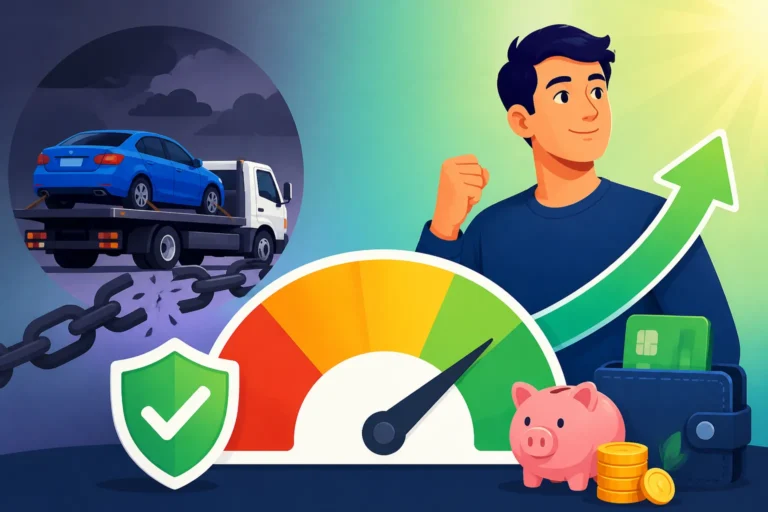
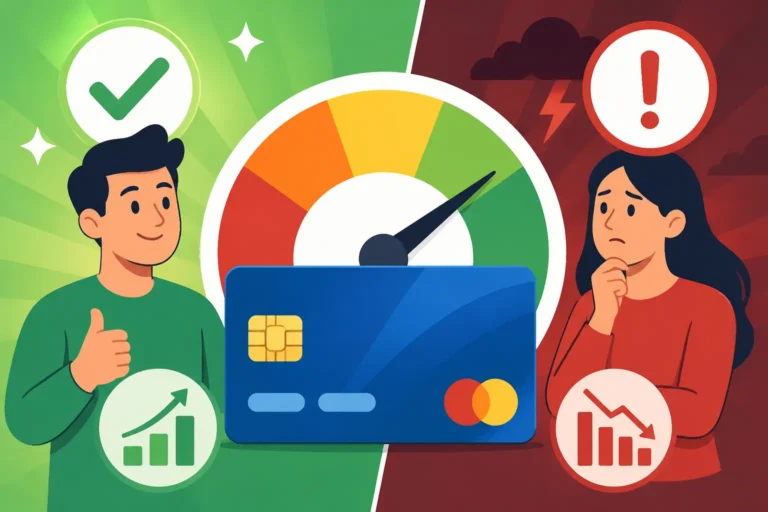
It's incredibly frustrating when you're trying to improve your financial standing, but you keep hitting a wall because you don't have enough credit history or your score isn't where it needs to be. Many people feel trapped, unable to get approved for better loans or even simple things like renting an apartment without a solid credit foundation. This comprehensive guide will explain exactly how credit builder loans work, offering a clear path to understanding and utilizing this powerful tool to establish or rebuild your credit profile.
The Core Concept of a Credit Builder Loan
When you think of a traditional loan, you probably imagine borrowing money first and then paying it back over time. Credit builder loans flip that script entirely, which can be a bit confusing at first glance, but it's precisely this unique structure that makes them so effective for building credit. They're designed specifically for individuals who have little to no credit history or those looking to improve a less-than-stellar one. Instead of receiving funds upfront, your payments create a savings account or certificate of deposit (CD) that you get access to once the loan is fully paid. It's a structured way to prove your reliability without the lender taking on significant risk.
What Makes Them Unique?
The true uniqueness of a credit builder loan lies in its "secured" nature, but not in the way you might typically think. With a conventional secured loan, you put up an asset, like your car or house, as collateral. If you don't pay, the lender takes the asset. With a credit builder loan, your own money acts as the collateral. You make regular payments into a locked savings account, and the "loan" amount you're approved for is essentially the sum of those payments, held by the lender. This means there's virtually no risk for the lender, making them much more willing to extend this type of credit to individuals with limited or damaged credit. It's a win-win: you demonstrate responsible payment behavior, and the lender has security for the funds.
Think of it like this: you're essentially saving money for yourself, but the financial institution reports your consistent "saving" as a loan payment to the major credit bureaus. This ingenious mechanism allows you to build a positive payment history without needing to qualify for an unsecured loan or put existing assets at risk. Many people find this concept hard to grasp initially because it feels counterintuitive to pay money into a loan. However, once you understand that the goal isn't immediate access to funds, but rather the creation of a strong credit record, it all clicks into place. It's about demonstrating financial discipline over time.
How They Differ from Traditional Loans
The starkest difference between a credit builder loan and a traditional loan is the timing of when you receive the money. With a car loan or a personal loan, you get a lump sum upfront, and then you pay it back, plus interest, over a set period. If you stop paying, the lender faces a loss (or repossesses collateral). A credit builder loan, conversely, keeps the "loan" amount locked away until you've successfully made all your payments. Only then do you get access to the funds you've been paying into. This structure completely changes the risk profile for the lender, making it accessible to a much broader range of people.
Another key differentiator is the primary objective. Traditional loans are for financing purchases—a house, a car, or consolidating debt. While you might build credit by paying them on time, that's a secondary effect. Credit builder loans, on the other hand, have one singular purpose: to build your credit history and score. The money you receive at the end is a bonus, a forced savings mechanism, but the true value lies in the positive credit entries reported each month. This makes them less about obtaining immediate liquidity and more about investing in your future financial health. For individuals starting out, or those looking to fix past mistakes, this distinction is vital.
Who Benefits Most from These Loans?
Credit builder loans are a fantastic resource for a few specific groups of people. First and foremost, they are ideal for individuals who are starting from scratch – perhaps young adults just entering the financial world, or new immigrants to the United States who haven't yet established a credit footprint. For these folks, without any credit history, getting approved for an unsecured credit card or a traditional loan can feel like an impossible task. A credit builder loan provides that crucial first step to demonstrate creditworthiness.
They're also incredibly beneficial for anyone looking to rebound from past credit challenges. Maybe you've had a few late payments, a collection, or even a bankruptcy on your record. These negative marks can make it tough to get approved for new credit. A credit builder loan offers a consistent, positive entry on your credit report each month, slowly but surely counteracting those older, negative items. This consistent positive reporting is a powerful antidote to a damaged score. Companies like Credit Strong specialize in these types of loans, helping individuals who might otherwise be overlooked by traditional lenders. They understand that everyone deserves a chance to build a stronger financial future, and their products are tailored to address these specific needs. This tool is about showing future lenders that you can handle financial responsibility, even if your past isn't perfect.
Step-by-Step: How a Credit Builder Loan Works in Practice
Understanding the theory is one thing, but seeing how a credit builder loan actually unfolds in real life makes it much clearer. The process is designed to be straightforward, focusing on consistent, manageable steps that lead to a stronger credit profile. It's less complicated than applying for a mortgage or even some personal loans, which is part of its appeal for those just dipping their toes into the credit world or trying to improve their standing.
Applying and Approval Process
The application process for a credit builder loan is typically much less stringent than for other types of credit, which is precisely why it's so helpful for those with thin or poor credit files. You'll usually apply online through a financial institution, credit union, or even some specialized online lenders. They'll ask for basic personal information, like your name, address, Social Security number, and income details. Crucially, most credit builder loan providers will perform a "soft" credit inquiry when you apply. This means they're checking your credit, but it won't negatively impact your credit score, which is a huge relief for anyone worried about further dings on their report.
Approval is generally quite high because, as we discussed, the lender faces very little risk. They're not giving you money that you might default on; they're holding your payments in a secured account. Once approved, you'll choose a loan amount and a payment term. Common loan amounts range from a few hundred dollars to a couple of thousand, with terms often between 6 to 24 months. For instance, a $1,000 loan over 12 months might mean monthly payments of around $83.33 (plus any interest or fees). This flexibility allows you to pick a payment that fits comfortably within your budget, making it easier to commit to the entire loan term.
The Savings Account or CD Mechanism
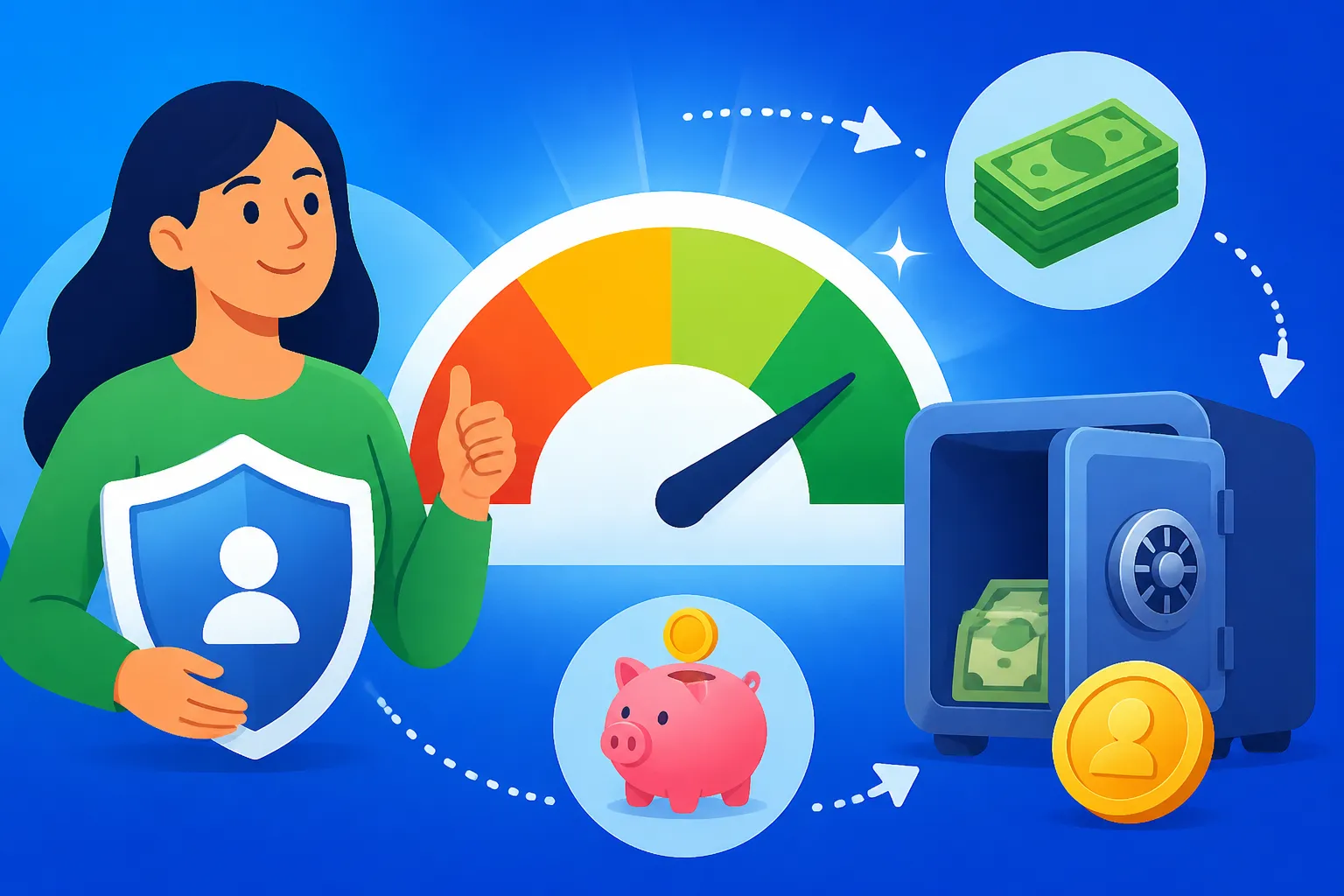
This is where the "magic" of a credit builder loan truly happens. Once your loan is approved and you start making payments, the funds don't go directly to you. Instead, they are deposited into a locked savings account or a Certificate of Deposit (CD) that is held by the lender. This account is in your name, but you can't access the money until the loan term is complete and all payments have been successfully made. This is why it's sometimes called a "secured installment loan" – your own payments are the security.
For example, if you get a $1,000 credit builder loan with a 12-month term, each monthly payment you make contributes to that $1,000 sitting in the locked account. Some providers might even allow the funds in this secured account to earn a small amount of interest, which is a nice little bonus when you finally receive your money. This setup serves two critical purposes: it eliminates risk for the lender, allowing them to report your payment history without worry, and it creates a forced savings mechanism for you. At the end of the loan term, once you've made every payment on time, the locked account is unlocked, and the full $1,000 (plus any earned interest) is released to you, often via direct deposit or check.
Making Your Payments and Building History
Once your credit builder loan is set up, the most important part of the process begins: making your monthly payments on time, every single time. This is the core action that builds your credit history. The lender will report each of your payments to one or more of the three major credit bureaus: Equifax, Experian, and TransUnion. Consistent, on-time payments contribute significantly to your payment history, which is the most influential factor in your FICO Score, accounting for 35% of it.
Many providers offer convenient ways to make payments, such as automated deductions from your bank account, which can help ensure you never miss a due date. Missing a payment, even one, can negate the positive effects you're working so hard to build, so setting up reminders or auto-pay is highly recommended. Over the course of the loan term, whether it's 6 months, 12 months, or 24 months, a steady stream of positive payment reports will flow to your credit file. This consistent good behavior is exactly what lenders want to see, demonstrating that you are a reliable borrower. After all, lenders want to see you successfully manage debt, and this is a safe way to do just that.
Key Advantages of Credit Builder Loans
Credit builder loans are more than just a financial product; they're a strategic tool designed to empower individuals by opening doors to better financial opportunities. Their unique structure offers several compelling advantages, especially for those navigating the complexities of credit building. They address core components of a healthy credit score, providing a stepping stone toward a more robust financial future.
Establishing Positive Payment History
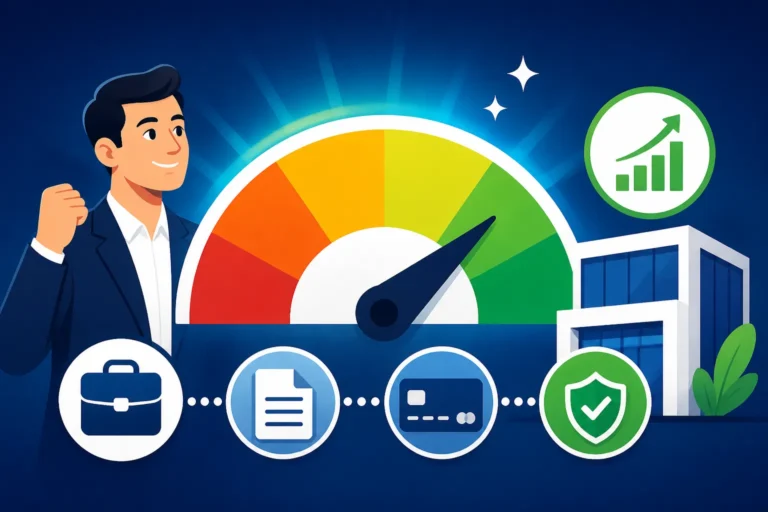
Without a doubt, the most significant advantage of a credit builder loan is its ability to help you establish a positive payment history. Lenders and credit scoring models, particularly FICO, heavily weigh your payment history – it makes up a whopping 35% of your score. If you're starting with no credit, you have no payment history, which means lenders can't assess your risk. If you have a spotty history, positive payments are crucial for demonstrating current reliability. Each month you make your payment on time, the lender reports this positive action to the major credit bureaus.
Imagine having a blank slate or a report riddled with old missed payments. A credit builder loan allows you to create a consistent, unbroken chain of on-time payments. Over several months, this builds a strong foundation, showing that you can handle an installment loan responsibly. This consistent reporting is what truly moves the needle on your credit score, making you a more attractive candidate for future loans, credit cards, and even rental applications. It's like putting good entries into a ledger that was either empty or had some problematic lines.
Building Savings Simultaneously
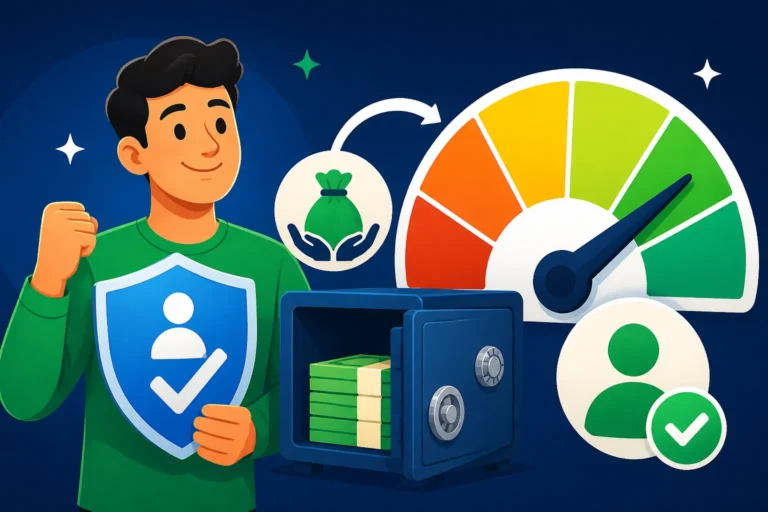
One of the often-understated benefits of a credit builder loan is the forced savings component. Because you don't receive the loan funds until you've completed all your payments, you're essentially saving money without even realizing it. Many people struggle with saving, finding it difficult to set aside funds consistently. A credit builder loan integrates saving directly into your financial routine. Each month, as you make your payment, you're contributing to a lump sum that will eventually be returned to you.
This isn't just about building credit; it's about fostering financial discipline. At the end of the loan term, you'll receive a payout – typically the full amount you "borrowed" – which can then be used for an emergency fund, a down payment, or even to pay off other existing debts. For example, if you complete a 12-month, $1,000 credit builder loan, you'll have $1,000 (plus any interest it might have accrued) handed back to you. It's a fantastic way to kill two birds with one stone: you build crucial credit history while also accumulating a useful nest egg. Credit Strong, for instance, emphasizes this dual benefit, allowing customers to watch their savings grow alongside their credit score.
Diversifying Your Credit Mix (Eventually)
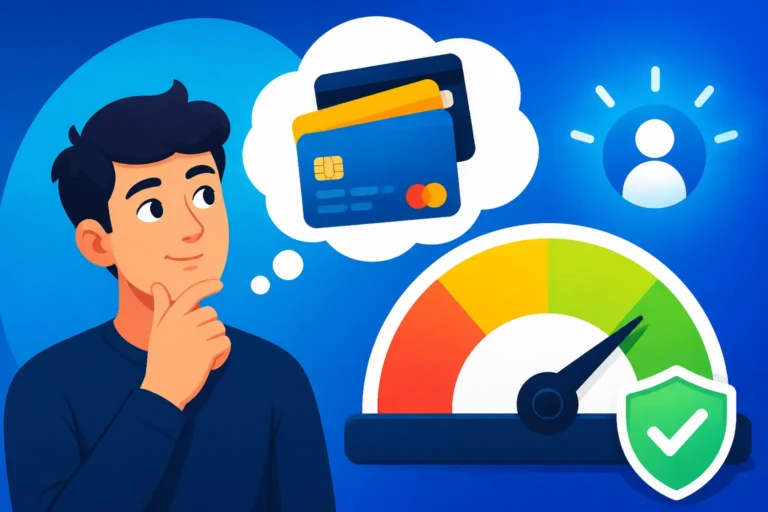
While payment history and credit utilization are often discussed as the dominant factors in your credit score, your credit mix also plays a role, albeit a smaller one (about 10% of your FICO Score). Credit mix refers to the different types of credit accounts you have, such as installment loans (like car loans or mortgages) and revolving credit (like credit cards). If your credit history consists solely of credit cards, adding an installment loan through a credit builder program can be beneficial.
A credit builder loan is reported as an installment loan. Successfully managing this type of credit shows lenders that you can handle various forms of debt responsibly. This diversification indicates a broader financial maturity and can contribute positively to your overall score, especially once you've also established good habits with revolving credit accounts. For instance, after completing your credit builder loan, you might consider applying for a secured credit card to further strengthen your credit mix and demonstrate proficiency with both types of credit. This well-rounded approach is what lenders ultimately want to see, painting a picture of a responsible borrower capable of managing multiple credit products.
Potential Downsides and What to Watch Out For
While credit builder loans are a valuable tool, like any financial product, they come with their own set of considerations. It's crucial to go into any new financial commitment with open eyes, fully understanding both the benefits and any potential drawbacks. Being aware of these points will help you choose the right loan and avoid unexpected surprises along the way.
Interest Rates and Fees
One of the most common downsides of credit builder loans is the presence of interest rates and various fees. While these rates are usually much lower than those you'd find on high-interest credit cards for bad credit, they still mean you'll pay slightly more than the principal amount of the loan. For example, a $1,000 loan might have an effective annual percentage rate (APR) that means you pay back $1,050 or $1,070 over the term. This is essentially the cost of building your credit.
Beyond interest, some providers might charge administrative fees, application fees, or even maintenance fees. These fees can sometimes add up, reducing the overall amount you get back at the end of the loan term or making your monthly payments slightly higher. It's vital to carefully read the terms and conditions and compare the total cost among different credit builder loan providers. Don't just look at the monthly payment; calculate the total amount you'll pay over the life of the loan versus the amount you'll receive back. This due diligence ensures you're getting the best value for your credit-building investment.
The Locked Funds Period
The very mechanism that makes credit builder loans effective – keeping your funds locked away – can also be a significant drawback for some individuals. You make consistent payments over several months or even a couple of years, but you don't get access to that money until the loan is fully paid off. This means if you suddenly face an emergency, like an unexpected car repair or medical bill, the money you've been diligently putting into your credit builder loan won't be available to you.
It's critical to ensure that you have a separate emergency fund or other accessible savings before committing to a credit builder loan. Relying on the funds from a credit builder loan for unexpected expenses is not a viable strategy and can lead to financial distress if an urgent need arises. This commitment requires you to be comfortable with not having immediate access to those funds for the duration of the loan term. While the eventual payout is a great bonus, its inaccessibility during the loan period needs to be factored into your financial planning.
Not a Quick Fix for Deep Credit Problems
While credit builder loans are excellent for establishing or improving credit, it's important to have realistic expectations. They are a tool, not a magic wand that instantly erases severe credit problems. If your credit report is riddled with multiple collections, charge-offs, or a recent bankruptcy, a single credit builder loan, by itself, won't transform your score overnight. It will certainly help by adding positive payment history, but it won't remove the existing negative items.
For more complex credit situations, a credit builder loan should be part of a broader strategy. You might also need to consider steps like disputing credit report errors, negotiating with debt collectors, or even seeking advice on how to remove collections from your credit report. It's a marathon, not a sprint. A credit builder loan provides the consistent, positive momentum needed, but it often works best in conjunction with other proactive measures to address the root causes of poor credit. Don't expect miracles, but do expect solid, incremental progress.
Choosing the Right Credit Builder Loan for You
With several options available, selecting the best credit builder loan can feel a bit daunting. However, by focusing on a few key factors, you can make an informed decision that aligns with your financial goals and current situation. It's about finding a provider that offers clear terms, reasonable costs, and reliable reporting to help you achieve your credit-building objectives.
Researching Reputable Providers
The first and most crucial step is to research reputable providers. Look for financial institutions, credit unions, or online lenders that specialize in credit builder loans and have a strong track record. You want a provider that is transparent about its terms, fees, and how they report your payments to the credit bureaus. A quick online search for reviews can reveal a lot about a company's customer service and reliability.
For example, companies like Credit Strong are well-known in this space, offering various credit builder options designed to suit different needs. They generally report to all three major credit bureaus (Equifax, Experian, and TransUnion), which is essential for maximizing the impact on your score. Be wary of any offer that sounds too good to be true or promises instant results. A legitimate credit builder loan will always involve consistent payments over time. Prioritize providers that are clearly regulated and have a solid reputation for helping people build credit responsibly.
Comparing Loan Amounts and Terms
Credit builder loans come in various amounts and terms, so it's important to compare what's available and choose what fits your budget and goals. Loan amounts can range from as low as $300 to $2,500 or even more, with terms typically spanning 6 to 24 months. A longer term will result in lower monthly payments but might mean you pay slightly more in interest over time. A shorter term will get you your funds faster but requires higher monthly payments.
Consider your monthly budget carefully. Choose a loan amount and term that results in a monthly payment you are absolutely certain you can afford without fail. Missing payments defeats the entire purpose of a credit builder loan and can actually harm your credit. It's better to start with a smaller loan and shorter term that you can confidently manage than to overcommit and risk a negative mark on your report. Remember, the goal isn't to borrow a large sum but to demonstrate consistent payment behavior.
Understanding Fees and Interest
Before signing on the dotted line, you must thoroughly understand all associated fees and interest rates. This is where the true cost of the credit builder loan becomes apparent. As mentioned earlier, while the APR on these loans is generally much lower than high-risk personal loans or predatory credit cards, it's still money you're paying to build your credit. Look for providers that clearly state their APR and any administrative, setup, or annual fees.
Create a simple table or spreadsheet to compare the total cost from different providers. Calculate the total amount you'll pay back over the loan term (principal + interest + fees) versus the amount you'll receive at the end. Some loans might have a slightly higher APR but no fees, while others might have a lower APR but several small fees that add up. Also, check for any penalties for early payoff, though these are less common with credit builder loans since the lender benefits from holding your funds longer. Transparent pricing is a hallmark of a good lender, so if anything feels unclear, ask questions or look elsewhere.
Here's a simplified example comparison:
| Provider | Loan Amount | Term (Months) | Monthly Payment (Approx.) | Total Paid Back (Approx.) | Total Received (Approx.) | Effective Cost |
|---|---|---|---|---|---|---|
| Credit Strong | $1,000 | 12 | $87 | $1,044 | $1,000 | $44 |
| Provider B | $1,000 | 12 | $89 | $1,068 | $1,000 | $68 |
| Provider C | $500 | 6 | $88 | $528 | $500 | $28 |
| Provider D | $2,000 | 24 | $86 | $2,064 | $2,000 | $64 |
Note: Monthly payments and total cost are illustrative and will vary by provider and exact terms.
Maximizing Your Credit Builder Loan's Impact
Getting a credit builder loan is a smart move, but simply having one isn't enough. To truly maximize its benefits and propel your credit score forward, you need to be strategic and consistent. It's about more than just making payments; it's about actively managing your financial journey and planning for what comes next.
Strict On-Time Payment Discipline
This cannot be stressed enough: strict on-time payment discipline is the single most important factor in maximizing the impact of your credit builder loan. Every single payment, made on or before the due date, sends a positive signal to the credit bureaus. Each late payment, conversely, can significantly damage your score and undermine all your hard work. Payment history accounts for 35% of your FICO Score, making it the most heavily weighted factor.
To ensure you never miss a payment, set up automatic payments from your checking account if your lender offers this option. If not, mark your calendar, set phone reminders, or use budgeting apps to keep track of due dates. Treat this loan payment with the same priority as your rent or utility bills. A perfectly executed payment history on your credit builder loan will lay a strong foundation for your credit file, proving to future lenders that you are a reliable and trustworthy borrower. This consistent behavior is a direct investment in your financial future, and it's the fastest way to build credit effectively.
Monitoring Your Credit Report Regularly
While you're diligently making payments, it's incredibly important to actively monitor your credit report. This isn't just about watching your score rise (though that's certainly encouraging!); it's about ensuring that your credit builder loan payments are being reported correctly and consistently by the lender to all three major credit bureaus. Sometimes, errors happen, and a payment might be misreported or not reported at all.
You are entitled to a free credit report from each of the three major bureaus (Equifax, Experian, and TransUnion) once every 12 months via AnnualCreditReport.com. Take advantage of this. Review your reports to confirm that your credit builder loan appears, that all payments are marked as on-time, and that there are no other unexpected errors that could be dragging down your score. If you find any inaccuracies, it's crucial to dispute credit report errors promptly. Regular monitoring helps you stay on top of your credit health and ensures that your hard work with the credit builder loan is accurately reflected. Many financial institutions also offer free credit monitoring services, which can provide alerts for any significant changes to your credit file.
Next Steps After Loan Completion
Once you've successfully completed your credit builder loan, congratulations! You've reached a significant milestone in your credit journey. Now it's time to think about what comes next to continue building on that positive momentum. First, you'll receive the lump sum of money you've saved – consider putting this into a proper emergency fund or using it to pay down other high-interest debt.
Second, don't let your credit-building efforts stop here. With a newly established positive payment history, you might now qualify for better financial products. Consider applying for a secured credit card or a starter unsecured credit card. These cards allow you to continue demonstrating responsible revolving credit use. Just remember to keep your credit utilization low, ideally below 30%, by paying off your balance in full each month. You might also explore ways to add utility bills to your credit report or use services like Experian Boost, though these have varying impacts. The key is to keep up the good habits you developed with your credit builder loan and continue to seek out opportunities to strengthen your credit file further. This consistent effort will lead to a truly excellent credit score over time.
Disclaimer
The information provided in this article is for general informational purposes only and does not constitute financial, legal, or professional advice. Always consult with a qualified financial advisor or credit counselor before making any financial decisions. Credit scores and credit reporting practices can vary, and individual results are not guaranteed.