Authorized User Benefits and Risks
It can feel like a real catch-22 when you're trying to establish a good credit history but keep hitting roadblocks because lenders want to see some credit first. It's frustrating to know you need credit to get credit, right? One common path many people explore is becoming an authorized user on someone else's credit card. This comprehensive guide will walk you through exactly what being an authorized user entails, highlighting both the significant benefits and the often-overlooked risks, so you can make an informed decision about this credit-building strategy.
Understanding the Authorized User Concept
For many, the world of credit can feel like a labyrinth, especially when you're starting from scratch. You might have heard whispers about being an "authorized user" as a shortcut to building credit, but what does that actually mean? It's more than just being handed a card; it's about connecting your financial identity to someone else's, for better or worse.
The Basics of Being an Authorized User
At its core, an authorized user is someone allowed to use another person's credit card account. The primary cardholder is the one who originally applied for the account, is legally responsible for all charges, and has the power to add or remove authorized users. When you become an authorized user, the credit card issuer typically provides you with a card bearing your name, but it's linked to the primary account. You can make purchases, just like the primary cardholder, up to the available credit limit. However, you don't actually own the account, nor are you legally responsible for paying the bill. That responsibility remains squarely with the primary cardholder.
Think of it this way: your generous friend, parent, or spouse has a credit card with a great history and wants to help you out. They call up their credit card company, say, Capital One or Discover, and add you as an authorized user. A new card arrives in your name, but the account itself belongs to them. If you buy a coffee with that card, it's their bill that increases, not yours. This distinction is crucial because while you can use the purchasing power, you can't, for example, increase the credit limit, change the account details, or close the account. All those actions are reserved for the primary cardholder.
How It Shows Up on Your Credit Report
This is where the magic (or potential headache) happens. Many credit card issuers report the authorized user's activity to the major credit bureaus: Equifax, Experian, and TransUnion. When they do, the entire payment history, credit limit, and balance of that primary account can appear on your credit report. This isn't universally true for all credit cards or all banks, but it's common practice, especially for accounts with a long, positive history.
For someone with a "thin credit file: how to build a credit history", this can be a game-changer. Suddenly, your credit report isn't empty; it shows years of on-time payments, a high credit limit, and low utilization (assuming the primary cardholder manages their credit well). The credit bureaus see this positive data and integrate it into your credit profile, which can significantly boost your credit score. For example, if your parent has had a card for 20 years with perfect payments and always pays in full, and they add you, your report might instantly reflect that 20-year history. This helps with the "length of credit history" factor, which is one of the key elements that affect your credit score. It's almost like a jumpstart, giving you the benefit of someone else's diligent financial habits. However, it's vital to remember that if the primary cardholder makes late payments or maxes out the card, that negative activity can also find its way onto your credit report, dragging your score down with it.
The Clear Benefits of Becoming an Authorized User
When leveraged correctly, becoming an authorized user can be an incredibly effective way to build credit, especially for those who are just starting out or looking to quickly improve their credit profile. The advantages often come from piggybacking on someone else's established positive credit habits.
Instant Credit History Boost
One of the most immediate and significant benefits of being an authorized user is the rapid addition of positive credit history to your own report. Imagine you're 18 and have no credit whatsoever. A parent adds you to their credit card account, which they've had for 15 years with a perfect payment record. Within a month or two, once the account reports to the credit bureaus, your credit report could suddenly show 15 years of positive payment history. This is huge because payment history is the single most important factor in your FICO score, accounting for 35% of it.
This instant boost helps you bypass the initial struggle of "how to build credit from scratch". Instead of slowly accumulating a year or two of your own payment history, you can potentially gain a decade or more of excellent history right away. This can make it easier to get approved for your own first credit card with no credit, secure better rates on loans, or even rent an apartment, as landlords often check credit reports. It's like having a seasoned financial veteran's track record on your behalf, giving lenders confidence that you're a responsible borrower by association.
Improved Credit Utilization and Age of Credit
Beyond payment history, being an authorized user can profoundly impact two other critical factors: credit utilization and the average age of your credit accounts. Credit utilization refers to how much of your available credit you're using. Lenders prefer to see low utilization, ideally under 30%. If the primary cardholder has a high credit limit and keeps their balance low, your credit report will reflect that healthy utilization ratio. For instance, if the card has a $10,000 limit and they only use $500, that's a 5% utilization, which is fantastic for your score.
Similarly, the "age of credit" is another vital component of your credit score. When you're new to credit, all your accounts are young, which can negatively impact this factor. By being added as an authorized user to an old, well-established account, that account's age can effectively become your account's age in the eyes of the credit bureaus. This dramatically lengthens your average credit age, which is a strong positive signal to lenders. For example, if you have one new card that's 6 months old and you're added to a parent's card that's 20 years old, your average age of credit will be much higher than 6 months, contributing positively to your score. This mechanism is one of the quickest ways to see "how to build credit fast: what actually works".
Access to Emergency Funds
While the primary goal of becoming an authorized user is often credit building, an undeniable practical benefit is having access to the credit line for emergencies. If the primary cardholder trusts you and has a high enough credit limit, you might have a safety net for unexpected expenses. Imagine your car breaks down, and you don't have enough cash on hand. If you have an authorized user card, you could potentially use it to cover the repair, provided you discuss it with the primary cardholder and have a clear plan for repayment.
This can be particularly helpful for young adults or students who might not yet have their own substantial emergency savings. However, it's crucial to treat this access with extreme caution. This is not free money, and every charge still falls under the primary cardholder's financial responsibility. Clear communication and strict agreements are paramount to ensure this benefit doesn't turn into a point of contention or financial strain for the primary account holder. It's a tool for credit building and true emergencies, not for everyday discretionary spending unless explicitly agreed upon.
The Potential Risks and Drawbacks to Consider
While becoming an authorized user offers enticing benefits, it's absolutely crucial to understand that it's not a foolproof strategy and comes with significant risks. You're essentially tying your financial well-being to someone else's, and their mistakes can become your problems.
Inheriting the Primary Cardholder's Mistakes
This is arguably the biggest risk. If the primary cardholder starts missing payments, running up high balances, or even defaults on the account, that negative information can appear on your credit report just as easily as positive information. For instance, if your sibling adds you to their card, and then they suddenly lose their job and start making late payments or maxing out the card, those late payments and high credit utilization will be reported to the credit bureaus under your name as well. This can swiftly undo any credit-building progress you've made and significantly damage your credit score.
Imagine you've been diligently working on "how to raise your credit score step-by-step" with your own secured credit card, only to have a family member's financial misstep on a shared authorized user account cause your score to plummet. It's a frustrating reality because you have no control over the primary cardholder's actions or their financial decisions. You can't force them to pay on time, nor can you pay their bill directly without their cooperation. This lack of control is why trust and open communication are non-negotiable before entering such an arrangement. If you're considering this, ask yourself if you truly trust the primary cardholder with your credit future.
Impact on Your Own Credit Mix
While an authorized user account adds to your credit history, it doesn't always contribute positively to your "credit mix: does having different loan types help?". Your credit mix, which makes up 10% of your FICO score, reflects the diversity of your credit accounts (e.g., credit cards, installment loans like mortgages or car loans). An authorized user account is still a credit card account. If you already have one or more credit cards in your own name, an authorized user account just adds another credit card, not a different type of credit.
For example, if you're trying to build a robust credit profile that includes both revolving credit (like credit cards) and installment credit (like a student loan or a car loan), an authorized user card won't help diversify your credit mix. It will simply pad your revolving credit history. This isn't necessarily a negative impact, but it's not as beneficial for diversification as opening your own credit builder loan or other types of credit. It's important to view authorized user status as one piece of the puzzle, not the sole solution for a perfectly balanced credit file.
Limited Control and Responsibility
As an authorized user, you have almost no control over the account itself. You can't independently view statements, make payments (unless the primary cardholder allows it), close the account, or dispute charges. If you realize the primary cardholder is mismanaging the account, your only recourse is to ask them to remove you, or to stop using the card yourself. While the Fair Credit Reporting Act (FCRA) allows consumers to dispute inaccurate information, disputing accurate but negative information from an authorized user account can be complex, especially if the primary account holder isn't cooperative.
Furthermore, while you are not legally responsible for the debt, sometimes collection agencies might try to contact authorized users, mistakenly believing they are also liable. Although you can clarify your status, dealing with such calls can be stressful. You also won't build a direct relationship with the credit issuer, which is important for getting your own credit limits increased or securing better terms down the line. The credit history you're building is, in a sense, secondhand. It helps you get to the point where you can manage your own credit effectively, but it doesn't replace the experience of being solely responsible for an account.
Who Should Consider Becoming an Authorized User?
Given the detailed pros and cons, it's clear that authorized user status isn't a one-size-fits-all solution. However, for certain individuals in specific situations, it can be an incredibly valuable tool. It's all about aligning the strategy with your current financial standing and future credit goals.
Young Adults and New Credit Builders
This group stands to gain the most from becoming an authorized user. If you're a young adult, say 18 or 19, and you're just starting your financial journey, you likely have no credit history at all. This "thin credit file" can make it difficult to get approved for loans, apartments, or even your own first credit card. Being added to a parent's or trusted guardian's well-managed credit card can provide an immediate foundation.
For example, a college student trying to rent their first apartment often faces rejection due to a lack of credit. If they are an authorized user on a parent's credit card that has a long history of on-time payments and low utilization, that positive data appearing on their credit report can make them a much more attractive tenant. This strategy gives them a head start that would otherwise take years to build independently. It can help them quickly transition from having no credit to having a "good starter credit card" with favorable terms sooner, potentially even allowing them to apply for student loans or other forms of credit with better interest rates. It's a way to demonstrate financial responsibility by proxy until they build their own.
Individuals Rebuilding Credit
For those who have faced financial setbacks like a bankruptcy, collections, or a history of late payments, rebuilding credit can feel like an uphill battle. Negative items can stay on your credit report for years, making it challenging to get approved for new credit. Becoming an authorized user on a perfectly managed account can introduce a powerful stream of positive data that helps offset the existing negatives.
Consider someone who has recently gone through a difficult period, perhaps having a "how to fix your credit after bankruptcy" challenge. While the bankruptcy remains on their report, adding a well-managed authorized user account can introduce positive payment history and low utilization, which are strong positive factors. This new, positive data doesn't erase the old negative entries, but it can help dilute their impact over time and gradually pull your score up. It demonstrates to lenders that, despite past issues, there is now a positive and consistent credit behavior associated with your profile. This can make it easier to get approved for options specifically designed for rebuilding credit, such as secured credit cards, or even credit builder loans from companies like Credit Strong, which are designed to help you save money and build credit simultaneously. The key is finding a primary cardholder with impeccable credit management, as any misstep on their part could exacerbate your already fragile credit situation.
Tips for Maximizing the Benefits and Minimizing Risks
If you decide that becoming an authorized user is the right step for your credit journey, it's crucial to approach it strategically. It's not enough to simply be added to an account; you need to take proactive steps to ensure it benefits you without exposing you to unnecessary risks.
Choose Your Primary Cardholder Wisely
This is, without a doubt, the most critical piece of advice. The success or failure of your authorized user experience hinges entirely on the financial habits of the primary cardholder. You need someone with a stellar credit history – we're talking years of on-time payments, low credit utilization, and a generally responsible approach to debt. Ideally, they should have a credit score that reflects excellent management, well into the 700s or even 800s.
Before agreeing to this, have an open, honest, and possibly uncomfortable conversation with the potential primary cardholder. Discuss their payment habits, how much of their credit limit they typically use, and their commitment to maintaining good credit. Ask if they are willing to share their credit report with you (or at least details about the specific account) to verify its health. Furthermore, discuss the possibility of you using the card. Will you be given a physical card? If so, for what purposes? If not, will they still add you purely for the credit reporting benefits? Make sure you understand their expectations and they understand yours. It's usually best to choose a close family member, like a parent or a spouse, where there's an inherent level of trust and transparency. Even then, remember that even the best intentions can go awry.
Monitor the Account Activity
While you don't have direct control over the account, you do have control over monitoring its impact on your credit report. Once you're added as an authorized user, make it a habit to regularly check your own credit reports from Equifax, Experian, and TransUnion. You can get free copies of your credit reports annually from AnnualCreditReport.com. When reviewing your report, look specifically for the authorized user account.
Verify that it's being reported correctly – showing on-time payments, the correct credit limit, and low utilization. Also, keep an eye out for any late payments or high balances that might appear unexpectedly. If you see negative activity that isn't accurate (e.g., a late payment incorrectly reported), you have the right to dispute it. If the negative activity is accurate but caused by the primary cardholder's poor management, it's time to have another conversation with them and, if necessary, ask to be removed from the account. Prompt removal can help stop the bleeding, though previously reported negative information might still linger for a time. Regular monitoring is essential to ensure this credit-building strategy continues to work in your favor and doesn't turn into a detriment.
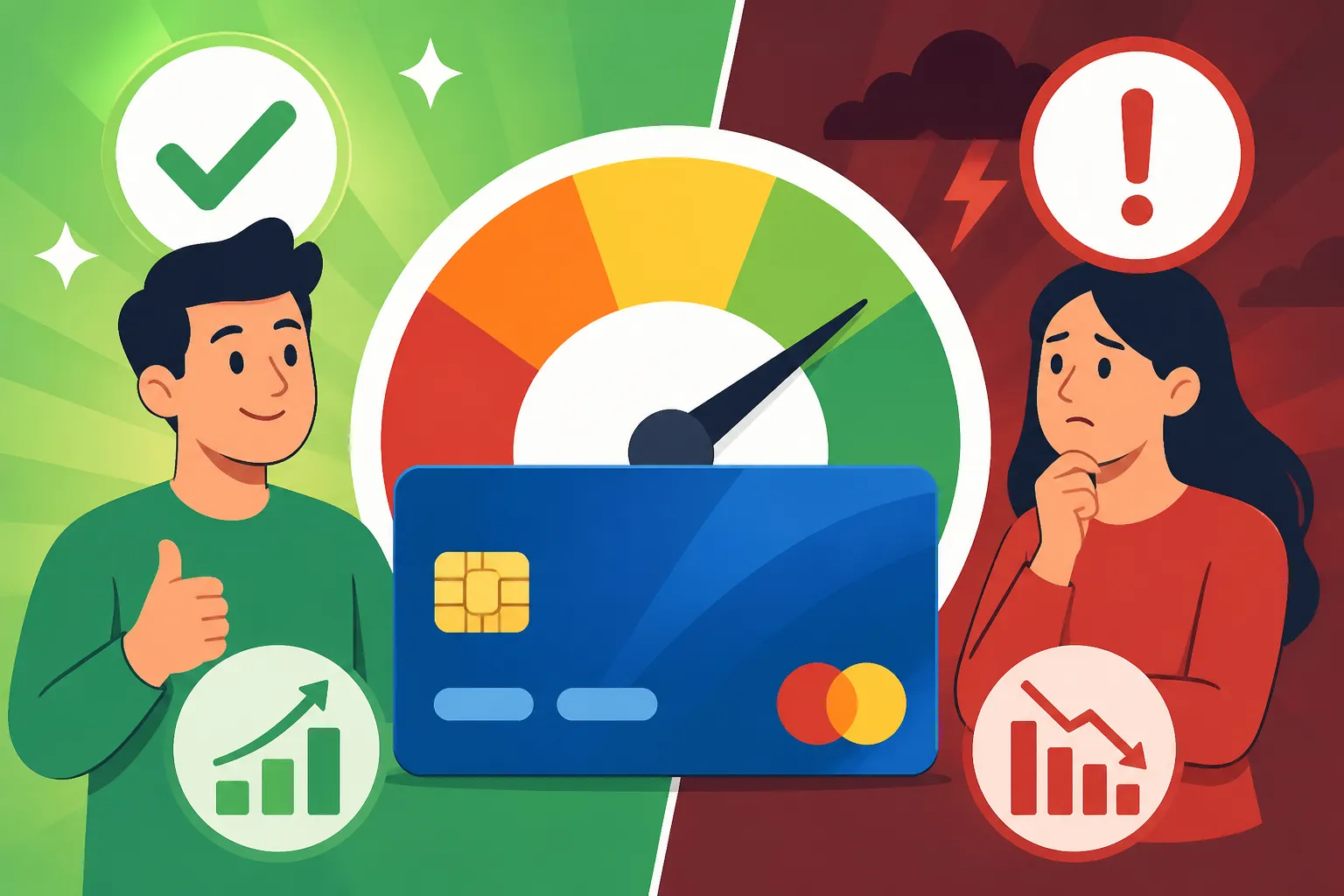
Here's a quick comparison of the benefits and risks of being an authorized user:
| Feature | Benefits for Authorized User | Risks for Authorized User |
|---|---|---|
| Credit History | Instant positive payment history, increasing credit age. | Primary cardholder's late payments or defaults will appear on your report. |
| Credit Utilization | Benefits from primary cardholder's low utilization, boosting your score. | Primary cardholder's high utilization will negatively impact your score. |
| Credit Mix | Adds another revolving credit account, but doesn't diversify credit types. | Doesn't help build a diverse credit mix if you already have credit cards. |
| Access to Funds | Potential access to credit line for emergencies (with permission). | You are not legally responsible for debt, but may be hounded by collections if principal doesn't pay. |
| Control | No responsibility for debt; can be removed from account. | No control over account management, credit limit, or payment decisions. |
| Building Own Credit | Can provide a strong foundation for future independent credit applications. | Doesn't build a direct relationship with lenders or show your personal payment habits. |
Alternative Ways to Build Credit
While becoming an authorized user can be an excellent strategy, it's not the only one, nor is it suitable for everyone. Sometimes, you might not have a trusted person with good credit to add you, or you might prefer to build your credit entirely independently. Thankfully, there are several effective alternatives.
Secured Credit Cards and Credit Builder Loans
For those who want to build credit on their own terms, secured credit cards are often the go-to solution. These cards require a cash deposit, which typically acts as your credit limit. For example, if you deposit $200, your credit limit is $200. This deposit minimizes the risk for the lender, making them much easier to obtain, even with no credit or bad credit. As you use the card responsibly – making small purchases and paying them off in full and on time each month – the issuer reports your positive payment history to the credit bureaus. Over time, this builds your credit score and demonstrates your ability to manage credit. Many secured cards, like the Discover it® Secured Card or Capital One Platinum Secured Card, even offer paths to upgrade to an unsecured card and get your deposit back. You can learn more about "secured credit cards: how they build credit" to see if this option is right for you.
Another fantastic tool is a credit builder loan. Companies like Credit Strong and Self-Lender specialize in these. With a credit builder loan, you don't receive the money upfront. Instead, you make regular payments into a locked savings account over a set period (e.g., 12-24 months). The lender reports these on-time payments to the credit bureaus. Once the loan term ends, you receive the money you've saved (minus any interest and fees). This helps build payment history and savings simultaneously. It's a structured way to prove your reliability as a borrower and can be a great way to "build credit without a credit card."
Other Options for Establishing Credit
Beyond secured cards and credit builder loans, there are other avenues to explore, each with its own advantages:
- Rent Reporting: Believe it or not, your on-time rent payments often go unreported to credit bureaus, missing out on a huge opportunity to build credit. Services like Experian RentBureau, LevelCredit, or Rental Kharma allow you to have your rent payments reported, which can significantly boost your score, especially if you have a long history of paying on time. This is an excellent way to leverage an existing, consistent payment.
- Utility Bill Reporting: Similar to rent, some services now allow you to report your on-time utility payments (gas, electric, water, internet) to the credit bureaus. While not as universally impactful as rent, it's another way to turn everyday expenses into credit-building opportunities. Services like Experian Boost also allow you to add positive payment history for utility and telecom bills to your Experian credit report.
- Co-signed Loans: If you need a larger loan (like a car loan or student loan) but don't qualify on your own, a co-signer with good credit can help you get approved. The co-signer essentially guarantees the loan, making them equally responsible for repayment. This allows you to get the credit you need and build your own payment history. However, it puts the co-signer's credit at risk if you fail to pay, so it requires a high degree of trust and responsibility.
- Store Credit Cards: While generally not the best for long-term credit building due to higher interest rates and lower limits, store credit cards can sometimes be easier to get approved for than traditional credit cards if you have limited credit history. Just be mindful of their terms and pay them off diligently.
The key to all these methods, whether you choose to be an authorized user or go a different route, is consistent, responsible financial behavior. Making payments on time, keeping balances low, and avoiding new debt are the pillars of a strong credit score.
Disclaimer
This article is for general informational purposes only and does not constitute professional advice. Laws, prices and regulations vary by location and change over time. Consult a qualified professional for guidance on your specific situation.